Buying Bitcoin in New Zealand is becoming increasingly popular, driven by its rising global adoption. This guide delves into the specifics of acquiring Bitcoin in the New Zealand market, covering various platforms, methods, regulations, and crucial security considerations. We’ll examine the landscape, offering a comprehensive understanding of the process.
From the historical context of Bitcoin’s presence in New Zealand to the latest trends, this resource aims to equip readers with the knowledge to navigate the complexities of buying Bitcoin safely and effectively within the New Zealand framework.
Introduction to Bitcoin in New Zealand
Bitcoin’s adoption in New Zealand, while not as widespread as in some other countries, has steadily grown over the years. Early adopters saw opportunities in the digital currency’s potential, while others have been cautious due to the volatility and regulatory complexities. This evolution reflects the broader global trend of cryptocurrency adoption, with varying levels of acceptance and understanding across different communities.The current state of Bitcoin use in New Zealand shows a mix of institutional and individual participation.
While significant adoption is not yet present, the presence of cryptocurrency exchanges and increasing interest in digital assets indicate growing awareness and a potential for further expansion. This evolving landscape presents opportunities for investment and innovation, but also challenges in terms of security and regulation.
History of Bitcoin Adoption in New Zealand
Early Bitcoin adoption in New Zealand was largely driven by the same factors that influenced global interest: the desire for alternative financial systems and the allure of potential high returns. Early adopters often saw Bitcoin as a way to bypass traditional financial institutions, though this has evolved to encompass more nuanced motivations. The early years saw some businesses experimenting with Bitcoin payments, but broader mainstream adoption remained limited.
More recently, increasing media attention and educational resources have increased public understanding of Bitcoin, though challenges persist in establishing widespread acceptance.
Current State of Bitcoin Use in New Zealand
Currently, Bitcoin use in New Zealand is multifaceted. While not a dominant payment method, a growing number of individuals and businesses are engaging with Bitcoin, either for investment or as a form of payment. The availability of regulated exchanges and increased public awareness have fostered this engagement. However, significant challenges remain in terms of mainstream acceptance and widespread understanding.
Reasons for Considering Buying Bitcoin in New Zealand
Individuals in New Zealand might consider purchasing Bitcoin for various reasons. The allure of potentially high returns, coupled with the desire for alternative investment avenues, drives many investors. Additionally, Bitcoin’s decentralized nature can appeal to those seeking financial autonomy and freedom from traditional financial systems. Moreover, the growing number of businesses accepting Bitcoin for payment presents a practical use case for the currency.
Furthermore, Bitcoin’s perceived resilience to economic downturns is another key consideration for potential investors.
Methods for Buying Bitcoin in New Zealand
Several methods exist for purchasing Bitcoin in New Zealand. The most common approach is through online cryptocurrency exchanges, which provide a platform for buying and selling Bitcoin with other users. These platforms often offer various payment methods, including bank transfers and credit/debit cards. Other methods include peer-to-peer (P2P) exchanges, where individuals can directly exchange Bitcoin with each other.
This route can be less regulated but offers more flexibility.
Comparison of Bitcoin Exchange Platforms in New Zealand
| Platform Name | Fees | Security Features | User Reviews |
|---|---|---|---|
| Platform A | 0.5% – 1.5% | Multi-factor authentication, cold storage | Generally positive, with some complaints about customer support response times. |
| Platform B | 1% – 2% | 2-factor authentication, insurance coverage | Mixed reviews, with some users highlighting ease of use, while others express concern about transaction speeds. |
| Platform C | 0.75% – 1.25% | Advanced security protocols, audit trails | Highly rated for security and user experience. |
Note: Fees and security features can vary depending on the specific transaction and platform. User reviews are collected from various online sources and reflect the overall user experience.
Buying Bitcoin in New Zealand
Bitcoin’s growing popularity in New Zealand has spurred the emergence of various platforms for acquiring it. Understanding the different options, their associated fees, and security protocols is crucial for making informed decisions. This section delves into the available platforms, payment methods, and account setup procedures.
Available Bitcoin Platforms in New Zealand
Several platforms facilitate Bitcoin purchases in New Zealand. These platforms vary in their features, fees, and security measures. Choosing the right platform depends on individual needs and risk tolerance. Some prominent options include reputable exchanges catering specifically to the New Zealand market, as well as internationally recognized platforms with New Zealand-accessible services.
Comparison of Bitcoin Platforms
Different platforms offer varying levels of service and features. For instance, some platforms might have lower fees but potentially less robust security measures compared to others. Crucially, consider factors such as transaction fees, security protocols, customer support, and user experience when evaluating platforms. Comparing platforms allows you to choose one that aligns with your requirements.
Payment Methods for Bitcoin Purchases
Numerous payment methods are available for purchasing Bitcoin in New Zealand. Common options include credit cards, bank transfers, and other digital payment systems. The selection of payment methods can influence the ease and speed of your purchase.
Setting Up a Bitcoin Exchange Account
Setting up an account on a New Zealand Bitcoin exchange generally involves a few steps. These steps usually include providing personal information, verifying your identity, and linking a payment method. The process is typically straightforward but varies slightly depending on the chosen platform.
Step-by-Step Guide: Buying Bitcoin
To purchase Bitcoin using a credit card or bank transfer, follow these steps:
- Choose a reputable Bitcoin exchange platform.
- Create an account and verify your identity.
- Link your payment method (credit card or bank account).
- Specify the amount of Bitcoin you wish to purchase.
- Initiate the transaction.
- Confirm the transaction on your payment method.
- The Bitcoin will be credited to your account.
Methods to Buy Bitcoin in New Zealand
Different methods have varying pros and cons. The ease of use also differs significantly. The table below provides a concise comparison:
| Method | Pros | Cons | Ease of Use |
|---|---|---|---|
| Credit Card | Convenience, wide availability | Higher fees, potential security risks if not done through secure platforms | Medium |
| Bank Transfer | Lower fees compared to credit cards, more secure | Slower transaction times, requires bank account | High |
| Prepaid cards | Convenience, wide availability | Fees and limited transaction limits, potential security risks | Medium |
| Crypto debit cards | Convenience, wide availability, integration with existing bank accounts | Fees and limited transaction limits, security depends on the provider | High |
Bitcoin Regulations and Legal Considerations in New Zealand
Bitcoin’s emergence in New Zealand presents a unique blend of opportunity and uncertainty. While the country embraces innovation, a clear legal framework is still evolving to accommodate this emerging technology. This necessitates careful consideration for both investors and businesses engaging with Bitcoin.
Legal Framework Surrounding Bitcoin
New Zealand’s legal framework for Bitcoin is not specifically tailored to cryptocurrencies. Instead, existing laws and regulations are applied, potentially creating ambiguities. This means that Bitcoin transactions and holdings might fall under existing laws concerning property, contracts, and financial instruments, depending on the specific context. For example, if Bitcoin is used as payment for goods or services, existing consumer protection laws may apply.
The lack of a dedicated cryptocurrency law can make it challenging to establish precise legal interpretations.
Tax Implications of Bitcoin Ownership and Trading
New Zealand’s tax laws classify Bitcoin as a capital asset. This implies that gains or losses from Bitcoin transactions are treated as capital gains or losses, subject to the applicable tax rates. The specific tax rate depends on the holding period of the Bitcoin and the investor’s overall tax bracket. Tax reporting obligations are crucial, and failure to comply with these regulations can result in penalties.
For example, individuals who hold Bitcoin for a period exceeding 12 months are taxed at lower rates compared to those who hold it for a shorter period.
Regulatory Landscape Concerning Cryptocurrency Exchanges
Cryptocurrency exchanges operating in New Zealand are subject to existing financial regulations. This means they must comply with requirements related to anti-money laundering (AML) and know-your-customer (KYC) procedures. The Financial Markets Authority (FMA) plays a crucial role in overseeing these exchanges and ensuring compliance. These regulations are vital to preventing illicit activities and maintaining market integrity.
Government Initiatives and Policies Related to Bitcoin
Currently, there are no specific government initiatives or policies directly addressing Bitcoin in New Zealand. This absence of dedicated policies highlights the evolving nature of the regulatory landscape and the need for future guidance. The lack of clear guidelines may create challenges for both investors and businesses.
Potential Risks Associated with Buying Bitcoin in New Zealand
Investing in Bitcoin involves inherent risks. Market volatility, security concerns, and regulatory uncertainties can all affect the value of Bitcoin holdings. Furthermore, the absence of specific protections for Bitcoin investors in New Zealand can leave individuals vulnerable. The fluctuating nature of Bitcoin’s value is a significant risk, and past performance is not indicative of future results. For example, significant price drops can lead to substantial losses.
Summary of Key Regulations and Laws
| Regulation Type | Description | Implications |
|---|---|---|
| Existing Financial Laws | Existing laws like consumer protection, property law, and financial instrument regulations apply to Bitcoin transactions. | Investors and businesses must understand how these laws affect Bitcoin activities. Ambiguity can arise regarding specific applications. |
| Tax Laws (Capital Assets) | Bitcoin is classified as a capital asset, subject to capital gains/losses taxation. | Investors must accurately report Bitcoin gains/losses for tax purposes. Incorrect reporting may result in penalties. |
| Financial Regulations (AML/KYC) | Cryptocurrency exchanges operating in New Zealand must adhere to anti-money laundering and know-your-customer requirements. | Exchanges face compliance obligations and potential penalties for non-compliance. |
Security and Risk Management When Buying Bitcoin
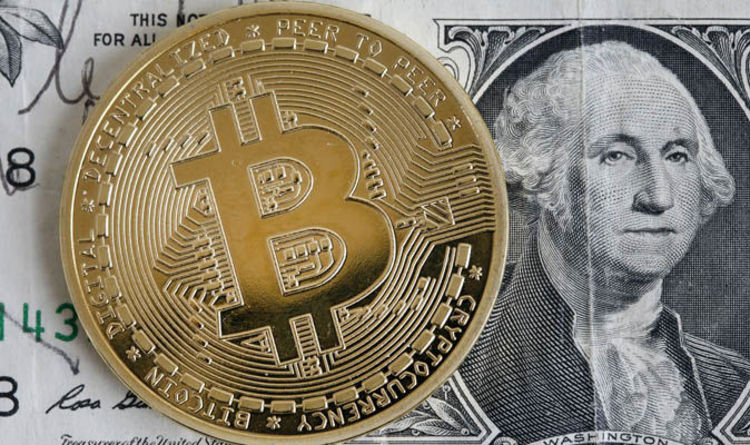
Securing your Bitcoin holdings is paramount, as the cryptocurrency market is susceptible to various threats. A robust security strategy encompasses safeguarding your private keys, choosing reliable platforms, and understanding potential scams. Neglecting these precautions can lead to significant financial losses.Implementing proper security measures is crucial to mitigate risks and protect your investments. This involves not only choosing secure platforms but also understanding the intricacies of cold storage, recognizing scams, and understanding the risks associated with different payment methods.
Importance of Robust Security Measures
Protecting your Bitcoin involves a multi-faceted approach. A single vulnerability can expose your holdings to theft or loss. Understanding the risks and implementing preventative measures is essential for safeguarding your investment.
Security Measures for Bitcoin Holdings
Several security measures can bolster your Bitcoin holdings’ protection. These measures involve safeguarding your private keys, choosing reliable platforms, and understanding potential scams.
- Strong Passwords and Two-Factor Authentication (2FA): Employing strong, unique passwords for all accounts is crucial. Enable 2FA wherever possible to add an extra layer of security, preventing unauthorized access even if a password is compromised.
- Regular Security Audits: Periodically reviewing your security practices and updating them based on evolving threats is vital. Staying informed about new vulnerabilities and adapting your strategies accordingly is key.
- Avoiding Phishing and Scams: Be wary of unsolicited emails, messages, or websites claiming to offer high returns or easy Bitcoin gains. Verify the authenticity of any requests for your personal information or funds.
Cold Storage Solutions
Cold storage, often referred to as offline storage, is a critical component of a robust security strategy. It involves storing your private keys offline, minimizing the risk of online hacking or malware attacks.
- Hardware Wallets: These devices store your private keys offline, providing a secure way to store and manage your Bitcoin holdings. They are designed to be physically isolated from the internet, mitigating cyber threats.
- Paper Wallets: These wallets involve printing your private keys onto paper. This method offers a high level of security, provided the paper is stored securely. It’s important to safeguard the paper wallet from damage and theft.
Risks Associated with Exchanges and Payment Methods
Choosing reliable exchanges and payment methods is crucial for minimizing risks. Reputable exchanges often have security protocols and insurance policies in place.
- Exchange Security: Choose reputable exchanges known for their robust security measures. Look for exchanges that implement multi-factor authentication, encryption, and other security protocols. Evaluate their track record in handling security incidents and their user reviews.
- Payment Method Security: Assess the security of your chosen payment methods. Use reputable payment processors or explore options that provide extra layers of security.
Identifying and Avoiding Bitcoin Scams
Scams targeting Bitcoin investors are prevalent. Identifying and avoiding these scams requires vigilance and skepticism.
- High-Return Promises: Be wary of offers promising exceptionally high returns on your Bitcoin investments. Legitimate investment opportunities rarely come with unrealistic guarantees.
- Urgent Requests: Be cautious of requests for immediate action, especially if they involve large sums of money or transferring funds to unknown accounts. Take your time to thoroughly vet any requests.
Security Best Practices for Buying Bitcoin in New Zealand
| Practice | Description | Impact |
|---|---|---|
| Strong Passwords and 2FA | Utilize strong, unique passwords and enable 2FA wherever possible. | Reduces the risk of unauthorized access. |
| Regular Security Audits | Periodically review and update security practices. | Keeps your security measures up-to-date. |
| Cold Storage | Store private keys offline using hardware or paper wallets. | Significantly reduces the risk of online attacks. |
| Reputable Exchanges | Use reputable exchanges with strong security measures. | Reduces the risk of theft or fraud. |
| Verify Information | Thoroughly vet any requests for information or funds. | Helps to avoid scams. |
Buying Bitcoin
Bitcoin, a decentralized digital currency, can be purchased through various methods and platforms globally. Understanding the process, common platforms, and market trends is crucial for anyone considering buying Bitcoin. This section provides a comprehensive overview of Bitcoin purchasing, including the steps involved, popular methods, and factors influencing the price.
The Bitcoin Purchasing Process
The process of acquiring Bitcoin generally involves several stages, from selecting a platform to completing the transaction. These stages are broadly similar across different platforms but may vary slightly in specific details.
Common Methods for Buying Bitcoin
A multitude of methods exist for purchasing Bitcoin, catering to diverse preferences and needs. The most common include:
- Exchange Platforms: These platforms provide a secure marketplace for buying and selling Bitcoin. Users can typically deposit funds into their accounts using various payment methods, then execute trades to acquire Bitcoin. Platforms like Coinbase, Kraken, and Binance are popular examples.
- Brokerage Accounts: Some brokerage firms allow customers to purchase and hold Bitcoin as part of their investment portfolios. These accounts often integrate with existing trading platforms and offer a familiar interface for managing digital assets.
- Peer-to-Peer (P2P) Platforms: P2P platforms facilitate direct transactions between buyers and sellers. These platforms typically rely on escrow services to ensure secure transactions. This method often involves more direct negotiation and verification compared to exchange platforms.
- Bitcoin ATMs: Bitcoin ATMs provide a physical interface for purchasing Bitcoin using cash. They are becoming increasingly common in various locations worldwide, offering a readily accessible option for acquiring Bitcoin.
Global Bitcoin Market Trends and Statistics
The Bitcoin market exhibits fluctuations in price and trading volume. Global adoption and regulatory developments significantly impact the market’s trajectory. For example, increased adoption in emerging markets can lead to increased demand and corresponding price rises. Conversely, regulatory uncertainties can sometimes cause price volatility. Historical data and market analysis reveal periods of significant growth and decline, alongside periods of relative stability.
This volatility is a key characteristic of the market.
Factors Influencing Bitcoin’s Global Price
Numerous factors influence the price of Bitcoin, including market sentiment, regulatory developments, technological advancements, and adoption rates. For instance, news regarding potential government regulations can dramatically affect market confidence and lead to price fluctuations. Technological advancements, such as the introduction of new features or protocols, can also impact Bitcoin’s value. Investor confidence and public perception play a significant role, as do adoption rates within different industries and geographies.
Furthermore, the supply and demand dynamics for Bitcoin contribute significantly to its price fluctuations.
Comparison of Bitcoin Buying Processes on Different Exchanges
| Exchange | Process Steps | Average Time (Days) |
|---|---|---|
| Coinbase | 1. Account creation, 2. Funds deposit, 3. Order placement | 1-2 |
| Binance | 1. Account creation, 2. Funds deposit, 3. Verification, 4. Order placement | 2-3 |
| Kraken | 1. Account creation, 2. KYC verification, 3. Funds deposit, 4. Order placement | 1-3 |
| LocalBitcoins | 1. Account creation, 2. Negotiation with seller, 3. Payment, 4. Verification | Variable, 1-7+ |
Note: Average times are approximate and can vary significantly based on individual circumstances and platform requirements.
Last Point
In conclusion, buying Bitcoin in New Zealand presents both opportunities and challenges. Understanding the available platforms, payment methods, and regulatory environment is key to making informed decisions. By prioritizing security and researching different options, you can successfully navigate the process and potentially benefit from the potential of Bitcoin investments. Remember, careful consideration and thorough research are essential when engaging in any financial transaction.
Questions Often Asked
What are the common methods for buying Bitcoin in New Zealand?
Common methods include using cryptocurrency exchanges, peer-to-peer platforms, and buying through specialized retailers. Each method presents varying degrees of security and ease of use.
What are the tax implications of owning and trading Bitcoin in New Zealand?
Tax laws regarding Bitcoin are constantly evolving. Consult with a financial advisor to understand the current tax implications, as they may vary depending on your individual circumstances.
What security measures should I consider when buying and storing Bitcoin?
Strong passwords, two-factor authentication, and cold storage solutions are crucial. Never share your private keys, and be wary of suspicious emails or websites.
What are the potential risks associated with buying Bitcoin in New Zealand?
Risks include market volatility, scams, and security breaches. Thorough research and careful consideration are essential.