As bitcoin stock takes center stage, it invites investors to explore a new alternative investment that stands apart from traditional stocks. With its unique position in the financial landscape, Bitcoin offers a compelling option for those looking to diversify their portfolios. This opening beckons readers into a world where the exciting potential of cryptocurrencies meets the foundational principles of stock investment.
The discussion ahead will delve into Bitcoin’s performance alongside major stock indices, its historical price trends, and the impact of significant market events. By comparing investment strategies and examining the risks and rewards, we will uncover what makes Bitcoin a fascinating alternative to traditional stock investments.
Overview of Bitcoin as a Stock Alternative
Bitcoin has emerged as a significant alternative investment to traditional stocks in recent years. As the first cryptocurrency, it has paved the way for a new asset class that appeals to a diverse range of investors. With its decentralized nature and potential for high returns, Bitcoin offers unique advantages compared to conventional stock markets, attracting both seasoned investors and newcomers looking for diversification and growth opportunities.Bitcoin’s performance has been notable when compared to major stock indices like the S&P 500 and the Dow Jones Industrial Average.
Over certain periods, Bitcoin has significantly outperformed these traditional indices, showcasing its potential as a lucrative investment option. For instance, during the bull market of 2020-2021, Bitcoin skyrocketed, with returns that far exceeded those of stock indices. This performance demonstrates that Bitcoin is not just a speculative asset but can also be viewed as a serious investment choice.
Volatility Comparison with Stock Market Fluctuations
The volatility of Bitcoin is a crucial characteristic that differentiates it from traditional stocks. While stocks can experience price swings, Bitcoin’s fluctuations are often much more pronounced. This volatility can be attributed to several factors, including market sentiment, regulatory news, and macroeconomic trends. To illustrate the extent of Bitcoin’s volatility compared to stock markets, consider the following points:
- Bitcoin has experienced daily price swings exceeding 10% on multiple occasions, which is uncommon for major stocks or indices.
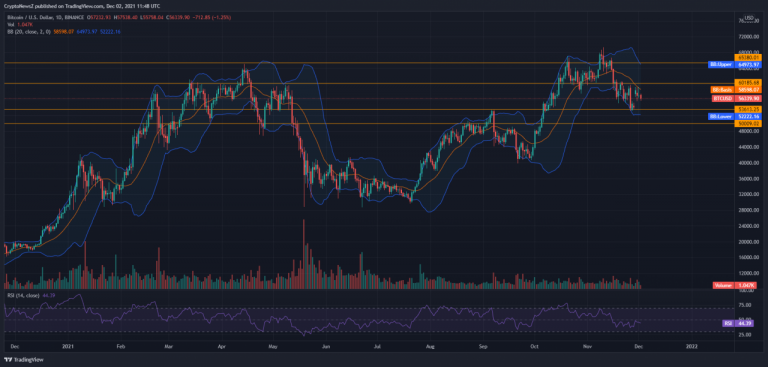
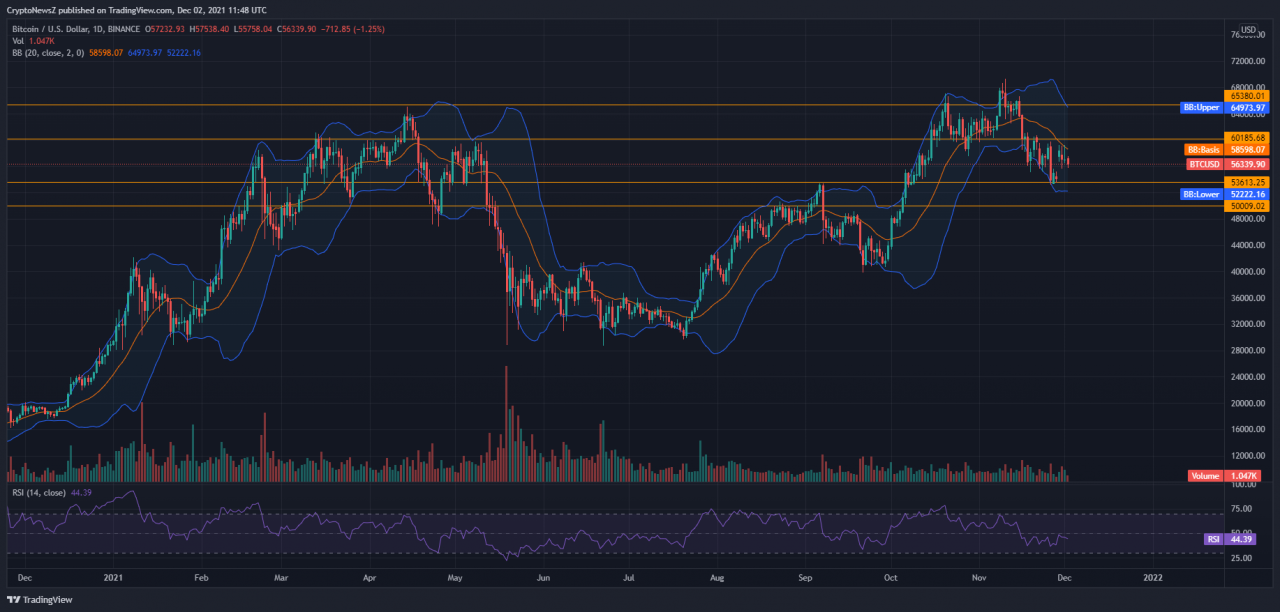
- In the first half of 2021 alone, Bitcoin’s price fluctuated dramatically, reaching an all-time high of nearly $65,000 before falling below $30,000 within months.
- Conversely, major stock indices like the S&P 500 tend to have more stable price movements, generally experiencing daily changes of less than 2%.
The high volatility of Bitcoin can both present opportunities for high returns and risks of significant losses, making it essential for investors to understand their risk tolerance.
In summary, Bitcoin’s role as a stock alternative provides unique investment opportunities characterized by its impressive performance against traditional indices and its inherent volatility. Understanding these factors is crucial for investors navigating this evolving landscape.
Historical Performance of Bitcoin and Stocks
The historical performance of Bitcoin and traditional stocks presents a fascinating contrast, highlighting the volatility and potential of the cryptocurrency market against the steadiness of established equity markets. Since Bitcoin’s inception in 2009, its journey has been marked by dramatic rallies and sharp corrections, showcasing its unpredictable nature. Understanding these trends offers valuable insights for investors considering Bitcoin as an alternative stock investment.
Price Trends of Bitcoin Since Inception
Bitcoin was launched in January 2009 when its price was virtually negligible. The first recorded price in 2010 was around $0.003, and it began to gain traction among tech enthusiasts and libertarians. In December 2017, Bitcoin reached an all-time high of nearly $20,000, fueled by hype and speculation. After a significant correction, Bitcoin once again surged in 2020, with the price surpassing $60,000 in April 2021.
Notably, the price volatility of Bitcoin has been a defining characteristic, with swings of over 25% occurring over short periods.
Bitcoin Growth Compared to the S&P 500
Comparing Bitcoin’s growth to the S&P 500 provides a stark contrast in investment performance. Bitcoin’s average annual return since 2010 has been approximately 200%, significantly outpacing the S&P 500, which has delivered an average annual return of around 10% over the same period. The following statistics illustrate this remarkable growth trajectory:
- 2010-2020: Bitcoin grew from approximately $0.003 to over $29,000, representing an astronomical growth rate.
- S&P 500 Growth: In the same timeframe, the S&P 500 rose from about 1,100 to around 3,700, demonstrating a steady but much slower increase.
The stark difference in returns underlines why many investors view Bitcoin as a compelling alternative asset class.
Major Events Impacting Bitcoin and Stock Prices
Throughout its history, Bitcoin’s price has been influenced by a series of significant events, echoing the impacts of economic trends on stock markets. Key milestones include regulatory developments, technological advancements, and macroeconomic trends. Understanding these events provides context for Bitcoin’s price fluctuations and helps investors navigate its complexities.
- Regulatory Changes: Government crackdowns, such as China’s ban on cryptocurrency transactions in 2021, have led to sharp declines in Bitcoin prices, mirroring how changes in policy can impact stock markets.
- Market Adoption: Increased institutional adoption, highlighted by companies like Tesla and MicroStrategy investing in Bitcoin, has driven prices upward, similar to how tech stocks surged during the dot-com boom.
- Global Economic Trends: Economic uncertainty, such as fears of inflation or recession, often leads investors to Bitcoin as a hedge, showcasing its utility as a store of value amidst stock market volatility.
“The history of Bitcoin is a narrative of rapid ascents and heartbreaking descents, akin to the most tumultuous roller coasters, yet it continues to attract attention as a revolutionary asset.”
Investment Strategies for Bitcoin and Stocks
Investing in Bitcoin alongside traditional stocks can offer a diversified approach to building a financial portfolio. Understanding the nuances of both asset classes is essential for formulating effective investment strategies. This section will delve into investment guidelines for integrating Bitcoin, compare short-term trading methods, and evaluate long-term holding strategies for both Bitcoin and stocks.
Guidelines for Investing in Bitcoin with Stocks
When adding Bitcoin to a stock portfolio, it’s crucial to establish a clear investment strategy that aligns with your financial goals. Investors should consider the following guidelines:
- Risk Tolerance Assessment: Evaluate your comfort level with market volatility, especially considering Bitcoin’s historical price fluctuations compared to traditional stocks.
- Diversification: Allocate a small percentage of your portfolio to Bitcoin, typically between 5-15%, to mitigate risks while still benefiting from potential upsides.
- Regular Monitoring: Keep an eye on market trends, news, and regulatory changes that could impact Bitcoin’s price and overall market sentiment.
- Utilize Dollar-Cost Averaging: Invest a fixed amount in Bitcoin at regular intervals to reduce the impact of volatility and avoid timing the market.
Short-term Trading Strategies for Bitcoin and Stocks
Short-term trading strategies can differ significantly between Bitcoin and traditional stocks due to market behavior and liquidity. Here are some effective strategies for both:
- Day Trading: This strategy involves making multiple trades within a single day, taking advantage of price movements. Bitcoin’s high volatility can lead to substantial gains (or losses) within short periods, requiring active monitoring and quick decision-making.
- Scalping: Aimed at exploiting small price gaps, scalping involves making numerous trades throughout the day. Bitcoin traders often use this strategy due to its rapid price changes, while stock scalping can be more challenging due to lower liquidity in some stocks.
- Technical Analysis: Using charts and indicators to predict price movements is crucial in both asset classes. Bitcoin traders may rely on volume, momentum indicators, and support/resistance levels more heavily due to the asset’s rapid price changes.
Long-term Holding Strategies for Bitcoin and Stocks
Long-term investment strategies require a different mindset, focusing on potential growth over time rather than immediate returns. Here are the key considerations for holding both asset classes:
- HODLing Bitcoin: This term, derived from a misspelled forum post, refers to holding onto Bitcoin regardless of market fluctuations. Investors believe in the long-term value of Bitcoin as a digital asset and store it securely, often in hardware wallets.
- Investing in Dividend Stocks: For traditional stock investments, focusing on companies that regularly pay dividends can provide a steady income stream while the investor benefits from potential long-term capital appreciation.
- Understanding Market Cycles: Both Bitcoin and stocks experience bull and bear markets. Investors should be prepared for price corrections and ensure their portfolio can withstand market downturns, particularly Bitcoin’s notorious volatility.
“Investing in Bitcoin requires a strong understanding of market dynamics, particularly for those accustomed to the more stable environment of traditional stocks.”
Risks and Rewards of Investing in Bitcoin vs. Stocks
Investing in Bitcoin and stocks presents a distinct set of opportunities and challenges. While both asset classes can yield significant returns, each comes with its own risks and benefits that are crucial for investors to understand. This section delves into the unique risks associated with Bitcoin investments, explores the potential rewards Bitcoin offers over traditional stocks, and examines how market sentiment influences both investment types.
Unique Risks of Investing in Bitcoin
Investing in Bitcoin carries specific risks that differ from those associated with traditional stocks. These risks stem largely from the relatively nascent nature of the cryptocurrency market and regulatory uncertainties. Key risks include:
- Market Volatility: Bitcoin is notoriously volatile, with prices capable of experiencing drastic fluctuations within short time frames. This volatility can lead to significant gains but also substantial losses, creating a challenging landscape for investors.
- Regulatory Risks: As a digital asset, Bitcoin is subject to varying regulations across different jurisdictions. Changes in government policies or regulatory frameworks can affect its value and accessibility.
- Security Concerns: Cryptocurrency exchanges and wallets are targets for cyberattacks. Investors may face risks of hacking and theft, leading to irreversible losses.
- Market Manipulation: The relative lack of regulation in the cryptocurrency market can lead to price manipulation through practices like “pump and dump,” where prices are artificially inflated and then sold off by manipulators.
- Technological Risks: The underlying technology of Bitcoin, while robust, is still evolving. Potential vulnerabilities in blockchain technology or unforeseen technical issues can pose risks to investors.
Potential Rewards for Bitcoin Investors Compared to Stock Investors
Despite the risks, Bitcoin offers unique advantages that appeal to many investors. The potential rewards include:
- High Return Potential: Historically, Bitcoin has demonstrated remarkable growth compared to traditional stocks, offering returns that far exceed those of major stock indices.
- Portfolio Diversification: Including Bitcoin in an investment portfolio can provide diversification benefits, potentially reducing overall risk when combined with traditional assets.
- Decentralization: Bitcoin operates independently of central banks and governments, appealing to those seeking an asset that is not influenced by monetary policy or geopolitical events.
- Accessibility: Bitcoin can be purchased in fractional amounts, making it accessible to a wide range of investors. This democratization of investment opportunities contrasts with higher minimum investment thresholds often seen in stocks.
- Global Market: Bitcoin operates on a global scale, providing opportunities for investors to tap into international markets and trends without the restrictions often imposed by local regulations.
Influence of Market Sentiment
Market sentiment plays a crucial role in shaping the dynamics of both Bitcoin and stock investments, albeit in different ways. In the stock market, sentiments are often influenced by fundamental factors such as earnings reports, economic indicators, and geopolitical events. Conversely, Bitcoin is heavily influenced by speculative trading and news cycles, often reacting sharply to social media trends, influential endorsements, or regulatory announcements.The psychological aspect of investing in Bitcoin can lead to herd behavior, where collective sentiment drives price movements irrespective of underlying value.
For instance, a positive tweet from a prominent figure can trigger substantial buying pressure, resulting in a rapid price increase. Conversely, negative news can lead to panic selling, causing dramatic price drops. Understanding these sentiment-driven dynamics is essential for investors navigating the Bitcoin landscape.
Regulatory Environment Around Bitcoin and Stocks
The regulatory landscape surrounding Bitcoin and traditional stocks has evolved significantly over the years. As Bitcoin gains more traction as a digital asset, various governments and regulatory bodies are grappling with how to address its unique characteristics compared to established stock markets. Understanding these regulations is crucial for investors who want to navigate the complexities of both investment options effectively.Regulations for Bitcoin trading and investment are still in a formative stage, with varying approaches adopted across different jurisdictions.
In contrast, traditional stock exchanges operate under well-established regulatory frameworks designed to protect investors and maintain market integrity. Below, we explore the regulatory differences and implications for future investments in Bitcoin and stocks.
Regulatory Framework for Bitcoin Exchanges
The regulation of Bitcoin exchanges is often less stringent than that of traditional stock exchanges. While stock exchanges are subject to rigorous oversight by entities like the U.S. Securities and Exchange Commission (SEC), Bitcoin exchanges may not face the same level of scrutiny. This discrepancy can lead to several regulatory challenges:
- Licensing: Many Bitcoin exchanges operate without formal licensing, which can raise concerns about consumer protection and fraud.
- Anti-Money Laundering (AML): Although some jurisdictions enforce AML regulations on cryptocurrency exchanges, compliance is inconsistent globally, allowing illicit activities to persist.
- KYC Policies: Know Your Customer (KYC) policies vary significantly, with some exchanges implementing strict identity verification processes, while others do not, making it easier for anonymous transactions.
- Taxation: The tax implications for Bitcoin investments are often less clear than for stocks, with many countries still determining how to classify and tax cryptocurrencies.
Comparative Overview of Stock Exchange Regulations
Traditional stock exchanges are regulated by comprehensive laws designed to protect investors and promote market fairness. Key regulatory aspects include:
- Transparency Requirements: Companies listed on stock exchanges must disclose financial statements and operational details, enhancing investor confidence.
- Market Manipulation Protections: Regulations prevent practices like insider trading and manipulation to ensure a level playing field for all investors.
- Investor Protections: Regulatory bodies implement measures that safeguard investor interests, including dispute resolution mechanisms and compensation schemes.
- Regular Audits: Publicly traded companies undergo routine audits to verify financial health, providing investors with reliable data.
Implications of New Regulations for Future Investments
As the regulatory environment continues to evolve, new regulations can significantly impact both Bitcoin and stock investments. Here are some potential implications:
- Increased Legitimacy: Stricter regulations could enhance the legitimacy of Bitcoin as an investment class, attracting institutional investors who have been hesitant due to regulatory uncertainties.
- Market Volatility: The introduction of new regulations could lead to initial market volatility as investors react to changes and adapt to new compliance requirements.
- Innovation in Regulatory Technology: The necessity for compliance may drive innovation in technologies that facilitate regulatory adherence, benefiting both sectors.
- Global Regulatory Consensus: As more countries work towards a cohesive regulatory framework, the potential for cross-border investments in Bitcoin could increase, broadening the market.
Future Trends
In the rapidly evolving landscape of finance, the future of Bitcoin and its relationship with the stock market is a topic of increasing significance. As investors seek alternative assets amid economic uncertainty, Bitcoin’s role as a digital currency and investment vehicle continues to grow. This section delves into forecasts for Bitcoin’s performance, insights from industry experts, and the technological advancements that could reshape both Bitcoin and stock markets in the coming years.
Forecast of Bitcoin’s Potential Future Performance
Analysts have begun to draw parallels between Bitcoin’s price trajectory and stock market trends, especially in the context of macroeconomic conditions. Some predict that as institutional adoption of Bitcoin increases, it could stabilize and solidify its status as a legitimate store of value. Various models suggest that Bitcoin could reach new all-time highs, particularly if it gains wider acceptance among retail and institutional investors.Recent projections indicate that Bitcoin could potentially revisit its previous peak prices by the end of this decade, driven by factors such as increased global adoption, inflation hedging, and integration into traditional financial systems.
As companies like Tesla and MicroStrategy have started holding Bitcoin as part of their treasury reserves, this signals a shift in how corporations view cryptocurrencies.
“Bitcoin’s future may depend on its ability to be integrated seamlessly into mainstream investment portfolios, acting not only as a speculative asset but also as a viable hedge against inflation.”
Expert Opinions on Integration into Mainstream Investment Portfolios
The integration of Bitcoin into traditional investment portfolios is gaining traction, as experts emphasize its potential to diversify risk and enhance returns. Leading financial institutions are increasingly recommending Bitcoin allocations, indicating a shift in sentiment toward digital assets. A recent report from a prominent investment firm suggests that a 1-5% allocation of Bitcoin in a diversified portfolio could significantly improve risk-adjusted returns over the long term.
This view is echoed by numerous financial analysts who see Bitcoin not just as a speculative asset but as a legitimate component of a balanced investment strategy.
“Investors should not overlook Bitcoin’s potential as a hedge against economic downturns and a complement to their stock and bond investments.”
Potential Technological Advancements Affecting Bitcoin and Stocks
Looking ahead, technological advancements are poised to influence both Bitcoin and the stock market significantly. Innovations in blockchain technology, such as the development of Ethereum 2.0 and Layer 2 solutions, could enhance transaction speed and reduce costs, making Bitcoin more accessible to everyday users. Furthermore, the rise of decentralized finance (DeFi) platforms is enabling new financial products that blend traditional and digital assets, presenting unique investment opportunities.
As these technologies evolve, they will likely pave the way for greater interaction between Bitcoin and traditional financial markets.Moreover, the introduction of central bank digital currencies (CBDCs) could reshape the competitive landscape. If central banks adopt digital currencies, they may streamline transactions, promote financial inclusion, and impact Bitcoin’s perceived value as a decentralized alternative.
“The future integration of advanced technology into the financial system could create a more interconnected ecosystem for Bitcoin and traditional stocks.”
Case Studies
The exploration of successful investments in Bitcoin and stocks reveals valuable insights into the potential of these financial assets. The journey of various investors and companies showcases not only the profitability but also the strategies that led to success in navigating these markets.
Successful Individual Investors
Notable examples of individual investors illustrate the profound impact of strategic investments in both Bitcoin and stocks. One such story is that of Tim Draper, a venture capitalist who made a significant bet on Bitcoin in 2014 when he purchased nearly 30,000 BTC seized from a Silk Road bust. Draper’s conviction in the cryptocurrency has led to substantial returns, as he estimates that his initial investment has multiplied multiple times over.
Another impressive story is that of Anthony Pompliano, who has been a vocal advocate for Bitcoin. He invested in Bitcoin when it was priced around $1,000 and has since seen its value soar. Pompliano’s approach emphasizes the importance of long-term holding, which he refers to as “HODLing,” and the recognition of Bitcoin as a hedge against inflation.
Companies Adopting Bitcoin as an Asset
Several companies have recognized the value of incorporating Bitcoin into their asset portfolios, leading to noteworthy outcomes. MicroStrategy, a business intelligence company, made headlines when it decided to invest over $1 billion in Bitcoin, viewing it as a superior store of value compared to traditional cash reserves. This strategic move has resulted in a dramatic increase in their stock price, as investors have reacted positively to the company’s forward-thinking strategy.
Tesla is another prime example, having invested $1.5 billion in Bitcoin in early 2021. The announcement not only boosted the price of Bitcoin but also led to a surge in Tesla’s stock, demonstrating how corporate adoption of cryptocurrency can positively impact shareholder value.
Lessons from Investors Navigating Both Markets
Investors who successfully maneuvered through both Bitcoin and stock markets have gleaned several key lessons. Understanding market cycles is crucial; both Bitcoin and stocks experience volatility, and recognizing these patterns can aid in decision-making. Additionally, diversification is vital. Many successful investors allocate their portfolios across various assets to mitigate risks.The importance of research and staying informed cannot be overstated. Investors who keep abreast of market trends, regulatory changes, and technological advancements often find themselves better positioned to capitalize on opportunities.
Lastly, psychological resilience plays a significant role. Successful investors maintain composure during market downturns, focusing on long-term strategies rather than short-term fluctuations.
“Investing is not about timing the market, but about time in the market.”
Ultimate Conclusion
In conclusion, the journey through the world of bitcoin stock reveals its dynamic nature and potential as an investment vehicle. As more investors consider adding Bitcoin to their portfolios, understanding its volatility, regulatory environment, and historical context becomes essential. With thoughtful approaches and informed strategies, investors can navigate both Bitcoin and traditional stocks, paving the way for successful investment experiences.
Commonly Asked Questions
What is bitcoin stock?
Bitcoin stock refers to investments in Bitcoin as an asset class, similar to traditional stocks.
How does Bitcoin’s volatility compare to stocks?
Bitcoin tends to be more volatile than stocks, with significant price swings in shorter timeframes.
Can I invest in Bitcoin through traditional stock exchanges?
No, Bitcoin is traded on specific cryptocurrency exchanges, not traditional stock exchanges.
What are the tax implications of investing in Bitcoin?
Bitcoin investments may be subject to capital gains taxes, similar to stocks, depending on your jurisdiction.
Is Bitcoin a good long-term investment?
Many investors see Bitcoin as a good long-term investment due to its growth potential, but it carries risks.