Affiliate marketing is rapidly becoming a cornerstone of influencer strategies. This guide provides a detailed exploration of the multifaceted world of affiliate marketing for influencers, covering everything from fundamental concepts to advanced strategies. We’ll delve into the intricacies of choosing the right affiliate programs, crafting compelling content, and maximizing performance.
Understanding the unique dynamics of influencer marketing within affiliate programs is key to success. This involves aligning your audience with suitable affiliate products or services, fostering genuine engagement, and maximizing your earning potential while upholding ethical standards. This guide will equip you with the knowledge and tools to navigate this exciting landscape effectively.
Introduction to Affiliate Marketing for Influencers
Affiliate marketing is a performance-based marketing strategy where influencers earn a commission for promoting and driving sales of a company’s products or services. It leverages the influencer’s existing audience to generate revenue, making it a powerful tool for both businesses and individuals. This approach relies on the influencer’s credibility and connection with their followers to effectively market products.Influencer marketing, a subset of affiliate marketing, focuses on leveraging the influence of individuals with a dedicated online following to promote products or services.
This strategy is particularly effective as it taps into the trust and recommendations of an established audience, often leading to higher conversion rates compared to traditional advertising methods. The synergy between influencer marketing and affiliate programs creates a mutually beneficial relationship, rewarding influencers for their promotional efforts and boosting sales for the businesses they represent.
Affiliate Marketing Benefits for Influencers
Affiliate marketing offers several key advantages for influencers. It provides an alternative revenue stream beyond traditional sponsorships or brand deals, offering flexible earning potential. The ability to control the narrative and message associated with the products promoted gives influencers greater creative freedom and allows for alignment with their personal brand. This strategy also enables influencers to build long-term relationships with brands they genuinely believe in.
Types of Affiliate Programs for Influencers
Various affiliate program structures cater to different needs and preferences. These programs often vary based on commission rates, payment terms, and the nature of the products or services promoted. Influencers should carefully consider these aspects to optimize their earnings and align the program with their audience and brand.
Comparison of Affiliate Program Structures
| Program Feature | Per-Sale Commission | Recurring Commission | Payout Frequency | Minimum Threshold |
|---|---|---|---|---|
| Commission Structure | Fixed percentage of each sale. Example: 10% commission on every purchase made through an affiliate link. | Regular payment for subscriptions or memberships. Example: Monthly payments for promoting a premium online course. | Monthly or Quarterly. Some programs offer daily or weekly payments. | $500, $1000, or other specified amount. This threshold varies widely depending on the program and brand. |
| Payment Terms | Usually, the payment is processed after the customer’s order is confirmed. | The recurring payments are often processed based on the specified subscription cycle (e.g., monthly). | Payments are often processed through check, bank transfer, or direct deposit. | The minimum threshold ensures a certain level of sales or revenue generated before payouts are processed. |
The table above highlights key aspects of various affiliate program structures. Each program has unique features, and understanding these variations is crucial for influencers to choose programs that align with their financial goals and marketing strategies. Factors such as the nature of the products or services, the frequency of sales, and the commission structure play a significant role in determining the overall profitability of an affiliate program.
Influencer Selection and Niche Targeting
Identifying the right influencers for affiliate marketing is crucial for maximizing campaign effectiveness. Choosing influencers whose audience aligns with the product or service being promoted significantly impacts conversion rates. A well-defined niche allows for targeted outreach and builds trust with the intended consumer base. Effective influencer selection hinges on careful analysis of their audience demographics, engagement metrics, and past performance.Selecting the right influencer niche is paramount to a successful affiliate marketing campaign.
This involves a deep understanding of the target audience and the ability to match them with influencers who have a strong connection with this demographic. It’s about identifying the specific interests and needs of the target market and finding influencers who can effectively communicate with and resonate with them.
Identifying the Right Influencer Niche
Effective affiliate marketing relies on matching the influencer’s audience with the product or service being promoted. A strong alignment between the influencer’s niche and the affiliate program creates a more authentic and persuasive message, ultimately leading to increased conversions. The synergy between influencer and product/service resonates with the audience and builds credibility for both parties.
Audience Alignment with the Affiliate Program
Matching the influencer’s audience to the affiliate program is crucial for success. The influencer’s audience should have a strong interest in the product or service being promoted, thus maximizing the likelihood of conversion. This alignment ensures that the promoted product or service is relevant to the influencer’s audience, leading to higher engagement and sales. An example of successful alignment is a fitness influencer promoting athletic wear, as their audience is directly interested in the promoted product.
Examples of Successful Influencer-Affiliate Partnerships
Successful influencer-affiliate partnerships often feature a strong alignment between the influencer’s audience and the product or service. A beauty influencer collaborating with a skincare brand, for example, is a prime example of this successful alignment. Another example involves a gaming influencer promoting gaming peripherals, whose audience consists of avid gamers. These examples showcase the power of selecting influencers whose audience directly benefits from the product or service.
Strategies for Selecting Influencers Based on Audience Engagement
Evaluating influencer engagement metrics is essential for effective selection. Analyzing factors like likes, comments, shares, and follower counts on social media platforms can provide valuable insights into the influencer’s audience engagement. A high engagement rate signifies an active and responsive audience, increasing the likelihood of successful conversions. Influencers with higher engagement rates are more likely to drive sales.
Influencer Comparison Table
| Influencer | Audience Demographics | Engagement Metrics (Average) | Past Performance (Average Conversion Rate) |
|---|---|---|---|
| Fitness Enthusiast (@FitLife) | Young adults (18-35), fitness enthusiasts | Likes: 1,500, Comments: 300, Shares: 100, Followers: 100,000 | 10% |
| Fashion Blogger (@StyleGuru) | Women (25-45), fashion-conscious | Likes: 800, Comments: 200, Shares: 50, Followers: 50,000 | 5% |
| Tech Reviewer (@TechPro) | Tech-savvy individuals (20-40), interested in gadgets | Likes: 1,200, Comments: 250, Shares: 75, Followers: 75,000 | 8% |
Note: These are illustrative examples and engagement metrics are estimations. Actual data would vary depending on the influencer and platform.
Building an Affiliate Marketing Strategy
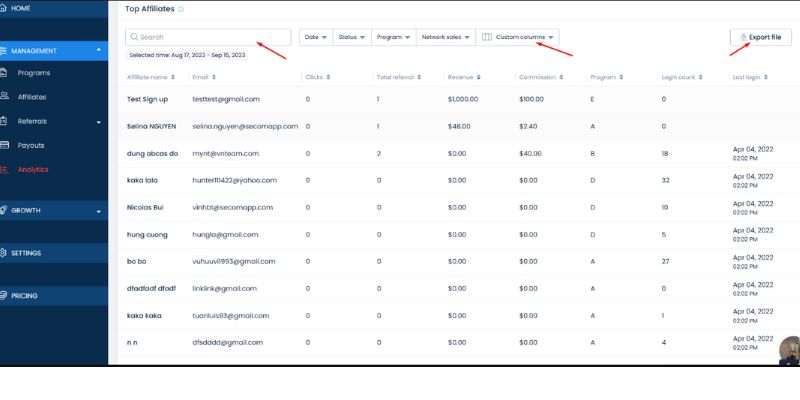
Crafting a robust affiliate marketing strategy is crucial for influencers to maximize earnings and build meaningful relationships with their audience. A well-defined plan Artikels clear goals, targets specific products or services, and establishes a content strategy to effectively promote these offerings. This approach builds trust and credibility, ultimately driving conversions.
Developing a Comprehensive Affiliate Marketing Plan
A comprehensive affiliate marketing plan involves several key elements. It’s essential to define clear goals, identify the ideal target audience, and select the right products or services to partner with. The plan should Artikel the budget, timeline, and specific performance metrics to track progress and measure success. Regular review and adaptation are vital for optimizing the strategy and achieving desired outcomes.
Choosing Appropriate Affiliate Products or Services
Selecting the right affiliate products or services is critical for success. This involves aligning with products that resonate with your audience’s interests and needs. Consider the product’s quality, value proposition, and customer reviews. It’s also important to research the competition and identify products with high demand and potential for profitability. Compatibility with your existing content and audience engagement is equally important.
Developing a Content Strategy Around Affiliate Products
A well-structured content strategy is fundamental to effective affiliate marketing. Content should naturally integrate affiliate products or services, rather than feel forced or promotional. Consider creating engaging content formats like blog posts, videos, or social media posts that provide valuable information and highlight the benefits of the products. Content should aim to educate, entertain, or solve a problem for your audience, ultimately driving interest in the affiliate products.
Methods for Choosing and Implementing Content Formats
Effective content formats are crucial for engaging your audience and promoting affiliate products authentically. Consider a mix of formats to cater to different preferences and consumption habits.
- Blog Posts: In-depth articles on topics related to the affiliate product, providing valuable information and showcasing the product’s benefits. For example, a fitness influencer might create a blog post about the best workout equipment for beginners, highlighting a specific brand’s products within the post.
- Videos: Video tutorials, reviews, or demonstrations of the product. For example, a beauty influencer could create a video reviewing a new makeup palette, showing its application and highlighting key features.
- Social Media Posts: Short, engaging content on platforms like Instagram, TikTok, or Facebook, showcasing the product and its benefits. This can include behind-the-scenes glimpses, product spotlights, or short demonstrations.
- Case Studies: Detailed accounts of how the product has helped others achieve specific results, adding credibility and trust. For example, a financial advisor could create a case study demonstrating how their investment strategy helped clients achieve higher returns.
- Interactive Content: Quizzes, polls, or surveys related to the product or its category to encourage engagement and build interest. For instance, a travel influencer could create a poll asking followers about their dream travel destinations, highlighting travel products in the discussion.
Examples of Engaging Content Formats for Promoting Affiliate Products
Various content formats can effectively promote affiliate products. A successful strategy often includes a diverse range of formats to cater to different audience preferences and engagement styles.
| Content Format | Description | Example |
|---|---|---|
| Blog Post | In-depth article on a relevant topic, featuring the affiliate product. | A fashion blogger writing a post about the best sustainable clothing brands, highlighting a specific eco-friendly brand. |
| Video Tutorial | Step-by-step guide on using or applying the product. | A tech reviewer creating a video demonstrating how to use a new smartphone feature. |
| Social Media Post | Short, engaging content showcasing the product’s benefits. | A parenting influencer sharing a photo of their child using a new educational toy, highlighting its benefits. |
| Instagram Reel | Short video showcasing a product’s features in an engaging way. | A food blogger creating a Reel showcasing a new cooking appliance. |
| Podcast Episode | Discussion on a relevant topic, featuring the affiliate product. | A health and wellness expert interviewing a nutritionist on a podcast, discussing supplements and highlighting specific brands. |
Measuring and Optimizing Performance
Tracking and analyzing affiliate marketing performance is crucial for maximizing ROI and ensuring campaign effectiveness. Understanding how to measure key metrics and adapt strategies based on data allows influencers to fine-tune their campaigns for better results. Effective monitoring and optimization are essential to success in this field.Accurate data analysis is the cornerstone of successful affiliate marketing. Without a robust system for measuring performance, influencers risk losing valuable insights into what works and what doesn’t, leading to suboptimal campaign results.
This section will detail various methods for tracking performance, analyzing data, and optimizing strategies.
Methods for Tracking Affiliate Marketing Performance
Tracking affiliate marketing performance requires a multi-faceted approach. Various tools and platforms offer detailed data insights. Using these tools effectively allows for a granular view of campaign performance, revealing patterns and trends that might otherwise go unnoticed.
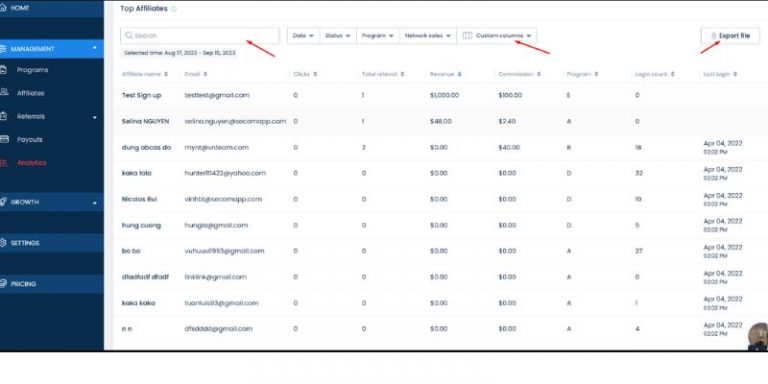
- Affiliate Networks: Many affiliate networks provide comprehensive dashboards with detailed performance reports. These reports often include metrics such as clicks, conversions, sales, and revenue generated by each affiliate.
- Website Analytics: Tools like Google Analytics allow for tracking website traffic and user behavior related to affiliate links. Analyzing data from these tools helps to understand the effectiveness of specific links and promotions.
- CRM Systems: Customer Relationship Management (CRM) systems can track interactions with customers who made purchases through affiliate links. This data can provide insights into customer behavior and preferences, leading to targeted campaigns.
- Dedicated Affiliate Tracking Tools: Specialized affiliate marketing tools often provide advanced analytics capabilities. These tools frequently offer features like custom reporting, detailed breakdowns, and campaign comparison tools.
Analyzing Data from Affiliate Marketing Campaigns
Analyzing affiliate marketing campaign data involves more than just looking at numbers. It requires identifying patterns and trends within the data, and using that information to make informed decisions about campaign optimization.This analysis should be focused on understanding which aspects of the campaign are driving positive results, and which aspects need improvement. This can be accomplished through various methods, such as segmenting data, examining conversion funnels, and comparing results across different campaigns.
- Segmentation: Divide data into smaller groups (e.g., by affiliate, product, or campaign). This detailed breakdown allows for a deeper understanding of which segments are performing well and where potential problems lie.
- Conversion Funnel Analysis: Examine the steps a customer takes from clicking an affiliate link to making a purchase. This helps identify bottlenecks in the process, such as high cart abandonment rates, and allows for targeted improvements.
- Comparative Analysis: Compare the performance of different campaigns or strategies to determine which approaches are most effective. For example, compare conversion rates for different promotional methods.
Key Performance Indicators (KPIs) for Affiliate Marketing
KPIs provide quantifiable metrics for evaluating affiliate marketing campaign success. Choosing the right KPIs depends on specific campaign goals.
- Click-Through Rate (CTR): Measures the percentage of people who click on an affiliate link compared to the number of people who see it.
- Conversion Rate: Represents the percentage of visitors who complete a desired action (e.g., purchase, sign-up) after clicking an affiliate link.
- Cost Per Acquisition (CPA): Measures the cost of acquiring a customer through an affiliate link. It’s a crucial metric for evaluating the profitability of a campaign.
- Return on Investment (ROI): The ratio of profit generated to the cost of the campaign. This is a critical metric for evaluating overall campaign profitability.
Strategies for Optimizing Affiliate Marketing Campaigns Based on Performance Data
Optimizing campaigns involves using performance data to identify areas for improvement and implement targeted changes. This requires a proactive approach, continually monitoring and adjusting campaigns as needed.
- A/B Testing: Experiment with different variations of creatives, landing pages, or promotional offers to see which performs best. For example, test different headlines or images to see which generates the highest CTR.
- Targeted Advertising: Use data to identify high-performing audiences and tailor campaigns to reach them more effectively. This could involve refining targeting parameters in advertising platforms.
- Content Optimization: Enhance affiliate content to improve its effectiveness. This might include adding more persuasive language or incorporating more compelling visuals. For example, update product descriptions to include testimonials or user reviews.
- Affiliate Relationship Management: Build strong relationships with high-performing affiliates. Encourage and reward affiliates for continued success.
Measuring the ROI of Different Affiliate Marketing Strategies
A table illustrating how to measure the ROI of different affiliate marketing strategies is shown below. It’s important to understand that the specifics of each strategy will impact the ROI calculation.
| Affiliate Marketing Strategy | Key Metrics | ROI Calculation | Example |
|---|---|---|---|
| Social Media Marketing | CTR, Conversions, CPA, Sales | (Total Revenue – Total Cost) / Total Cost | A social media campaign generates $10,000 in revenue and costs $2,000. ROI = ($10,000 – $2,000) / $2,000 = 400% |
| Email Marketing | Open Rate, Click-Through Rate, Conversions, CPA, Sales | (Total Revenue – Total Cost) / Total Cost | An email campaign generates $5,000 in revenue and costs $1,000. ROI = ($5,000 – $1,000) / $1,000 = 400% |
| Influencer Marketing | Reach, Engagement, Conversions, CPA, Sales | (Total Revenue – Total Cost) / Total Cost | Influencer marketing campaign generates $8,000 in revenue and costs $1,500. ROI = ($8,000 – $1,500) / $1,500 = 433% |
Legal and Ethical Considerations
Affiliate marketing, when conducted ethically and transparently, can be a mutually beneficial relationship between influencers and their audience. However, navigating the legal and ethical landscape is crucial to maintain trust and avoid potential repercussions. This section will delve into the key considerations surrounding disclosure, regulations, ethical dilemmas, and best practices for responsible affiliate marketing.Influencers need to understand that their actions directly impact the audience’s trust and perception of them.
Failing to uphold ethical standards can lead to a significant erosion of credibility, impacting future collaborations and brand partnerships. Maintaining ethical conduct is essential for long-term success and positive relationships.
Importance of Disclosure and Transparency
Full disclosure is paramount in affiliate marketing. Influencers must clearly and conspicuously reveal their affiliate relationships with brands. This builds trust by avoiding deception and allowing audiences to make informed decisions. Audiences need to understand the potential for influence from the influencer’s connection to the brand.
Relevant Regulations and Guidelines
Various regulations and guidelines govern affiliate marketing, often focusing on consumer protection and fair advertising practices. These regulations vary across jurisdictions. Understanding and adhering to these regulations is critical to avoid legal issues. Influencers should research and understand the specific rules and regulations applicable to their target audience’s location.
Examples of Ethical and Legal Issues in Influencer Affiliate Marketing
Several ethical and legal issues can arise in influencer affiliate marketing. Misrepresenting a product’s benefits, failing to disclose affiliate relationships, or creating misleading content can lead to reputational damage and legal action. For instance, promoting a product as being suitable for all ages without disclosing an age restriction can be considered misleading. Furthermore, using testimonials or endorsements without permission can also be an ethical concern.
Importance of Obtaining Informed Consent from Audiences
Influencers should obtain informed consent from audiences when using their content to promote affiliate products. This ensures that audiences are aware of the nature of the sponsored content and can make an informed decision about whether or not to engage with it. This practice respects the autonomy of the audience.
Best Practices for Creating Ethical Affiliate Content
Ethical affiliate content focuses on providing valuable and trustworthy information to the audience. It’s crucial to ensure the product recommendations are genuinely beneficial to the audience, and not merely focused on generating revenue. Providing genuine reviews and avoiding exaggeration are important components. Influencers should aim to deliver a clear and honest representation of their experience with the product.
- Clearly label sponsored content:
- Provide genuine reviews:
- Avoid misleading or deceptive content:
- Respect audience privacy:
Use phrases like “sponsored post,” “affiliate link,” or “ad.” This practice helps viewers easily identify promotional content.
Focus on providing honest and unbiased feedback based on personal experience. Avoid exaggerating product benefits or creating misleading comparisons.
Don’t misrepresent the product’s features, benefits, or intended use. Present accurate information and avoid any attempt to deceive the audience.
Avoid collecting unnecessary personal information when promoting affiliate products.
End of Discussion
In conclusion, affiliate marketing for influencers offers a dynamic and lucrative avenue for income generation. By understanding the fundamentals, meticulously selecting the right partnerships, and strategically crafting engaging content, influencers can effectively monetize their reach and establish sustainable revenue streams. This comprehensive guide equips you with the essential knowledge and actionable insights to navigate the world of influencer affiliate marketing successfully.
Helpful Answers
What are some common misconceptions about affiliate marketing for influencers?
A common misconception is that simply promoting any product will yield results. Effective affiliate marketing for influencers requires careful consideration of audience alignment and genuine enthusiasm for the products or services promoted. Another misconception is that it’s solely about generating income; it’s also about building a strong brand reputation and establishing trust with your audience.
How can I ensure ethical and transparent affiliate marketing practices?
Transparency is paramount. Clearly disclose your affiliate relationships to your audience, avoid misleading statements, and promote products or services you genuinely believe in. Adhering to industry best practices and regulations is crucial to maintaining credibility and avoiding potential legal issues.
What are the key performance indicators (KPIs) to track in affiliate marketing campaigns?
Key performance indicators include click-through rates, conversion rates, and the overall return on investment (ROI) of your affiliate marketing efforts. Tracking these metrics helps you assess campaign effectiveness and identify areas for improvement.
How do I choose the right affiliate products or services for my niche?
Thorough research and alignment with your audience are essential. Consider your audience’s needs and interests, and select products or services that naturally complement your content and resonate with your followers. Look for products that align with your brand and can provide a positive experience for your audience.