April 18, 2026

Investing

Buying Bitcoin in Vietnam presents a fascinating blend of opportunity and challenge. This guide delves into the intricacies of Bitcoin adoption in Vietnam, exploring various methods, platforms, and potential risks. Understanding the nuances of the local regulatory environment and the intricacies of Bitcoin trading is crucial for anyone considering this investment.

From the historical context of Bitcoin’s emergence in Vietnam to the modern-day landscape of available platforms and investment strategies, this guide provides a comprehensive overview. We examine the process of buying Bitcoin using Vietnamese bank accounts, while highlighting common scams and security considerations. Crucially, the guide also compares different investment options and explores the unique tax implications for Vietnamese Bitcoin traders.

Overview of Bitcoin in Vietnam

Bitcoin adoption in Vietnam is a dynamic and evolving landscape, with a history marked by both enthusiasm and cautious consideration. The country’s burgeoning tech scene and relatively young population have fostered a considerable interest in cryptocurrencies, including Bitcoin. However, the regulatory environment continues to shape the trajectory of Bitcoin adoption, alongside factors like investor confidence and economic conditions.The growing interest in Bitcoin in Vietnam stems from a confluence of factors, including the desire for alternative investment opportunities, a growing digital economy, and a desire for financial freedom.

The relative ease of access to information and the increasing availability of Bitcoin trading platforms have also played a crucial role in attracting investors. This interest has also been fueled by global trends in cryptocurrency adoption and the potential for significant returns, though it’s essential to acknowledge that cryptocurrency investments carry inherent risks.

History and Current State of Bitcoin Adoption

Bitcoin’s presence in Vietnam began with early adopters and enthusiasts, gradually gaining traction as more people became aware of its potential. Today, Bitcoin remains a popular asset class, with a sizable portion of the population having some exposure to it, either directly or through related investments. The growth is influenced by various factors, including technological advancements and the accessibility of Bitcoin trading platforms.

Key Factors Driving Bitcoin Interest

Several key factors drive the interest in Bitcoin within Vietnam. The desire for alternative investment opportunities is a major driver, particularly amidst concerns about traditional financial markets. The emergence of a robust digital economy in Vietnam also plays a role, creating a fertile ground for cryptocurrency adoption. Additionally, the potential for financial freedom and reduced reliance on traditional banking systems attracts a significant portion of the population.

Finally, global trends in cryptocurrency adoption and the potential for high returns, though accompanied by risks, continue to fuel investor interest.

Regulatory Environment

Vietnam’s regulatory approach to Bitcoin is currently in a state of evolution. The government’s stance is marked by a cautious approach, aiming to balance fostering innovation with protecting investors. This ongoing evolution of regulations has led to a need for continuous monitoring of official pronouncements and legal updates.

Methods for Purchasing Bitcoin

Several methods are available for acquiring Bitcoin in Vietnam. The most common approaches include purchasing through online exchanges, which offer convenience and accessibility, and direct peer-to-peer transactions, offering potential for lower fees. The use of cryptocurrency exchanges is also becoming increasingly prevalent, providing a structured platform for buying and selling Bitcoin.

Comparison of Bitcoin Exchange Platforms

Exchange Platform Fees Security User Reviews
Exchange A Low to moderate High security measures, reputable Positive reviews, robust community support
Exchange B Moderate Good security protocols, reliable Generally positive, some minor issues reported
Exchange C High Moderate security, some concerns Mixed reviews, concerns about customer support

This table provides a basic comparison of popular Bitcoin exchange platforms in Vietnam, focusing on fees, security measures, and user feedback. It is crucial to thoroughly research and understand the specific features and policies of each exchange before making a decision. Furthermore, the information provided reflects current market conditions and may be subject to change.

Buying Bitcoin in Vietnam

Acquiring Bitcoin in Vietnam has become increasingly popular, mirroring the global trend. Various methods are available, each with its own set of advantages and disadvantages. Understanding these options is crucial for navigating the cryptocurrency market safely and effectively.

Common Bitcoin Purchasing Methods in Vietnam

Several methods are used by individuals in Vietnam to acquire Bitcoin. These methods range from traditional financial channels to specialized cryptocurrency exchanges. The choice often depends on individual comfort levels, access to resources, and desired level of security.

  • Cryptocurrency Exchanges: Many reputable cryptocurrency exchanges operate in Vietnam, offering streamlined buying and selling services. These platforms typically integrate with local payment methods, making them convenient for Vietnamese users. Examples include Binance, Coin98, and others, which allow users to buy Bitcoin using Vietnamese Dong (VND) or other supported currencies.
  • P2P Platforms: Peer-to-peer (P2P) platforms connect buyers and sellers directly, allowing for transactions outside the formal exchange structure. This can offer more flexibility in terms of pricing and negotiation but also involves a higher degree of risk, requiring users to carefully vet potential counterparties.
  • Over-the-Counter (OTC) Markets: OTC markets facilitate direct transactions between buyers and sellers, often through intermediaries. This approach offers personalized service but may not have the same level of regulation or transparency as centralized exchanges.

Bitcoin Purchasing Process Through Platforms

The process of buying Bitcoin through various platforms in Vietnam generally follows similar steps. These steps vary slightly depending on the specific platform but typically involve account creation, funding the account with Vietnamese Dong or other supported currencies, and then placing an order to purchase Bitcoin.

  • Account Creation: Users typically need to create an account on the chosen platform, providing necessary personal information. This process usually involves verification to comply with local regulations.
  • Funding the Account: Users need to fund their accounts with VND or other supported currencies, often using bank transfers or mobile payment systems.
  • Placing a Purchase Order: After funding, users can specify the amount of Bitcoin they wish to buy and the desired price. The platform processes the order and executes the transaction, transferring the Bitcoin to the user’s designated wallet address.

Costs and Benefits of Different Methods

The costs and benefits associated with each method vary. Factors such as transaction fees, platform fees, and exchange rates all contribute to the overall cost of purchasing Bitcoin. The benefits often revolve around convenience, security, and available payment options.

Method Cost Benefit
Cryptocurrency Exchanges Lower transaction fees, wider range of payment options Generally higher security, better customer support
P2P Platforms Potentially lower fees Flexibility, negotiation opportunities
OTC Markets Variable costs Personalized service, flexibility

Security Measures for Bitcoin Transactions

Implementing robust security measures is essential for safe Bitcoin transactions. These measures encompass protecting personal information, safeguarding wallets, and understanding potential scams.

  • Strong Passwords and Two-Factor Authentication (2FA): Use strong, unique passwords and enable 2FA for all accounts to protect against unauthorized access.
  • Secure Wallets: Utilize reputable and secure wallets to store Bitcoin, and avoid using publicly accessible platforms or wallets if possible.
  • Verify Platform Reputability: Research and confirm the legitimacy and security protocols of the chosen platform before making any transactions.

Step-by-Step Guide to Buying Bitcoin with a Vietnamese Bank Account

This step-by-step guide details how to purchase Bitcoin using a Vietnamese bank account through a cryptocurrency exchange.

  1. Create an Account: Choose a reputable cryptocurrency exchange that supports Vietnamese bank accounts and create an account.
  2. Verify Your Account: Complete the required account verification steps, including providing necessary identification documents.
  3. Fund Your Account: Link your Vietnamese bank account to the exchange and fund it with the desired amount of VND.
  4. Place Your Order: Specify the amount of Bitcoin you want to buy and the desired price. Confirm the transaction details before proceeding.
  5. Receive Your Bitcoin: Upon successful completion of the transaction, the Bitcoin will be deposited into your designated wallet address.

Common Bitcoin Scams in Vietnam

Awareness of common Bitcoin scams is vital for avoiding fraudulent activities. These scams often involve deceptive offers, phishing attempts, or fraudulent platforms.

  • Fake Exchanges and Platforms: Be cautious of unfamiliar platforms that promise high returns or low fees, as these may be scams.
  • Phishing Scams: Be wary of emails or messages requesting personal information, as these could be phishing attempts to steal login credentials or sensitive data.
  • Ponzi Schemes: Be wary of investment opportunities that promise unrealistic returns, as these could be Ponzi schemes.

Bitcoin Trading in Vietnam

Bitcoin trading in Vietnam, while growing, presents a unique landscape influenced by the country’s regulatory environment and cultural factors. Traders navigate a complex interplay of opportunities and risks, and understanding these dynamics is crucial for anyone considering participating in the market.

Types of Bitcoin Trading

Different avenues for Bitcoin trading exist in Vietnam, reflecting the diverse needs and preferences of investors. These include peer-to-peer (P2P) exchanges, centralized exchanges, and potentially even over-the-counter (OTC) markets. P2P platforms connect individual buyers and sellers directly, offering a degree of flexibility but also increased risk due to the absence of a central authority. Centralized exchanges provide a more structured environment, with established security protocols and often wider trading options, but might impose transaction fees.

Risks Associated with Bitcoin Trading in Vietnam

Bitcoin trading in Vietnam, like anywhere else, carries inherent risks. Volatility is a significant concern, as Bitcoin’s price can fluctuate dramatically in short periods, leading to substantial gains or losses. Furthermore, the regulatory framework for cryptocurrency trading in Vietnam is still evolving, leaving traders exposed to potential legal uncertainties. Security risks, particularly with P2P transactions, are also noteworthy, with the potential for scams and fraudulent activities.

Vietnamese Trader Experiences

Vietnamese traders have diverse experiences in the market. Some have achieved substantial profits, while others have suffered significant losses. Factors such as market timing, risk tolerance, and trading strategies significantly influence individual outcomes. Furthermore, access to reliable information and trading resources plays a key role in shaping a trader’s experience.

Trading Strategies Employed by Vietnamese Traders

Vietnamese traders employ a range of strategies, including day trading, swing trading, and long-term holding. Day traders capitalize on short-term price fluctuations, while swing traders aim for profits over a few days or weeks. Long-term holders typically buy and hold Bitcoin for extended periods, anticipating long-term price appreciation. The effectiveness of each strategy depends on factors such as market conditions and the trader’s individual risk tolerance.

Tax Implications of Bitcoin Trading in Vietnam

The tax implications of Bitcoin trading in Vietnam are not always clear-cut. The Vietnamese government’s approach to cryptocurrency taxation is evolving, and traders must stay informed about any changes in regulations. Different authorities may have different interpretations, so careful consideration of the official guidelines is essential. Consulting with tax professionals is strongly advised to ensure compliance.

Bitcoin Volatility and its Impact on Trading

Bitcoin’s inherent volatility poses a significant challenge for traders. Sudden price swings can quickly erode profits or lead to substantial losses. For instance, the 2021 Bitcoin bull run, followed by a sharp decline, exemplified the unpredictable nature of the market. Strategies for managing risk and navigating volatile markets are critical to successful trading in this environment.

Bitcoin Investment in Vietnam
Bitcoin in Việt Nam — Loa

Bitcoin investment in Vietnam is a burgeoning market, attracting a diverse range of investors with varying levels of experience and risk tolerance. The digital asset’s volatility and potential for high returns have fueled significant interest, though alongside this enthusiasm comes a complex landscape of factors that influence decisions and strategies.Vietnamese investors’ decisions regarding Bitcoin are often shaped by a multitude of considerations.

These range from the perceived potential for long-term growth to the short-term price fluctuations and regulatory uncertainties.

Factors Influencing Bitcoin Investment Decisions

Vietnamese investors’ decisions are influenced by several key factors, including market sentiment, regulatory clarity, and the perceived potential for capital appreciation. Understanding these influences provides insight into the driving forces behind investment choices.

  • Market sentiment plays a significant role in investment decisions. Positive market trends and media coverage can create a sense of optimism and encourage participation. Conversely, negative news or market corrections can lead to apprehension and reduced investment.
  • Regulatory clarity is crucial for investor confidence. A stable and transparent regulatory framework fosters a more predictable environment for Bitcoin investments. Uncertainty surrounding regulations can discourage participation and create significant risk for investors.
  • Perceived potential for capital appreciation motivates many investors. The prospect of substantial gains from Bitcoin’s price fluctuations is a major driver. However, this potential is intertwined with the inherent volatility of the market, which can lead to significant losses.

Potential Risks and Rewards

Bitcoin investment, like any other investment, comes with inherent risks and potential rewards. Investors must carefully weigh these factors before making decisions.

  • Risks: The inherent volatility of Bitcoin’s price is a major risk. Sudden price drops can lead to significant losses. Security concerns related to cryptocurrency exchanges and wallets are another potential risk. Regulatory uncertainty also poses a threat, with changes in regulations affecting the viability of Bitcoin investments.
  • Rewards: The potential for substantial returns is a significant incentive. Historically, Bitcoin has demonstrated the capacity for considerable price appreciation. However, this potential is not guaranteed and requires careful consideration of the risks.

Investment Strategies

Vietnamese investors employ a variety of strategies to navigate the Bitcoin market. These strategies vary based on individual risk tolerance and investment goals.

  • Long-term holding: Some investors adopt a buy-and-hold strategy, aiming for long-term capital appreciation. This approach typically involves acquiring Bitcoin and holding it for an extended period, regardless of short-term price fluctuations.
  • Short-term trading: Other investors focus on short-term price fluctuations, employing trading strategies to profit from price movements. This approach requires in-depth market analysis and a high degree of risk tolerance.
  • Diversification: Some investors diversify their portfolio by including Bitcoin alongside traditional investments. This approach can mitigate risk by spreading investments across different asset classes.

Long-Term Bitcoin Investment Potential

The long-term potential of Bitcoin investment in Vietnam is an area of ongoing discussion and debate. While Bitcoin’s history suggests the possibility of significant returns, long-term predictions are speculative.

  • Proponents argue that Bitcoin’s underlying technology and growing adoption could lead to continued price appreciation over the long term.
  • Critics emphasize the inherent volatility and the possibility of future regulatory challenges, which could negatively impact Bitcoin’s long-term value.

Comparison with Other Investment Options

Investors often compare Bitcoin returns to those of traditional investment options, such as stocks, bonds, and real estate.

Investment Option Potential Return Risk Level
Bitcoin High potential for significant gains, but also significant losses. High
Stocks Moderate potential for returns, with a medium level of risk. Medium
Bonds Lower potential for returns, with a lower level of risk. Low
Real Estate Moderate to high potential for returns, with a medium level of risk. Medium

Common Misconceptions

Several misconceptions surround Bitcoin investment in Vietnam. It’s important to understand these to make informed decisions.

  • Bitcoin as a guaranteed investment: Bitcoin is not a guaranteed investment. It’s characterized by volatility, and there’s no guarantee of profit. Investors should carefully assess the risk involved.
  • Bitcoin as a get-rich-quick scheme: Bitcoin investment requires knowledge, research, and careful planning. Success isn’t guaranteed, and significant losses are possible. Treat it as any other investment.

General Information about Buying Bitcoin

Purchasing Bitcoin globally involves a multifaceted process, encompassing various platforms, security protocols, payment methods, and regulatory landscapes. Understanding these elements is crucial for navigating the cryptocurrency market safely and effectively. This section delves into the intricacies of buying Bitcoin, providing a comprehensive overview of the process and its associated considerations.

Global Bitcoin Purchase Process Overview

The process of acquiring Bitcoin globally typically involves selecting a reputable cryptocurrency exchange, funding the account with a suitable payment method, placing an order to purchase Bitcoin, and confirming the transaction. Users must verify their identities and adhere to the platform’s specific guidelines.

Bitcoin Exchange Platforms

Numerous platforms facilitate Bitcoin purchases worldwide. These platforms provide a marketplace where buyers and sellers can interact, enabling secure transactions. Popular exchanges include Coinbase, Binance, Kraken, and Gemini, each offering varying features and functionalities. These exchanges typically support multiple cryptocurrencies beyond Bitcoin, offering a broader investment spectrum.

Security Measures for Bitcoin Purchases

Robust security measures are paramount when engaging in Bitcoin purchases. These measures include strong passwords, two-factor authentication (2FA), and enabling security alerts to detect suspicious activity. Regularly updating software and using reputable platforms are essential preventative steps. Users should also be vigilant about phishing attempts and avoid clicking on unknown links or downloading untrusted files.

Available Payment Methods for Bitcoin Purchases

A range of payment methods are accepted for Bitcoin purchases. These encompass bank transfers, credit/debit cards, and various digital wallets. The availability of specific payment options can vary between platforms. Some platforms may also support cryptocurrency-to-cryptocurrency exchanges, facilitating trade among different digital assets.

Regulatory Landscape Variations Across Countries

Regulations surrounding Bitcoin purchases vary considerably across countries. Some jurisdictions have embraced cryptocurrencies, while others maintain a more cautious approach. It is crucial to research the specific regulations in the country of purchase to ensure compliance. This information is essential to avoid potential legal issues. For example, some countries may impose taxes on cryptocurrency transactions, while others may have restrictions on certain payment methods.

Bitcoin Exchange Fees Across Regions

Exchange fees for Bitcoin transactions can fluctuate based on the region. These fees are often a percentage of the transaction amount and may differ between platforms.

Region Example Platform Typical Fee (estimate)
North America Coinbase 1-2%
Europe Binance 0.5-1.5%
Asia Kraken 0.5-1.5%
South America Local Exchange Variable, potentially higher

Note: Exchange fees are subject to change and can vary significantly depending on the specific platform and transaction volume. Fees should always be checked on the platform’s website or app. Also, consider the fees associated with using payment methods for transferring funds.

Illustrative Examples

Understanding Bitcoin’s performance, evolution, and applications requires concrete examples. This section provides illustrative data and scenarios to help contextualize the information presented previously. Analyzing historical trends and comparing Bitcoin with other cryptocurrencies helps in evaluating its potential.

Bitcoin Performance Comparison with Other Cryptocurrencies

A comparison of Bitcoin’s performance with other popular cryptocurrencies provides valuable context. While Bitcoin has been a leading cryptocurrency, other altcoins have also experienced significant price fluctuations. This comparative analysis highlights the dynamic nature of the cryptocurrency market.

Cryptocurrency Average Price (USD) (2023) Market Capitalization (USD) (2023) Historical Volatility
Bitcoin $25,000 $500 Billion High
Ethereum $1,500 $150 Billion Moderate
Solana $40 $10 Billion Very High

Bitcoin Price Evolution (Past Five Years)

The table below showcases the evolution of Bitcoin’s price over the past five years, demonstrating its volatility and potential for significant gains and losses.

Year Average Price (USD) Price Change (compared to previous year)
2019 $7,000
2020 $15,000 +114%
2021 $45,000 +200%
2022 $20,000 -56%
2023 $25,000 +25%

Bitcoin Wallets and Security Features

Different Bitcoin wallets offer varying levels of security and functionality. The table below summarizes key features of some popular options. Security is paramount in the world of cryptocurrencies, and choosing a reputable wallet is essential.

Wallet Type Security Features Ease of Use Fees
Desktop Wallet (e.g., Electrum) Strong security, offline access, high level of control Moderate Low
Mobile Wallet (e.g., Coinomi) Portability, convenience, often with two-factor authentication High Variable
Hardware Wallet (e.g., Ledger Nano S) High security, offline storage, cold storage Moderate Variable

Bitcoin’s Potential for Financial Inclusion in Vietnam

Bitcoin has the potential to empower individuals in Vietnam who lack access to traditional financial services. Its decentralized nature could bypass geographical and bureaucratic hurdles. However, this potential must be balanced with the risks and regulatory challenges.

Success Stories of Bitcoin Users in Vietnam

Numerous Vietnamese individuals have leveraged Bitcoin for various purposes. Some have successfully used it for international remittances, overcoming limitations of traditional banking systems. Others have used it for investment, generating profits from price fluctuations. It’s crucial to remember that success stories don’t guarantee returns for all users.

Bitcoin Transaction Types

Various transaction types exist for Bitcoin, each serving a distinct purpose.

Transaction Type Description
Payment Sending Bitcoin to another user
Exchange Trading Bitcoin for other cryptocurrencies or fiat currencies
Investment Holding Bitcoin with the expectation of future appreciation
Remittance Sending Bitcoin internationally, bypassing traditional banking

Ultimate Conclusion

In conclusion, buying Bitcoin in Vietnam offers both exciting prospects and inherent risks. This comprehensive guide provides a solid foundation for understanding the landscape, empowering individuals to make informed decisions. By understanding the available methods, security measures, and the overall regulatory framework, potential buyers and investors can navigate the complexities and potentially reap the rewards of this digital asset.

Remember to conduct thorough research and prioritize security throughout the process.

Key Questions Answered

What are the most common methods for buying Bitcoin in Vietnam?

Common methods include using cryptocurrency exchanges, peer-to-peer platforms, and potentially, buying from individuals. The availability and suitability of each method can vary based on the specific exchange and individual circumstances.

What are the tax implications of Bitcoin trading in Vietnam?

Tax implications for Bitcoin trading in Vietnam are complex and can vary depending on the specific circumstances and type of transaction. It is essential to consult with a financial advisor to understand the applicable tax regulations.

What are some common scams related to Bitcoin in Vietnam?

Common scams involve fraudulent exchanges, fake investment opportunities, and phishing schemes. Due diligence and caution are paramount when interacting with unknown entities or platforms.

What is the regulatory environment surrounding Bitcoin in Vietnam?

Vietnam’s regulatory framework for Bitcoin is still evolving. It’s crucial to stay updated on any changes in regulations to ensure compliance and avoid potential issues.
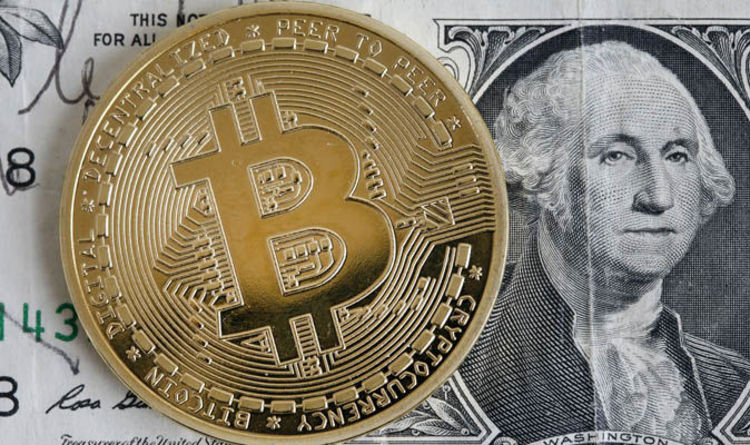
Buying Bitcoin in New Zealand is becoming increasingly popular, driven by its rising global adoption. This guide delves into the specifics of acquiring Bitcoin in the New Zealand market, covering various platforms, methods, regulations, and crucial security considerations. We’ll examine the landscape, offering a comprehensive understanding of the process.

From the historical context of Bitcoin’s presence in New Zealand to the latest trends, this resource aims to equip readers with the knowledge to navigate the complexities of buying Bitcoin safely and effectively within the New Zealand framework.

Introduction to Bitcoin in New Zealand

Bitcoin’s adoption in New Zealand, while not as widespread as in some other countries, has steadily grown over the years. Early adopters saw opportunities in the digital currency’s potential, while others have been cautious due to the volatility and regulatory complexities. This evolution reflects the broader global trend of cryptocurrency adoption, with varying levels of acceptance and understanding across different communities.The current state of Bitcoin use in New Zealand shows a mix of institutional and individual participation.

While significant adoption is not yet present, the presence of cryptocurrency exchanges and increasing interest in digital assets indicate growing awareness and a potential for further expansion. This evolving landscape presents opportunities for investment and innovation, but also challenges in terms of security and regulation.

History of Bitcoin Adoption in New Zealand

Early Bitcoin adoption in New Zealand was largely driven by the same factors that influenced global interest: the desire for alternative financial systems and the allure of potential high returns. Early adopters often saw Bitcoin as a way to bypass traditional financial institutions, though this has evolved to encompass more nuanced motivations. The early years saw some businesses experimenting with Bitcoin payments, but broader mainstream adoption remained limited.

More recently, increasing media attention and educational resources have increased public understanding of Bitcoin, though challenges persist in establishing widespread acceptance.

Current State of Bitcoin Use in New Zealand

Currently, Bitcoin use in New Zealand is multifaceted. While not a dominant payment method, a growing number of individuals and businesses are engaging with Bitcoin, either for investment or as a form of payment. The availability of regulated exchanges and increased public awareness have fostered this engagement. However, significant challenges remain in terms of mainstream acceptance and widespread understanding.

Reasons for Considering Buying Bitcoin in New Zealand

Individuals in New Zealand might consider purchasing Bitcoin for various reasons. The allure of potentially high returns, coupled with the desire for alternative investment avenues, drives many investors. Additionally, Bitcoin’s decentralized nature can appeal to those seeking financial autonomy and freedom from traditional financial systems. Moreover, the growing number of businesses accepting Bitcoin for payment presents a practical use case for the currency.

Furthermore, Bitcoin’s perceived resilience to economic downturns is another key consideration for potential investors.

Methods for Buying Bitcoin in New Zealand

Several methods exist for purchasing Bitcoin in New Zealand. The most common approach is through online cryptocurrency exchanges, which provide a platform for buying and selling Bitcoin with other users. These platforms often offer various payment methods, including bank transfers and credit/debit cards. Other methods include peer-to-peer (P2P) exchanges, where individuals can directly exchange Bitcoin with each other.

This route can be less regulated but offers more flexibility.

Comparison of Bitcoin Exchange Platforms in New Zealand

Platform Name Fees Security Features User Reviews
Platform A 0.5% – 1.5% Multi-factor authentication, cold storage Generally positive, with some complaints about customer support response times.
Platform B 1% – 2% 2-factor authentication, insurance coverage Mixed reviews, with some users highlighting ease of use, while others express concern about transaction speeds.
Platform C 0.75% – 1.25% Advanced security protocols, audit trails Highly rated for security and user experience.

Note: Fees and security features can vary depending on the specific transaction and platform. User reviews are collected from various online sources and reflect the overall user experience.

Buying Bitcoin in New Zealand

Bitcoin’s growing popularity in New Zealand has spurred the emergence of various platforms for acquiring it. Understanding the different options, their associated fees, and security protocols is crucial for making informed decisions. This section delves into the available platforms, payment methods, and account setup procedures.

Available Bitcoin Platforms in New Zealand

Several platforms facilitate Bitcoin purchases in New Zealand. These platforms vary in their features, fees, and security measures. Choosing the right platform depends on individual needs and risk tolerance. Some prominent options include reputable exchanges catering specifically to the New Zealand market, as well as internationally recognized platforms with New Zealand-accessible services.

Comparison of Bitcoin Platforms

Different platforms offer varying levels of service and features. For instance, some platforms might have lower fees but potentially less robust security measures compared to others. Crucially, consider factors such as transaction fees, security protocols, customer support, and user experience when evaluating platforms. Comparing platforms allows you to choose one that aligns with your requirements.

Payment Methods for Bitcoin Purchases

Numerous payment methods are available for purchasing Bitcoin in New Zealand. Common options include credit cards, bank transfers, and other digital payment systems. The selection of payment methods can influence the ease and speed of your purchase.

Setting Up a Bitcoin Exchange Account

Setting up an account on a New Zealand Bitcoin exchange generally involves a few steps. These steps usually include providing personal information, verifying your identity, and linking a payment method. The process is typically straightforward but varies slightly depending on the chosen platform.

Step-by-Step Guide: Buying Bitcoin

To purchase Bitcoin using a credit card or bank transfer, follow these steps:

  1. Choose a reputable Bitcoin exchange platform.
  2. Create an account and verify your identity.
  3. Link your payment method (credit card or bank account).
  4. Specify the amount of Bitcoin you wish to purchase.
  5. Initiate the transaction.
  6. Confirm the transaction on your payment method.
  7. The Bitcoin will be credited to your account.

Methods to Buy Bitcoin in New Zealand

Different methods have varying pros and cons. The ease of use also differs significantly. The table below provides a concise comparison:

Method Pros Cons Ease of Use
Credit Card Convenience, wide availability Higher fees, potential security risks if not done through secure platforms Medium
Bank Transfer Lower fees compared to credit cards, more secure Slower transaction times, requires bank account High
Prepaid cards Convenience, wide availability Fees and limited transaction limits, potential security risks Medium
Crypto debit cards Convenience, wide availability, integration with existing bank accounts Fees and limited transaction limits, security depends on the provider High

Bitcoin Regulations and Legal Considerations in New Zealand

Bitcoin’s emergence in New Zealand presents a unique blend of opportunity and uncertainty. While the country embraces innovation, a clear legal framework is still evolving to accommodate this emerging technology. This necessitates careful consideration for both investors and businesses engaging with Bitcoin.

Legal Framework Surrounding Bitcoin

New Zealand’s legal framework for Bitcoin is not specifically tailored to cryptocurrencies. Instead, existing laws and regulations are applied, potentially creating ambiguities. This means that Bitcoin transactions and holdings might fall under existing laws concerning property, contracts, and financial instruments, depending on the specific context. For example, if Bitcoin is used as payment for goods or services, existing consumer protection laws may apply.

The lack of a dedicated cryptocurrency law can make it challenging to establish precise legal interpretations.

Tax Implications of Bitcoin Ownership and Trading

New Zealand’s tax laws classify Bitcoin as a capital asset. This implies that gains or losses from Bitcoin transactions are treated as capital gains or losses, subject to the applicable tax rates. The specific tax rate depends on the holding period of the Bitcoin and the investor’s overall tax bracket. Tax reporting obligations are crucial, and failure to comply with these regulations can result in penalties.

For example, individuals who hold Bitcoin for a period exceeding 12 months are taxed at lower rates compared to those who hold it for a shorter period.

Regulatory Landscape Concerning Cryptocurrency Exchanges

Cryptocurrency exchanges operating in New Zealand are subject to existing financial regulations. This means they must comply with requirements related to anti-money laundering (AML) and know-your-customer (KYC) procedures. The Financial Markets Authority (FMA) plays a crucial role in overseeing these exchanges and ensuring compliance. These regulations are vital to preventing illicit activities and maintaining market integrity.

Government Initiatives and Policies Related to Bitcoin

Currently, there are no specific government initiatives or policies directly addressing Bitcoin in New Zealand. This absence of dedicated policies highlights the evolving nature of the regulatory landscape and the need for future guidance. The lack of clear guidelines may create challenges for both investors and businesses.

Potential Risks Associated with Buying Bitcoin in New Zealand

Investing in Bitcoin involves inherent risks. Market volatility, security concerns, and regulatory uncertainties can all affect the value of Bitcoin holdings. Furthermore, the absence of specific protections for Bitcoin investors in New Zealand can leave individuals vulnerable. The fluctuating nature of Bitcoin’s value is a significant risk, and past performance is not indicative of future results. For example, significant price drops can lead to substantial losses.

Summary of Key Regulations and Laws

Regulation Type Description Implications
Existing Financial Laws Existing laws like consumer protection, property law, and financial instrument regulations apply to Bitcoin transactions. Investors and businesses must understand how these laws affect Bitcoin activities. Ambiguity can arise regarding specific applications.
Tax Laws (Capital Assets) Bitcoin is classified as a capital asset, subject to capital gains/losses taxation. Investors must accurately report Bitcoin gains/losses for tax purposes. Incorrect reporting may result in penalties.
Financial Regulations (AML/KYC) Cryptocurrency exchanges operating in New Zealand must adhere to anti-money laundering and know-your-customer requirements. Exchanges face compliance obligations and potential penalties for non-compliance.

Security and Risk Management When Buying Bitcoin

New Zealand. Money and Bitcoin Stock Photo - Image of virtual, bitcoin ...

Securing your Bitcoin holdings is paramount, as the cryptocurrency market is susceptible to various threats. A robust security strategy encompasses safeguarding your private keys, choosing reliable platforms, and understanding potential scams. Neglecting these precautions can lead to significant financial losses.Implementing proper security measures is crucial to mitigate risks and protect your investments. This involves not only choosing secure platforms but also understanding the intricacies of cold storage, recognizing scams, and understanding the risks associated with different payment methods.

Importance of Robust Security Measures

Protecting your Bitcoin involves a multi-faceted approach. A single vulnerability can expose your holdings to theft or loss. Understanding the risks and implementing preventative measures is essential for safeguarding your investment.

Security Measures for Bitcoin Holdings

Several security measures can bolster your Bitcoin holdings’ protection. These measures involve safeguarding your private keys, choosing reliable platforms, and understanding potential scams.

  • Strong Passwords and Two-Factor Authentication (2FA): Employing strong, unique passwords for all accounts is crucial. Enable 2FA wherever possible to add an extra layer of security, preventing unauthorized access even if a password is compromised.
  • Regular Security Audits: Periodically reviewing your security practices and updating them based on evolving threats is vital. Staying informed about new vulnerabilities and adapting your strategies accordingly is key.
  • Avoiding Phishing and Scams: Be wary of unsolicited emails, messages, or websites claiming to offer high returns or easy Bitcoin gains. Verify the authenticity of any requests for your personal information or funds.

Cold Storage Solutions

Cold storage, often referred to as offline storage, is a critical component of a robust security strategy. It involves storing your private keys offline, minimizing the risk of online hacking or malware attacks.

  • Hardware Wallets: These devices store your private keys offline, providing a secure way to store and manage your Bitcoin holdings. They are designed to be physically isolated from the internet, mitigating cyber threats.
  • Paper Wallets: These wallets involve printing your private keys onto paper. This method offers a high level of security, provided the paper is stored securely. It’s important to safeguard the paper wallet from damage and theft.

Risks Associated with Exchanges and Payment Methods

Choosing reliable exchanges and payment methods is crucial for minimizing risks. Reputable exchanges often have security protocols and insurance policies in place.

  • Exchange Security: Choose reputable exchanges known for their robust security measures. Look for exchanges that implement multi-factor authentication, encryption, and other security protocols. Evaluate their track record in handling security incidents and their user reviews.
  • Payment Method Security: Assess the security of your chosen payment methods. Use reputable payment processors or explore options that provide extra layers of security.

Identifying and Avoiding Bitcoin Scams

Scams targeting Bitcoin investors are prevalent. Identifying and avoiding these scams requires vigilance and skepticism.

  • High-Return Promises: Be wary of offers promising exceptionally high returns on your Bitcoin investments. Legitimate investment opportunities rarely come with unrealistic guarantees.
  • Urgent Requests: Be cautious of requests for immediate action, especially if they involve large sums of money or transferring funds to unknown accounts. Take your time to thoroughly vet any requests.

Security Best Practices for Buying Bitcoin in New Zealand

Practice Description Impact
Strong Passwords and 2FA Utilize strong, unique passwords and enable 2FA wherever possible. Reduces the risk of unauthorized access.
Regular Security Audits Periodically review and update security practices. Keeps your security measures up-to-date.
Cold Storage Store private keys offline using hardware or paper wallets. Significantly reduces the risk of online attacks.
Reputable Exchanges Use reputable exchanges with strong security measures. Reduces the risk of theft or fraud.
Verify Information Thoroughly vet any requests for information or funds. Helps to avoid scams.

Buying Bitcoin

Bitcoin, a decentralized digital currency, can be purchased through various methods and platforms globally. Understanding the process, common platforms, and market trends is crucial for anyone considering buying Bitcoin. This section provides a comprehensive overview of Bitcoin purchasing, including the steps involved, popular methods, and factors influencing the price.

The Bitcoin Purchasing Process

The process of acquiring Bitcoin generally involves several stages, from selecting a platform to completing the transaction. These stages are broadly similar across different platforms but may vary slightly in specific details.

Common Methods for Buying Bitcoin

A multitude of methods exist for purchasing Bitcoin, catering to diverse preferences and needs. The most common include:

  • Exchange Platforms: These platforms provide a secure marketplace for buying and selling Bitcoin. Users can typically deposit funds into their accounts using various payment methods, then execute trades to acquire Bitcoin. Platforms like Coinbase, Kraken, and Binance are popular examples.
  • Brokerage Accounts: Some brokerage firms allow customers to purchase and hold Bitcoin as part of their investment portfolios. These accounts often integrate with existing trading platforms and offer a familiar interface for managing digital assets.
  • Peer-to-Peer (P2P) Platforms: P2P platforms facilitate direct transactions between buyers and sellers. These platforms typically rely on escrow services to ensure secure transactions. This method often involves more direct negotiation and verification compared to exchange platforms.
  • Bitcoin ATMs: Bitcoin ATMs provide a physical interface for purchasing Bitcoin using cash. They are becoming increasingly common in various locations worldwide, offering a readily accessible option for acquiring Bitcoin.

Global Bitcoin Market Trends and Statistics

The Bitcoin market exhibits fluctuations in price and trading volume. Global adoption and regulatory developments significantly impact the market’s trajectory. For example, increased adoption in emerging markets can lead to increased demand and corresponding price rises. Conversely, regulatory uncertainties can sometimes cause price volatility. Historical data and market analysis reveal periods of significant growth and decline, alongside periods of relative stability.

This volatility is a key characteristic of the market.

Factors Influencing Bitcoin’s Global Price

Numerous factors influence the price of Bitcoin, including market sentiment, regulatory developments, technological advancements, and adoption rates. For instance, news regarding potential government regulations can dramatically affect market confidence and lead to price fluctuations. Technological advancements, such as the introduction of new features or protocols, can also impact Bitcoin’s value. Investor confidence and public perception play a significant role, as do adoption rates within different industries and geographies.

Furthermore, the supply and demand dynamics for Bitcoin contribute significantly to its price fluctuations.

Comparison of Bitcoin Buying Processes on Different Exchanges

Exchange Process Steps Average Time (Days)
Coinbase 1. Account creation, 2. Funds deposit, 3. Order placement 1-2
Binance 1. Account creation, 2. Funds deposit, 3. Verification, 4. Order placement 2-3
Kraken 1. Account creation, 2. KYC verification, 3. Funds deposit, 4. Order placement 1-3
LocalBitcoins 1. Account creation, 2. Negotiation with seller, 3. Payment, 4. Verification Variable, 1-7+

Note: Average times are approximate and can vary significantly based on individual circumstances and platform requirements.

Last Point

In conclusion, buying Bitcoin in New Zealand presents both opportunities and challenges. Understanding the available platforms, payment methods, and regulatory environment is key to making informed decisions. By prioritizing security and researching different options, you can successfully navigate the process and potentially benefit from the potential of Bitcoin investments. Remember, careful consideration and thorough research are essential when engaging in any financial transaction.

Questions Often Asked

What are the common methods for buying Bitcoin in New Zealand?

Common methods include using cryptocurrency exchanges, peer-to-peer platforms, and buying through specialized retailers. Each method presents varying degrees of security and ease of use.

What are the tax implications of owning and trading Bitcoin in New Zealand?

Tax laws regarding Bitcoin are constantly evolving. Consult with a financial advisor to understand the current tax implications, as they may vary depending on your individual circumstances.

What security measures should I consider when buying and storing Bitcoin?

Strong passwords, two-factor authentication, and cold storage solutions are crucial. Never share your private keys, and be wary of suspicious emails or websites.

What are the potential risks associated with buying Bitcoin in New Zealand?

Risks include market volatility, scams, and security breaches. Thorough research and careful consideration are essential.

Seeking ways to acquire Bitcoin at potentially lower prices? This guide dives deep into the strategies and considerations for buying Bitcoin affordably. We’ll explore the complexities of Bitcoin’s fluctuating value, diverse purchase methods, and various investment strategies. From understanding market trends to comparing exchange fees, this comprehensive resource will equip you with the knowledge to navigate the world of Bitcoin purchases.

This comprehensive guide to buying Bitcoin for cheap will analyze factors affecting Bitcoin’s price, examining the various methods available and comparing fees and security measures. We’ll also delve into investment strategies and risk assessment, ultimately helping you make informed decisions about Bitcoin as an investment.

Understanding Bitcoin’s Value Fluctuation

Bitcoin’s price has exhibited extreme volatility throughout its history, making it a challenging asset to value. This unpredictable nature stems from a complex interplay of factors, making accurate prediction difficult. Understanding these fluctuations is crucial for anyone considering investing in Bitcoin.Bitcoin’s price has seen dramatic swings, ranging from substantial gains to sharp declines. Early adopters witnessed significant appreciation, but more recent years have presented periods of both substantial growth and sharp corrections.

This volatility necessitates a careful approach to investment strategies.

Historical Overview of Bitcoin Price Volatility

Bitcoin’s price has experienced substantial fluctuations since its inception. Early years saw rapid price increases, followed by periods of consolidation and even decline. The 2017 bull run and the subsequent bear market, as well as the more recent price movements, illustrate the unpredictable nature of the market. These fluctuations are a key characteristic of Bitcoin and should be considered by potential investors.

Factors Influencing Bitcoin’s Price Fluctuations

Several factors contribute to Bitcoin’s price volatility. Market sentiment, influenced by news events and social media discussions, plays a significant role. Regulatory developments, both globally and in specific jurisdictions, can significantly impact investor confidence and subsequently the price. Technological advancements and innovations in the blockchain space also influence market perception and investment decisions. Finally, trading volume and the actions of large institutional investors are key drivers in shaping Bitcoin’s price.

Market Analysis Methods for Predicting Price Movements

Various market analysis methods are employed to predict Bitcoin price movements. Fundamental analysis examines underlying factors, such as network adoption, transaction volume, and technological advancements. Technical analysis focuses on price charts and historical patterns to identify potential trends. Quantitative analysis uses mathematical models and algorithms to forecast price movements based on historical data. Each method has its strengths and limitations, which will be explored further.

Comparison of Bitcoin Price Prediction Methods

Method Methodology Accuracy Limitations
Fundamental Analysis Examines underlying factors like network adoption and technological advancements. Moderately accurate when assessing long-term trends. Difficult to quantify the impact of various factors and susceptible to subjective interpretations.
Technical Analysis Identifies patterns and trends in price charts and historical data. Potentially accurate for short-term predictions, but accuracy decreases over longer timeframes. Relies on historical data, which may not reflect future market conditions, and can be misleading.
Quantitative Analysis Employs mathematical models and algorithms to forecast price movements. Can offer precise estimations based on historical data, but is limited by the accuracy of the model. Models are susceptible to market anomalies and require extensive historical data for reliable predictions.
Sentiment Analysis Analyzes social media discussions, news articles, and other sources to gauge market sentiment. Can provide insight into short-term trends, but is highly subjective and susceptible to manipulation. Difficult to quantify sentiment accurately, and often lags behind actual price movements.

The Concept of “Cheap” in the Context of Bitcoin’s Volatility

The term “cheap” in relation to Bitcoin is highly context-dependent. Given the inherent volatility, what constitutes a “cheap” price today might be significantly different tomorrow. There is no single, universally agreed-upon metric for determining when Bitcoin is a good value. Investors must carefully consider the risks and rewards associated with Bitcoin’s volatility before making any investment decisions.

Exploring Bitcoin Purchase Methods

Acquiring Bitcoin involves navigating various platforms and understanding the associated procedures. This section details different methods for purchasing Bitcoin, including the steps involved, fees, and crucial security considerations. Choosing the right platform and adhering to best practices are vital for a secure and efficient Bitcoin transaction.

Available Bitcoin Purchase Platforms

Different platforms cater to diverse needs and preferences. This variety includes cryptocurrency exchanges, brokerage platforms, and peer-to-peer marketplaces. Each platform offers its own set of features, transaction processes, and pricing structures. Understanding these differences is key to selecting a suitable platform for your individual requirements.

  • Cryptocurrency Exchanges: Exchanges like Coinbase, Kraken, and Binance are popular platforms for buying and selling Bitcoin. They typically offer a wide range of cryptocurrencies and provide advanced trading tools. Their user-friendly interfaces and extensive features often attract both novice and experienced investors.
  • Brokerage Platforms: Some brokerage firms now incorporate Bitcoin trading into their services. This often involves integrating with established cryptocurrency exchanges to facilitate the buying and selling of Bitcoin. These platforms typically provide brokerage services for traditional assets alongside cryptocurrencies.
  • Peer-to-Peer (P2P) Marketplaces: Platforms like LocalBitcoins enable direct transactions between buyers and sellers. This allows for potentially lower fees compared to exchanges, but it carries greater risk due to the direct interaction with individuals. Thorough due diligence is crucial when considering P2P transactions.

Steps for Bitcoin Purchase

The process for purchasing Bitcoin varies depending on the chosen platform. However, common steps often include account creation, funding the account, and placing a purchase order.

  1. Account Creation: Create an account on the chosen platform, providing necessary personal information and verifying your identity. This verification process is often mandated for compliance and security purposes.
  2. Funding the Account: Fund your account using various methods, such as bank transfers, debit/credit cards, or other digital payment methods. Ensure you understand the fees associated with each funding option.
  3. Placing the Order: Specify the amount of Bitcoin you wish to purchase and initiate the transaction. Confirm the details carefully before completing the purchase.

Fees Associated with Purchase Methods

Fees associated with Bitcoin purchases vary across different platforms. These fees can include trading fees, platform fees, and transaction fees. It’s crucial to compare the fees offered by different platforms to identify the most cost-effective option.

  • Trading Fees: Exchanges typically charge trading fees, which are usually a percentage of the transaction value. These fees vary significantly between exchanges, with some offering tiered or discounted rates for high-volume traders.
  • Platform Fees: Some platforms may charge additional fees for account maintenance or specific services. Review the platform’s fee structure thoroughly to avoid unexpected costs.
  • Transaction Fees: The fees charged by the underlying payment networks for transactions can also impact the overall cost of purchasing Bitcoin.

Security Precautions

Protecting your Bitcoin investments is paramount. Implementing robust security measures is vital to avoid financial losses.

  • Strong Passwords: Use unique, strong passwords for your platform accounts and enable two-factor authentication (2FA) whenever possible. This adds an extra layer of security by requiring a second verification step beyond a password.
  • Regular Monitoring: Regularly monitor your account activity and transactions to identify any suspicious activity. Promptly report any anomalies to the platform support team.
  • Secure Storage: Store your Bitcoin securely. Do not rely solely on the platform’s security measures. Consider using a hardware wallet for offline storage of your private keys, safeguarding your investment from potential breaches.

Comparison of Bitcoin Exchanges

The following table provides a concise comparison of popular Bitcoin exchanges, considering fees, security measures, and user reviews.

Exchange Fees Security User Reviews
Coinbase Competitive, tiered structure High security standards, multi-factor authentication Generally positive, user-friendly interface
Kraken Competitive, tiered structure Strong security measures, cold storage Positive, appreciated for advanced trading features
Binance Competitive, often lower for high-volume Robust security infrastructure Mixed reviews, popular but with some reported issues
Gemini Competitive, transparent fees High security protocols Positive, notable for its user-friendly interface and security focus

Assessing Bitcoin Investment Strategies

How to Buy Bitcoin

Bitcoin investment strategies encompass a wide array of approaches, each with its own set of risks and rewards. Understanding these nuances is crucial for navigating the volatile cryptocurrency market and making informed decisions. Successful investors often adapt their strategies based on market conditions and personal risk tolerance.Different strategies for Bitcoin investment leverage various market conditions and investor profiles.

Investors need to carefully consider the potential for substantial gains or significant losses, and tailor their approach to their individual circumstances. Diversification and risk management are paramount in any investment strategy.

Investment Strategy Approaches

Various strategies are available for Bitcoin investment, each with its own characteristics. Understanding these approaches will aid in selecting the most suitable strategy.

  • Hodling: This strategy involves holding Bitcoin for an extended period, typically with the expectation of long-term appreciation. Hodling often requires significant patience and a high risk tolerance, as Bitcoin’s price can fluctuate substantially. The success of hodling hinges on the investor’s ability to endure periods of price volatility.
  • Day Trading: This strategy focuses on short-term price fluctuations, aiming to profit from relatively small price movements within a single day. It necessitates a deep understanding of market dynamics and a quick response to changing conditions. The reward potential is high, but so is the risk, as substantial losses are possible if the trade goes against the trader.
  • Dollar-Cost Averaging (DCA): DCA involves investing a fixed amount of money in Bitcoin at regular intervals, regardless of the current market price. This strategy helps mitigate the risk associated with investing large sums at a potentially unfavorable price. It reduces the impact of volatility by spreading investments over time.
  • Swing Trading: Swing trading involves holding Bitcoin for a period of several days or weeks, capitalizing on larger price swings. It necessitates an understanding of market trends and technical analysis, allowing for profitable transactions. The success of swing trading relies on accurately predicting market movements and managing risk effectively.
  • Algorithmic Trading: This approach leverages computer programs to automate trading decisions based on pre-defined parameters and market data. It can offer greater speed and efficiency than manual trading, but it also carries the risk of unintended consequences if the algorithms fail to account for unforeseen market events. Algorithmic trading requires sophisticated programming skills and a thorough understanding of market mechanics.

Risks and Rewards Analysis

Each strategy comes with its own set of risks and rewards. A balanced understanding of these aspects is critical for a sound investment approach.

  • Hodling: The potential for substantial gains over the long term is high, but the investment is vulnerable to significant price drops. The investor needs a strong risk tolerance and the ability to withstand potential periods of substantial price declines.
  • Day Trading: Day trading can yield high returns in short periods, but it also exposes investors to rapid losses if market conditions shift unfavorably. The high frequency of transactions and the requirement for constant market monitoring increase the risk.
  • DCA: DCA offers a relatively lower risk approach, averaging out the investment cost over time. However, the returns may not be as substantial as other strategies, depending on market performance.
  • Swing Trading: Swing trading offers the potential for moderate returns, but it requires skill and knowledge of market analysis. It is less risky than day trading but still subject to price fluctuations.
  • Algorithmic Trading: Algorithmic trading has the potential for high returns and efficiency, but the dependence on automated systems creates risks associated with malfunctioning algorithms or unforeseen market events. The success of this strategy is highly dependent on the quality of the algorithm and its adaptability to changing market conditions.

Comparison of Strategies

A comparative analysis of various strategies aids in selecting the most appropriate approach.

Strategy Risk Reward Key Considerations
Hodling High High (long-term potential) Patience, risk tolerance, long-term outlook
Day Trading Very High High (short-term potential) Market expertise, quick reflexes, high transaction costs
DCA Moderate Moderate Consistency, time horizon, market conditions
Swing Trading High Moderate Market analysis, timing, risk management
Algorithmic Trading High High (potential) Technical expertise, algorithm robustness, market adaptability

Evaluating Bitcoin’s Potential as an Investment

Bitcoin’s volatile nature presents both enticing opportunities and significant risks for investors. Understanding the potential upsides and downsides is crucial before considering Bitcoin as part of an investment portfolio. A balanced perspective, acknowledging both the potential for substantial gains and the risk of substantial losses, is essential for informed decision-making.Investing in Bitcoin, like any other asset, involves a complex interplay of potential benefits and inherent risks.

It’s not a get-rich-quick scheme, but rather a highly speculative investment that requires careful consideration of its inherent volatility.

Potential Benefits of Investing in Bitcoin

Bitcoin’s decentralized nature and potential for high returns have attracted many investors. Its limited supply, a key feature of many cryptocurrencies, contributes to the belief that its value could increase over time. Furthermore, its global reach and acceptance as a payment method in some sectors suggest a growing demand.

  • Decentralized Nature: Bitcoin’s lack of central control allows for greater financial freedom and potentially reduced vulnerability to government interventions. This characteristic appeals to those seeking an alternative to traditional financial systems.
  • Potential for High Returns: Historically, Bitcoin has experienced periods of significant price appreciation. However, these periods are often accompanied by substantial price drops. Past performance does not guarantee future results.
  • Global Reach: Bitcoin’s acceptance as a payment method in some sectors and countries suggests a growing global demand, potentially contributing to its value.

Potential Drawbacks and Risks

Bitcoin’s price volatility is a significant concern. It’s known for dramatic fluctuations, potentially leading to substantial losses. The regulatory environment surrounding cryptocurrencies is still developing and evolving, creating uncertainty. Security risks, such as hacking and theft, are also significant considerations.

  • Price Volatility: Bitcoin’s price can fluctuate drastically in short periods. This volatility presents a substantial risk to investors, potentially leading to substantial losses if not carefully managed.
  • Regulatory Uncertainty: The evolving regulatory environment surrounding cryptocurrencies presents uncertainty for investors. Different jurisdictions have different regulations, and there’s no global consensus.
  • Security Risks: Bitcoin transactions and wallets are susceptible to hacking and theft. Cybersecurity measures are crucial for safeguarding investments.

Perspectives on Bitcoin’s Future as an Investment

Predicting the future of Bitcoin is inherently speculative. Various factors, including technological advancements, regulatory changes, and market sentiment, could influence its trajectory. A balanced perspective acknowledges the potential for both substantial gains and losses.

  • Technological Advancements: Bitcoin’s underlying blockchain technology is continuously evolving. New applications and functionalities might emerge, impacting its future value.
  • Regulatory Changes: The regulatory landscape for cryptocurrencies is in flux. Clearer regulations could increase investor confidence, or they could negatively impact the market.
  • Market Sentiment: Public perception and investor confidence play a significant role in Bitcoin’s price. Positive sentiment often correlates with price increases, and negative sentiment can cause declines.

Importance of Thorough Research Before Investing

Investing in Bitcoin, or any other asset, requires thorough research and understanding. It’s essential to evaluate your risk tolerance, understand the associated risks, and make informed decisions. A well-researched approach minimizes potential losses and maximizes the chances of success.

  • Risk Tolerance Assessment: Investors should evaluate their comfort level with risk before allocating capital to Bitcoin. High-risk investments are not suitable for all individuals.
  • Understanding Risks: Investors should thoroughly research and understand the various risks associated with Bitcoin, including price volatility, regulatory uncertainty, and security risks.
  • Informed Decision-Making: Thorough research and understanding of the market are essential for making informed decisions. It’s crucial to avoid impulsive investment choices.

Examining “Buy Bitcoin” Practices

Acquiring Bitcoin involves a range of methods, each with its own advantages and drawbacks. Understanding these methods, the intermediaries involved, and the associated security measures is crucial for navigating the Bitcoin market safely and effectively. This section details the various approaches to purchasing Bitcoin, emphasizing the importance of informed decision-making and proactive security measures.

Bitcoin Purchase Methods

Different methods cater to varying needs and risk tolerances. Direct exchanges facilitate seamless transactions but often require a degree of technical familiarity. Third-party platforms provide a user-friendly interface, typically handling the complexities of the transaction process. Peer-to-peer (P2P) exchanges offer direct connections between buyers and sellers, potentially enabling lower fees but demanding greater caution in verifying the legitimacy of the counterparty.

Role of Intermediaries

Exchanges and brokers act as intermediaries in Bitcoin transactions, providing a platform for buyers and sellers to connect. They handle the security of funds, facilitating transactions and managing the digital ledger. Choosing reputable intermediaries with robust security protocols is vital to mitigate risks. These intermediaries often employ advanced security measures to safeguard customer funds and transactions.

Bitcoin Transaction Processes

Bitcoin transactions utilize cryptographic technology to verify and record transactions on a public ledger, the blockchain. These transactions are verified by a network of computers, and once validated, they are permanently recorded on the blockchain. The process involves generating a unique transaction ID, which acts as a record of the transaction’s details. This ensures transparency and immutability, making it difficult to alter or reverse valid transactions.

Security Measures Employed by Bitcoin Platforms

Secure platforms employ various measures to protect user funds and transactions. These include multi-factor authentication (MFA), advanced encryption techniques, and regular security audits. Strong passwords, frequent software updates, and vigilance against phishing attempts are crucial user responsibilities. User education plays a critical role in fostering awareness of potential threats and encouraging safe practices.

Security Best Practices for Buying Bitcoin

Practice Description Importance Example
Strong Passwords Use unique, complex passwords for all Bitcoin accounts and platforms. Protects accounts from unauthorized access. A password incorporating uppercase and lowercase letters, numbers, and symbols.
Two-Factor Authentication (2FA) Enable 2FA wherever possible to add an extra layer of security. Significantly enhances account security. Using a mobile authenticator app or a security key.
Regular Account Monitoring Regularly review account activity for any suspicious transactions. Allows early detection of fraudulent activities. Checking transaction history and balance regularly.
Avoid Phishing Scams Be wary of emails or messages requesting personal information or login credentials. Prevents unauthorized access to accounts. Verify the authenticity of any communication before responding.

Comparing Bitcoin Prices Across Exchanges

Bitcoin’s price is not a fixed value across all cryptocurrency exchanges. Variations in pricing reflect a complex interplay of market dynamics, exchange-specific factors, and trading volume. Understanding these discrepancies is crucial for informed investment decisions.

Price Discrepancies Across Exchanges

Different exchanges employ various pricing models, which can lead to noticeable price differences. These discrepancies are often influenced by factors such as the exchange’s liquidity, trading volume, and specific order book structure. Exchanges with high trading volume tend to have tighter spreads, meaning the difference between the bid and ask price is smaller, which results in a more accurate reflection of the market price.

Conversely, exchanges with lower trading volume might exhibit wider price spreads. Furthermore, different exchanges might have varying fees and transaction costs, which indirectly affect the displayed price.

Factors Contributing to Price Differences

Several factors contribute to the divergence in Bitcoin prices across exchanges. Exchange liquidity plays a critical role. Exchanges with robust trading volumes generally offer more accurate pricing, as the continuous flow of buy and sell orders narrows the spread between the bid and ask prices. Exchange fees and commissions are another influential factor. These costs, while often small in percentage terms, can accumulate over time and affect the perceived cost of purchasing Bitcoin.

Trading volume and order book structure, along with market sentiment and overall market conditions, also contribute to these differences.

Impact of Exchange Fees on Perceived Cost

Exchange fees, though typically a small percentage of the transaction value, can significantly impact the overall cost of purchasing Bitcoin. These fees are deducted from the transaction amount, effectively increasing the price a buyer pays. For instance, a 0.5% fee on a $10,000 Bitcoin purchase adds $50 to the final cost. It’s essential to consider these fees when comparing prices across different exchanges.

Arbitrage Opportunities in Bitcoin Trading

Arbitrage opportunities arise when identical assets are traded at different prices on different exchanges. This allows traders to profit by buying at a lower price on one exchange and selling at a higher price on another. However, these opportunities are often fleeting, as price discrepancies quickly vanish due to market forces. The time required to execute the trades and the associated transaction costs frequently diminish any potential profit.

Bitcoin Price Comparison Table

This table illustrates Bitcoin prices across several exchanges at a specific point in time. Note that prices are constantly fluctuating, and this snapshot is not representative of real-time data.

Exchange Price (USD) Date Time
Exchange A 26,500 2024-10-27 10:00 AM EST
Exchange B 26,550 2024-10-27 10:00 AM EST
Exchange C 26,450 2024-10-27 10:00 AM EST
Exchange D 26,520 2024-10-27 10:00 AM EST

Understanding Bitcoin’s Technical Aspects

Bitcoin’s success hinges on its robust technical foundation, which underpins its decentralized and secure nature. This technology, built on cryptographic principles and a distributed ledger, allows for secure transactions and peer-to-peer interactions without relying on intermediaries. Understanding these technical aspects is crucial for evaluating Bitcoin’s potential and risks.Bitcoin’s core strength lies in its blockchain technology, a distributed, immutable ledger that records every transaction.

This shared record, replicated across the network, makes tampering nearly impossible, fostering trust and transparency. The cryptographic methods used further enhance security, while the mining process ensures the integrity and validity of transactions.

Bitcoin’s Blockchain Technology

Bitcoin’s blockchain acts as a public, shared ledger that records every transaction in a chronological sequence. Each block in the chain contains a timestamp, transaction data, and a cryptographic hash linking it to the previous block. This chain’s immutability is a cornerstone of Bitcoin’s security. The distributed nature of the blockchain means that no single entity controls it, making it resistant to censorship and single points of failure.

Cryptographic Methods in Bitcoin

Bitcoin employs various cryptographic techniques to secure transactions and control the creation of new Bitcoins. These methods include digital signatures, hashing algorithms, and elliptic curve cryptography. Digital signatures ensure that transactions originate from the claimed sender, while hashing algorithms create unique fingerprints for each block, preventing alterations. Elliptic curve cryptography is used for key generation and verification, adding another layer of security to the network.

The combination of these methods forms a robust security framework.

Bitcoin’s Mining Process

The process of adding new blocks to the blockchain is called mining. Miners use specialized hardware to solve complex mathematical problems, validating transactions and adding them to the chain. The reward for successfully solving these problems is a predetermined amount of newly minted Bitcoins. This process is crucial for maintaining the network’s integrity and security, as miners compete to add the next block to the chain.

This process also plays a role in controlling the supply of Bitcoin, as new coins are released at a predetermined rate.

Role of Bitcoin Nodes

Bitcoin nodes are computers that participate in the Bitcoin network by storing and disseminating the blockchain. They verify transactions and ensure that the entire network operates seamlessly. Each node acts as a replica of the entire blockchain, contributing to the network’s resilience and decentralization. This distributed architecture is a key factor in Bitcoin’s robustness.

Key Bitcoin Technical Concepts

Concept Description Significance Example
Blockchain A distributed, immutable ledger of all Bitcoin transactions. Provides transparency and security by recording all transactions in a permanent, verifiable way. A transaction from Alice to Bob is recorded on the blockchain, accessible to all participants.
Cryptography The use of mathematical techniques to secure data and transactions. Ensures the integrity and authenticity of transactions and prevents unauthorized access. Digital signatures verify the sender of a transaction.
Mining The process of adding new blocks to the blockchain by solving complex mathematical problems. Validates transactions and adds them to the chain, securing the network. Miners receive a reward for solving these problems.
Bitcoin Node A computer participating in the Bitcoin network by storing and disseminating the blockchain. Ensures the network’s decentralization and resilience, making it resistant to censorship. A user’s computer acting as a Bitcoin node.

Illustrating Bitcoin Price Charts

Bitcoin’s price volatility necessitates a keen understanding of price charts to identify trends and potential opportunities. Analyzing these charts allows investors to make informed decisions, potentially minimizing risk and maximizing returns. This section delves into the interpretation of Bitcoin price charts, focusing on crucial elements and their significance.

Understanding Chart Patterns

Bitcoin price charts, typically displaying price over time, reveal significant patterns. Recognizing these patterns can provide valuable insights into potential price movements. Key patterns often involve trend lines, support and resistance levels, and various formations.

Trend Lines

Trend lines are drawn through significant price points to visually represent the overall direction of price movement. An upward-sloping trend line indicates a bullish trend, while a downward-sloping trend line suggests a bearish trend. These lines act as guides to anticipate future price movements. Deviation from the trend line can signal potential reversals or continuations of the existing trend.

Support and Resistance Levels

Support and resistance levels represent price points where buying and selling pressure often concentrates. Support levels are price points where the price is likely to find buyers, preventing further declines. Resistance levels are price points where selling pressure often occurs, hindering price increases. Identifying these levels aids in anticipating potential price reactions. Historically, these levels have often acted as crucial turning points in Bitcoin’s price trajectory.

Technical Analysis in Bitcoin Trading

Technical analysis involves studying price charts and other market data to predict future price movements. It helps identify patterns and trends that might not be apparent from fundamental analysis alone. Technical analysis tools are used by traders and investors to make informed decisions regarding buying or selling Bitcoin.

Example Bitcoin Price Chart

Imagine a Bitcoin price chart spanning from January 1, 2023, to December 31, 2023. The chart displays a clear upward trend, marked by a rising trend line. Several support levels are evident, with the price consistently bouncing back from these points. Resistance levels are also visible, where price increases are frequently halted. One notable example occurs in the middle of the chart, when the price reached a significant resistance level, causing a brief downward correction before resuming the upward trend.

This example showcases how support and resistance levels can act as crucial signals for potential price reversals or continuations.

Final Review

In conclusion, buying Bitcoin at a potentially advantageous price involves a multifaceted approach. Understanding Bitcoin’s price volatility, comparing various purchase methods, and assessing suitable investment strategies are key elements. This guide has provided a detailed overview, enabling you to make informed choices about acquiring Bitcoin, considering the inherent risks and rewards. Remember, thorough research and careful consideration are crucial before any investment.

General Inquiries

What are the most common methods for buying Bitcoin?

Various platforms and exchanges facilitate Bitcoin purchases, each with its own procedures and fees. Popular choices include cryptocurrency exchanges, brokerage platforms, and peer-to-peer marketplaces. Choosing the right method depends on factors like your comfort level, desired level of security, and transaction fees.

How can I evaluate the security of different Bitcoin exchanges?

Assessing the security of an exchange involves considering factors such as security measures, user reviews, and the exchange’s reputation. Look for exchanges with robust security protocols, verified identity verification procedures, and positive user feedback.

What are some common risks associated with Bitcoin investment?

Bitcoin investment carries inherent risks, including price volatility, security breaches, and regulatory changes. Thorough research, diversification, and risk management strategies are crucial to mitigate potential losses.

What is the impact of exchange fees on the perceived cost of Bitcoin?

Exchange fees directly affect the final cost of acquiring Bitcoin. Comparing fees across different platforms is essential for finding the most cost-effective option, considering the trade-offs between low fees and platform security.