April 17, 2026

Finance

Getting started with cryptocurrencies can seem daunting, but the Binance app simplifies the process of buying Bitcoin and other crypto. This guide provides a comprehensive overview, walking you through the download and initial setup.

From account creation to secure transactions, we’ll cover everything you need to know. We’ll also compare Binance to other platforms and discuss crucial security considerations. Download the Binance app today and start your crypto journey!

Introduction to Binance and Bitcoin

Binance is a global cryptocurrency exchange, renowned for its vast selection of trading pairs and its user-friendly platform. It facilitates the buying, selling, and trading of various cryptocurrencies, including Bitcoin, Ethereum, and many altcoins. Binance is known for its extensive features, including margin trading, lending, and staking opportunities, catering to both novice and experienced traders.Bitcoin, the first and most well-known cryptocurrency, serves as a decentralized digital currency.

It operates independently of central banks and financial institutions, using cryptography for security and transaction verification. Bitcoin’s value is influenced by factors like market demand, supply, and regulatory developments. Its decentralized nature has sparked both excitement and controversy within the financial world.

Binance as a Cryptocurrency Exchange

Binance distinguishes itself through its diverse range of services and robust infrastructure. The platform offers a comprehensive suite of tools for trading, investing, and managing crypto assets. It caters to a global audience, offering support in multiple languages and accommodating various trading styles. Security measures are paramount, with Binance employing advanced technologies to protect user funds and data.

The exchange’s commitment to innovation and user experience has solidified its position as a major player in the cryptocurrency market.

Bitcoin and its Role in the Cryptocurrency Market

Bitcoin’s pioneering role in the cryptocurrency space has had a profound impact. Its decentralized nature and secure transaction system have inspired the development of numerous other cryptocurrencies. Bitcoin’s price volatility, while sometimes extreme, has also generated substantial returns for investors. Its acceptance as a form of payment, though still limited in some regions, signifies its growing influence in the global financial landscape.

Relationship between Binance and Bitcoin

Binance plays a crucial role in facilitating Bitcoin transactions. As one of the largest cryptocurrency exchanges, it provides a platform for Bitcoin trading and exchange with other cryptocurrencies. The liquidity offered by Binance contributes significantly to the overall Bitcoin market. Its substantial trading volume directly impacts Bitcoin’s price and overall market activity.

Comparison of Binance with Other Exchanges

Feature Binance Coinbase Kraken
Trading Volume High Moderate High
Trading Pairs Extensive Moderate Extensive
Fees Competitive Competitive Competitive
Security Measures Advanced Robust Robust
User Interface Intuitive and user-friendly User-friendly User-friendly
Global Reach Extensive Significant Significant

This table highlights key features of Binance, Coinbase, and Kraken, three prominent cryptocurrency exchanges. It demonstrates Binance’s competitive position in terms of trading volume, selection of trading pairs, and overall user experience. While other exchanges may excel in specific areas, Binance offers a comprehensive and user-friendly platform for trading a wide array of cryptocurrencies, including Bitcoin.

Buying Bitcoin on Binance

Binance is a popular cryptocurrency exchange that allows users to buy and sell Bitcoin. This process, while generally straightforward, involves several steps and security considerations. Understanding these aspects is crucial for a safe and successful Bitcoin purchase.Creating a Binance account and purchasing Bitcoin involves navigating various steps, from account setup to transaction confirmation. Adhering to security best practices is paramount to protect your funds and personal information.

This guide provides a detailed overview of the process, emphasizing safety measures and various payment methods.

Creating a Binance Account

To buy Bitcoin on Binance, you first need a Binance account. The process is relatively simple and usually takes only a few minutes. Ensure you provide accurate information during registration. Using a strong password and enabling two-factor authentication (2FA) is crucial for account security.

Steps to Purchase Bitcoin

The following steps Artikel the process for purchasing Bitcoin on Binance:

  1. Register on Binance and verify your account. This process often involves providing personal identification documents.
  2. Fund your Binance account using supported payment methods.
  3. Locate the Bitcoin trading pair on the platform.
  4. Specify the amount of Bitcoin you want to buy.
  5. Review the transaction details and confirm the purchase.

Payment Methods

Binance supports a wide range of payment methods for Bitcoin purchases. These include bank transfers, credit/debit cards, and various digital wallets. The specific methods available might vary based on your region.

  • Bank Transfers: This method allows you to transfer funds from your bank account to your Binance account. It is a common choice for large purchases.
  • Credit/Debit Cards: Credit and debit cards offer a convenient way to buy Bitcoin with immediate funding. However, fees may apply.
  • Digital Wallets: Digital wallets, like those from various providers, provide another avenue to fund your Binance account, often with quicker transaction times. Some wallets might have specific advantages for international transactions.

Security Best Practices

Protecting your funds and personal information is paramount when buying Bitcoin. Implement these security measures:

  • Strong Passwords: Use a unique and complex password for your Binance account. Avoid easily guessable passwords.
  • Two-Factor Authentication (2FA): Enable 2FA for added security. This requires a second verification step beyond your password, usually through a mobile app.
  • Regular Account Monitoring: Regularly check your Binance account for any suspicious activity.
  • Safe Network Connection: Use a secure and reliable internet connection when accessing your Binance account, particularly when performing transactions.
  • Avoid Phishing Attempts: Be wary of emails or messages requesting your login credentials or sensitive information. Verify any communications from Binance directly through their official channels.

Bitcoin Trading Types

Binance offers various Bitcoin trading options, including:

  • Spot Trading: This involves buying and selling Bitcoin at the current market price.
  • Margin Trading: Margin trading allows you to borrow funds to increase your trading positions, potentially leading to higher profits or losses. It involves risk.
  • Futures Trading: Futures contracts allow you to speculate on the future price of Bitcoin, leveraging market predictions. It involves higher risk.
  • Options Trading: Options trading gives you the right, but not the obligation, to buy or sell Bitcoin at a specific price on or before a specific date.

Flow Chart of Bitcoin Purchase

[A flow chart illustrating the process of buying Bitcoin on Binance, is best visualized graphically. It would start with the user registering on Binance, followed by account verification, funding the account, selecting the Bitcoin trading pair, entering the purchase amount, reviewing transaction details, and finally confirming the purchase. Each step should be represented with a box, connected by arrows.

The flow chart would clearly depict the steps involved in buying Bitcoin on Binance.]

Buying Bitcoin – General Information

Bitcoin, a decentralized digital currency, has captured significant attention as an investment asset. Understanding the process of acquiring Bitcoin, alongside its inherent risks and rewards, is crucial for any prospective investor. This section delves into the mechanics of purchasing Bitcoin, examining the factors impacting its value and comparing different acquisition methods.Purchasing Bitcoin, like any investment, involves potential gains and losses.

A comprehensive understanding of these elements is vital to informed decision-making. The following sections provide insights into the factors driving Bitcoin’s price volatility and the various methods available for acquiring this digital asset.

The Concept of Buying Bitcoin

Bitcoin is purchased using various digital wallets and exchanges. These platforms act as intermediaries, facilitating the exchange of fiat currency (like USD) for Bitcoin. The transaction typically involves a secure transfer of funds to the exchange, followed by the allocation of the corresponding Bitcoin amount to the buyer’s digital wallet.

Risks and Rewards of Bitcoin Investment

Bitcoin’s price volatility presents both opportunities and risks. Significant price fluctuations can lead to substantial profits, but also to substantial losses. While Bitcoin has shown impressive growth potential, its unpredictable price swings demand careful consideration. The reward potential is inherently linked to the risk tolerance of the investor.

Factors Influencing Bitcoin Prices

Bitcoin’s value is influenced by a complex interplay of factors. Market sentiment, regulatory developments, technological advancements, and overall economic conditions all play a role. News and events impacting these areas can create immediate price fluctuations. For example, the implementation of new regulations in a major market can significantly impact investor confidence and, consequently, Bitcoin’s value. Speculation also plays a substantial role in short-term price movements.

Methods of Buying Bitcoin

Various methods are available for purchasing Bitcoin. These include using cryptocurrency exchanges, peer-to-peer (P2P) platforms, and direct purchases from other individuals. Each method has unique characteristics and considerations. Exchanges typically offer a wider range of services and potentially lower transaction fees, but can involve greater security concerns. P2P transactions can involve lower fees but necessitate careful due diligence.

Resources for Learning More About Bitcoin Investment

To enhance your understanding of Bitcoin investment, explore reputable online resources. Educational websites, blogs, and forums provide valuable insights into Bitcoin’s workings, market trends, and investment strategies. Furthermore, consider seeking guidance from financial advisors experienced in digital asset investment.

Frequently Asked Questions (FAQ)

Q: What are the minimum and maximum limits for buying Bitcoin?

Bitcoin exchanges usually set minimum and maximum limits for transactions. These limits vary based on the platform and can be subject to change. Consult the specific exchange’s terms and conditions for precise details.

Q: How secure are Bitcoin exchanges?

The security of Bitcoin exchanges varies. Reputable exchanges implement robust security measures to protect user funds and transactions. It is crucial to research and choose a reputable platform with proven security protocols.

Q: What are the potential tax implications of buying and selling Bitcoin?

Tax implications associated with Bitcoin transactions can vary significantly depending on location and individual circumstances. Consult with a qualified tax professional to understand the specific tax regulations applicable to your situation.

Q: Is it possible to lose all my money while investing in Bitcoin?

Yes, it is possible to lose money when investing in Bitcoin. The volatile nature of the market introduces inherent risks. Proper risk management, diversification, and a thorough understanding of Bitcoin’s characteristics are essential to mitigate potential losses.

Alternative Cryptocurrency Purchase Methods

Beyond Binance, numerous platforms facilitate cryptocurrency acquisition. This section explores alternative avenues, comparing their functionalities and ease of use to Binance. Understanding these options empowers informed investment decisions.

Alternative Cryptocurrency Exchanges

Several reputable cryptocurrency exchanges offer Bitcoin and other cryptocurrencies. These platforms provide similar services to Binance, including deposit and withdrawal options, trading capabilities, and often support a broader array of crypto assets. Some of the most popular and widely used include Coinbase, Kraken, and Gemini.

Comparison with Binance

Each platform possesses unique strengths and weaknesses when compared to Binance. Factors like fees, security protocols, available cryptocurrencies, and user interfaces contribute to platform differentiation. For instance, Coinbase’s user-friendly interface might appeal to novice investors, while Kraken’s advanced trading tools cater to experienced traders.

Ease of Use for Alternative Platforms

Alternative platforms generally strive for user-friendliness, aiming to simplify cryptocurrency acquisition. Clear navigation, intuitive interfaces, and comprehensive tutorials are common features. Step-by-step guides and detailed instructions are typically available on the platform’s help sections, often accompanied by video tutorials for visual learners.

Advantages and Disadvantages of Alternative Platforms

Advantages can include lower fees for specific transactions, wider selection of cryptocurrencies, or a more tailored user experience. Disadvantages might include limited trading volume compared to Binance, or specific limitations on withdrawal options.

Comparative Table of Cryptocurrency Exchange Apps

Exchange Ease of Use Fees Security Cryptocurrency Variety
Binance High Variable Robust Extensive
Coinbase Very High Moderate Strong Significant
Kraken Medium Variable Excellent Broad
Gemini High Moderate Strong Good

Note: The ease of use, fees, and security ratings are subjective and may vary based on individual experiences and market conditions.

Security and Safety Considerations

Securing your cryptocurrency investments, especially Bitcoin, requires a proactive approach. Neglecting security measures can lead to significant financial losses. This section Artikels critical steps to protect your digital assets and personal information when engaging in cryptocurrency transactions.Cryptocurrency transactions, while offering potential financial benefits, come with inherent risks. Understanding and implementing robust security measures is crucial for mitigating these risks and safeguarding your investment.

Strong Passwords and Two-Factor Authentication

Strong passwords are the first line of defense against unauthorized access. Use a unique, complex password for your Binance account and never reuse it for other online services. Consider incorporating a password manager to generate and store strong, unique passwords securely. Two-factor authentication (2FA) adds an extra layer of security. Enable 2FA on your Binance account to require a second verification step (e.g., a code sent to your phone) beyond your password.

This significantly reduces the risk of unauthorized access even if someone compromises your password.

Protecting Personal Information

Protecting your personal information is paramount. Never share your login credentials, private keys, or sensitive financial details with anyone. Be cautious about suspicious emails, messages, or websites that request such information. Verify the authenticity of any communication or website before providing personal data. Avoid using public Wi-Fi networks for sensitive transactions, as they can be vulnerable to interception.

Safeguarding Your Private Keys

Your private keys are the crucial keys to accessing your cryptocurrency. Never share your private keys with anyone, and never store them in easily accessible locations. Keep them secure and confidential, ideally in a secure hardware wallet or a trusted offline storage method. Never trust online services or individuals claiming to help you manage your private keys without a verifiable track record.

A crucial step is to ensure your private keys are not compromised through malware or phishing attempts.

Avoiding Scams and Phishing

Be vigilant against scams and phishing attempts, which often target cryptocurrency investors. Verify the legitimacy of any offers or requests for financial information. Do not click on suspicious links or download attachments from unknown sources. Be wary of promises of high returns with little or no risk, as these are often red flags for scams. Research any company or individual before investing, and look for reviews and ratings from reliable sources.

If something seems too good to be true, it likely is.

Tips for Safe Bitcoin Buying on Binance

Implementing these safety measures will significantly reduce your risk while buying Bitcoin on Binance.

  • Verify Website Authenticity: Ensure the website you are using is the official Binance website. Look for security certificates and check the URL for misspellings or irregularities.
  • Use Strong Passwords: Create unique, strong passwords for your Binance account and other online accounts. Avoid using easily guessed passwords or repeating passwords from other sites.
  • Enable Two-Factor Authentication (2FA): Activate 2FA for your Binance account to add an extra layer of security.
  • Be Cautious of Phishing Attempts: Never share your login credentials, private keys, or sensitive information with anyone or through untrusted channels.
  • Beware of Scams: Exercise caution when encountering unusual offers or requests for financial information.
  • Store Private Keys Securely: Keep your private keys in a safe and secure place, ideally using a hardware wallet or a trusted offline storage method.
  • Avoid Public Wi-Fi: Use a secure Wi-Fi connection or a VPN for all transactions involving sensitive information.
  • Regularly Monitor Your Account: Be aware of any unusual activity on your Binance account and report any suspicious transactions immediately.

Epilogue

In conclusion, downloading the Binance app for buying Bitcoin and crypto is a straightforward process. By following our step-by-step guide and understanding the security measures, you can confidently navigate the world of cryptocurrency. This guide provides a clear path to your crypto investment journey.

Common Queries

How secure is the Binance app?

Binance employs robust security measures, including two-factor authentication and secure transaction protocols. However, users are still responsible for safeguarding their personal information and following best practices.

What payment methods does Binance support?

Binance supports various payment methods for buying Bitcoin, including bank transfers, credit/debit cards, and others. Check the Binance website for the most up-to-date list.

Are there any fees associated with using the Binance app?

Yes, Binance charges fees for transactions. These fees can vary depending on the specific transaction and may be displayed during the process. It’s important to review the current fee structure.

What are some common issues users face with the Binance mobile app?

Some common issues include connectivity problems, compatibility issues with specific devices, and difficulty navigating the app. If you encounter an issue, consult the Binance support center for solutions.

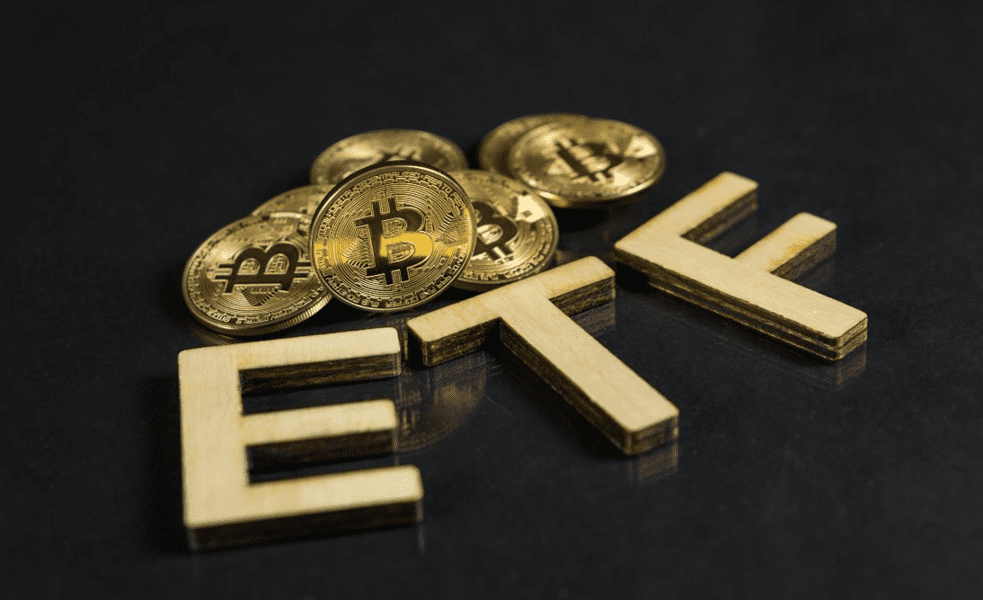
As bitcoin etf fidelity takes center stage, this opening passage beckons readers into a world crafted with good knowledge, ensuring a reading experience that is both absorbing and distinctly original.

Bitcoin ETFs, or exchange-traded funds, represent a significant innovation in the investment landscape, allowing investors to gain exposure to Bitcoin without directly holding the cryptocurrency itself. Unlike traditional ETFs that typically track stock indices, Bitcoin ETFs specifically focus on the performance of Bitcoin, making them a unique financial instrument. The historical development of Bitcoin ETFs has been marked by growing interest and regulatory scrutiny, setting the stage for major players like Fidelity to propose their own offerings in this evolving market.

Overview of Bitcoin ETFs

Bitcoin etf fidelity

Bitcoin Exchange-Traded Funds (ETFs) represent a significant innovation in the investment landscape. Designed to offer investors a way to gain exposure to Bitcoin without the complexities of owning the cryptocurrency directly, these financial products are reshaping how individual and institutional investors approach digital assets.Bitcoin ETFs function by tracking the price of Bitcoin and allowing investors to buy shares that represent a fractional ownership in the underlying asset.

This structure provides liquidity and accessibility, akin to traditional ETFs that track stocks or commodities. The key distinction is that while traditional ETFs typically hold a basket of securities, Bitcoin ETFs primarily focus on the performance of Bitcoin, allowing for a straightforward investment strategy in the volatile crypto market.

Differences Between Bitcoin ETFs and Traditional ETFs

Understanding the differences between Bitcoin ETFs and traditional ETFs is crucial for investors. While both types of funds share similarities in structure and trading mechanisms, their underlying assets and market dynamics differ significantly. Here are some notable distinctions:

  • Underlying Assets: Traditional ETFs may hold a diversified portfolio of stocks, bonds, or commodities, while Bitcoin ETFs specifically focus on Bitcoin as the sole asset or may include Bitcoin-related investments.
  • Regulatory Environment: Bitcoin ETFs operate in a regulatory framework that is still evolving, often facing stricter scrutiny and guidelines compared to traditional ETFs, which are governed by established financial regulations.
  • Market Behavior: The price volatility of Bitcoin is considerably higher than that of most traditional assets, influencing the trading dynamics and investor sentiment associated with Bitcoin ETFs.
  • Tax Implications: The tax treatment of cryptocurrencies can differ from traditional assets, leading to different implications for investors holding Bitcoin ETFs versus traditional ETFs.

Historical Development of Bitcoin ETFs Globally

The journey of Bitcoin ETFs began shortly after the inception of Bitcoin itself. The movement toward creating Bitcoin ETFs has seen notable milestones, reflecting the growing interest and acceptance of cryptocurrency in mainstream finance.Initially, the first Bitcoin ETF proposals emerged around 2013, but regulatory hurdles delayed their approval. The first successful Bitcoin ETF was launched in Canada in February 2021, marking a pivotal moment in the global acceptance of cryptocurrency investment products.

This was soon followed by other jurisdictions embracing similar products, expanding the ETF landscape. In the United States, after numerous applications and regulatory reviews, the first Bitcoin futures ETF was approved in October 2021.The growth of Bitcoin ETFs has been fueled by increased institutional interest and demand for regulated investment vehicles that provide exposure to Bitcoin without the challenges of custody and security that come with direct ownership.

The market now reflects a diverse range of products, including spot Bitcoin ETFs in various countries, showcasing the cryptocurrency’s potential to become a staple in investment portfolios worldwide.

The emergence of Bitcoin ETFs signifies a crucial step towards mainstream adoption of cryptocurrencies in the financial sector.

Fidelity’s Involvement in Bitcoin ETFs

Fidelity has emerged as a significant player in the cryptocurrency market, especially with its focus on Bitcoin exchange-traded funds (ETFs). As a firm with deep roots in traditional finance, Fidelity’s approach to Bitcoin ETFs combines its extensive investment management experience with innovative strategies to meet evolving market demands. This intersection of traditional finance and the burgeoning crypto landscape positions Fidelity as a key influencer in shaping the future of Bitcoin investment vehicles.Fidelity’s proposed Bitcoin ETF, known as the Fidelity Bitcoin ETF, aims to provide investors with a straightforward and regulated means of gaining exposure to Bitcoin.

One of the unique features of this ETF is its focus on institutional investors, which reflects Fidelity’s belief in the long-term viability of Bitcoin as a legitimate asset class. The ETF is designed to track the price of Bitcoin closely and is set to utilize advanced custody solutions, ensuring the security of the underlying digital assets.

Comparison with Competitors

The competitiveness of Fidelity’s Bitcoin ETF can be understood better when compared to several existing market players. Key aspects to consider include the structure, management fees, and custodian services offered by various Bitcoin ETFs.

Management Fees

Fidelity’s ETF is designed to be competitively priced, with management fees that aim to attract both retail and institutional investors. This is in contrast to some competitors who may charge higher fees, which could eat into investor returns over time.

Custodian Services

Fidelity leverages its established custody capabilities, setting it apart from competitors that may rely on third-party custodians. This in-house custody approach enhances investor confidence in the secure management of their Bitcoin assets.

Market Reach and Reputation

Being a well-known financial institution, Fidelity benefits from its robust reputation in the financial markets, giving it an edge in attracting investors compared to newer players in the crypto ETF space.

Regulatory Compliance

Fidelity has a strong focus on regulatory compliance, which is crucial in the eyes of institutional investors. This focus on adhering to regulatory requirements might give Fidelity’s ETF a more stable footing compared to other ETFs that have faced scrutiny.Overall, Fidelity’s strategic positioning within the Bitcoin ETF market showcases its commitment to innovation while providing robust and secure investment options in the rapidly evolving cryptocurrency landscape.

Regulatory Landscape for Bitcoin ETFs

The regulatory landscape for Bitcoin ETFs is crucial for their successful launch and operation. Various regulatory bodies oversee the traditional securities market, and their guidelines play a significant role in determining how Bitcoin ETFs are structured and managed. Understanding these regulations helps investors gauge the risks and opportunities presented by these financial instruments.Regulatory bodies such as the U.S. Securities and Exchange Commission (SEC) and the Commodity Futures Trading Commission (CFTC) are at the forefront of overseeing Bitcoin ETFs.

The SEC, in particular, has been cautious in approving Bitcoin ETFs, focusing on consumer protection and market integrity. Their guidelines often emphasize the need for transparency, liquidity, and a robust surveillance framework to prevent market manipulation. Additionally, the Financial Industry Regulatory Authority (FINRA) oversees broker-dealers involved in the trading of these products, ensuring compliance with federal securities laws.

Key Regulatory Bodies and Guidelines

The following regulatory bodies play vital roles in the oversight of Bitcoin ETFs, each with specific guidelines that influence their approval processes:

  • U.S. Securities and Exchange Commission (SEC): The primary regulatory authority for securities in the U.S., the SEC ensures that any proposed Bitcoin ETF complies with established securities laws. Their focus includes investor protection, market integrity, and the prevention of fraud.
  • Commodity Futures Trading Commission (CFTC): This agency regulates commodity futures and options markets, including those involving Bitcoin. The CFTC has jurisdiction over Bitcoin futures contracts and provides insights into how Bitcoin ETFs may be structured.
  • Financial Industry Regulatory Authority (FINRA): As a self-regulatory organization, FINRA oversees broker-dealers and is responsible for enforcing rules that govern the trading of ETFs, ensuring ethical practices within financial markets.

The implications of regulatory approvals for Fidelity’s Bitcoin ETF are profound. Approval from the SEC, for instance, would not only validate the legitimacy of Fidelity’s offering but also potentially set a precedent for future Bitcoin ETFs. This could lead to increased investor confidence and a surge in institutional participation in the Bitcoin market. Furthermore, gaining regulatory approval may enhance Fidelity’s reputation as a trustworthy custodian of digital assets, attracting more clients looking to invest in Bitcoin.

Challenges in Achieving Regulatory Compliance

Despite the potential benefits, Bitcoin ETFs face several challenges in achieving regulatory compliance. The evolving nature of cryptocurrency regulations often leads to uncertainty, making it difficult for firms to navigate the required legal landscape. The following challenges are significant:

  • Market Manipulation Concerns: Regulatory bodies are wary of the potential for market manipulation in the relatively nascent cryptocurrency space. The SEC has raised concerns about the lack of surveillance in Bitcoin markets, which could impact investor protection.
  • Valuation Issues: Accurately valuing Bitcoin can be challenging due to its volatility and the variety of exchanges where it trades. Regulators seek assurance that ETFs can provide a reliable and transparent pricing mechanism for Bitcoin.
  • Custodial Requirements: Ensuring secure custody of Bitcoin assets is critical to regulatory compliance. Custodians must demonstrate robust security measures to protect against theft and hacking, which is particularly challenging in the digital asset space.

“Navigating the regulatory landscape for Bitcoin ETFs requires a deep understanding of the complexities involved and a commitment to adhering to guidelines set forth by regulatory bodies.”

In conclusion, the regulatory landscape for Bitcoin ETFs is intricate and requires careful navigation. Fidelity’s involvement in this space not only highlights their commitment to providing innovative investment solutions but also underscores the importance of compliance with regulatory expectations to foster a sustainable and trustworthy market for digital assets.

Market Impact of Fidelity’s Bitcoin ETF

The launch of Fidelity’s Bitcoin ETF is poised to significantly influence the cryptocurrency market, particularly in terms of institutional adoption and price volatility. As one of the largest asset managers in the world, Fidelity’s involvement in Bitcoin ETFs can serve as a bridge for institutional investors who have been hesitant to enter the crypto space. This section explores the potential effects on market dynamics, Bitcoin’s price behavior, and anticipated trends after the ETF’s release.

Institutional Adoption of Cryptocurrencies

Fidelity’s Bitcoin ETF could play a pivotal role in enhancing institutional participation in the cryptocurrency market. The trust and credibility associated with Fidelity can attract institutional investors who are currently on the sidelines. By providing a regulated and easily accessible vehicle for investing in Bitcoin, Fidelity’s ETF addresses key concerns such as security and compliance.

  • Increased Investment: With the ETF, institutions can invest in Bitcoin without directly holding the asset, which may lower perceived risks associated with custody and security.
  • Enhanced Legitimacy: Fidelity’s backing may help legitimize Bitcoin as an investable asset class, encouraging more institutions to allocate funds towards cryptocurrencies.
  • Broader Market Acceptance: The ETF may lead to other financial institutions considering similar offerings, thereby widening the acceptance of Bitcoin across traditional finance.

Influence on Bitcoin’s Price and Volatility

The introduction of Fidelity’s Bitcoin ETF is expected to have a notable impact on Bitcoin’s price stability and volatility. As more institutional capital flows into the market, it could result in a more stabilized price trajectory for Bitcoin, reducing the extreme fluctuations that have characterized its trading history.

The influx of institutional investments typically leads to increased liquidity, which can act as a buffer against drastic price movements.

As the ETF launches, the following factors can be anticipated:

  • Price Appreciation: Historically, the announcement and launch of Bitcoin-related financial products have led to price surges, as seen with the launch of futures products in 2017.
  • Reduced Volatility: Increased participation from institutional investors may lead to less speculative trading, contributing to a more stable market environment.
  • Market Sentiment: Positive sentiment surrounding Fidelity’s ETF could attract retail investors, further driving demand and potentially uplifting Bitcoin’s price.

Projected Market Trends Post-Launch

The anticipated launch of Fidelity’s Bitcoin ETF is expected to influence market trends significantly. Market analysts project a variety of outcomes that could reshape the landscape of Bitcoin investment.

  • Long-term Growth: Analysts predict that with the ETF in place, Bitcoin could experience sustained growth as a recognized asset class, potentially reaching new all-time highs.
  • Increased Regulatory Clarity: Fidelity’s involvement may prompt clearer regulatory frameworks, fostering a safer environment for investments in cryptocurrencies.
  • Innovation in Financial Products: The success of Fidelity’s ETF could lead to the creation of more diverse cryptocurrency-related investment products, such as options and futures.

Investor Considerations for Bitcoin ETFs

Investing in Bitcoin ETFs presents a unique opportunity for individuals looking to gain exposure to the cryptocurrency market without directly holding the underlying asset. However, potential investors must weigh both the benefits and the risks associated with such investments. Understanding these aspects is crucial for making informed decisions in a rapidly evolving financial landscape.The benefits of investing in Bitcoin ETFs include ease of access, diversified exposure, and regulatory oversight, which can mitigate some risks associated with holding cryptocurrencies directly, such as storage and security concerns.

On the flip side, potential risks include market volatility, management fees, and the influence of regulatory changes on the ETF itself. Consequently, investors should carefully evaluate their objectives and risk tolerance before diving into this investment.

Factors to Consider Before Investing in Fidelity’s Bitcoin ETF

Before committing funds to Fidelity’s Bitcoin ETF, investors should take into account several critical factors that can influence their investment outcomes. Each factor provides insights into the ETF’s potential performance and alignment with the investor’s goals.

  • Investment Goals: Clearly define your investment objectives, whether it’s long-term growth, income, or speculation.
  • Market Volatility: Be prepared for the inherent price fluctuations in the cryptocurrency market, which can significantly affect ETF values.
  • Fees and Expenses: Understand the management fees and any additional costs associated with the ETF, as these can impact your overall returns.
  • Liquidity: Assess the ETF’s liquidity to ensure you can buy and sell shares without significant price impact.
  • Fund Management: Research Fidelity’s track record in managing similar funds and their expertise in the cryptocurrency sector.

“Understanding the nuances of investment fees is essential, as even small charges can erode long-term gains.”

With the growing popularity of Bitcoin ETFs, due diligence becomes even more vital. Investors must conduct thorough research to ensure that they are choosing the right ETF that aligns with their financial goals and risk profile. Factors such as the ETF’s structure, the underlying assets it holds, and the regulatory compliance of the fund can all have significant implications for investment performance.

Importance of Due Diligence When Selecting Bitcoin ETFs

Due diligence is critical when selecting Bitcoin ETFs, as it equips investors with the necessary knowledge to make informed choices. A comprehensive understanding of an ETF’s framework can help mitigate potential risks associated with the cryptocurrency market. Here are key areas that warrant careful examination:

  • Underlying Asset Composition: Investigate the types of Bitcoin and other assets the ETF holds, ensuring it aligns with your investment strategy.
  • Performance History: Review the past performance of the ETF, keeping in mind that historical results do not guarantee future outcomes.
  • Regulatory Compliance: Verify that the ETF meets all regulatory requirements, as this can impact its legitimacy and stability.
  • Investment Strategy: Understand the ETF’s investment strategy, whether it’s passive or active management, and how this affects returns.
  • Market Conditions: Keep abreast of current market conditions and their potential impacts on Bitcoin prices and ETF valuations.

“Comprehensive research is the backbone of successful investing, especially in high-volatility assets like Bitcoin.”

Investors who prioritize due diligence are better equipped to navigate the complexities of Bitcoin ETFs and can enhance their overall investment experience while mitigating potential pitfalls. The cryptocurrency market can be unpredictable, making informed decision-making even more crucial for securing long-term investment success.

Future Developments in Bitcoin ETFs

As the cryptocurrency market continues to evolve, Bitcoin ETFs are poised for significant transformations. The landscape is rapidly changing, driven by investor demand, technological advancements, and regulatory adjustments. Fidelity’s involvement in Bitcoin ETFs sets the stage for innovation and the potential reshaping of investment strategies in the digital asset space.

Upcoming Trends and Innovations in Bitcoin ETF Offerings

The future of Bitcoin ETFs looks promising, with several trends emerging that could redefine how these investment vehicles operate. These innovations may focus on enhancing accessibility, diversification, and the incorporation of new technologies.

  • Smart Beta Strategies: The introduction of smart beta ETFs that combine Bitcoin with other assets could provide investors with a more balanced risk-return profile.
  • Increased Institutional Participation: As more institutional investors enter the market, Bitcoin ETFs may evolve to cater specifically to their needs, potentially leading to more sophisticated products.
  • Tokenized Assets: The future could see ETFs that utilize blockchain technology to tokenize assets, providing a more efficient and transparent way of managing investments.

Potential Improvements for Fidelity’s Bitcoin ETF

Fidelity has an opportunity to enhance its Bitcoin ETF offerings through various improvements. By leveraging their existing infrastructure and expertise, they can implement strategies that attract a broader audience.

  • Lower Management Fees: Reducing fees could make Fidelity’s Bitcoin ETF more appealing to cost-conscious investors, increasing market competitiveness.
  • Enhanced Educational Resources: Providing comprehensive resources and insights on Bitcoin investment could empower investors to make informed decisions, fostering confidence in the asset class.
  • Robust Security Measures: Continuous enhancements in cybersecurity protocols will increase trust and reliability, essential for attracting institutional capital.

Impact of Technological Advancements on Bitcoin ETFs

Technological advancements are set to significantly influence the Bitcoin ETF market. Automation, artificial intelligence, and blockchain technology will play critical roles in shaping future offerings.

  • Algorithmic Trading: The integration of AI-driven trading algorithms can lead to improved liquidity and optimized trading strategies for Bitcoin ETFs.
  • Blockchain Integration: Utilizing blockchain for transaction processing and record-keeping can ensure greater transparency and efficiency, benefitting both issuers and investors.
  • Real-time Data Analytics: Enhanced data analytics capabilities can provide investors with live insights into market trends, helping them make timely decisions.

Final Review

In summary, Fidelity’s foray into the Bitcoin ETF market not only signifies a pivotal moment for cryptocurrency acceptance among institutional investors but also presents a wealth of opportunities and challenges. As the regulatory landscape continues to evolve, the implications of Fidelity’s Bitcoin ETF could reshape market dynamics, influence Bitcoin’s price, and usher in a new era of investment strategies. Investors would do well to stay informed and consider the potential risks and rewards associated with this cutting-edge investment vehicle.

FAQ

What is a Bitcoin ETF?

A Bitcoin ETF is an exchange-traded fund that allows investors to gain exposure to Bitcoin’s price movements without directly owning the cryptocurrency.

How does Fidelity’s Bitcoin ETF differ from others?

Fidelity’s Bitcoin ETF may have unique features such as lower fees, advanced tracking methods, and enhanced security measures compared to competitors.

What are the risks of investing in Bitcoin ETFs?

Risks include market volatility, regulatory uncertainty, and management fees, which can impact overall returns.

How do regulatory approvals affect Bitcoin ETFs?

Regulatory approvals can legitimize Bitcoin ETFs, influencing investor confidence and market acceptance, but they also come with strict compliance requirements.

What should investors consider before investing?

Investors should evaluate their risk tolerance, understand market dynamics, and perform due diligence on the specific ETF’s features and management team.

Zero investment online trading apps are revolutionizing how individuals can participate in the financial markets. These platforms offer a unique opportunity for beginners to explore investment strategies without requiring upfront capital. Whether you’re a seasoned investor or just starting out, understanding these apps can open up a world of potential opportunities.

This comprehensive guide delves into the intricacies of zero investment online trading apps, covering everything from their core features to the potential risks and rewards. We’ll explore the user experience, investment strategies, and financial literacy resources, as well as the crucial regulatory and legal aspects and security considerations. The aim is to provide a well-rounded perspective, empowering users to make informed decisions.

Introduction to Zero Investment Online Trading Apps

Zero investment online trading apps are platforms that allow users to engage in various financial markets without requiring any upfront capital. These apps typically operate on a commission-based model, charging fees for successful trades, and some may incorporate freemium models with limited free features. They provide a gateway to the financial markets for individuals who may not have the resources to invest significant sums.These apps streamline the trading process, making it accessible to a broader demographic.

Their core features and functionalities are designed to cater to both novice and experienced traders, fostering a learning environment for those new to the financial markets while offering advanced tools for seasoned traders.

Definition of Zero Investment Online Trading Apps

Zero investment online trading apps are digital platforms that facilitate trading activities in various financial markets without demanding an initial investment. These platforms typically operate on a commission-based system, where fees are charged based on successful trades. They often feature educational resources and simplified interfaces to encourage user engagement and learning.

Core Features and Functionalities

These apps generally offer a suite of features to enhance the trading experience. Core functionalities usually include:

  • User-friendly interface: Intuitive design and navigation for easy access and understanding, crucial for beginners.
  • Educational resources: Tutorials, market analysis tools, and educational materials to aid in learning about different trading strategies.
  • Real-time market data: Access to up-to-the-second information on market trends, allowing users to make informed decisions.
  • Trading platforms: Tools for placing trades, managing portfolios, and monitoring performance.
  • Secure payment processing: Reliable systems for handling transactions, crucial for safeguarding user funds.

These features combined make the platform user-friendly and accessible to a wider audience, particularly those with limited capital.

Types of Trading Offered

Zero investment trading apps typically provide access to various trading types. These can include:

  • Forex trading: Trading currency pairs, leveraging fluctuations in exchange rates.
  • Cryptocurrency trading: Trading cryptocurrencies like Bitcoin, Ethereum, and others, capitalizing on the volatility of these digital assets.
  • Stock trading: Buying and selling shares of publicly traded companies.
  • Commodities trading: Trading raw materials such as gold, oil, and agricultural products.

The variety of trading types available on these platforms is a significant draw, catering to diverse investment interests.

Comparison of Zero Investment Online Trading Apps

App Name Key Features User Reviews Platform
App A User-friendly interface, educational resources, real-time data, commission-based Mostly positive, highlighting ease of use and educational tools Web and mobile
App B Advanced charting tools, comprehensive market analysis, various trading options Mixed reviews, some users praise advanced features, others find it overwhelming Web
App C Focus on cryptocurrency trading, specialized tools for crypto analysis Positive reviews from crypto enthusiasts, some concerns about security Web and mobile

This table provides a concise overview of some available platforms, highlighting their key features and user feedback. App selection will depend on individual preferences and trading goals.

Overall Benefits for Potential Users

Zero investment online trading apps provide a range of benefits to potential users. These include:

  • Accessibility to financial markets: Allowing individuals to participate in trading without large initial capital investments.
  • Learning opportunities: Providing tools and resources for learning about trading strategies and market dynamics.
  • Flexibility: Offering access to various trading types, allowing users to tailor their investment strategies.
  • Potential for profit: While not guaranteed, these platforms offer the potential for financial gains through successful trading.

These benefits collectively contribute to the growing popularity of zero investment trading platforms, making financial markets more accessible to a wider range of individuals.

User Experience and Interface

Zero-investment online trading apps prioritize a user-friendly interface to attract and retain users. A well-designed interface significantly impacts user engagement and the overall success of the platform. Intuitive navigation and clear presentation of information are crucial for a positive user experience, especially for novice traders.

Typical User Interface Design

These apps typically employ a clean and uncluttered design. Visual elements, such as charts and graphs, are often used to display market data and trading insights in a concise and easily understandable format. The layout is generally structured to present information in a logical and accessible manner, often with clear categorization of different functionalities. The color schemes are usually chosen for their aesthetic appeal and readability, aiding in comprehension.

Guiding New Users

Effective onboarding is essential for new users. Zero-investment trading apps often include interactive tutorials and step-by-step guides that introduce users to the platform’s functionalities. These tutorials frequently include video demonstrations or interactive exercises that explain the various features. User manuals, FAQs, and readily available customer support channels also contribute to a smooth onboarding process.

Ease of Use and Accessibility

The apps are designed for ease of use, aiming to minimize complexity and maximize user comprehension. Features like simplified navigation and clear visual cues contribute to this goal. Furthermore, accessibility considerations, such as adjustable font sizes and color schemes, are included to accommodate a wide range of users. The interfaces are often tailored to different user groups, such as beginners, intermediate traders, and experienced investors.

Effective Onboarding Processes

Numerous strategies contribute to smooth onboarding. Interactive tutorials, frequently used in many applications, walk users through the platform’s features, step-by-step. These interactive experiences allow users to practice functionalities in a risk-free environment. Clear instructions and concise explanations are critical components of a well-structured onboarding process. Interactive quizzes and assessments can reinforce learning and provide users with immediate feedback on their comprehension.

Comparison of User Interfaces

App Navigation Layout Visual Appeal
App A Intuitive, hierarchical menu system; clear labels for each function. Organized, visually separated sections for different trading tools and information. Modern, clean design with a calming color palette.
App B Simplified, streamlined navigation using icons and visual cues. Dynamic layout that adapts to different screen sizes and user preferences. Bold and vibrant design with interactive elements.
App C Tab-based navigation, clear categorization of information. Clean, straightforward layout that is easy to scan and understand. Modern design with a focus on clarity and readability.

Investment Strategies and Opportunities

Zero-investment online trading platforms offer diverse investment avenues, allowing users to explore various strategies and asset classes. While the absence of upfront capital is a key draw, users should approach these platforms with a clear understanding of the potential risks and rewards involved.These platforms typically leverage a social trading or copy trading model, where users can follow successful traders and replicate their strategies.

This approach can provide a valuable learning experience and potentially generate profits, but users must carefully assess the track record and risk tolerance of the traders they choose to follow.

Available Investment Strategies

These platforms often offer a range of investment strategies, including but not limited to, fundamental analysis, technical analysis, and trend following. Fundamental analysis involves evaluating a company’s financial performance and market position, while technical analysis focuses on historical price and volume data to predict future trends. Trend following strategies capitalize on established market movements.

Investment Asset Types

The types of investments available in zero-investment online trading apps vary significantly. Commonly available assets include stocks, cryptocurrencies, and forex (foreign exchange).

Potential Risks and Rewards

Investment in any asset class carries inherent risks. While the potential for substantial returns exists, losses are also possible. For example, stock market volatility can lead to significant price fluctuations, while cryptocurrencies are known for their price volatility and the potential for scams. Forex trading is characterized by leverage, which can amplify both profits and losses.

User Control Over Investments

The level of control users have over their investments varies depending on the platform. Some platforms might allow users to create and adjust their own trading strategies, while others focus on replicating the strategies of successful traders. Users should carefully review the platform’s features and functionalities to understand the degree of control they have over their investments.

Potential Investment Options

  • Stocks: Individual stocks or shares in publicly traded companies. The potential for high returns is balanced by the risk of stock price fluctuations. Examples include large-cap companies like Apple and smaller-cap companies with high growth potential.
  • Cryptocurrencies: Digital or virtual currencies, like Bitcoin and Ethereum. These assets have shown high volatility and rapid price changes. Examples include Bitcoin, Ethereum, and Litecoin.
  • Forex (Foreign Exchange): Trading currencies against each other. The potential for high returns is often tied to the use of leverage, which can also lead to significant losses.
  • Commodities: Raw materials or agricultural products, such as gold, silver, and coffee. The prices of commodities can be influenced by global events and supply and demand.
  • Indices: Representing a basket of stocks, such as the S&P 500. These provide exposure to the overall market’s performance.

Regulatory and Legal Aspects

Zero-investment online trading apps, while offering attractive opportunities, are subject to a complex web of legal and regulatory frameworks. Understanding these frameworks is crucial for both app developers and users to ensure safe and compliant operations. Navigating the intricacies of different jurisdictions and their specific regulations is vital for maintaining a secure trading environment.Navigating the regulatory landscape for zero-investment trading apps requires a deep understanding of local and international laws.

Differences in regulations across countries and regions significantly impact the development and operation of such apps. For instance, some jurisdictions might have stricter requirements for data privacy and security than others. This necessitates a tailored approach to compliance, with a focus on adapting to the unique regulatory needs of each market.

Legal Frameworks Governing Online Trading

Different jurisdictions have established legal frameworks governing online trading activities. These frameworks vary significantly, encompassing aspects such as licensing requirements, capital adequacy rules, and consumer protection laws. These differences often stem from the unique financial structures and market dynamics of each region. For example, countries with strong investor protection laws typically have more stringent regulations regarding financial instruments offered through online platforms.

Comparison of Regulations Across Regions

Regulations governing online trading vary considerably across regions. Some regions prioritize investor protection, imposing stricter rules on the types of investment products offered and the level of disclosure required. Other regions might focus on promoting financial innovation, leading to more flexible regulatory frameworks. This contrast in approaches can lead to different standards for market entry and operation.

For example, the EU’s MiFID II regulations differ significantly from those in the US.

Potential Legal Issues Associated with Zero-Investment Trading Apps

Zero-investment trading apps, while potentially beneficial, can present various legal challenges. These include issues related to misleading marketing, misrepresentation of investment opportunities, and inadequate disclosure of risks. Maintaining accurate and transparent communication is paramount to avoid legal complications. Furthermore, disputes over contracts, user agreements, and service terms are potential legal issues that should be proactively addressed.

Role of Financial Regulators

Financial regulators play a critical role in overseeing zero-investment trading apps. They ensure compliance with regulations, protect investors, and maintain market integrity. Their actions can range from conducting audits to issuing guidelines or warnings. Regulators often set standards for data security, transaction reporting, and customer service. For instance, the Securities and Exchange Commission (SEC) in the US plays a crucial role in regulating online trading platforms.

Role of Business Law in Protecting Investors

Business law plays a vital role in safeguarding investors in zero-investment trading apps. Laws pertaining to consumer protection, contract law, and fraud prevention are essential in creating a secure trading environment. Compliance with these laws ensures that investors’ rights are protected and that the trading platform operates ethically. This is crucial to building trust and fostering a healthy market.

Regulatory Compliance Measures

Reputable zero-investment trading apps implement various measures to ensure regulatory compliance. These measures often include employing legal counsel to advise on regulatory matters, establishing clear terms and conditions for users, and conducting thorough due diligence on the platforms and individuals they interact with. Maintaining transparent communication and providing comprehensive disclosures about investment risks are key compliance measures. For instance, using secure payment gateways and implementing robust anti-money laundering (AML) procedures are crucial.

Important Legal Considerations for Users

Users of zero-investment trading apps should be mindful of several legal considerations. These include understanding the terms and conditions of the platform, verifying the legitimacy of the app and its associated entities, and researching the jurisdiction’s regulatory framework. Users should also seek legal advice if they encounter any doubts or uncertainties.

Flowchart for Filing a Complaint

Step Action
1 Document the issue: Detail the problem, including dates, times, and any relevant communication records.
2 Review the app’s terms and conditions: Identify relevant clauses related to dispute resolution.
3 Contact the app’s customer support: Attempt to resolve the issue through the platform’s internal channels.
4 Seek legal counsel (optional): Consult a legal professional if the issue remains unresolved.
5 File a complaint with the relevant regulatory body: If necessary, file a complaint with the appropriate financial regulator.

Security and Privacy

Zero-investment online trading apps, while offering accessibility, require robust security measures to protect user funds and personal information. This section details the security protocols implemented by these platforms to ensure a safe and trustworthy trading environment.

Security Measures Implemented by Trading Apps

These apps employ a multi-layered approach to security, encompassing data encryption, fraud detection systems, and user authentication. Robust encryption safeguards sensitive data during transmission and storage. Strong passwords and multi-factor authentication (MFA) provide an additional layer of protection against unauthorized access.

Data Encryption and Secure Transactions

Data encryption is crucial for protecting user information. Secure Socket Layer (SSL) or Transport Layer Security (TLS) protocols encrypt data transmitted between the user’s device and the trading platform. This prevents unauthorized interception and ensures the confidentiality of personal and financial details. These protocols are industry standards, ensuring a secure channel for sensitive information. Secure transaction processing, including payment gateways and withdrawal procedures, is vital for safeguarding funds.

This process involves using advanced encryption algorithms and validated payment gateways, thereby minimizing the risk of fraudulent activities.

User Data Privacy Policies

Zero-investment trading apps are obligated to have explicit privacy policies that detail how user data is collected, used, and protected. These policies should Artikel data retention periods, data sharing practices with third parties, and user rights regarding data access and correction. Transparent policies are essential for building trust with users. The policies should be easily accessible and comprehensible, and should address concerns about data breaches and misuse.

Potential Security Risks Associated with Online Trading

Online trading carries inherent risks, including phishing attacks, malware infections, and social engineering tactics. Phishing attempts aim to trick users into revealing personal information, while malware can compromise devices and steal sensitive data. Social engineering exploits human vulnerabilities to manipulate users into making risky financial decisions. Understanding these threats is crucial for adopting preventive measures.

Protection from Fraud

Zero-investment trading apps employ various fraud prevention measures. These measures include monitoring user activity for suspicious patterns, implementing advanced algorithms for fraud detection, and utilizing security protocols for financial transactions. Customer support plays a vital role in fraud prevention by promptly addressing user concerns and responding to potential threats. These measures are essential for creating a secure trading environment and minimizing the risk of fraudulent activities.

Security Measures Summary Table

Trading App Data Encryption Fraud Prevention Customer Support
App A TLS 1.3, multi-layered encryption Real-time transaction monitoring, behavioral analytics 24/7 support via phone, email, chat
App B SSL 2.0, advanced encryption algorithms Transaction anomaly detection, IP address tracking Email support, FAQs, community forum
App C TLS 1.2, industry-standard protocols Suspicious activity alerts, two-factor authentication Dedicated fraud prevention team, 24/7 hotline

App Comparison and Analysis

Zero-investment online trading apps offer a convenient and accessible way to explore the financial markets. However, the sheer number of platforms available can make choosing the right one challenging. A thorough comparison of key features, functionalities, and user experiences is crucial for making informed decisions.A robust comparison reveals critical differences in features, pricing structures, and user support. Analyzing these factors allows potential users to identify the platform best suited to their individual needs and risk tolerance.

This analysis focuses on comparing three prominent apps, highlighting their strengths and weaknesses to guide informed investment decisions.

Feature Comparison of Popular Trading Apps

Several factors differentiate zero-investment trading apps. Key aspects include fee structures, customer support availability, and user interface intuitiveness. These factors significantly influence the overall user experience and investment success.

Detailed Feature Comparison Table

This table provides a comparative overview of three popular zero-investment online trading apps, highlighting their key features. A comprehensive analysis of these apps allows users to choose the platform best suited to their specific needs.

Feature App A App B App C
Fees No transaction fees; platform charges a small monthly maintenance fee. No transaction fees; platform charges a small monthly maintenance fee, tiered based on account activity. No transaction fees; platform charges a small monthly maintenance fee; offers a free tier for limited access.
Customer Support 24/7 live chat and email support; responsive and helpful. 24/7 phone support and email support; generally considered prompt and helpful. Limited live chat; primarily email support; response times may vary.
User Experience Intuitive and user-friendly interface; well-organized platform layout. Modern and visually appealing design; clear navigation and information organization. Simple design; straightforward navigation; some users find the interface a bit cluttered.
Educational Resources Extensive educational materials, webinars, and tutorials; provides insights into various investment strategies. Basic educational resources; provides a general overview of investment principles. Limited educational resources; provides a basic introduction to investment concepts.
Investment Strategies Offers a wide array of investment tools and strategies, including options trading and margin trading. Focuses primarily on long-term investment strategies with diversified portfolios. Offers fundamental and technical analysis tools; primarily geared towards beginner investors.

Customer Support and Feedback

Zero-investment online trading apps are increasingly reliant on robust customer support to maintain user trust and satisfaction. Effective channels for addressing queries, resolving issues, and gathering feedback are crucial for app success and user retention. Customer support plays a vital role in fostering a positive user experience and building a loyal customer base.

Customer Support Mechanisms

Customer support mechanisms within these apps vary, but generally include multiple channels. This allows users to reach out based on their preference and the nature of their inquiry. Common channels include email, live chat, and phone support. Some apps may also offer in-app support options, such as FAQs or a knowledge base.

Channels for Reporting Issues or Providing Feedback

These apps typically provide multiple channels for users to report issues or provide feedback. These channels can range from a dedicated support email address to in-app feedback forms. The design of these channels often considers ease of use and accessibility. Specific feedback channels may be designated for different types of issues (e.g., technical problems, account issues, or general suggestions).

Typical Response Time for Customer Support Inquiries

The typical response time for customer support inquiries is an important metric reflecting the app’s efficiency and responsiveness. Different apps may have varying response times, often dependent on the volume of inquiries and the complexity of the issues. Fast response times are generally valued by users, as they demonstrate the app’s commitment to addressing their concerns promptly.

Examples of Effective Customer Service Strategies

Effective customer service strategies employed by some apps include proactive outreach, personalized responses, and a focus on resolving issues quickly and efficiently. For example, some apps may offer automated responses to frequently asked questions or utilize a tiered support system, providing more advanced support options for more complex issues. Other examples may include implementing a knowledge base with frequently asked questions (FAQs) or troubleshooting guides, providing multilingual support, and offering various communication channels to cater to different preferences.

Sample Customer Support Policy

Hypothetical Zero Investment Online Trading App – Customer Support Policy

1. Purpose

This policy Artikels the procedures for handling customer inquiries, issues, and feedback related to our zero-investment online trading app.

2. Contact Information

Customers can contact our support team via email at [email protected], live chat on our app platform, or by phone at +1-555-123-4567 (business hours).

3. Response Time

We aim to respond to all support inquiries within 24 hours during business days. Urgent issues will be prioritized.

4. Feedback Mechanisms

We welcome feedback from our users. Feedback can be submitted through an in-app feedback form, or by email to [email protected].

5. Data Security

We adhere to strict data security measures to protect customer information and maintain confidentiality.

6. Escalation Procedures

For unresolved issues, our support team will escalate the case to a senior support representative for further assistance.

7. Policy Updates

This policy may be updated from time to time. We will notify users of any changes.

Last Recap

In conclusion, zero investment online trading apps offer a compelling avenue for financial exploration and growth. While they provide accessibility and opportunities for learning, it’s essential to understand the potential risks and legal considerations. This guide has highlighted the key aspects of these platforms, aiming to equip you with the knowledge needed to navigate this exciting space.

Answers to Common Questions

What are the typical fees associated with zero investment online trading apps?

Many zero investment apps operate on a commission-free model, meaning there are typically no upfront or ongoing fees. However, some may have limited commission-based or other fees, so it’s crucial to review the app’s specific terms and conditions.

How do these apps handle different types of investment accounts?

Most zero investment trading apps allow users to create a single account for various investment instruments, such as stocks, crypto, or forex. Some platforms may have separate accounts or sub-accounts for different asset classes. Check the app’s specifics to confirm.

What is the typical security protocol for online trading apps?

Reputable trading apps employ industry-standard security protocols, including encryption, secure transaction channels, and multi-factor authentication to safeguard user data and transactions. Review the app’s security policy for detailed information.

What kind of customer support is available for users of these apps?

Customer support for zero investment trading apps often involves email, live chat, or phone support. Check the app’s FAQs, contact page, or support documentation for specific contact details and response times.

Remote work is rapidly transforming the finance sector, and VP of Finance roles are no exception. This guide dives deep into the world of remote VP Finance jobs, exploring everything from defining the role to navigating the unique challenges and opportunities presented by remote work.

This comprehensive overview will cover key aspects like job requirements, compensation, search strategies, and even the crucial role of financial analysts within a remote finance team. We’ll also discuss the cultural nuances and necessary tools for success in a virtual work environment, along with common hurdles and solutions. Understanding the nuances of remote VP of Finance positions is essential for aspiring professionals and established leaders.

Introduction to Remote VP Finance Jobs

A Vice President of Finance (VP of Finance) is a senior executive responsible for overseeing the financial operations of a company or division. This role demands a deep understanding of financial markets, accounting principles, and strategic planning. VPs of Finance are crucial in maintaining financial stability, driving profitability, and making sound investment decisions.Remote VP of Finance roles are becoming increasingly common as companies recognize the benefits of flexible work arrangements.

These roles allow for greater talent acquisition opportunities and can lead to reduced overhead costs for employers. The rise of remote work in the finance sector is also influenced by technological advancements that enable seamless communication and collaboration across geographical boundaries.

Typical Responsibilities of a Remote VP of Finance

Remote VPs of Finance share similar responsibilities to their on-site counterparts, but with a focus on remote collaboration and communication tools. These responsibilities typically include financial planning and analysis, budgeting, forecasting, financial reporting, investment strategy, and managing financial teams. A key aspect is the effective utilization of digital tools for communication, data sharing, and team management.

Increasing Trend of Remote Work in Finance

The rise of remote work in finance is driven by several factors. Firstly, the availability of robust cloud-based accounting and financial management software facilitates remote work. Secondly, a growing pool of qualified financial professionals who are comfortable working remotely has created a larger talent pool for employers. Thirdly, companies are increasingly recognizing the cost savings and benefits of remote work, including reduced office space and travel expenses.

Examples of Companies Employing Remote VPs of Finance

Many companies across various industries now employ remote VPs of Finance. Examples include software companies, e-commerce businesses, and international conglomerates. These companies recognize the advantages of having access to a wider talent pool and the flexibility that remote work offers. A significant number of financial institutions are now utilizing remote work strategies to improve efficiency and expand their workforce.

Key Differences Between On-Site and Remote VP of Finance Roles

The table below highlights the key distinctions between on-site and remote VP of Finance roles.

Characteristic On-Site VP of Finance Remote VP of Finance
Location Presents in the company’s office Works from a remote location
Communication Face-to-face interactions, informal meetings, and impromptu discussions Relies on digital communication tools, including video conferencing, instant messaging, and project management software
Team Management Direct supervision of team members through frequent interactions Regular team meetings, online collaboration tools, and frequent communication to maintain team cohesion
Office Culture Active participation in company events and internal communications Participation in company events and internal communications via virtual platforms
Travel Frequent business travel for meetings and conferences Reduced or minimized travel needs

Job Requirements for Remote VP Finance Roles

Remote VP of Finance roles are increasingly common, demanding a unique blend of financial expertise, leadership skills, and adaptability to virtual work environments. These roles often require a deep understanding of financial principles, strong communication abilities, and the capacity to navigate complex situations remotely. Success hinges on a candidate’s ability to manage budgets, analyze data, and lead teams effectively in a virtual setting.

Essential Skills and Qualifications

Successful remote VPs of Finance require a strong foundation in financial analysis, accounting, and budgeting. This includes proficiency in financial reporting, forecasting, and performance evaluation. Experience with various financial software packages and industry-standard methodologies is crucial. Moreover, a thorough understanding of regulatory compliance in the relevant sector is also essential.

Comparison of On-Site and Remote Requirements

While the core financial expertise remains consistent, remote roles place a greater emphasis on communication, collaboration, and independent problem-solving. On-site roles often involve more face-to-face interactions and collaboration on projects, while remote roles require proactive communication strategies to maintain team cohesion and productivity. Remote VPs need to be adept at using various communication platforms and technologies to stay connected and informed.

Importance of Communication and Collaboration Skills

Effective communication is paramount in remote finance roles. This includes clear and concise written communication, active listening, and the ability to effectively present complex financial data. Strong interpersonal skills are vital for building and maintaining productive relationships with team members, stakeholders, and external partners. Remote VPs need to leverage various communication tools and strategies to ensure seamless and efficient communication.

Regular virtual meetings, detailed documentation, and prompt responses are crucial for maintaining transparency and accountability.

Technical Skills

Proficiency in financial software is essential for remote VPs of Finance. This includes expertise in ERP systems (Enterprise Resource Planning), financial modeling tools, data analysis software, and reporting platforms. Examples include SAP, Oracle, and various data visualization tools. Candidates should also demonstrate proficiency in using various analytical tools to interpret financial data effectively and generate reports to inform key decisions.

Moreover, understanding and using cloud-based financial management tools is becoming increasingly important in today’s remote-work landscape.

Leadership and Decision-Making Abilities

Remote VPs of Finance must exhibit strong leadership and decision-making abilities. This includes the capacity to motivate and guide teams across geographical boundaries, manage complex projects independently, and make sound financial judgments in a timely manner. The ability to delegate effectively and trust team members while maintaining accountability is critical. Remote leadership requires adapting traditional leadership styles to a virtual setting, focusing on clear communication, regular check-ins, and providing timely feedback.

This approach ensures the team remains aligned with objectives and strategies, despite the physical distance.

Compensation and Benefits for Remote VP Finance Jobs

Compensation packages for remote VP of Finance positions often mirror those of on-site roles, but with potential variations. Factors such as experience, skill set, and the specific responsibilities of the role influence the final compensation structure. Understanding these nuances is crucial for both job seekers and employers in the remote finance sector.Remote VP of Finance positions, like their on-site counterparts, usually come with competitive compensation packages.

However, the impact of location and the nature of remote work can affect the specific components and overall value proposition. This is further explored by examining typical compensation structures, potential benefits, and the influence of location.

Typical Compensation Packages

Compensation packages for remote VP of Finance positions typically include a base salary, performance-based bonuses, and potential equity participation. Base salaries for remote VP Finance roles often align with those of their on-site counterparts, while bonuses can be influenced by the company’s financial performance and the individual’s contribution.

Comparison with On-Site Positions

Compensation for remote VP Finance roles generally aligns with comparable on-site positions. However, some adjustments may be present, potentially reflecting reduced overhead costs for the company. While base salaries may be similar, remote roles might offer a slightly reduced benefits package, which may be offset by potential tax advantages in certain locations.

Potential Benefits Packages

Remote VP Finance positions often include comprehensive benefits packages, which are similar to those offered in on-site roles. These packages may include health insurance (medical, dental, vision), retirement plans (401(k) or pension), paid time off, life insurance, and disability insurance. Companies may also provide professional development opportunities or other perks tailored to remote work environments, such as flexible work arrangements or remote work equipment allowances.

Impact of Location on Compensation

Geographic location can impact compensation for remote roles, though the impact is often less significant compared to on-site positions. Companies may adjust compensation based on cost of living differences across locations. For instance, a VP of Finance in a high-cost-of-living area might receive a slightly higher salary compared to a similar role in a lower-cost area, to compensate for the difference.

Examples of Remote VP Finance Compensation Packages

Examples of remote VP Finance compensation packages can vary considerably depending on experience, the size of the company, and specific industry. However, some illustrative examples might include a base salary between $200,000 and $350,000 per year, plus a performance-based bonus structure ranging from 5% to 15% of base salary, and equity participation. It is essential to remember that these are examples, and actual compensation will depend on specific factors.

Remote VP Finance Job Search Strategies

Securing a remote VP of Finance position requires a strategic approach beyond simply applying to postings. Effective job searching involves proactive networking, targeted application, and meticulous preparation for interviews. A well-defined strategy maximizes your chances of landing a desirable role.A successful remote VP of Finance search hinges on a combination of online research, professional networking, and personalized presentation.

This approach ensures that your profile stands out and attracts the attention of potential employers. Thorough preparation is crucial, from crafting compelling resumes and cover letters to mastering the art of remote interviews.

Resources for Finding Remote VP of Finance Jobs

Locating remote VP of Finance positions necessitates exploring various online platforms and resources. This includes specialized job boards, professional networks, and company websites. Proactive research and targeted outreach are key to finding suitable opportunities.

  • Specialized job boards dedicated to finance roles often feature remote positions. Sites like LinkedIn, Indeed, and Glassdoor are invaluable for searching for remote opportunities.
  • Company websites frequently list open positions, including remote ones. Many organizations now have dedicated career pages.
  • Executive search firms specializing in finance often have listings for remote VP roles. These firms often have access to senior-level positions not publicly advertised.
  • Professional networks like LinkedIn offer valuable avenues for identifying remote opportunities. Networking with finance professionals and recruiters can lead to hidden job openings.

Online Job Boards Specializing in Remote Finance Positions

Certain job boards are more likely to feature remote finance positions than others. These sites often have specific filters for remote roles or target finance professionals. A strategic search on these platforms can yield promising opportunities.

  • Remote.co: This platform specifically lists remote jobs across various industries, including finance. It is well-suited for searching for remote finance roles.
  • FlexJobs: This platform specializes in flexible and remote jobs. It is an excellent resource for finding remote VP of Finance opportunities.
  • WeWorkRemotely: This site is dedicated to remote job postings and is a good source for remote finance positions.
  • LinkedIn: While not exclusively focused on remote work, LinkedIn is a powerful platform for finding remote finance roles. Its advanced search filters and job alerts are beneficial.

Networking Strategies for Remote Finance Professionals

Building a strong professional network is essential for remote finance professionals. This network can provide valuable insights, introductions, and potential job leads. Engaging with the finance community is key to uncovering opportunities.

  • Join relevant online groups and forums related to finance and remote work. These communities offer opportunities to connect with professionals in the field.
  • Engage with industry leaders and experts on social media platforms. Participating in discussions and sharing insights can foster connections.
  • Attend virtual conferences and webinars focused on finance. These events can provide networking opportunities and valuable insights into the industry.
  • Connect with finance professionals on LinkedIn. Actively participate in discussions and engage with relevant posts.

Tailoring Resumes and Cover Letters for Remote VP Finance Roles

A resume and cover letter should be tailored to each specific remote VP of Finance role. Highlighting relevant skills and experience that align with the job description is crucial. A well-crafted application demonstrates a candidate’s suitability for the position.

  • Highlight remote work experience and skills: Quantify accomplishments related to remote collaboration, communication, and project management.
  • Showcase leadership and management experience: Emphasize successful leadership and management of teams, projects, or budgets.
  • Tailor the resume and cover letter to each specific job description: Focus on s and skills that are highlighted in the job posting.
  • Use a concise and impactful format: Ensure your resume is easily readable and presents your qualifications effectively.

Preparing for Remote Interviews

Effective preparation for remote interviews is vital for remote VP of Finance candidates. This includes understanding the interview process, practicing common interview questions, and demonstrating technical proficiency. A strong presentation and clear communication are crucial.

  • Understand the interview process: Research the typical interview format and questions asked for remote VP of Finance roles.
  • Practice common interview questions: Prepare answers for behavioral questions, technical questions, and questions about leadership and management.
  • Test your technology: Ensure your internet connection and video conferencing software are functioning correctly before the interview.
  • Prepare for technical questions: Familiarize yourself with financial concepts, models, and industry trends.

Financial Analyst Role in Relation to Remote VP Finance

The role of a financial analyst is crucial within a finance department, especially in a remote setting. They are the data-driven foundation upon which informed financial decisions are made. This role often involves meticulous analysis of financial data, projecting future trends, and providing insightful recommendations to senior management. Understanding the responsibilities and skill sets required for financial analysts, in comparison to VPs of Finance, is essential for career progression and efficient team dynamics.Financial analysts play a vital supporting role to the VP of Finance.

They contribute significantly to the overall financial health of the organization by providing detailed analysis and reporting. Their expertise in financial modeling, data interpretation, and reporting is essential for the VP to make strategic decisions. This is especially true in a remote environment where communication and data sharing are critical.

Key Responsibilities of a Financial Analyst

Financial analysts are responsible for a range of tasks, from data collection and analysis to report generation and presentation. They are the eyes and ears of the financial team, providing critical information and insights to support decision-making. Their responsibilities often include:

  • Gathering and analyzing financial data from various sources, ensuring data accuracy and completeness.
  • Preparing financial reports and presentations for internal stakeholders, including summaries, forecasts, and analysis of key financial metrics.
  • Developing financial models to forecast future performance and assess the impact of different scenarios.
  • Conducting detailed financial analysis of specific projects, departments, or business units to identify trends, areas for improvement, and potential risks.
  • Monitoring financial performance against budgets and forecasts, identifying variances, and providing explanations for deviations.
  • Communicating findings and recommendations to senior management in a clear and concise manner, using effective presentation skills.

Roles and Responsibilities in Remote Settings

In a remote setting, the responsibilities of a financial analyst remain largely the same, but the methods and tools employed may differ. Strong communication and collaboration skills are even more crucial for effective remote work. This includes:

  • Utilizing remote collaboration tools for data sharing, report creation, and communication with team members.
  • Maintaining regular communication with the VP of Finance and other stakeholders to keep them informed of progress and any potential issues.
  • Ensuring consistent and timely delivery of reports and analysis, even in a remote environment.
  • Adhering to strict data security protocols to protect sensitive financial information.

Skill Sets Comparison

While both financial analysts and VPs of Finance require strong financial acumen, the required skill sets differ significantly in scope and depth. Financial analysts need a solid understanding of financial principles and technical skills to perform their day-to-day tasks, whereas VPs of Finance need a broader understanding of the business strategy, industry trends, and overall market conditions.

  • Financial Analysts: Focus on technical analysis, data interpretation, and reporting. Strong analytical, modeling, and reporting skills are crucial.
  • VPs of Finance: Focus on strategic planning, decision-making, and leadership. Strong leadership, communication, and interpersonal skills are paramount.

Career Progression

The path from financial analyst to VP of Finance often involves a series of progressive roles and responsibilities. Experience, expertise, and demonstrated leadership skills are crucial to advancing in this career trajectory.

  • A financial analyst typically progresses through various levels of analysis and reporting, gaining increasing responsibility and scope.
  • This could include roles such as Senior Financial Analyst, Financial Planning & Analysis Manager, and eventually a Director of Finance.
  • The progression often requires continuous learning, seeking new challenges, and demonstrating a willingness to take on greater responsibility.

Financial Analyst Tasks and Responsibilities in a Remote Team

The following table illustrates the various tasks and responsibilities of a financial analyst within a remote finance team.

Task Responsibility
Data Collection Gathering data from various sources, ensuring accuracy and timeliness.
Data Analysis Performing analysis using relevant software and techniques to derive insights.
Report Preparation Creating comprehensive reports, including summaries, forecasts, and analysis.
Model Building Developing financial models to project future performance.
Communication Communicating findings and recommendations effectively to stakeholders.
Collaboration Working effectively with remote team members using appropriate tools.

Remote Work Culture and Tools for VPs of Finance

Cultivating a positive and productive remote work culture is crucial for VP of Finance roles. This involves fostering trust, open communication, and a shared understanding of expectations, all while leveraging the right tools to streamline workflows and facilitate collaboration. Successful remote teams prioritize clear communication channels, streamlined processes, and a strong sense of community.A positive remote work environment is built on mutual respect, transparency, and consistent communication.

It also demands adaptability and flexibility to accommodate diverse work styles and time zones. Effective communication tools and robust financial management software are vital to ensure smooth operations and maintain high levels of accountability.

Characteristics of a Positive Remote Work Culture

A thriving remote work culture for VPs of Finance necessitates a focus on building trust and transparency. This involves establishing clear communication channels, fostering a sense of community, and recognizing the importance of work-life balance. This culture prioritizes regular check-ins, feedback loops, and a shared understanding of company objectives.

Importance of Effective Communication Tools

Robust communication tools are essential for remote finance teams. Real-time communication tools like instant messaging and video conferencing are necessary for quick problem-solving and collaboration. Document sharing platforms are equally important for maintaining shared access to financial data and reports.

Specific Software and Technologies for Remote Financial Management

A variety of software and technologies support remote financial management. Cloud-based accounting software like Xero or QuickBooks Online enables real-time access to financial data. Collaboration platforms like Microsoft Teams or Slack facilitate seamless communication and file sharing. Financial modeling software, such as Cognos or Tableau, are used for data analysis and reporting. Project management tools like Asana or Trello can organize tasks and ensure deadlines are met.

Benefits and Drawbacks of Remote Collaboration Platforms

Different remote collaboration platforms offer varying benefits and drawbacks. Platforms like Microsoft Teams excel at integrating various communication channels, but might be overly complex for some users. Slack, known for its ease of use and channel-based communication, can lead to information overload if not managed effectively. Zoom provides video conferencing capabilities but requires reliable internet connections.

Examples of Successful Remote VP of Finance Teams

Several companies have successfully implemented remote VP of Finance teams. One example is a large multinational corporation that leverages a combination of Slack, Microsoft Teams, and cloud-based accounting software to maintain consistent financial reporting and control. Another example demonstrates the use of project management tools to streamline budget allocation and forecasting processes, ensuring alignment with corporate objectives.

Challenges of Remote VP Finance Positions

Remote VP Finance roles present unique challenges that require careful consideration. Navigating the complexities of financial oversight while operating remotely demands a proactive approach to communication, collaboration, and maintaining productivity. Successful remote VPs of Finance must cultivate strong virtual relationships and adapt to the specific demands of their dispersed teams.

Common Challenges Faced by Remote VPs of Finance

Remote VPs of Finance often face a unique set of obstacles. These challenges extend beyond the typical remote work issues, encompassing the specialized demands of financial management. Maintaining consistent financial reporting, ensuring timely approvals, and managing the intricacies of financial processes across diverse time zones are all key hurdles. Maintaining oversight of budgets and forecasts across distributed teams can be particularly challenging.

Potential Communication Barriers in a Remote Work Environment

Effective communication is paramount in any leadership role, and even more so in a remote setting. Misunderstandings, lack of clarity, and delayed responses can negatively impact decision-making and overall team performance. Different communication styles, time zone differences, and the lack of spontaneous interaction can create communication barriers. It’s essential to implement clear communication protocols to mitigate these issues.

For example, establishing a dedicated communication channel for urgent matters, using project management software for updates, and utilizing video conferencing for regular check-ins can enhance clarity and efficiency.

Solutions to Common Remote Work Challenges in Finance

Several solutions can address the unique challenges of remote financial leadership. Implementing clear communication protocols, utilizing project management software for task tracking, and scheduling regular virtual meetings can enhance collaboration and transparency. For instance, employing project management tools like Asana or Trello can help visualize tasks, track progress, and ensure everyone is on the same page. This systematic approach streamlines the financial process, minimizes potential errors, and ensures smooth operation.

Strategies to Maintain Productivity and Engagement in a Remote Setting

Maintaining productivity and engagement in a remote environment is crucial for success. Creating a dedicated workspace, adhering to a structured schedule, and establishing clear boundaries between work and personal life are vital. Regular check-ins with team members, recognizing and rewarding accomplishments, and offering opportunities for professional development can boost engagement and morale. This fosters a sense of community and shared purpose, even in a remote setting.

For example, regular team lunches or virtual coffee breaks can help build camaraderie and foster informal communication.

How to Build Strong Relationships with Remote Team Members

Building strong relationships with remote team members is essential for fostering a collaborative and supportive work environment. Actively listening to team members’ concerns, providing regular feedback, and celebrating successes are vital components of effective remote leadership. Utilizing video conferencing tools to facilitate face-to-face interactions, participating in virtual team-building activities, and showing genuine interest in team members’ professional development can enhance rapport and trust.

This personalized approach fosters a strong sense of connection and shared goals, regardless of physical location.

Illustrative Examples of Remote VP Finance Job Descriptions

Remote VP of Finance positions are increasingly common, offering flexibility and wider talent pools. These roles demand strong financial acumen, leadership abilities, and a deep understanding of remote work principles. This section provides illustrative examples of remote VP of Finance job descriptions across various industries.

Remote VP of Finance Job Description – Technology

Job Responsibilities Required Qualifications Key Performance Indicators (KPIs) Compensation & Benefits
Oversee all financial aspects of a fast-growing tech startup, including budgeting, forecasting, and financial reporting. Lead a team of financial analysts and controllers, ensuring efficient and effective operations. Develop and implement financial strategies aligned with the company’s overall business goals. Manage financial risks and compliance with regulatory requirements. Maintain strong relationships with investors and stakeholders. Bachelor’s degree in Finance, MBA preferred. 10+ years of experience in finance, with 5+ years in a leadership role. Proven experience in a fast-paced, technology-driven environment. Expert knowledge of accounting principles and financial modeling. Strong analytical and problem-solving skills. Ability to lead and motivate remote teams. Proficiency in relevant financial software (e.g., SAP, Oracle).
  • Achieve 95% accuracy in financial forecasts.
  • Reduce operational costs by 10% within the first year.
  • Secure funding for expansion initiatives.
  • Maintain a 99% compliance rate with regulatory standards.
Competitive salary commensurate with experience and expertise. Comprehensive benefits package including health insurance, retirement plan, and professional development opportunities. Performance-based bonuses.

Remote VP of Finance Job Description – Retail

Job Responsibilities Required Qualifications Key Performance Indicators (KPIs) Compensation & Benefits
Manage the financial operations of a multi-location retail chain, including budgeting, forecasting, and financial reporting. Lead a team of financial analysts and controllers, ensuring efficient and effective operations. Develop and implement strategies to improve profitability and cash flow. Ensure compliance with accounting standards and regulations. Maintain strong relationships with key stakeholders. Lead the implementation of new technologies to streamline financial processes. Bachelor’s degree in Accounting or Finance. 8+ years of experience in retail finance, with 3+ years in a supervisory role. Experience in inventory management and cost control. Strong understanding of retail industry trends and best practices. Proficient in financial planning and analysis. Excellent communication and interpersonal skills. Ability to work effectively in a remote environment.
  • Maintain a 98% accuracy rate in inventory valuation.
  • Reduce operating expenses by 5% annually.
  • Increase sales revenue through effective pricing strategies.
  • Achieve 100% compliance with financial regulations.
Competitive salary commensurate with experience. Comprehensive benefits package including health insurance, retirement plan, and paid time off. Performance-based incentives.

Remote VP of Finance Job Description – Healthcare

Job Responsibilities Required Qualifications Key Performance Indicators (KPIs) Compensation & Benefits
Manage the financial operations of a large healthcare facility, including budgeting, forecasting, and financial reporting. Lead a team of financial analysts and controllers. Develop and implement strategies to improve profitability and cash flow. Ensure compliance with healthcare regulations and industry best practices. Maintain strong relationships with stakeholders, including patients, staff, and insurance providers. Experience in healthcare industry regulations and reimbursement processes is essential. Master’s degree in Accounting or Finance. 10+ years of experience in healthcare finance, with 5+ years in a leadership role. Strong knowledge of healthcare regulations (e.g., HIPAA). Expert in financial planning and analysis. Proven ability to lead and motivate remote teams. Proficiency in relevant healthcare financial software.
  • Maintain a 99% compliance rate with healthcare regulations.
  • Achieve 110% of budgeted operating income.
  • Improve patient satisfaction ratings related to billing and payments.
  • Implement cost-saving measures within the facility.
Competitive salary commensurate with experience and expertise. Comprehensive benefits package including health insurance, retirement plan, and professional development opportunities.

Illustrative Examples of Remote Financial Analyst Job Descriptions

Remote financial analyst positions are increasingly common, requiring specialized skills and experience. These roles often involve analyzing financial data, forecasting trends, and contributing to strategic decision-making. This section provides illustrative examples of job descriptions for remote financial analyst positions across diverse industries.These examples showcase the key responsibilities, requirements, and performance indicators (KPIs) expected of remote financial analysts. Understanding these details will be invaluable for both job seekers and employers in this rapidly evolving work environment.

Remote Financial Analyst Job Description – Retail

Responsibility Specific Tasks Required Qualifications Key Performance Indicators (KPIs)
Financial Reporting Prepare monthly financial statements, analyze variances, and identify trends. Develop insightful reports for senior management. Bachelor’s degree in Finance, Accounting, or a related field. 2+ years of experience in financial analysis. Proficiency in financial modeling software (e.g., Excel, Power BI). Accuracy and timeliness of financial reports. Identification of key trends and actionable insights. Reduction in reporting errors.
Budgeting & Forecasting Develop and monitor annual budgets. Forecast sales and expenses. Analyze and explain deviations from forecasts. Experience with budgeting software. Strong analytical and forecasting skills. Proven ability to translate financial data into actionable recommendations. Accuracy of budget forecasts. Timely identification of potential budget risks. Successful implementation of corrective actions.
Sales Analysis Analyze sales performance by product line and region. Identify sales trends and patterns. Recommend strategies to improve sales performance. Understanding of retail sales processes. Experience with sales data analysis tools. Ability to identify and interpret sales patterns. Improved sales performance metrics. Increased sales revenue and profitability. Successful implementation of recommended strategies.

Remote Financial Analyst Job Description – Technology

Responsibility Specific Tasks Required Qualifications Key Performance Indicators (KPIs)
Financial Modeling Develop financial models for new product launches and strategic initiatives. Analyze profitability and return on investment (ROI) for various projects. Master’s degree in Finance or related field. 3+ years of experience in financial modeling. Proficiency in financial modeling software (e.g., Excel, VBA). Accuracy and efficiency of financial models. Identification of potential risks and opportunities. Positive impact on project ROI.
Investment Analysis Evaluate potential investments in new technologies and acquisitions. Analyze financial performance of existing investments. Recommend strategic investments. Strong understanding of technology markets and trends. Investment analysis experience. Proven ability to assess risk and return. Identification of high-value investment opportunities. Successful execution of investment strategies. Increased returns on investments.
Pricing Analysis Analyze pricing strategies for products and services. Identify pricing opportunities to increase profitability. Experience with pricing models and methodologies. Ability to analyze market trends and competitive landscape. Increased profitability through optimized pricing strategies. Improved market share.

Conclusive Thoughts

In conclusion, remote VP Finance jobs offer exciting possibilities for professionals seeking flexibility and a global reach. This guide has provided a thorough examination of the role, including job requirements, compensation, search strategies, and cultural considerations. By understanding the dynamics of remote work and the tools to succeed, individuals can confidently navigate the remote VP of Finance landscape.

FAQ Resource

What are the typical responsibilities of a remote VP of Finance?

Responsibilities often include financial planning and analysis, budget management, investment strategies, financial reporting, and overseeing a team of financial analysts. They’re also crucial in ensuring compliance with financial regulations.

What are the essential skills for a remote VP of Finance position?

Strong leadership, communication, and collaboration skills are paramount, along with deep financial acumen, proficiency in relevant software, and the ability to make sound financial decisions independently.

What are some common challenges in remote VP Finance roles?

Maintaining strong communication, building relationships with remote team members, and ensuring productivity and engagement can be significant challenges. Overcoming these requires proactive strategies and clear communication protocols.

How can I find remote VP Finance job openings?

Specialized job boards, networking platforms, and company websites focused on remote opportunities are valuable resources. Tailoring your resume and cover letter to highlight relevant skills and experience is also crucial.

Bitcoin, a digital currency, has gained immense popularity. Many are curious about purchasing it. This exploration delves into the possibility of using credit cards on PayPal to buy Bitcoin, examining the process, limitations, and alternatives.

The process of buying Bitcoin can vary greatly depending on the chosen method. Understanding the pros and cons of each approach is crucial for making informed decisions.

Overview of Bitcoin Purchasing

Bitcoin is a decentralized digital currency, operating independently of central banks and financial institutions. Its value fluctuates based on market forces, making it a volatile investment. Understanding how to buy Bitcoin safely and effectively is crucial for navigating this market.The process of buying Bitcoin typically involves converting fiat currency (like USD, EUR) into Bitcoin. This conversion is facilitated through various platforms and exchanges, each with its own set of procedures and fees.

These platforms offer varying degrees of security and user experience, so research is essential.

Methods for Purchasing Bitcoin

Several methods allow individuals to acquire Bitcoin. Each method presents unique advantages and disadvantages. Choosing the right method depends on factors such as convenience, security, and transaction fees.

  • Cryptocurrency Exchanges: These platforms provide a marketplace for buying and selling cryptocurrencies, including Bitcoin. They often offer advanced trading tools and diverse payment options. They are generally the most popular method for large-scale Bitcoin purchases.
  • Peer-to-Peer (P2P) Platforms: These platforms connect buyers and sellers directly, facilitating transactions outside traditional exchanges. This can result in lower fees compared to exchanges, but security is a key concern. Due diligence is paramount when using P2P platforms.
  • Bitcoin ATMs: These physical machines allow users to buy and sell Bitcoin using cash. They are convenient for smaller transactions but may have higher fees compared to exchanges.
  • Brokerage Platforms: Some brokerage firms now offer Bitcoin trading alongside traditional investments. This can be a convenient option for investors already using the platform, but features and fees may vary significantly.

Typical Steps Involved in Buying Bitcoin

The steps involved in purchasing Bitcoin are largely consistent across methods, though specific details differ. This process generally involves creating an account, funding the account with fiat currency, and then using the platform’s tools to purchase Bitcoin.

Method Steps Pros Cons
Cryptocurrency Exchanges 1. Create an account. 2. Verify identity. 3. Deposit funds. 4. Place a buy order. 5. Confirm transaction. Wide selection of cryptocurrencies, advanced trading tools, often lower fees for larger transactions. Potential for security breaches, requires research and understanding of market conditions.
Peer-to-Peer (P2P) 1. Choose a platform. 2. Create an account. 3. Link payment method. 4. Find a seller. 5. Negotiate and finalize transaction. 6. Secure delivery. Potentially lower fees compared to exchanges, direct interaction with sellers. Security risks are higher due to direct interaction. Verify the seller’s credentials thoroughly.
Bitcoin ATMs 1. Locate an ATM. 2. Select Bitcoin purchase option. 3. Insert cash. 4. Receive Bitcoin wallet address. 5. Confirm transaction. Convenient for smaller purchases. Higher fees, limited transaction amounts, often less secure.
Brokerage Platforms 1. Open an account. 2. Fund the account. 3. Choose Bitcoin purchase option. 4. Initiate the purchase. 5. Receive Bitcoin to your account. Convenience for existing brokerage users. Fees may vary, trading features might be limited, may not be the most cost-effective method.

Buying Bitcoin with Credit Cards on PayPal

Currently, buying Bitcoin directly with credit cards through PayPal’s platform is not a widely available option. While PayPal facilitates various financial transactions, including peer-to-peer payments and digital asset purchases, the direct integration for credit card-based Bitcoin purchases is not standard. Users often need to employ alternative methods or services to complete this transaction.

Current Availability

PayPal does not offer a direct, integrated method for purchasing Bitcoin using credit cards. Instead, users generally need to utilize third-party platforms or services that are linked with PayPal to make such purchases.

Limitations and Restrictions

The lack of a direct method for purchasing Bitcoin with credit cards through PayPal leads to limitations. Users might encounter restrictions imposed by the third-party services they utilize. These restrictions can vary greatly, depending on the specific service employed. Factors like transaction limits, fees, and available payment options may differ among these services.

Security Considerations

Security remains a critical concern when purchasing Bitcoin with credit cards, regardless of the platform used. Users should prioritize reputable third-party services to mitigate potential risks. These platforms should be carefully vetted for security measures, including encryption protocols and user authentication procedures. Users should always be wary of fraudulent or less-secure platforms. Carefully review the security measures implemented by any platform used to complete a transaction.

Comparison to Other Purchase Methods

Other Bitcoin purchase methods include using bank transfers, cryptocurrency exchanges, and other payment gateways. Each method presents its own set of advantages and disadvantages. For instance, bank transfers are often quicker and cheaper for large transactions, but may not be as convenient as credit card options for small transactions. Exchanges offer broader selection of cryptocurrencies but may charge higher fees.

Step-by-Step Guide (Example)

A typical process involves using a service that integrates with PayPal for Bitcoin purchases. For example, a user may first register on a third-party service, fund their account through PayPal, and then complete the Bitcoin purchase from the service. The specific steps vary depending on the particular service chosen.

Pros and Cons of Using This Method

Pros Cons
Potential for convenience, using a familiar payment method. Limited availability of direct Bitcoin purchases through PayPal.
Potentially faster transaction compared to other methods. Increased reliance on third-party services, which might impose their own limitations and fees.
May have lower fees compared to exchanges. Security risks associated with using third-party platforms.
May be preferable for users who are unfamiliar with cryptocurrency exchanges. Potential for higher transaction fees compared to bank transfers, if the third-party service charges additional fees.

Alternative Methods for Bitcoin Purchases

Beyond using credit cards through PayPal, several other avenues exist for acquiring Bitcoin. These methods cater to different preferences and financial situations, each with its own set of advantages and drawbacks. Understanding these alternatives is crucial for making informed decisions about your Bitcoin investment strategy.

Direct Exchange Platforms

Several online platforms facilitate direct Bitcoin purchases using various payment methods. These platforms typically act as intermediaries, connecting buyers and sellers of Bitcoin. This approach often offers a wider range of payment options beyond credit cards, and can provide competitive exchange rates.

  • Pros: Often broader payment options, potentially lower fees compared to some other methods, and access to a wider variety of cryptocurrencies.
  • Cons: The security of the platform is paramount, as your funds and data are handled by a third party. A poorly regulated or poorly managed platform can lead to significant financial loss. User reviews and platform reputation are critical factors in evaluating risk.

  • Security Considerations: Secure platforms employ robust security measures, including two-factor authentication, encrypted communication channels, and cold storage for cryptocurrency holdings. Thoroughly researching and vetting the platform is essential to mitigate potential risks. Users should be wary of platforms with questionable security practices or lacking regulatory oversight.
  • Comparison with Credit Card/PayPal: Direct exchange platforms typically offer greater flexibility in payment methods and lower fees, although they often lack the immediate gratification of credit card purchases.

Peer-to-Peer (P2P) Trading

P2P trading platforms connect buyers and sellers directly, enabling Bitcoin transactions without intermediaries. This can potentially lead to lower fees compared to exchange platforms, but also introduces a degree of risk.

  • Pros: Potential for lower fees, direct interaction with sellers, and the ability to negotiate terms.
  • Cons: Increased risk of scams or fraudulent activities due to the direct nature of transactions. Verification of seller legitimacy and transaction security are crucial. There is a greater potential for disputes and challenges in resolving issues.
  • Security Considerations: Thorough due diligence on the counterparty (seller) is critical.

    Utilizing secure communication channels and verified identities, where possible, reduces the risk of fraud. Never send funds without complete verification and a clear understanding of the transaction terms.

  • Comparison with Credit Card/PayPal: P2P platforms offer lower fees but carry a higher risk compared to credit card/PayPal transactions. The responsibility for transaction security lies primarily with the buyer and seller.

Bank Transfers

Some exchanges or wallets may allow Bitcoin purchases using bank transfers. This method involves transferring funds from a bank account to the exchange or wallet.

  • Pros: Bank transfers can be relatively secure and reliable, especially if conducted through reputable institutions.
  • Cons: Transactions can be slower than other methods, and fees associated with bank transfers may apply. Depending on the exchange, delays and limitations on the amount or frequency of transfers can be encountered.
  • Security Considerations: Securely manage your banking credentials and be vigilant for phishing attempts or scams related to bank transfers.

    Ensure the exchange or wallet you’re using employs secure practices for handling funds.

  • Comparison with Credit Card/PayPal: Bank transfers are generally a more secure alternative to credit card transactions, but often come with slower transaction times and potentially higher fees.

Table Comparison of Bitcoin Purchase Methods

Method Security Ease of Use Cost
Credit Card/PayPal Medium (reliant on card security and PayPal policies) High (convenient and immediate) Medium (fees and potential markups)
Direct Exchange Platforms High (if platform is reputable) Medium (requires platform understanding) Medium (fees vary)
P2P Trading Low (high risk of scams) Low (requires significant diligence) Low (potential for low fees)
Bank Transfers High (if conducted through reputable institutions) Medium (can be slow) Medium (fees vary)

Security and Risks Associated with Bitcoin Purchases

Bitcoin’s decentralized nature, while offering freedom, introduces security challenges. Understanding the potential risks and implementing robust security measures are crucial for safe transactions. A lack of regulatory oversight for crypto exchanges and the anonymity of the network can create vulnerabilities.Purchasing Bitcoin, like any financial transaction, involves risks. These risks range from simple scams to more complex security breaches.

Thorough research and awareness are key to mitigating these risks and protecting your investment.

Security Measures for Bitcoin Purchases

Implementing security measures is essential for safeguarding your cryptocurrency. These measures encompass various aspects, from transaction verification to wallet protection. Protecting your financial assets from fraud and theft requires diligent attention to detail.

  • Thoroughly vet the platform or exchange you use. Look for reputable platforms with strong security measures and positive user reviews. Examine the platform’s security protocols and certifications to confirm their commitment to protecting user funds. For example, platforms with advanced encryption and multi-factor authentication should be prioritized over less secure alternatives.
  • Use strong and unique passwords for all accounts related to your Bitcoin transactions. Consider using a password manager to securely store and generate complex passwords. Avoid reusing passwords from other accounts to minimize the risk of a security breach.
  • Enable two-factor authentication (2FA) whenever possible. This adds an extra layer of security, requiring a second verification step beyond your password. This second verification typically involves a code sent to your phone or email, making unauthorized access significantly more difficult.
  • Keep your software updated. Regular updates often include security patches to address vulnerabilities. Ensure your operating system, Bitcoin wallet software, and other related applications are consistently updated.

Potential Risks and Scams

Various scams target Bitcoin users, exploiting their lack of knowledge or trust. Recognizing these scams is critical to avoiding financial losses. Criminals use a variety of deceptive tactics to trick unsuspecting individuals into giving up their funds.

  • Phishing scams often involve fraudulent emails or websites that mimic legitimate platforms. These scams aim to trick users into revealing their login credentials or personal information. Phishing emails may contain links to fake websites that look identical to legitimate platforms, but are actually designed to steal login details.
  • Fake investment schemes promise high returns on Bitcoin investments. These schemes typically involve convincing users to invest in fraudulent projects or pump-and-dump schemes, leading to significant financial losses. Such schemes may involve inflated promises of extraordinary returns, often too good to be true.
  • Fake Bitcoin wallets and exchanges are another common scam. These fraudulent platforms attempt to steal users’ funds by impersonating legitimate services. These sites may request sensitive information or even directly attempt to transfer your funds to a fraudulent account.

Common Scams and How to Avoid Them

Awareness of common scams can significantly reduce the risk of falling victim to them. Criminals use specific strategies to lure victims into traps.

  • Verify the legitimacy of any email, website, or contact requesting sensitive information related to Bitcoin transactions. Be cautious of unsolicited requests for login details, private keys, or any personal data. Always check the URL of a website to ensure it’s the legitimate site you intend to visit.
  • Do thorough research before investing in any Bitcoin-related scheme or project. Be wary of promises of extraordinary returns, as these are often red flags. Investigate the background and reputation of the individuals or companies offering investment opportunities.
  • Never share your private keys or recovery phrases with anyone. These phrases provide access to your Bitcoin wallet. Protecting these phrases is paramount to preventing unauthorized access to your funds.

Securing Your Cryptocurrency Wallet

Securing your cryptocurrency wallet is paramount to preventing theft. Strong security measures are essential to protect your digital assets. Different wallets offer various security features.

  • Offline wallets, often called “cold storage” wallets, store your cryptocurrency offline, reducing the risk of online hacking. They are particularly effective in preventing unauthorized access from online threats.
  • Multi-signature wallets require multiple signatures to authorize transactions, increasing security by requiring authorization from multiple parties. This adds an extra layer of protection by making it difficult for a single party to access your funds.
  • Using strong passwords and enabling 2FA is critical for online wallets. This combination of security measures provides a strong defense against unauthorized access attempts.

Buying Bitcoin – General Information

Bitcoin, a decentralized digital currency, can be purchased through various methods. Understanding these methods and the factors to consider when selecting a platform is crucial for a secure and successful transaction. This section provides a comprehensive overview of buying Bitcoin, outlining the available options and key considerations.Purchasing Bitcoin involves navigating a landscape of platforms, each with its own strengths and weaknesses.

From established exchanges to peer-to-peer marketplaces, the choices are numerous. A crucial aspect is selecting a platform that aligns with your needs and risk tolerance. Understanding the process of setting up an account and transferring funds is also vital.

Methods for Bitcoin Purchase

Several platforms facilitate Bitcoin purchases. These platforms cater to diverse needs and preferences. Key methods include exchanges, brokers, and peer-to-peer (P2P) platforms.

  • Exchanges: Centralized platforms like Coinbase, Kraken, and Binance provide a marketplace for buying and selling Bitcoin. They typically offer a wide range of payment options and are generally user-friendly, making them a popular choice for beginners. However, they may impose fees and restrictions.
  • Brokers: Brokers like Fidelity and Schwab often integrate Bitcoin trading into their existing platforms. These platforms usually cater to a broader range of investment products, offering a potentially more comprehensive investment experience. However, they might not specialize exclusively in cryptocurrency trading.
  • P2P Platforms: Peer-to-peer (P2P) platforms connect buyers and sellers directly, often outside traditional financial institutions. This can result in lower fees compared to exchanges. However, due to the direct nature of the transactions, a higher level of caution is necessary regarding security risks.

Factors to Consider When Choosing a Platform

Several factors play a crucial role in selecting the right platform for Bitcoin purchases. These factors are crucial for a secure and successful transaction.

  • Security: Evaluate the platform’s security measures, including encryption, two-factor authentication, and fraud prevention protocols. Reputable platforms prioritize security and implement robust measures to protect user funds.
  • Fees: Transaction fees, including trading fees and withdrawal fees, can significantly impact the overall cost of acquiring Bitcoin. Compare fees across different platforms to ensure they align with your budget.
  • Payment Options: Ensure the platform supports your preferred payment methods for depositing funds and purchasing Bitcoin. Consider the speed and ease of these transactions.
  • User Experience: Assess the platform’s user interface and overall ease of use. A well-designed platform can streamline the buying process.

Setting Up an Account on a Bitcoin Exchange

The process of creating an account on a Bitcoin exchange typically involves a series of steps. This process is generally straightforward but requires careful attention to detail.

  1. Registration: Provide the required information, including your name, email address, and other personal details, as Artikeld by the exchange’s terms of service.
  2. Verification: Verify your identity to comply with regulatory requirements and anti-money laundering (AML) procedures. This often involves submitting documents like government-issued identification.
  3. Funding Your Account: Deposit funds into your exchange account using the supported payment methods. This deposit is essential for initiating Bitcoin purchases.

Transferring Funds to Buy Bitcoin

Transferring funds to purchase Bitcoin involves following the exchange’s specific instructions. This procedure ensures smooth and secure transactions.

  1. Selecting the Bitcoin Amount: Determine the amount of Bitcoin you want to purchase based on your budget and investment strategy.
  2. Initiating the Purchase: Place the order to buy Bitcoin using the selected amount. This involves specifying the desired Bitcoin amount and payment method.
  3. Confirming the Transaction: Review the transaction details and confirm the purchase to complete the transaction.

Regulations and Legal Considerations

Bitcoin’s decentralized nature presents unique challenges for regulatory bodies worldwide. Governments grapple with balancing innovation and consumer protection while navigating the complexities of cross-border transactions and tax implications. The varying approaches across jurisdictions highlight the evolving nature of this digital asset.

Current Regulations Surrounding Bitcoin Purchases

Different countries have adopted diverse approaches to regulating Bitcoin purchases. Some have embraced Bitcoin as a legitimate asset class, while others have imposed restrictions or remain cautious. This regulatory landscape is constantly evolving, making it essential for potential investors to stay informed about the specific regulations in their region.

Legal Restrictions and Guidelines Regarding Bitcoin Transactions

Legal restrictions on Bitcoin transactions vary significantly by jurisdiction. Certain countries may prohibit the use of Bitcoin for specific transactions, while others might mandate registration or licensing for businesses involved in Bitcoin trading. This often impacts the availability of services, such as exchanges or payment processors. For instance, some regions might limit the use of Bitcoin in financial markets, while others may impose capital gains taxes on Bitcoin profits.

Tax Implications of Buying and Selling Bitcoin

Tax implications for Bitcoin transactions are often complex and vary widely depending on the specific jurisdiction. Investors need to understand the local tax laws regarding capital gains, income, and other potential taxes associated with buying and selling Bitcoin. The tax treatment of Bitcoin may differ from that of traditional assets like stocks or bonds, with governments often updating their regulations to align with evolving crypto markets.

Examples of Countries with Different Regulations on Bitcoin

The regulatory environment for Bitcoin varies significantly across the globe. Countries like the United States have established guidelines for Bitcoin transactions, but enforcement can vary across different states and jurisdictions. Other countries, such as those in the European Union, have taken a more cautious approach, while some Asian countries have embraced Bitcoin to a greater extent. Different countries are at different stages in their regulatory journey, which makes it important to understand the specifics for each location.

Region Regulations Legal Considerations
United States Varied state-level regulations; IRS considers Bitcoin as property subject to capital gains tax. Understanding specific state laws is crucial; tax implications for Bitcoin transactions are significant.
European Union Generally, a cautious approach; member states have varying regulations; some countries have stricter rules on exchanges and platforms. Navigating EU regulations can be complex; the need for compliance with various national rules exists.
China Prohibition on Bitcoin mining and trading; regulatory uncertainty remains. Limited access to Bitcoin services; potential for enforcement actions and penalties.
Japan Bitcoin is legally recognized as a form of property; clear regulations for exchanges and transactions. Compliance with Japanese regulations is essential for operating in this market.

Specific Examples of Bitcoin Purchase Platforms

Numerous platforms facilitate Bitcoin purchases, each with its own strengths and weaknesses. Understanding these platforms’ features and security measures is crucial for making informed decisions. Choosing a reliable platform ensures a secure and smooth transaction experience.

Popular Bitcoin Exchanges

Various platforms specialize in Bitcoin trading and purchasing. Key players include Coinbase, Kraken, and Gemini. These exchanges typically offer a range of functionalities, including buying, selling, and storing Bitcoin. They cater to different user needs, from beginners to seasoned traders.

Coinbase

Coinbase is a widely recognized platform, particularly for its user-friendly interface and robust security measures. It’s often a preferred choice for beginners due to its ease of use. Coinbase supports various payment methods, including bank transfers and debit/credit cards. It offers a range of educational resources and tools to aid users in understanding Bitcoin and related technologies.

Security features include two-factor authentication (2FA) and cold storage for cryptocurrency. The platform is regulated in many jurisdictions.

Kraken

Kraken is a more advanced platform, often favored by experienced traders. It offers advanced trading tools, including margin trading and leveraged positions. Its user interface might be slightly more complex than Coinbase’s. Kraken supports a wide range of cryptocurrencies, making it attractive for those interested in exploring beyond Bitcoin. Kraken also boasts robust security measures, including 2FA and cold storage.

It has a reputation for being a secure platform.

Gemini

Gemini is another well-regarded exchange known for its focus on security and user experience. It prioritizes security, often implementing additional layers of verification. Gemini’s interface is designed to be intuitive, and it’s frequently considered a safe choice for both beginners and experienced users. It supports multiple cryptocurrencies, enabling diversification in investments. It also incorporates 2FA and cold storage, reflecting its commitment to user safety.

Comparative Analysis of Features and Security

Feature Coinbase Kraken Gemini
Ease of Use High Medium High
Trading Tools Basic Advanced Advanced
Supported Cryptocurrencies Wide range, including Bitcoin Extensive, beyond Bitcoin Wide range, including Bitcoin
Payment Methods Bank transfers, debit/credit cards Bank transfers, debit/credit cards Bank transfers, debit/credit cards
Security Measures Strong 2FA, cold storage Strong 2FA, cold storage Strong 2FA, cold storage
Regulation Compliant in many jurisdictions Compliant in many jurisdictions Compliant in many jurisdictions

The table above summarizes key features and security aspects of these platforms. Different users may prioritize different factors when selecting a Bitcoin purchase platform. The choice often depends on the user’s experience level, investment goals, and preferred level of functionality.

Conclusive Thoughts

In summary, buying Bitcoin with a credit card through PayPal is currently not a widely available method, although other options exist. Security is paramount in this digital landscape. This exploration has Artikeld several key factors to consider before embarking on your Bitcoin purchase journey.

Essential Questionnaire

Can I use any credit card on PayPal to buy Bitcoin?

Unfortunately, not all credit cards are accepted by all platforms for Bitcoin purchases, so you’ll need to check the specific requirements of the platform you choose.

What are the security risks when buying Bitcoin with a credit card on PayPal?

As with any financial transaction, security is paramount. Be cautious of scams and verify the legitimacy of the platform. Using strong passwords and multi-factor authentication is also recommended.

Are there any fees involved in buying Bitcoin with credit cards on PayPal?

Yes, fees may be associated with both the credit card transaction and the Bitcoin platform. Review the terms and conditions of both services for clarity on potential costs.

What are some alternative methods for buying Bitcoin besides using a credit card on PayPal?

Alternatives include using bank transfers, cryptocurrency exchanges, and peer-to-peer (P2P) platforms. Each method has its own set of advantages and disadvantages.