April 17, 2026

investment strategies

With bitcoin news goldman sachs taking center stage, the financial world is buzzing with excitement and speculation about the future of cryptocurrency. As Bitcoin continues to navigate a landscape filled with volatility, Goldman Sachs’ insights provide a fascinating look at how traditional finance is adapting to this digital asset’s rapid evolution.

This overview explores current market trends, Goldman Sachs’ unique perspective on Bitcoin, investment strategies, and the broader implications of regulatory developments. With insights from prominent financial experts and in-depth analyses, readers will gain a well-rounded understanding of what lies ahead for Bitcoin and its place in modern investment portfolios.

Overview of Bitcoin and Its Market Trends

Bitcoin has established itself as a significant player in the financial landscape, attracting attention from investors, institutions, and regulators alike. The cryptocurrency’s market trends have been characterized by considerable volatility, with price swings that can occur within short time frames. Recent movements have seen Bitcoin fluctuate dramatically, often influenced by macroeconomic factors, regulatory news, and shifts in investor sentiment.Recent data indicates that Bitcoin’s price recently dipped due to a combination of tightening monetary policies and increasing regulatory scrutiny, leading to a ripple effect throughout the cryptocurrency market.

Key factors such as institutional adoption, technological advancements, and geopolitical events continue to shape Bitcoin’s value and market dynamics.

Goldman Sachs’ Perspective on Bitcoin

Goldman Sachs has been vocal about its analysis of Bitcoin, indicating a cautious yet optimistic outlook. The firm’s recent reports highlight Bitcoin as a viable asset class, especially in the context of inflation hedging and diversification. Goldman Sachs has noted that institutional interest in Bitcoin is growing, which adds credibility to its use as an alternative investment.When comparing Goldman Sachs’ views with other financial institutions, it’s clear that while many are still skeptical about Bitcoin, some have begun to recognize its potential.

This divergence in opinion underscores the evolving landscape of cryptocurrency investments. Goldman Sachs’ stance may encourage other investors to consider Bitcoin, potentially leading to increased acceptance and integration into traditional portfolios.

Investment Strategies for Bitcoin

Goldman Sachs recommends several investment strategies for Bitcoin, focusing on long-term holding and diversification. One key strategy is dollar-cost averaging, where investors gradually buy Bitcoin over time to mitigate the impact of volatility. Additionally, the firm emphasizes the importance of risk management, advising investors to only allocate a small percentage of their portfolios to cryptocurrency.

Investment Strategy Potential Returns Risk Level
Long-term Holding High Medium
Dollar-Cost Averaging Moderate Low
Options Trading High High

Regulatory Environment Surrounding Bitcoin

The regulatory landscape for Bitcoin is complex and continues to evolve. Various governments and regulatory bodies are working to establish clear frameworks for cryptocurrency trading, impacting how Bitcoin is viewed by investors. Goldman Sachs recognizes the challenges posed by regulatory uncertainty but believes that clear regulations could lead to greater institutional adoption.Key regulations affecting Bitcoin trading include:

  • AML (Anti-Money Laundering) requirements
  • KYC (Know Your Customer) policies
  • Taxation on cryptocurrency transactions
  • Securities regulations for token offerings

Comparison of Bitcoin and Traditional Assets

Bitcoin and gold are often compared due to their roles as alternative assets. While both serve as stores of value, they exhibit distinct characteristics. Bitcoin is digital, highly liquid, and subject to significant volatility, whereas gold has a long-standing reputation as a safe haven during economic turmoil.Insights from traditional investors reveal a mixed perception of Bitcoin. Some view it as a speculative asset, while others see it as a necessary diversification tool.

The following table Artikels the comparison between Bitcoin and gold:

Feature Bitcoin Gold
Volatility High Low
Return Potential High Moderate
Liquidity High Moderate

Future Predictions for Bitcoin from Goldman Sachs

Goldman Sachs has projected that Bitcoin could see substantial price increases in the coming years, driven by increased institutional adoption and potential regulatory clarity. Analysts at the firm have suggested that Bitcoin’s price could potentially reach new all-time highs, contingent on market conditions and macroeconomic factors.The reasoning behind these predictions is grounded in historical data, current investment trends, and the increasing acceptance of cryptocurrency as a legitimate asset class.

The time frame for these predictions spans the next few years, with various scenarios Artikeld based on different market conditions.

Technological Innovations Impacting Bitcoin

Technological advancements play a crucial role in shaping the future of Bitcoin. Innovations in blockchain technology, scalability solutions, and payment processing systems are expected to enhance Bitcoin’s usability and acceptance. Goldman Sachs views blockchain as a transformative technology that could revolutionize various sectors, including finance.Emerging technologies that may influence Bitcoin’s adoption include:

  • Layer 2 solutions (e.g., Lightning Network)
  • Smart contracts
  • Decentralized finance (DeFi) applications
  • Cryptographic advancements enhancing security

Bitcoin’s Role in Diversified Portfolios

Including Bitcoin in investment portfolios offers a unique opportunity for diversification. The cryptocurrency’s low correlation with traditional assets can enhance overall portfolio performance, particularly during periods of market volatility. Research has indicated that portfolios containing Bitcoin may achieve higher risk-adjusted returns.A comparison of portfolio performance with and without Bitcoin demonstrates the potential benefits of diversification:

  • Higher overall returns with Bitcoin included
  • Reduced volatility in the long term
  • Protection against inflationary pressures

Final Review

In summary, the evolving narrative of bitcoin news goldman sachs presents a blend of opportunity and caution for investors. As Goldman Sachs Artikels potential strategies and predictions, it’s clear that Bitcoin is carving out its niche in the investment landscape. Whether as a hedge against traditional assets or a speculative investment, understanding the dynamics at play is crucial for anyone looking to navigate this exciting market.

Common Queries

What is Goldman Sachs’ current stance on Bitcoin?

Goldman Sachs acknowledges Bitcoin’s potential as an investment but emphasizes the need for regulatory clarity and market maturity.

How does Goldman Sachs suggest investing in Bitcoin?

Goldman Sachs recommends a cautious approach, advocating for diversified portfolios that include Bitcoin as a speculative asset.

What are the main risks associated with Bitcoin investments?

Key risks include market volatility, regulatory changes, and the potential for technological vulnerabilities.

How does Bitcoin compare to traditional assets like gold?

While both serve as stores of value, Bitcoin offers higher volatility and potential for greater returns compared to gold.

What technological innovations might affect Bitcoin’s future?

Emerging technologies such as blockchain advancements and cryptocurrency regulations could significantly impact Bitcoin’s adoption and functionality.

Kicking off with bitcoin price today share market, it’s essential to understand how this cryptocurrency operates in tandem with traditional equity markets. With Bitcoin gaining traction as a viable investment, its price fluctuations are closely monitored by investors who are both seasoned and new to the trading scene.

Today, we’ll dive into the current Bitcoin pricing landscape, explore what influences its daily movements, and examine its correlation with the share market dynamics. By analyzing historical comparisons and recent trends, we aim to provide you with a comprehensive view of the opportunities and risks associated with Bitcoin investments alongside traditional stocks.

Current Bitcoin Price Overview

The current landscape of Bitcoin pricing is highly dynamic, especially when viewed alongside the traditional share market. As of today, Bitcoin’s price reflects significant volatility, demonstrating how external factors can influence its value in real-time. The cryptocurrency is often compared to stock market indices, highlighting its unique trading characteristics and the differences in investor behavior.Several factors contribute to the daily fluctuations in Bitcoin prices, including market sentiment, macroeconomic indicators, and geopolitical tensions.

For instance, news related to regulatory changes or technological advancements can sway investor confidence rapidly. Historical data often illustrates how Bitcoin’s price movements correlate with traditional stock market indices, with notable rises and falls during significant economic events.

Market Trends and Bitcoin Price Correlation

The correlation between Bitcoin price movements and major events in the share market is an essential consideration for investors. When traditional markets experience downturns, Bitcoin often behaves unpredictably, sometimes acting as a safe haven while at other times following suit with declines. Examining trends in Bitcoin trading volumes can reveal insights into market perceptions. Higher trading volumes often indicate increased interest and can lead to more stable prices, whereas lower volumes might result in greater volatility.

Regulatory news holds significant sway over Bitcoin pricing, often eliciting stronger reactions compared to traditional stock market responses.

Investment Strategies Involving Bitcoin and Share Market

Investing in Bitcoin while considering share market conditions requires a strategic approach. Investors often diversify their portfolios by balancing cryptocurrency and equity investments. | Investment Option | Characteristics | Risk Level ||—————————|———————————————————-|——————|| Bitcoin | High volatility, potential for high returns | High || Blue-Chip Stocks | Stable companies, lower volatility, steady returns | Low to Moderate || ETFs (including crypto) | Diversified exposure, lower individual risk | Moderate || Bonds | Regular income, lower risk | Low |Successful investment scenarios often illustrate the benefits of combining Bitcoin with equities.

For example, an investor who allocates a percentage of their portfolio to Bitcoin during a bullish market cycle can capitalize on potential high returns while maintaining stability with traditional stocks.

Technical Analysis of Bitcoin Price

Technical analysis is crucial for assessing Bitcoin price movements. Key indicators, such as moving averages and Relative Strength Index (RSI), provide insights into market trends and potential reversals. Reading and interpreting candlestick charts is an essential skill for traders. These charts display the opening, closing, high, and low prices within a specific timeframe, allowing traders to visualize market sentiment. A comparison of technical analysis methods used in Bitcoin versus traditional stocks reveals distinct differences.

While both markets utilize similar indicators, the volatility of Bitcoin necessitates more frequent adjustments to strategies.

Expert Opinions on Bitcoin and Share Market Dynamics

Financial analysts provide diverse insights into the future of Bitcoin within the share market context. Some experts believe Bitcoin has transformative potential, positioning it as a viable long-term investment, while others remain skeptical, citing its volatility compared to traditional stocks.Recent interviews with market experts have highlighted contrasting opinions on Bitcoin’s role in investment portfolios. Some advocate for its inclusion due to its unique properties, while others caution investors about the risks associated with its unpredictable nature.

Global Economic Influence on Bitcoin Prices

Global economic factors, such as inflation rates and international market movements, significantly influence Bitcoin pricing. For instance, when inflation rises, some investors turn to Bitcoin as a hedge against currency devaluation.The response of Bitcoin prices to major global economic events varies compared to traditional shares. For example, during financial crises, Bitcoin may either soar as a perceived safe asset or plummet due to panic selling.

| Economic Event | Bitcoin Price Response | Share Market Response ||————————–|—————————–|————————-|| High Inflation | Often rises | May decline || Economic Recession | Uncertain, high volatility | Generally declines || Regulatory Changes | Significant fluctuations | Varies by sector |

Risk Management in Bitcoin and Share Investments

Risk management is critical for investors navigating both Bitcoin and shares. Strategies such as setting stop-loss orders and maintaining a diversified portfolio can help mitigate potential losses. Diversification between Bitcoin and traditional assets is essential for balancing risk. Investors should be aware of risk factors that affect Bitcoin prices, including regulatory changes, market sentiment, and technological developments.Understanding these dynamics allows investors to make informed decisions, adapting their strategies to the ever-changing financial landscape.

Final Review

In summary, navigating the bitcoin price today share market requires a keen understanding of both cryptocurrencies and stock market components. As we’ve explored, various factors, from regulatory changes to global economic influences, significantly affect Bitcoin pricing. Investors must stay informed and consider diverse strategies that balance their portfolios effectively. Embracing these insights can lead to more informed decisions in the ever-evolving financial landscape.

Popular Questions

What is the current price of Bitcoin today?

The current price of Bitcoin fluctuates frequently; please check a reliable financial news source or cryptocurrency exchange for real-time updates.

How does Bitcoin correlate with the stock market?

Bitcoin often exhibits both correlation and divergence with the stock market, influenced by investor sentiment and macroeconomic factors.

What are some common risks of investing in Bitcoin?

Risks include high volatility, regulatory changes, and security concerns such as hacking of exchanges or wallets.

Is investing in Bitcoin better than stocks?

It depends on individual risk tolerance and investment goals; Bitcoin can offer high returns but comes with substantial risks compared to traditional stocks.

How can I effectively manage risks in Bitcoin investments?

Consider diversifying your portfolio, setting clear investment goals, and utilizing stop-loss orders to manage potential losses.

Bitcoin treasuries are becoming a hot topic in the financial world, as more companies embrace cryptocurrencies as part of their treasury management strategies. This shift underscores the growing recognition of bitcoin, not just as a speculative asset, but as a legitimate tool for financial stability and growth.

Companies are increasingly integrating bitcoin into their financial portfolios, reflecting a broader trend towards digital asset acceptance. With the potential for diversification and enhanced risk management, the move to bitcoin treasuries is reshaping traditional treasury practices, making it essential to understand both the opportunities and challenges that come with this evolving landscape.

Overview of Bitcoin Treasuries

Bitcoin treasuries represent a growing trend where corporations and institutions hold Bitcoin as part of their treasury management strategies. This approach signifies a shift in how businesses view and utilize digital assets, recognizing Bitcoin not merely as a commodity or investment but as a strategic financial asset that can enhance balance sheets and provide a hedge against traditional market volatility.Companies integrating Bitcoin into their treasury management strategies often do so to diversify their assets and capitalize on the cryptocurrency’s potential for appreciation.

By allocating a portion of their reserves to Bitcoin, these companies aim to mitigate risks associated with inflation and currency devaluation. The adoption of Bitcoin in corporate treasuries can also reflect the firm’s commitment to innovation and technology, aligning their financial practices with a forward-thinking ethos.

Historical Context of Bitcoin Adoption in Corporate Treasuries

The journey of Bitcoin into corporate treasuries began largely in the late 2010s, culminating in a broader acceptance by 2020 and beyond. The rise of Bitcoin as a legitimate store of value can be traced back to several key moments, including its acceptance by major companies and its recognition as “digital gold.” The following points Artikel significant developments in the adoption of Bitcoin within corporate treasuries:

  • The initial wave of corporate interest was sparked by companies like MicroStrategy in 2020, which notably purchased thousands of Bitcoin as a cash reserve strategy.
  • Tesla’s decision to invest $1.5 billion in Bitcoin in early 2021 further legitimized the asset for corporate use, showcasing its potential benefits for cash management.
  • In 2021, several other firms, including Square and Coinbase, followed suit, signaling a trend where tech-focused companies embrace Bitcoin in their financial strategies.
  • The growing acknowledgment of Bitcoin as a hedge against inflation, particularly during the economic disruptions caused by the COVID-19 pandemic, has led to increased interest from various sectors.

The convergence of traditional finance and innovative technology is creating a landscape where Bitcoin is seen as a viable asset class for managing corporate treasuries, offering not only potential returns but also strategic advantages in an unpredictable economic environment.

“Bitcoin represents an evolving narrative in finance, offering businesses a novel approach to treasury management that aligns with modern financial realities.”

Benefits of Holding Bitcoin in Treasuries

The decision to hold Bitcoin in a company’s treasury can yield several notable advantages. As businesses become more aware of the potential of digital assets, Bitcoin has emerged as a compelling option for treasury management. This section explores the various benefits that arise from incorporating Bitcoin into corporate treasuries, including diversification, risk management, and tangible examples from companies that have successfully embraced this strategy.One of the primary advantages of holding Bitcoin in treasuries is its ability to enhance diversification.

By introducing Bitcoin into a portfolio primarily composed of traditional assets, companies can mitigate risks associated with market volatility. This diversification offers a hedge against inflation and currency devaluation, which can erode the value of fiat currencies over time. Moreover, Bitcoin’s performance is often uncorrelated with traditional financial markets, offering additional stability during economic downturns.

Diversification and Risk Management

Incorporating Bitcoin into treasury reserves not only diversifies a company’s asset base but also strengthens its overall financial position. The unique characteristics of Bitcoin, such as its finite supply and decentralized nature, provide a hedge against economic uncertainties. The following are key points that illustrate how Bitcoin contributes to diversification and risk management:

  • Bitcoin’s scarcity, with a capped supply of 21 million coins, can be an effective counterbalance to inflationary pressures.

  • As a non-correlated asset, Bitcoin can maintain or even increase in value while traditional markets are experiencing downturns, providing stability to treasuries.
  • Holding Bitcoin can safeguard against geopolitical risks and currency depreciation, particularly in regions where local currencies may be unstable.
  • By keeping a portion of their assets in Bitcoin, companies can attract tech-savvy investors and improve their market reputation as forward-thinking establishments.

Several prominent companies have already reaped the benefits of incorporating Bitcoin into their treasury strategy. Notably, Tesla made headlines when it announced a significant investment in Bitcoin, viewing it as a reliable store of value. Similarly, MicroStrategy has become a leader in the Bitcoin treasury space, accumulating over 100,000 BTC as part of its corporate strategy to leverage Bitcoin’s potential for appreciation.

These examples highlight how companies can strategically position themselves in the market, opening doors to new opportunities while managing risks effectively.

Risks Associated with Bitcoin Treasuries

Investing in Bitcoin treasuries offers numerous advantages, but it is essential to be aware of the inherent risks involved. Understanding these risks can help organizations make informed decisions about their cryptocurrency holdings and develop strategies to mitigate potential downsides. Factors such as market volatility, regulatory hurdles, and security issues need careful consideration.

Volatility of Bitcoin and Its Impact on Treasury Valuations

Bitcoin is known for its price fluctuations, which can significantly affect the valuation of treasuries holding Bitcoin. The volatility is primarily driven by market sentiment, regulatory news, macroeconomic indicators, and technological developments. Bitcoin’s price can experience dramatic swings within short time frames; for instance, in 2021, Bitcoin’s value surged to nearly $64,000 before plummeting to around $30,000 within months. Such volatility can lead to:

  • Decreased Asset Valuation: A sudden drop in Bitcoin’s price can lead to substantial decreases in the value of treasuries that rely heavily on Bitcoin as a key asset.
  • Impact on Financial Statements: Organizations holding Bitcoin must adjust their financial statements to reflect real-time valuations, which can lead to potential losses on paper that might not be realized in cash flow.
  • Market Perception: Fluctuating valuations can affect investor confidence, potentially leading to a loss of market capitalization or lower stock prices for publicly traded companies with significant Bitcoin holdings.

Regulatory Challenges in Holding Bitcoin

Companies that choose to hold Bitcoin in their treasuries face a challenging regulatory landscape that varies significantly across jurisdictions. Regulatory uncertainty can present several challenges:

  • Compliance Costs: Organizations may incur significant expenses related to compliance with anti-money laundering (AML) and know-your-customer (KYC) regulations, which can be complex and labor-intensive.
  • Reporting Requirements: Different regulatory bodies may impose unique reporting obligations on companies holding cryptocurrencies, complicating their financial documentation processes.
  • Legal Risks: Changes in legislation can pose risks, as governments may alter their stance on cryptocurrency regulation, which could adversely affect companies’ operations and market strategies.

Security Concerns Related to Storing Bitcoin Assets

The security of Bitcoin assets is a critical concern for companies holding cryptocurrency in their treasuries. Cybersecurity threats and vulnerabilities can lead to significant financial losses if not properly managed.Considerations regarding security include:

  • Risk of Hacking: Cryptocurrency exchanges and wallets have been targeted by hackers, resulting in substantial losses. For example, the infamous Mt. Gox hack led to the theft of 850,000 Bitcoins, highlighting the risks associated with centralized exchanges.
  • Storage Solutions: Companies must decide between hot wallets, which are connected to the internet and more vulnerable to attacks, and cold storage solutions, which are offline and generally considered more secure.
  • Loss of Access: Individuals and organizations can lose access to their Bitcoin holdings due to lost private keys or failure to back up their wallets, leading to permanent loss of assets.

“The importance of robust cybersecurity measures cannot be overstated; securing private keys is essential to safeguarding Bitcoin assets.”

Notable Companies with Bitcoin Treasuries

As cryptocurrency continues to gain traction, several companies have adopted Bitcoin as a part of their treasury strategy. These businesses have recognized the potential of Bitcoin not only as a speculative asset but also as a means for financial security and diversification. Below, we delve into some notable companies that have made headlines by holding Bitcoin in their treasuries and examine their strategies.

Companies Holding Bitcoin in Their Treasuries

A growing number of companies are incorporating Bitcoin into their balance sheets, showcasing diverse strategies and outlooks. Below are a few notable examples:

  • MicroStrategy: A pioneer in corporate Bitcoin adoption, MicroStrategy has amassed over 100,000 BTC since 2020. The company views Bitcoin as a long-term store of value, actively acquiring more during market dips to reinforce its strategy of holding BTC as a primary treasury asset.
  • Tesla: In early 2021, Tesla announced a $1.5 billion investment in Bitcoin as part of its treasury management strategy. The company also began accepting Bitcoin as payment for its electric vehicles, signaling confidence in the cryptocurrency’s potential as a medium of exchange.
  • Square (now Block, Inc.): Square allocated $50 million to purchase 4,709 BTC in October 2020, further increasing its holdings in subsequent years. The company believes in Bitcoin’s potential to drive financial inclusion and support a more decentralized financial ecosystem.
  • Galaxy Digital: This cryptocurrency investment firm holds a significant amount of Bitcoin alongside other digital assets. Their approach combines investment in Bitcoin with the creation of Bitcoin-related financial products, positioning them as a key player in the cryptocurrency market.
  • Coindesk: As a media and information platform, Coindesk has integrated Bitcoin into its treasury as part of a broader strategy to leverage the growing interest in cryptocurrency. Their holdings reflect a commitment to Bitcoin’s role in the future of finance.

Comparison of Treasury Management Approaches

The treasury management approaches of these companies reflect diverse philosophies toward Bitcoin’s role in their business models. Here’s a comparison highlighting key strategies:

Company Treasury Strategy Objective
MicroStrategy Aggressive accumulation during price dips Long-term value preservation
Tesla Investment and acceptance for products Enhance liquidity and innovation
Square (Block, Inc.) Investment to support financial inclusion Promote Bitcoin as a means of exchange
Galaxy Digital Diversified investments and financial products Position as a market leader in crypto finance

Impact on the Broader Cryptocurrency Market

The adoption of Bitcoin treasuries by these companies sends strong signals to the market, enhancing Bitcoin’s legitimacy as a store of value and investment asset. Their combined investments have contributed to increased demand, thereby influencing market prices and perceptions.

“Corporations investing in Bitcoin demonstrate a growing acceptance of cryptocurrency as a significant asset class.”

This trend not only boosts Bitcoin’s visibility but also encourages other corporations to consider similar strategies, thereby fostering a more widespread acceptance of cryptocurrency in traditional finance. The actions of these firms have sparked discussions about the future role of Bitcoin in corporate finance and its potential to reshape the investment landscape.

Future Trends in Bitcoin Treasuries

As we look ahead, the landscape of Bitcoin treasuries is poised for notable shifts, driven by corporate adoption, regulatory clarity, and technological advancements. Organizations are increasingly recognizing the strategic value of holding Bitcoin as part of their treasury management, which may result in a significant rise in Bitcoin-related assets held by companies in the coming years.Technological innovations are likely to reshape how Bitcoin treasuries are managed.

The introduction of advanced custodial solutions and blockchain technologies is streamlining the processes associated with Bitcoin holdings, making it easier and safer for companies to incorporate digital assets into their financial strategies. These advancements not only enhance security but also improve transaction efficiency, which is crucial for organizations looking to optimize their treasury functions.

Potential Growth of Bitcoin Treasuries

The potential growth of Bitcoin treasuries can be attributed to several factors, including increased institutional investment, growing acceptance of cryptocurrencies, and a shift in corporate treasury strategies. The following points highlight key elements influencing this growth:

  • Institutional adoption: More institutional players are entering the crypto space, with significant investments from hedge funds and corporate treasuries, indicating a long-term commitment to Bitcoin.
  • Regulatory developments: As regulatory frameworks become clearer, companies may feel more confident in integrating Bitcoin into their treasuries.
  • Inflation hedge: With rising inflation trends, the appeal of Bitcoin as a store of value is likely to increase, pushing more companies to allocate a portion of their treasuries to this digital asset.
  • Market conditions: Fluctuations in the traditional markets may drive companies to diversify their assets, further embracing Bitcoin as a viable treasury alternative.

Technological Advances Impacting Management

Technological advances are set to play a pivotal role in the management of Bitcoin treasuries. The evolution of multi-signature wallets, for instance, enhances security protocols, allowing multiple stakeholders to sign off on transactions, thereby reducing the risk of fraud. Additionally, smart contract functionalities on blockchain platforms enable automated processes, which can cut down on administrative overhead while ensuring compliance with internal policies.Other notable technological developments include:

  • Custodial services: Improved custodial solutions are emerging, offering secure and compliant storage options for Bitcoin, crucial for companies wary of self-custody risks.
  • Blockchain analytics tools: These tools provide insights into transaction histories and market trends, enabling corporations to make informed decisions about their Bitcoin holdings.
  • Decentralized finance (DeFi) integrations: The rise of DeFi platforms allows companies to explore yield generation on their Bitcoin holdings, adding another layer of potential profitability.

Market Trends Influencing Corporate Treasury Policies

Market trends are increasingly affecting corporate treasury policies, particularly in how they view and manage Bitcoin assets. As Bitcoin’s price becomes more volatile, companies may adopt more sophisticated risk management strategies. Key market trends influencing treasury policies include:

  • Price volatility: Fluctuations in Bitcoin prices can lead companies to adjust their investment strategies, potentially adopting hedging mechanisms or diversifying their crypto portfolios.
  • Increased competition: As more companies incorporate Bitcoin into their treasuries, businesses may feel pressure to also invest, creating a competitive landscape for digital asset adoption.
  • Consumer preference: Growing consumer demand for companies to engage with cryptocurrencies may prompt businesses to reconsider their treasury asset compositions to enhance brand loyalty and trust.

Overall, the future of Bitcoin treasuries appears promising, with potential growth driven by technological advances and changing market dynamics. Companies are likely to continue exploring the strategic advantages of Bitcoin, leading to an increasingly mainstream acceptance of digital assets in corporate financial management.

Bitcoin Treasuries and Corporate Governance

The integration of Bitcoin into corporate treasuries represents a significant shift in how companies manage their assets and make strategic decisions. This new dynamic not only influences financial performance but also impacts broader corporate governance, which encompasses the systems, principles, and processes by which firms are directed and controlled. As companies embrace cryptocurrencies, they must navigate the implications for transparency, risk management, and stakeholder engagement.The inclusion of Bitcoin in a company’s treasury can lead to transformative changes in governance structures.

It usually necessitates a more robust approach to risk assessment, given the volatility associated with cryptocurrency markets. Companies might have to adjust their financial strategies, board compositions, and even executive compensation packages to align with the new asset class. This can promote a culture of innovation and forward-thinking, but it also demands accountability and a commitment to responsible management practices.

Effective Management of Bitcoin Treasuries

To maximize the benefits of Bitcoin holdings, companies should adopt best practices that ensure effective management of their treasuries. These practices include but are not limited to the following:

Risk Assessment and Management

Regularly evaluate the risks associated with Bitcoin volatility, cybersecurity threats, and regulatory changes. This includes employing risk management tools and strategies to mitigate potential losses.

Diversification of Assets

Avoid over-concentration in Bitcoin by diversifying treasury holdings. A mix of traditional and digital assets can help stabilize the overall financial position.

Developing Clear Policies

Establish comprehensive policies for buying, holding, and selling Bitcoin. These policies should be transparent and align with the company’s overall financial strategy and risk tolerance.

Regular Training and Education

Provide ongoing education for board members and executives about cryptocurrency markets and associated risks. This helps ensure informed decision-making at the highest levels.

Engaging External Advisors

Collaborate with financial experts and consultants specializing in cryptocurrency. Their insights can help navigate complex regulatory and market environments.

Transparency and Reporting in Stakeholder Trust

Maintaining transparency in Bitcoin holdings is critical for building and sustaining stakeholder trust. Companies must establish clear reporting mechanisms that Artikel their strategies, risks, and performance regarding Bitcoin investments.

Regular Financial Reporting

Incorporate Bitcoin into quarterly and annual reports, detailing the amount held, valuation changes, and the impact on overall financial health.

Stakeholder Engagement

Maintain open lines of communication with stakeholders about Bitcoin strategies and governance measures. This includes holding dedicated sessions to discuss Bitcoin’s role in the company’s treasury.

Audit and Compliance

Implement regular audits of Bitcoin holdings and related transactions to ensure compliance with accounting standards and regulatory requirements. This reinforces accountability and trustworthiness.

Disclosure of Policies

Publicly disclose the company’s policies on cryptocurrency investments, risk management strategies, and governance frameworks. This transparency helps to manage stakeholder expectations and enhances credibility.In summary, the intersection of Bitcoin treasuries and corporate governance requires companies to adopt proactive measures to mitigate risks, foster transparency, and reassure stakeholders. As more organizations venture into the world of cryptocurrency, the need for robust governance frameworks will become increasingly critical.

Case Studies of Successful Bitcoin Treasury Management

The integration of Bitcoin into corporate treasuries has been a bold move for many companies, showcasing both the innovative potential and the challenges of this digital asset. This section explores a few notable case studies of companies that have successfully navigated the complexities of Bitcoin treasury management, drawing lessons from their experiences and analyzing the financial impacts that followed their adoption of Bitcoin.

MicroStrategy’s Pioneering Approach

MicroStrategy, a business intelligence firm, is widely recognized as one of the first publicly traded companies to adopt Bitcoin as a primary treasury reserve asset. The company’s initial investment of $250 million in Bitcoin in August 2020 marked a significant shift in corporate treasury management. Over the following months, MicroStrategy continued to accumulate Bitcoin, ultimately amassing over 100,000 BTC.The decision to incorporate Bitcoin into their treasury led to a substantial increase in MicroStrategy’s stock price, which correlated with the rising value of Bitcoin.

By analyzing their financial metrics before and after the adoption, it was evident that:

  • Pre-adoption market cap: Approximately $1 billion
  • Post-adoption market cap: Exceeded $6 billion at its peak
  • Return on investment for Bitcoin holdings: Over 300% within a year

This case illustrates the strategic use of Bitcoin to enhance shareholder value while positioning the company as a leader in cryptocurrency adoption.

Tesla’s Strategic Holdings

Tesla’s foray into Bitcoin began in early 2021 when the company announced a $1.5 billion investment in Bitcoin. This was accompanied by plans to accept Bitcoin as a form of payment for its vehicles. Tesla’s investment not only highlighted the growing acceptance of Bitcoin in mainstream business but also contributed to a significant increase in their cash reserves.Financial metrics reflected a notable impact post-investment:

  • Pre-investment cash reserves: Approximately $19 billion
  • Post-investment cash reserves: Grew to around $22 billion, largely due to the appreciation of Bitcoin
  • Stock price increase: Tesla’s market valuation saw substantial growth, leading to a peak around $800 billion

Tesla’s approach signifies the importance of integrating Bitcoin into a broader corporate strategy to drive growth.

Block.one’s Innovative Use of Bitcoin

Block.one, the publisher of the EOSIO blockchain protocol, adopted Bitcoin as part of its treasury strategy to support its business model. The company utilized Bitcoin both as a reserve and as a means to facilitate strategic partnerships. Their diversified approach allowed for flexibility in operations while managing risk.The financial impact of Block.one’s treasury strategy can be summarized as follows:

  • Initial Bitcoin investment: Approximately $100 million
  • Value growth of Bitcoin holdings: Surpassed $300 million in less than a year
  • Impact on operational funding: Enabled further investment in ecosystem development

Block.one’s experience highlights the potential for Bitcoin to serve not just as a reserve asset but also as a catalyst for innovation and growth.

Lessons Learned from Failures

While numerous companies have successfully integrated Bitcoin into their treasuries, there are also cautionary tales. Companies like Overstock.com faced significant volatility in their Bitcoin holdings, leading to challenges in maintaining stable cash flow. The lessons learned from these experiences underscore the need for a clear strategy around risk management and market volatility.Key takeaways include:

  • The necessity of diversification within treasury assets to mitigate risks associated with Bitcoin price fluctuations.
  • Establishing clear guidelines and thresholds for Bitcoin investments to avoid over-exposure to volatility.
  • Regularly reviewing and adjusting treasury strategies based on market conditions and company performance.

These insights are crucial for any organization considering Bitcoin as part of their treasury management strategy, emphasizing the importance of both boldness and caution in equal measure.

Community and Regulatory Perspectives on Bitcoin Treasuries

The perspectives of various stakeholders—including investors, customers, and regulators—play a significant role in the evolving landscape of Bitcoin treasuries. As more companies adopt Bitcoin as part of their treasury management strategies, understanding these perspectives can provide insights into the future of corporate finance and investment strategies.Stakeholder perspectives on companies holding Bitcoin in their treasuries can be quite diverse, reflecting different priorities and concerns.

Investors often appreciate the potential for high returns and diversification that Bitcoin offers. Customers, especially those in tech-savvy markets, may view companies holding Bitcoin as innovative and forward-thinking, potentially enhancing brand loyalty. However, regulators are typically more cautious, emphasizing the need for compliance, transparency, and consumer protection. These differing views can influence corporate strategies, often leading companies to adopt a more cautious approach to Bitcoin treasury management.

Stakeholder Perspectives on Bitcoin Treasuries

The perspectives of various stakeholders are crucial as they can shape the decisions companies make regarding their treasury strategies. Here are key insights from different groups:

  • Investors: Many investors view Bitcoin as a valuable asset that can provide substantial returns. The increasing institutional adoption of Bitcoin has led to a sense of legitimacy among retail investors, prompting them to support companies that embrace this digital asset.
  • Customers: Customers often prefer companies that align with their values. Those who advocate for decentralization and innovation may support businesses holding Bitcoin, viewing them as forward-thinking and aligned with the digital economy.
  • Regulators: Regulatory bodies are focused on ensuring that companies maintain compliance with financial regulations. They emphasize transparency in reporting Bitcoin holdings and may impose regulations that govern how companies can manage and report their cryptocurrency assets.

Community sentiment has been shown to exert significant influence over corporate decisions related to Bitcoin holdings. Companies that embrace Bitcoin often engage with their communities through social media platforms and forums, gauging sentiment and addressing concerns. Positive community feedback can drive companies to expand their Bitcoin investments, while negative reactions may lead them to reconsider their strategies.

Influence of Community Sentiment on Corporate Decisions

The voice of the community plays a pivotal role in shaping corporate strategies regarding Bitcoin treasuries. Companies that listen to and engage with their audience can make informed decisions that align with market expectations.

  • Feedback Mechanisms: Many companies utilize feedback from social media and online forums to assess community sentiment, which can directly influence investment decisions regarding Bitcoin.
  • Brand Image: A positive community outlook towards Bitcoin can enhance a company’s image, allowing it to attract tech-savvy consumers and investors who prefer innovative firms.
  • Market Trends: Community sentiment can drive market trends, prompting companies to adopt Bitcoin in response to consumer demand and market dynamics.

Looking ahead, regulatory frameworks governing Bitcoin treasuries are expected to evolve as the cryptocurrency landscape matures. Governments around the world are beginning to recognize the importance of establishing clear guidelines that protect investors while fostering innovation. The balance between regulation and innovation will likely be a key theme in the development of these frameworks.

Potential Future Regulatory Frameworks for Bitcoin Treasuries

A clear understanding of potential regulatory frameworks can help companies navigate the complexities of managing Bitcoin in their treasuries. Future regulations may focus on several key areas:

  • Reporting Standards: Companies may be required to adhere to strict reporting standards for their Bitcoin holdings, ensuring transparency and accountability in their financial statements.
  • Security Protocols: Regulatory bodies might implement guidelines concerning the security of Bitcoin assets, mandating specific protocols to safeguard against theft and fraud.
  • Taxation Policies: As Bitcoin gains wider acceptance, tax authorities are likely to clarify how Bitcoin assets should be treated for tax purposes, impacting corporate treasury strategies.

In summary, the interplay between community sentiment and regulatory perspectives creates a dynamic environment for Bitcoin treasuries, influencing corporate strategies and future developments in blockchain technology.

Ending Remarks

In conclusion, the exploration of bitcoin treasuries reveals significant implications for corporate governance and financial strategy. As companies navigate the complexities of holding digital assets, the insights gained from both successes and setbacks will be crucial in shaping future treasury policies. Ultimately, the impact of bitcoin treasuries on the broader market could redefine corporate finance as we know it.

Query Resolution

What are bitcoin treasuries?

Bitcoin treasuries refer to the practice of companies holding bitcoin as part of their treasury reserves to manage finances and investments.

How do companies benefit from bitcoin treasuries?

Companies can diversify their asset holdings, potentially reducing risk and increasing returns through exposure to the cryptocurrency market.

What risks do companies face with bitcoin treasuries?

The primary risks include bitcoin’s price volatility, regulatory challenges, and security concerns related to asset storage.

Which companies are known for holding bitcoin in their treasuries?

Notable companies include MicroStrategy and Tesla, both of which have adopted bitcoin as part of their treasury strategies.

How might future regulations affect bitcoin treasuries?

Future regulations could impose stricter compliance requirements, influencing how companies manage and report their bitcoin holdings.
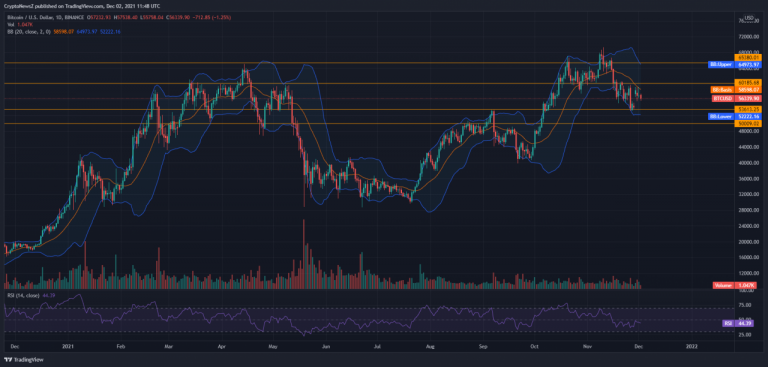
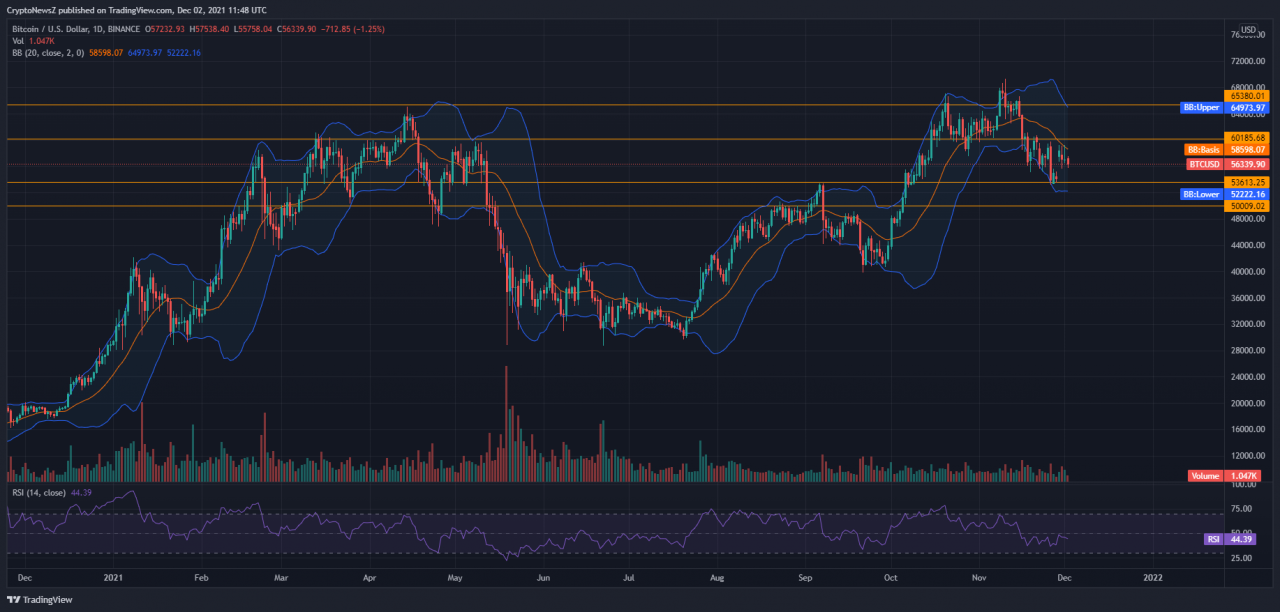
As bitcoin stock takes center stage, it invites investors to explore a new alternative investment that stands apart from traditional stocks. With its unique position in the financial landscape, Bitcoin offers a compelling option for those looking to diversify their portfolios. This opening beckons readers into a world where the exciting potential of cryptocurrencies meets the foundational principles of stock investment.

The discussion ahead will delve into Bitcoin’s performance alongside major stock indices, its historical price trends, and the impact of significant market events. By comparing investment strategies and examining the risks and rewards, we will uncover what makes Bitcoin a fascinating alternative to traditional stock investments.

Overview of Bitcoin as a Stock Alternative

Bitcoin has emerged as a significant alternative investment to traditional stocks in recent years. As the first cryptocurrency, it has paved the way for a new asset class that appeals to a diverse range of investors. With its decentralized nature and potential for high returns, Bitcoin offers unique advantages compared to conventional stock markets, attracting both seasoned investors and newcomers looking for diversification and growth opportunities.Bitcoin’s performance has been notable when compared to major stock indices like the S&P 500 and the Dow Jones Industrial Average.

Over certain periods, Bitcoin has significantly outperformed these traditional indices, showcasing its potential as a lucrative investment option. For instance, during the bull market of 2020-2021, Bitcoin skyrocketed, with returns that far exceeded those of stock indices. This performance demonstrates that Bitcoin is not just a speculative asset but can also be viewed as a serious investment choice.

Volatility Comparison with Stock Market Fluctuations

The volatility of Bitcoin is a crucial characteristic that differentiates it from traditional stocks. While stocks can experience price swings, Bitcoin’s fluctuations are often much more pronounced. This volatility can be attributed to several factors, including market sentiment, regulatory news, and macroeconomic trends. To illustrate the extent of Bitcoin’s volatility compared to stock markets, consider the following points:

  • Bitcoin has experienced daily price swings exceeding 10% on multiple occasions, which is uncommon for major stocks or indices.
  • In the first half of 2021 alone, Bitcoin’s price fluctuated dramatically, reaching an all-time high of nearly $65,000 before falling below $30,000 within months.
  • Conversely, major stock indices like the S&P 500 tend to have more stable price movements, generally experiencing daily changes of less than 2%.

The high volatility of Bitcoin can both present opportunities for high returns and risks of significant losses, making it essential for investors to understand their risk tolerance.

In summary, Bitcoin’s role as a stock alternative provides unique investment opportunities characterized by its impressive performance against traditional indices and its inherent volatility. Understanding these factors is crucial for investors navigating this evolving landscape.

Historical Performance of Bitcoin and Stocks

Bitcoin stock

The historical performance of Bitcoin and traditional stocks presents a fascinating contrast, highlighting the volatility and potential of the cryptocurrency market against the steadiness of established equity markets. Since Bitcoin’s inception in 2009, its journey has been marked by dramatic rallies and sharp corrections, showcasing its unpredictable nature. Understanding these trends offers valuable insights for investors considering Bitcoin as an alternative stock investment.

Price Trends of Bitcoin Since Inception

Bitcoin was launched in January 2009 when its price was virtually negligible. The first recorded price in 2010 was around $0.003, and it began to gain traction among tech enthusiasts and libertarians. In December 2017, Bitcoin reached an all-time high of nearly $20,000, fueled by hype and speculation. After a significant correction, Bitcoin once again surged in 2020, with the price surpassing $60,000 in April 2021.

Notably, the price volatility of Bitcoin has been a defining characteristic, with swings of over 25% occurring over short periods.

Bitcoin Growth Compared to the S&P 500

Comparing Bitcoin’s growth to the S&P 500 provides a stark contrast in investment performance. Bitcoin’s average annual return since 2010 has been approximately 200%, significantly outpacing the S&P 500, which has delivered an average annual return of around 10% over the same period. The following statistics illustrate this remarkable growth trajectory:

  • 2010-2020: Bitcoin grew from approximately $0.003 to over $29,000, representing an astronomical growth rate.
  • S&P 500 Growth: In the same timeframe, the S&P 500 rose from about 1,100 to around 3,700, demonstrating a steady but much slower increase.

The stark difference in returns underlines why many investors view Bitcoin as a compelling alternative asset class.

Major Events Impacting Bitcoin and Stock Prices

Throughout its history, Bitcoin’s price has been influenced by a series of significant events, echoing the impacts of economic trends on stock markets. Key milestones include regulatory developments, technological advancements, and macroeconomic trends. Understanding these events provides context for Bitcoin’s price fluctuations and helps investors navigate its complexities.

  • Regulatory Changes: Government crackdowns, such as China’s ban on cryptocurrency transactions in 2021, have led to sharp declines in Bitcoin prices, mirroring how changes in policy can impact stock markets.
  • Market Adoption: Increased institutional adoption, highlighted by companies like Tesla and MicroStrategy investing in Bitcoin, has driven prices upward, similar to how tech stocks surged during the dot-com boom.
  • Global Economic Trends: Economic uncertainty, such as fears of inflation or recession, often leads investors to Bitcoin as a hedge, showcasing its utility as a store of value amidst stock market volatility.

“The history of Bitcoin is a narrative of rapid ascents and heartbreaking descents, akin to the most tumultuous roller coasters, yet it continues to attract attention as a revolutionary asset.”

Investment Strategies for Bitcoin and Stocks

Investing in Bitcoin alongside traditional stocks can offer a diversified approach to building a financial portfolio. Understanding the nuances of both asset classes is essential for formulating effective investment strategies. This section will delve into investment guidelines for integrating Bitcoin, compare short-term trading methods, and evaluate long-term holding strategies for both Bitcoin and stocks.

Guidelines for Investing in Bitcoin with Stocks

When adding Bitcoin to a stock portfolio, it’s crucial to establish a clear investment strategy that aligns with your financial goals. Investors should consider the following guidelines:

  • Risk Tolerance Assessment: Evaluate your comfort level with market volatility, especially considering Bitcoin’s historical price fluctuations compared to traditional stocks.
  • Diversification: Allocate a small percentage of your portfolio to Bitcoin, typically between 5-15%, to mitigate risks while still benefiting from potential upsides.
  • Regular Monitoring: Keep an eye on market trends, news, and regulatory changes that could impact Bitcoin’s price and overall market sentiment.
  • Utilize Dollar-Cost Averaging: Invest a fixed amount in Bitcoin at regular intervals to reduce the impact of volatility and avoid timing the market.

Short-term Trading Strategies for Bitcoin and Stocks

Short-term trading strategies can differ significantly between Bitcoin and traditional stocks due to market behavior and liquidity. Here are some effective strategies for both:

  • Day Trading: This strategy involves making multiple trades within a single day, taking advantage of price movements. Bitcoin’s high volatility can lead to substantial gains (or losses) within short periods, requiring active monitoring and quick decision-making.
  • Scalping: Aimed at exploiting small price gaps, scalping involves making numerous trades throughout the day. Bitcoin traders often use this strategy due to its rapid price changes, while stock scalping can be more challenging due to lower liquidity in some stocks.
  • Technical Analysis: Using charts and indicators to predict price movements is crucial in both asset classes. Bitcoin traders may rely on volume, momentum indicators, and support/resistance levels more heavily due to the asset’s rapid price changes.

Long-term Holding Strategies for Bitcoin and Stocks

Long-term investment strategies require a different mindset, focusing on potential growth over time rather than immediate returns. Here are the key considerations for holding both asset classes:

  • HODLing Bitcoin: This term, derived from a misspelled forum post, refers to holding onto Bitcoin regardless of market fluctuations. Investors believe in the long-term value of Bitcoin as a digital asset and store it securely, often in hardware wallets.
  • Investing in Dividend Stocks: For traditional stock investments, focusing on companies that regularly pay dividends can provide a steady income stream while the investor benefits from potential long-term capital appreciation.
  • Understanding Market Cycles: Both Bitcoin and stocks experience bull and bear markets. Investors should be prepared for price corrections and ensure their portfolio can withstand market downturns, particularly Bitcoin’s notorious volatility.

“Investing in Bitcoin requires a strong understanding of market dynamics, particularly for those accustomed to the more stable environment of traditional stocks.”

Risks and Rewards of Investing in Bitcoin vs. Stocks

Investing in Bitcoin and stocks presents a distinct set of opportunities and challenges. While both asset classes can yield significant returns, each comes with its own risks and benefits that are crucial for investors to understand. This section delves into the unique risks associated with Bitcoin investments, explores the potential rewards Bitcoin offers over traditional stocks, and examines how market sentiment influences both investment types.

Unique Risks of Investing in Bitcoin

Investing in Bitcoin carries specific risks that differ from those associated with traditional stocks. These risks stem largely from the relatively nascent nature of the cryptocurrency market and regulatory uncertainties. Key risks include:

  • Market Volatility: Bitcoin is notoriously volatile, with prices capable of experiencing drastic fluctuations within short time frames. This volatility can lead to significant gains but also substantial losses, creating a challenging landscape for investors.
  • Regulatory Risks: As a digital asset, Bitcoin is subject to varying regulations across different jurisdictions. Changes in government policies or regulatory frameworks can affect its value and accessibility.
  • Security Concerns: Cryptocurrency exchanges and wallets are targets for cyberattacks. Investors may face risks of hacking and theft, leading to irreversible losses.
  • Market Manipulation: The relative lack of regulation in the cryptocurrency market can lead to price manipulation through practices like “pump and dump,” where prices are artificially inflated and then sold off by manipulators.
  • Technological Risks: The underlying technology of Bitcoin, while robust, is still evolving. Potential vulnerabilities in blockchain technology or unforeseen technical issues can pose risks to investors.

Potential Rewards for Bitcoin Investors Compared to Stock Investors

Despite the risks, Bitcoin offers unique advantages that appeal to many investors. The potential rewards include:

  • High Return Potential: Historically, Bitcoin has demonstrated remarkable growth compared to traditional stocks, offering returns that far exceed those of major stock indices.
  • Portfolio Diversification: Including Bitcoin in an investment portfolio can provide diversification benefits, potentially reducing overall risk when combined with traditional assets.
  • Decentralization: Bitcoin operates independently of central banks and governments, appealing to those seeking an asset that is not influenced by monetary policy or geopolitical events.
  • Accessibility: Bitcoin can be purchased in fractional amounts, making it accessible to a wide range of investors. This democratization of investment opportunities contrasts with higher minimum investment thresholds often seen in stocks.
  • Global Market: Bitcoin operates on a global scale, providing opportunities for investors to tap into international markets and trends without the restrictions often imposed by local regulations.

Influence of Market Sentiment

Market sentiment plays a crucial role in shaping the dynamics of both Bitcoin and stock investments, albeit in different ways. In the stock market, sentiments are often influenced by fundamental factors such as earnings reports, economic indicators, and geopolitical events. Conversely, Bitcoin is heavily influenced by speculative trading and news cycles, often reacting sharply to social media trends, influential endorsements, or regulatory announcements.The psychological aspect of investing in Bitcoin can lead to herd behavior, where collective sentiment drives price movements irrespective of underlying value.

For instance, a positive tweet from a prominent figure can trigger substantial buying pressure, resulting in a rapid price increase. Conversely, negative news can lead to panic selling, causing dramatic price drops. Understanding these sentiment-driven dynamics is essential for investors navigating the Bitcoin landscape.

Regulatory Environment Around Bitcoin and Stocks

The regulatory landscape surrounding Bitcoin and traditional stocks has evolved significantly over the years. As Bitcoin gains more traction as a digital asset, various governments and regulatory bodies are grappling with how to address its unique characteristics compared to established stock markets. Understanding these regulations is crucial for investors who want to navigate the complexities of both investment options effectively.Regulations for Bitcoin trading and investment are still in a formative stage, with varying approaches adopted across different jurisdictions.

In contrast, traditional stock exchanges operate under well-established regulatory frameworks designed to protect investors and maintain market integrity. Below, we explore the regulatory differences and implications for future investments in Bitcoin and stocks.

Regulatory Framework for Bitcoin Exchanges

The regulation of Bitcoin exchanges is often less stringent than that of traditional stock exchanges. While stock exchanges are subject to rigorous oversight by entities like the U.S. Securities and Exchange Commission (SEC), Bitcoin exchanges may not face the same level of scrutiny. This discrepancy can lead to several regulatory challenges:

  • Licensing: Many Bitcoin exchanges operate without formal licensing, which can raise concerns about consumer protection and fraud.
  • Anti-Money Laundering (AML): Although some jurisdictions enforce AML regulations on cryptocurrency exchanges, compliance is inconsistent globally, allowing illicit activities to persist.
  • KYC Policies: Know Your Customer (KYC) policies vary significantly, with some exchanges implementing strict identity verification processes, while others do not, making it easier for anonymous transactions.
  • Taxation: The tax implications for Bitcoin investments are often less clear than for stocks, with many countries still determining how to classify and tax cryptocurrencies.

Comparative Overview of Stock Exchange Regulations

Traditional stock exchanges are regulated by comprehensive laws designed to protect investors and promote market fairness. Key regulatory aspects include:

  • Transparency Requirements: Companies listed on stock exchanges must disclose financial statements and operational details, enhancing investor confidence.
  • Market Manipulation Protections: Regulations prevent practices like insider trading and manipulation to ensure a level playing field for all investors.
  • Investor Protections: Regulatory bodies implement measures that safeguard investor interests, including dispute resolution mechanisms and compensation schemes.
  • Regular Audits: Publicly traded companies undergo routine audits to verify financial health, providing investors with reliable data.

Implications of New Regulations for Future Investments

As the regulatory environment continues to evolve, new regulations can significantly impact both Bitcoin and stock investments. Here are some potential implications:

  • Increased Legitimacy: Stricter regulations could enhance the legitimacy of Bitcoin as an investment class, attracting institutional investors who have been hesitant due to regulatory uncertainties.
  • Market Volatility: The introduction of new regulations could lead to initial market volatility as investors react to changes and adapt to new compliance requirements.
  • Innovation in Regulatory Technology: The necessity for compliance may drive innovation in technologies that facilitate regulatory adherence, benefiting both sectors.
  • Global Regulatory Consensus: As more countries work towards a cohesive regulatory framework, the potential for cross-border investments in Bitcoin could increase, broadening the market.

Future Trends

In the rapidly evolving landscape of finance, the future of Bitcoin and its relationship with the stock market is a topic of increasing significance. As investors seek alternative assets amid economic uncertainty, Bitcoin’s role as a digital currency and investment vehicle continues to grow. This section delves into forecasts for Bitcoin’s performance, insights from industry experts, and the technological advancements that could reshape both Bitcoin and stock markets in the coming years.

Forecast of Bitcoin’s Potential Future Performance

Analysts have begun to draw parallels between Bitcoin’s price trajectory and stock market trends, especially in the context of macroeconomic conditions. Some predict that as institutional adoption of Bitcoin increases, it could stabilize and solidify its status as a legitimate store of value. Various models suggest that Bitcoin could reach new all-time highs, particularly if it gains wider acceptance among retail and institutional investors.Recent projections indicate that Bitcoin could potentially revisit its previous peak prices by the end of this decade, driven by factors such as increased global adoption, inflation hedging, and integration into traditional financial systems.

As companies like Tesla and MicroStrategy have started holding Bitcoin as part of their treasury reserves, this signals a shift in how corporations view cryptocurrencies.

“Bitcoin’s future may depend on its ability to be integrated seamlessly into mainstream investment portfolios, acting not only as a speculative asset but also as a viable hedge against inflation.”

Expert Opinions on Integration into Mainstream Investment Portfolios

The integration of Bitcoin into traditional investment portfolios is gaining traction, as experts emphasize its potential to diversify risk and enhance returns. Leading financial institutions are increasingly recommending Bitcoin allocations, indicating a shift in sentiment toward digital assets. A recent report from a prominent investment firm suggests that a 1-5% allocation of Bitcoin in a diversified portfolio could significantly improve risk-adjusted returns over the long term.

This view is echoed by numerous financial analysts who see Bitcoin not just as a speculative asset but as a legitimate component of a balanced investment strategy.

“Investors should not overlook Bitcoin’s potential as a hedge against economic downturns and a complement to their stock and bond investments.”

Potential Technological Advancements Affecting Bitcoin and Stocks

Looking ahead, technological advancements are poised to influence both Bitcoin and the stock market significantly. Innovations in blockchain technology, such as the development of Ethereum 2.0 and Layer 2 solutions, could enhance transaction speed and reduce costs, making Bitcoin more accessible to everyday users. Furthermore, the rise of decentralized finance (DeFi) platforms is enabling new financial products that blend traditional and digital assets, presenting unique investment opportunities.

As these technologies evolve, they will likely pave the way for greater interaction between Bitcoin and traditional financial markets.Moreover, the introduction of central bank digital currencies (CBDCs) could reshape the competitive landscape. If central banks adopt digital currencies, they may streamline transactions, promote financial inclusion, and impact Bitcoin’s perceived value as a decentralized alternative.

“The future integration of advanced technology into the financial system could create a more interconnected ecosystem for Bitcoin and traditional stocks.”

Case Studies

The exploration of successful investments in Bitcoin and stocks reveals valuable insights into the potential of these financial assets. The journey of various investors and companies showcases not only the profitability but also the strategies that led to success in navigating these markets.

Successful Individual Investors

Notable examples of individual investors illustrate the profound impact of strategic investments in both Bitcoin and stocks. One such story is that of Tim Draper, a venture capitalist who made a significant bet on Bitcoin in 2014 when he purchased nearly 30,000 BTC seized from a Silk Road bust. Draper’s conviction in the cryptocurrency has led to substantial returns, as he estimates that his initial investment has multiplied multiple times over.

Another impressive story is that of Anthony Pompliano, who has been a vocal advocate for Bitcoin. He invested in Bitcoin when it was priced around $1,000 and has since seen its value soar. Pompliano’s approach emphasizes the importance of long-term holding, which he refers to as “HODLing,” and the recognition of Bitcoin as a hedge against inflation.

Companies Adopting Bitcoin as an Asset

Several companies have recognized the value of incorporating Bitcoin into their asset portfolios, leading to noteworthy outcomes. MicroStrategy, a business intelligence company, made headlines when it decided to invest over $1 billion in Bitcoin, viewing it as a superior store of value compared to traditional cash reserves. This strategic move has resulted in a dramatic increase in their stock price, as investors have reacted positively to the company’s forward-thinking strategy.

Tesla is another prime example, having invested $1.5 billion in Bitcoin in early 2021. The announcement not only boosted the price of Bitcoin but also led to a surge in Tesla’s stock, demonstrating how corporate adoption of cryptocurrency can positively impact shareholder value.

Lessons from Investors Navigating Both Markets

Investors who successfully maneuvered through both Bitcoin and stock markets have gleaned several key lessons. Understanding market cycles is crucial; both Bitcoin and stocks experience volatility, and recognizing these patterns can aid in decision-making. Additionally, diversification is vital. Many successful investors allocate their portfolios across various assets to mitigate risks.The importance of research and staying informed cannot be overstated. Investors who keep abreast of market trends, regulatory changes, and technological advancements often find themselves better positioned to capitalize on opportunities.

Lastly, psychological resilience plays a significant role. Successful investors maintain composure during market downturns, focusing on long-term strategies rather than short-term fluctuations.

“Investing is not about timing the market, but about time in the market.”

Ultimate Conclusion

In conclusion, the journey through the world of bitcoin stock reveals its dynamic nature and potential as an investment vehicle. As more investors consider adding Bitcoin to their portfolios, understanding its volatility, regulatory environment, and historical context becomes essential. With thoughtful approaches and informed strategies, investors can navigate both Bitcoin and traditional stocks, paving the way for successful investment experiences.

Commonly Asked Questions

What is bitcoin stock?

Bitcoin stock refers to investments in Bitcoin as an asset class, similar to traditional stocks.

How does Bitcoin’s volatility compare to stocks?

Bitcoin tends to be more volatile than stocks, with significant price swings in shorter timeframes.

Can I invest in Bitcoin through traditional stock exchanges?

No, Bitcoin is traded on specific cryptocurrency exchanges, not traditional stock exchanges.

What are the tax implications of investing in Bitcoin?

Bitcoin investments may be subject to capital gains taxes, similar to stocks, depending on your jurisdiction.

Is Bitcoin a good long-term investment?

Many investors see Bitcoin as a good long-term investment due to its growth potential, but it carries risks.

Unlock the secrets of the financial world with our comprehensive online course in investing. This in-depth program is designed for beginners and experienced investors alike, equipping you with the knowledge and strategies needed to navigate the complexities of the market. Learn the fundamentals of investment, from understanding risk tolerance to mastering portfolio management, and discover how to make informed decisions that align with your financial goals.

This course provides a structured learning path, offering a mix of theoretical concepts and practical application. Expect engaging video lessons, insightful articles, interactive quizzes, and simulated trading environments. The program’s flexibility allows you to learn at your own pace, making it accessible and adaptable to your busy schedule.

Introduction to Online Investing Courses

Online investment courses provide structured learning opportunities for individuals seeking to enhance their knowledge and skills in the field of finance. These courses cover a range of topics, from fundamental investment principles to advanced trading strategies. They are increasingly popular due to their accessibility and flexibility compared to traditional methods of financial education.These courses are designed to equip learners with the necessary tools and insights to make informed investment decisions.

They offer a dynamic and interactive approach to learning, often incorporating real-world examples and case studies. This enables participants to apply their newly acquired knowledge to practical scenarios.

Types of Online Investment Courses

Online investment courses cater to various experience levels. Beginner courses lay the groundwork, introducing fundamental concepts such as asset allocation, risk tolerance, and diversification. Intermediate courses delve deeper into specific investment strategies, including value investing, growth investing, and dividend investing. Advanced courses focus on more complex topics like portfolio management, algorithmic trading, and risk assessment, often demanding prior knowledge of investment principles.

Benefits of Online Courses Compared to Traditional Methods

Online investment courses offer several advantages over traditional methods, such as in-person seminars or workshops. They typically provide greater flexibility in terms of scheduling and pace, allowing learners to fit their studies around their existing commitments. Accessibility is also significantly improved, as online courses are available to individuals regardless of geographical location. Furthermore, the cost of online courses is often lower than traditional options, making financial education more accessible to a wider audience.

Comparison of Online and Offline Investment Education

The table below highlights the key differences between online and offline investment education.

Feature Online Courses Offline Courses
Cost Generally lower, often offering flexible payment options and potentially bundled deals. Can be more expensive, often involving one-time fees or subscriptions for materials.
Flexibility Highly flexible, allowing learners to study at their own pace and schedule, often from anywhere with internet access. Less flexible, requiring participants to attend sessions at specific times and locations.
Accessibility Widely accessible to anyone with an internet connection, regardless of location. Limited by geographical location, potentially excluding individuals in remote areas or with limited mobility.

Key Concepts in Online Investing Courses

Online investing courses equip individuals with the knowledge and strategies needed to navigate the complex world of finance. These courses cover fundamental concepts, from understanding risk tolerance to selecting suitable investment vehicles. A key benefit of online learning is its accessibility, allowing anyone with an internet connection to learn about investing.

Risk Tolerance and Diversification

Understanding your personal risk tolerance is crucial for making informed investment decisions. Courses often emphasize assessing factors like financial goals, time horizon, and comfort with potential losses. A high-risk tolerance might allow for investments in volatile assets like stocks, while a lower tolerance might lean towards more stable options like bonds. Diversification, a cornerstone of portfolio management, involves spreading investments across various assets to mitigate risk.

This strategy helps reduce the impact of a single investment’s poor performance on the overall portfolio. A well-diversified portfolio generally reduces volatility and enhances long-term returns.

Investment Strategies

Online courses frequently introduce common investment strategies. Value investing, for instance, focuses on identifying undervalued securities, believing that their intrinsic value will eventually rise. Growth investing, on the other hand, seeks out companies with high growth potential, anticipating significant increases in their stock price. Both strategies require research, analysis, and careful consideration of market conditions.

Investment Vehicles

Courses examine different investment vehicles, highlighting their unique characteristics and risks. Stocks represent ownership in a company, offering potential for high returns but also carrying greater volatility. Bonds, which represent loans to companies or governments, provide a more stable income stream but generally offer lower returns. Mutual funds pool money from multiple investors to invest in a diversified portfolio of assets, providing access to broader market exposure with potentially lower individual investment requirements.

Understanding Financial Markets

A critical aspect of successful investing is understanding the intricacies of financial markets. Courses typically delve into market trends, economic indicators, and global events that can impact investment decisions. This knowledge allows investors to make more informed decisions based on the current market conditions and potential future trends. Analyzing market trends, understanding economic indicators, and recognizing global events that impact investment decisions is essential for success.

A thorough understanding of financial markets empowers investors to make well-reasoned choices. By analyzing historical data and current trends, investors can identify opportunities and mitigate potential risks.

Course Structure and Content

A well-structured online investing course is crucial for effective learning. It guides learners through the complexities of the investment world in a logical and organized manner, facilitating comprehension and retention. This structure allows for progressive learning, building foundational knowledge before tackling more advanced concepts.The course design prioritizes practical application. Instead of just theoretical discussions, it emphasizes hands-on activities and simulations to equip learners with the skills necessary to make informed investment decisions.

This approach aims to bridge the gap between classroom learning and real-world application.

Typical Course Structure

A comprehensive online investing course typically follows a modular format, progressing from fundamental concepts to more advanced strategies. Each module builds upon the knowledge acquired in previous modules, ensuring a cohesive and structured learning experience.

Key Topics Covered

The key topics in a structured online investment course often include: an introduction to investment principles, an exploration of various asset classes, and a deep dive into risk management. These are critical components for building a strong foundation in investment strategies. Understanding market dynamics, economic factors, and the intricacies of different asset types are essential.

Learning Materials

A variety of learning materials are employed to enhance understanding and engagement. Videos are used for explanations and demonstrations, providing visual aids. Articles provide in-depth analysis of specific topics, fostering a deeper understanding of the subject matter. Interactive quizzes reinforce knowledge and assess comprehension, while simulations allow for practical application and risk assessment. These learning tools, combined, maximize engagement and understanding of the subject.

Examples of Course Modules

  • Module 1: Introduction to Investing
    -This module introduces the fundamental concepts of investing, including the time value of money, risk and return, and different investment goals. It provides an overview of various investment options and how they are categorized. This helps establish a solid foundation for understanding the complexities of the investment world. Learning objectives include defining key investment terms and describing different investment approaches.

  • Module 2: Understanding Asset Classes
    -This module delves into various asset classes, including stocks, bonds, real estate, and commodities. It examines the characteristics, risks, and potential returns of each asset class. It explains the importance of diversification and how different asset classes react to economic conditions. The module also emphasizes the need to align investment choices with personal financial goals.
  • Module 3: Risk Management
    -This module explores the concept of risk management in investing. It covers the importance of understanding and mitigating risk, including strategies for portfolio diversification and asset allocation. It examines different risk assessment methods and discusses the significance of adjusting investment strategies to manage personal risk tolerance. The module highlights the use of stop-loss orders and diversification to mitigate potential losses.

Online Course Platforms and Providers

Finding the right online platform for your investment education is crucial. Choosing a reputable provider with a strong track record and comprehensive curriculum can significantly impact your learning experience and investment success. This section explores popular platforms, compares their offerings, and Artikels essential criteria for selecting a reliable course.

Popular Online Platforms Offering Investment Courses

Several prominent online platforms host a wide array of investment courses. These platforms often provide a structured learning environment, access to diverse resources, and opportunities for networking. Some of the most well-regarded platforms include Coursera, edX, Udemy, and platforms specifically dedicated to finance, such as Investopedia Academy.

Comparison of Course Providers

Different providers vary in their expertise and reputation. Coursera, for instance, often partners with universities, offering courses taught by renowned professors, providing a high degree of academic rigor. Udemy, on the other hand, boasts a broader selection of courses, often from independent instructors, potentially offering more specialized or niche approaches. Platforms like Investopedia Academy are specifically designed for financial education, with a focus on practical application and industry insights.

Criteria for Selecting a Reputable Online Investment Course Provider

Several factors are essential when choosing an online investment course provider. The provider’s reputation, the qualifications of instructors, the comprehensiveness of the curriculum, and the platform’s user-friendliness are all key considerations. Accreditation of the provider, or of the instructors, is often a good sign of credibility. Also, look for active online communities and forums where students can interact and ask questions.

Positive reviews and testimonials from previous students can be a helpful indicator of the course’s value.

Pricing Models for Online Investment Courses

Pricing models for online investment courses can vary significantly. Some platforms offer free introductory courses or modules, while others provide premium courses with comprehensive content and support materials at a fee. Subscription models are also common, providing access to a library of courses over a specific time period. Be sure to compare the value offered by each pricing model, considering the course’s length, content, and the instructor’s expertise.

  • Freemium Model: Some platforms offer free introductory courses or modules to attract users, followed by a paid option for access to advanced content or materials.
  • One-Time Fee: Courses with a fixed price that covers all course materials and resources. This is a common model for shorter courses.
  • Subscription Model: This model provides access to a library of courses for a monthly or annual fee, offering continuous learning and updates.

Business Law Related to Online Investing Courses

Navigating the legal landscape surrounding online investment courses is crucial for both instructors and students. Understanding the relevant regulations and potential legal implications is vital to ensure ethical conduct and avoid misunderstandings or liabilities. This section will delve into the key legal aspects of offering and taking online investment courses.Offering online investment courses carries a spectrum of legal considerations.

From disclosure requirements to the responsibility for investment advice, careful attention to these legal intricacies is paramount. This section will explore the necessary legal safeguards and best practices for maintaining a compliant and ethical online investment education platform.

Legal Aspects of Offering Online Investment Courses

Understanding the legal framework for online investment courses is essential for instructors and platforms. This involves compliance with securities laws, consumer protection regulations, and educational standards. Failure to adhere to these legal requirements can lead to significant consequences.

  • Securities Laws Compliance: Courses that discuss or promote specific investment strategies, particularly those involving securities, need to adhere to securities laws. These laws often mandate disclosure of material information, including potential conflicts of interest, and restrictions on the types of investment advice that can be offered. For example, unregistered investment advisors cannot provide certain kinds of advice.
  • Consumer Protection Regulations: Online courses must protect consumers from misleading or deceptive practices. This includes ensuring accuracy in course content, transparency in pricing and fees, and clear communication regarding the course’s limitations and potential risks. Failure to meet consumer protection standards can lead to legal action.
  • Educational Standards: Some jurisdictions may have specific requirements for the qualifications and experience of instructors delivering online investment courses. These standards may involve licensing, certifications, or professional designations.

Role of Regulatory Bodies in Online Investment Education

Regulatory bodies play a crucial role in overseeing the online investment education sector to ensure investor protection and maintain market integrity. Their actions can significantly impact the content, delivery, and marketing of online investment courses.

  • Securities and Exchange Commission (SEC): The SEC plays a key role in regulating investment advisors, brokers, and the securities industry. Their regulations can affect the content and delivery of online investment courses, especially if the courses promote specific investment strategies or products.
  • State Securities Regulators: Many states have their own securities regulations that can overlap with or complement federal regulations. These regulations often focus on broker-dealers and investment advisors operating within the state, and online courses might fall under their jurisdiction depending on the specific activities described.
  • Financial Industry Regulatory Authority (FINRA): FINRA, a self-regulatory organization, oversees broker-dealers and investment advisors. Their rules and guidelines can influence the types of investment advice that can be offered in online courses.

Legal Implications of Investment Advice Given in Online Courses

The legal implications of investment advice in online courses depend heavily on the nature and specificity of the advice provided. It is crucial for instructors to understand the boundaries of permissible advice.

  • Providing Investment Recommendations: Offering specific investment recommendations or endorsing particular investment products within an online course could be considered providing investment advice, triggering specific regulations depending on the instructor’s status and the jurisdiction. Clear disclosure is critical.
  • General Investment Education: Providing general investment education, without endorsing specific products or offering personalized recommendations, is generally less problematic. However, even in this case, adhering to disclosure requirements and maintaining objectivity is crucial.
  • Conflicts of Interest: Instructors should disclose any potential conflicts of interest, such as financial relationships with specific investment firms or products. Failing to disclose such conflicts can lead to legal issues.

Examples of Relevant Business Law Issues Related to Online Investment Courses

Numerous business law issues can arise in the context of online investment courses. Examples include the need for proper disclosure of potential conflicts of interest and the handling of student inquiries and complaints.

Example: The need for proper disclosure of potential conflicts of interest. An instructor with a financial interest in a particular investment product must disclose this connection to maintain ethical standards and avoid misleading students.

  • Liability for Course Content: Instructors are responsible for the accuracy and completeness of the course content. Inaccurate or misleading information can lead to legal action.
  • Student Complaints and Disputes: Handling student inquiries and complaints in a timely and professional manner is essential to avoid potential legal issues. Clear dispute resolution procedures are recommended.
  • Intellectual Property Rights: Protecting the intellectual property of the course materials is crucial. This includes trademarks, copyrights, and trade secrets.

Assessment and Certification in Online Investing Courses

Assessment and certification play a crucial role in validating the knowledge and skills acquired by students in online investing courses. Rigorous evaluation methods, coupled with reputable certifications, provide learners with demonstrable proficiency in the field. This ensures that individuals can confidently apply their knowledge to real-world investment scenarios.Assessment methods in online investment courses often include a combination of activities to evaluate understanding and practical application.

This multifaceted approach helps to gauge not just theoretical knowledge but also the ability to apply it effectively.

Assessment Methods

Various assessment methods are used to evaluate learning outcomes in online investment courses. These methods are designed to test comprehension of core concepts and practical application of strategies. A blend of different formats ensures comprehensive learning and retention.

  • Quizzes and Exams: These are common methods to assess fundamental knowledge and comprehension of key concepts. Quizzes are typically shorter assessments covering specific topics, while exams are more comprehensive, encompassing a broader range of materials. Example questions might include multiple-choice, true/false, or short-answer formats.
  • Projects: Projects often require students to apply learned concepts to real-world scenarios. For instance, students might be asked to develop a simulated investment portfolio, analyze financial statements, or conduct market research. This practical application is crucial for building practical investment skills.
  • Case Studies: Case studies present real-world investment situations, requiring students to analyze the factors involved and propose solutions. This method enhances analytical and problem-solving skills, essential in investment decision-making.

Significance of Certifications

Certifications offered by reputable online course providers hold significant value. They serve as a formal acknowledgment of a student’s investment knowledge and competence. This recognition can be a valuable asset in building credibility and enhancing career prospects. Certifications often provide a competitive edge in the job market.

Benefits of Obtaining Investment Certifications

Earning an investment certification from a reputable online course provider offers numerous benefits.

  • Enhanced Credibility: A certification demonstrates a higher level of competency and understanding, which can boost credibility among potential employers and clients.
  • Increased Employability: Certifications often open doors to more job opportunities and higher-paying positions in the financial industry. Employers often prefer candidates with demonstrable investment skills and knowledge.
  • Career Advancement: Certifications can serve as a stepping stone for career advancement, potentially leading to promotions or specialized roles in investment management.
  • Improved Investment Decision-Making: The knowledge and skills acquired through certified courses can directly enhance investment decision-making skills, leading to better financial outcomes.

Certification Process

The process for obtaining a certification from an online investment course typically involves several steps.

  1. Course Completion: Successful completion of all course modules, assignments, and assessments is a prerequisite for certification.
  2. Exam Completion: Passing a comprehensive exam is often required to demonstrate mastery of the subject matter.
  3. Application Submission: Students may need to submit an application to the course provider for certification.
  4. Verification and Issuance: Once the application and requirements are fulfilled, the course provider will verify the completion and issue the certification.

Practical Application and Future Trends

Putting investment knowledge into action is crucial for achieving financial goals. This section explores how to apply learned concepts in real-world scenarios and examines the future of online investing education. We will analyze emerging technologies’ impact and highlight significant trends shaping the field.Applying learned concepts to real-world scenarios requires a practical approach. For instance, understanding fundamental analysis, technical analysis, and portfolio diversification allows for informed investment decisions.

A crucial aspect is creating a personalized investment strategy based on risk tolerance, financial goals, and time horizon. This strategy should be reviewed and adjusted periodically.

Real-World Investment Application

Successful application of investment concepts hinges on several factors. Thorough research and analysis of potential investments are essential, along with a well-defined risk tolerance level. Diversification of investments across various asset classes, like stocks, bonds, and real estate, helps mitigate risks. This approach is more robust than concentrating on a single asset.

Impact of Emerging Technologies

Emerging technologies are rapidly transforming the online investing landscape. For example, artificial intelligence (AI) and machine learning (ML) algorithms are used for automated trading and portfolio optimization. Blockchain technology is impacting the security and transparency of investments. These developments offer significant potential for enhancing investment processes and user experience.

Emerging Trends in Online Investing Courses

Several notable trends are shaping online investment education. Personalized learning paths tailored to individual needs are gaining popularity. Interactive simulations and virtual trading platforms are becoming more prevalent, allowing learners to practice their skills in a risk-free environment. Integration of real-time market data and expert insights into the courses enhances the learning experience.

Potential Future Directions for Online Investment Education

Future online investment education will likely focus on bridging the gap between theoretical knowledge and practical application. Courses will likely incorporate more hands-on experiences through simulated trading environments and mentorship programs. Furthermore, there’s a potential for the emergence of more specialized courses focusing on specific asset classes, such as cryptocurrency or alternative investments. Also, increased integration of virtual reality (VR) and augmented reality (AR) technologies may create immersive learning environments for investors.

Final Summary

In conclusion, this online course in investing provides a robust and comprehensive approach to mastering the art of financial management. From fundamental concepts to practical applications, you’ll gain a strong foundation for building a successful investment portfolio. The course structure, coupled with the interactive learning resources, ensures a dynamic and enriching learning experience. Embark on your investment journey today and unlock your financial potential.

Q&A

What is the difference between value investing and growth investing?

Value investing focuses on identifying undervalued assets, while growth investing targets companies with high potential for future growth. Value investors look for companies with a strong financial history and stable earnings, while growth investors are drawn to companies with innovative products or services.

What are some common investment vehicles covered in the course?

The course covers various investment vehicles, including stocks, bonds, mutual funds, exchange-traded funds (ETFs), and real estate. It provides a comparative analysis to help you choose the most suitable options for your investment goals and risk tolerance.

How can I ensure that the course provider is reputable?

Research the course provider’s experience and reputation in the industry. Look for certifications or affiliations with reputable financial institutions. Read reviews from past students and consider the pricing structure. A reputable provider will offer transparent pricing and clear disclosure about potential conflicts of interest.

What kind of assessment methods are used in the course?

The course uses a variety of assessment methods, including quizzes, exams, case studies, and practical exercises. These assessments help you test your understanding of the concepts and apply them in realistic scenarios.