April 17, 2026

crypto

Getting started with cryptocurrencies can seem daunting, but the Binance app simplifies the process of buying Bitcoin and other crypto. This guide provides a comprehensive overview, walking you through the download and initial setup.

From account creation to secure transactions, we’ll cover everything you need to know. We’ll also compare Binance to other platforms and discuss crucial security considerations. Download the Binance app today and start your crypto journey!

Introduction to Binance and Bitcoin

Binance is a global cryptocurrency exchange, renowned for its vast selection of trading pairs and its user-friendly platform. It facilitates the buying, selling, and trading of various cryptocurrencies, including Bitcoin, Ethereum, and many altcoins. Binance is known for its extensive features, including margin trading, lending, and staking opportunities, catering to both novice and experienced traders.Bitcoin, the first and most well-known cryptocurrency, serves as a decentralized digital currency.

It operates independently of central banks and financial institutions, using cryptography for security and transaction verification. Bitcoin’s value is influenced by factors like market demand, supply, and regulatory developments. Its decentralized nature has sparked both excitement and controversy within the financial world.

Binance as a Cryptocurrency Exchange

Binance distinguishes itself through its diverse range of services and robust infrastructure. The platform offers a comprehensive suite of tools for trading, investing, and managing crypto assets. It caters to a global audience, offering support in multiple languages and accommodating various trading styles. Security measures are paramount, with Binance employing advanced technologies to protect user funds and data.

The exchange’s commitment to innovation and user experience has solidified its position as a major player in the cryptocurrency market.

Bitcoin and its Role in the Cryptocurrency Market

Bitcoin’s pioneering role in the cryptocurrency space has had a profound impact. Its decentralized nature and secure transaction system have inspired the development of numerous other cryptocurrencies. Bitcoin’s price volatility, while sometimes extreme, has also generated substantial returns for investors. Its acceptance as a form of payment, though still limited in some regions, signifies its growing influence in the global financial landscape.

Relationship between Binance and Bitcoin

Binance plays a crucial role in facilitating Bitcoin transactions. As one of the largest cryptocurrency exchanges, it provides a platform for Bitcoin trading and exchange with other cryptocurrencies. The liquidity offered by Binance contributes significantly to the overall Bitcoin market. Its substantial trading volume directly impacts Bitcoin’s price and overall market activity.

Comparison of Binance with Other Exchanges

Feature Binance Coinbase Kraken
Trading Volume High Moderate High
Trading Pairs Extensive Moderate Extensive
Fees Competitive Competitive Competitive
Security Measures Advanced Robust Robust
User Interface Intuitive and user-friendly User-friendly User-friendly
Global Reach Extensive Significant Significant

This table highlights key features of Binance, Coinbase, and Kraken, three prominent cryptocurrency exchanges. It demonstrates Binance’s competitive position in terms of trading volume, selection of trading pairs, and overall user experience. While other exchanges may excel in specific areas, Binance offers a comprehensive and user-friendly platform for trading a wide array of cryptocurrencies, including Bitcoin.

Buying Bitcoin on Binance

Binance is a popular cryptocurrency exchange that allows users to buy and sell Bitcoin. This process, while generally straightforward, involves several steps and security considerations. Understanding these aspects is crucial for a safe and successful Bitcoin purchase.Creating a Binance account and purchasing Bitcoin involves navigating various steps, from account setup to transaction confirmation. Adhering to security best practices is paramount to protect your funds and personal information.

This guide provides a detailed overview of the process, emphasizing safety measures and various payment methods.

Creating a Binance Account

To buy Bitcoin on Binance, you first need a Binance account. The process is relatively simple and usually takes only a few minutes. Ensure you provide accurate information during registration. Using a strong password and enabling two-factor authentication (2FA) is crucial for account security.

Steps to Purchase Bitcoin

The following steps Artikel the process for purchasing Bitcoin on Binance:

  1. Register on Binance and verify your account. This process often involves providing personal identification documents.
  2. Fund your Binance account using supported payment methods.
  3. Locate the Bitcoin trading pair on the platform.
  4. Specify the amount of Bitcoin you want to buy.
  5. Review the transaction details and confirm the purchase.

Payment Methods

Binance supports a wide range of payment methods for Bitcoin purchases. These include bank transfers, credit/debit cards, and various digital wallets. The specific methods available might vary based on your region.

  • Bank Transfers: This method allows you to transfer funds from your bank account to your Binance account. It is a common choice for large purchases.
  • Credit/Debit Cards: Credit and debit cards offer a convenient way to buy Bitcoin with immediate funding. However, fees may apply.
  • Digital Wallets: Digital wallets, like those from various providers, provide another avenue to fund your Binance account, often with quicker transaction times. Some wallets might have specific advantages for international transactions.

Security Best Practices

Protecting your funds and personal information is paramount when buying Bitcoin. Implement these security measures:

  • Strong Passwords: Use a unique and complex password for your Binance account. Avoid easily guessable passwords.
  • Two-Factor Authentication (2FA): Enable 2FA for added security. This requires a second verification step beyond your password, usually through a mobile app.
  • Regular Account Monitoring: Regularly check your Binance account for any suspicious activity.
  • Safe Network Connection: Use a secure and reliable internet connection when accessing your Binance account, particularly when performing transactions.
  • Avoid Phishing Attempts: Be wary of emails or messages requesting your login credentials or sensitive information. Verify any communications from Binance directly through their official channels.

Bitcoin Trading Types

Binance offers various Bitcoin trading options, including:

  • Spot Trading: This involves buying and selling Bitcoin at the current market price.
  • Margin Trading: Margin trading allows you to borrow funds to increase your trading positions, potentially leading to higher profits or losses. It involves risk.
  • Futures Trading: Futures contracts allow you to speculate on the future price of Bitcoin, leveraging market predictions. It involves higher risk.
  • Options Trading: Options trading gives you the right, but not the obligation, to buy or sell Bitcoin at a specific price on or before a specific date.

Flow Chart of Bitcoin Purchase

[A flow chart illustrating the process of buying Bitcoin on Binance, is best visualized graphically. It would start with the user registering on Binance, followed by account verification, funding the account, selecting the Bitcoin trading pair, entering the purchase amount, reviewing transaction details, and finally confirming the purchase. Each step should be represented with a box, connected by arrows.

The flow chart would clearly depict the steps involved in buying Bitcoin on Binance.]

Buying Bitcoin – General Information

Bitcoin, a decentralized digital currency, has captured significant attention as an investment asset. Understanding the process of acquiring Bitcoin, alongside its inherent risks and rewards, is crucial for any prospective investor. This section delves into the mechanics of purchasing Bitcoin, examining the factors impacting its value and comparing different acquisition methods.Purchasing Bitcoin, like any investment, involves potential gains and losses.

A comprehensive understanding of these elements is vital to informed decision-making. The following sections provide insights into the factors driving Bitcoin’s price volatility and the various methods available for acquiring this digital asset.

The Concept of Buying Bitcoin

Bitcoin is purchased using various digital wallets and exchanges. These platforms act as intermediaries, facilitating the exchange of fiat currency (like USD) for Bitcoin. The transaction typically involves a secure transfer of funds to the exchange, followed by the allocation of the corresponding Bitcoin amount to the buyer’s digital wallet.

Risks and Rewards of Bitcoin Investment

Bitcoin’s price volatility presents both opportunities and risks. Significant price fluctuations can lead to substantial profits, but also to substantial losses. While Bitcoin has shown impressive growth potential, its unpredictable price swings demand careful consideration. The reward potential is inherently linked to the risk tolerance of the investor.

Factors Influencing Bitcoin Prices

Bitcoin’s value is influenced by a complex interplay of factors. Market sentiment, regulatory developments, technological advancements, and overall economic conditions all play a role. News and events impacting these areas can create immediate price fluctuations. For example, the implementation of new regulations in a major market can significantly impact investor confidence and, consequently, Bitcoin’s value. Speculation also plays a substantial role in short-term price movements.

Methods of Buying Bitcoin

Various methods are available for purchasing Bitcoin. These include using cryptocurrency exchanges, peer-to-peer (P2P) platforms, and direct purchases from other individuals. Each method has unique characteristics and considerations. Exchanges typically offer a wider range of services and potentially lower transaction fees, but can involve greater security concerns. P2P transactions can involve lower fees but necessitate careful due diligence.

Resources for Learning More About Bitcoin Investment

To enhance your understanding of Bitcoin investment, explore reputable online resources. Educational websites, blogs, and forums provide valuable insights into Bitcoin’s workings, market trends, and investment strategies. Furthermore, consider seeking guidance from financial advisors experienced in digital asset investment.

Frequently Asked Questions (FAQ)

Q: What are the minimum and maximum limits for buying Bitcoin?

Bitcoin exchanges usually set minimum and maximum limits for transactions. These limits vary based on the platform and can be subject to change. Consult the specific exchange’s terms and conditions for precise details.

Q: How secure are Bitcoin exchanges?

The security of Bitcoin exchanges varies. Reputable exchanges implement robust security measures to protect user funds and transactions. It is crucial to research and choose a reputable platform with proven security protocols.

Q: What are the potential tax implications of buying and selling Bitcoin?

Tax implications associated with Bitcoin transactions can vary significantly depending on location and individual circumstances. Consult with a qualified tax professional to understand the specific tax regulations applicable to your situation.

Q: Is it possible to lose all my money while investing in Bitcoin?

Yes, it is possible to lose money when investing in Bitcoin. The volatile nature of the market introduces inherent risks. Proper risk management, diversification, and a thorough understanding of Bitcoin’s characteristics are essential to mitigate potential losses.

Alternative Cryptocurrency Purchase Methods

Beyond Binance, numerous platforms facilitate cryptocurrency acquisition. This section explores alternative avenues, comparing their functionalities and ease of use to Binance. Understanding these options empowers informed investment decisions.

Alternative Cryptocurrency Exchanges

Several reputable cryptocurrency exchanges offer Bitcoin and other cryptocurrencies. These platforms provide similar services to Binance, including deposit and withdrawal options, trading capabilities, and often support a broader array of crypto assets. Some of the most popular and widely used include Coinbase, Kraken, and Gemini.

Comparison with Binance

Each platform possesses unique strengths and weaknesses when compared to Binance. Factors like fees, security protocols, available cryptocurrencies, and user interfaces contribute to platform differentiation. For instance, Coinbase’s user-friendly interface might appeal to novice investors, while Kraken’s advanced trading tools cater to experienced traders.

Ease of Use for Alternative Platforms

Alternative platforms generally strive for user-friendliness, aiming to simplify cryptocurrency acquisition. Clear navigation, intuitive interfaces, and comprehensive tutorials are common features. Step-by-step guides and detailed instructions are typically available on the platform’s help sections, often accompanied by video tutorials for visual learners.

Advantages and Disadvantages of Alternative Platforms

Advantages can include lower fees for specific transactions, wider selection of cryptocurrencies, or a more tailored user experience. Disadvantages might include limited trading volume compared to Binance, or specific limitations on withdrawal options.

Comparative Table of Cryptocurrency Exchange Apps

Exchange Ease of Use Fees Security Cryptocurrency Variety
Binance High Variable Robust Extensive
Coinbase Very High Moderate Strong Significant
Kraken Medium Variable Excellent Broad
Gemini High Moderate Strong Good

Note: The ease of use, fees, and security ratings are subjective and may vary based on individual experiences and market conditions.

Security and Safety Considerations

Securing your cryptocurrency investments, especially Bitcoin, requires a proactive approach. Neglecting security measures can lead to significant financial losses. This section Artikels critical steps to protect your digital assets and personal information when engaging in cryptocurrency transactions.Cryptocurrency transactions, while offering potential financial benefits, come with inherent risks. Understanding and implementing robust security measures is crucial for mitigating these risks and safeguarding your investment.

Strong Passwords and Two-Factor Authentication

Strong passwords are the first line of defense against unauthorized access. Use a unique, complex password for your Binance account and never reuse it for other online services. Consider incorporating a password manager to generate and store strong, unique passwords securely. Two-factor authentication (2FA) adds an extra layer of security. Enable 2FA on your Binance account to require a second verification step (e.g., a code sent to your phone) beyond your password.

This significantly reduces the risk of unauthorized access even if someone compromises your password.

Protecting Personal Information

Protecting your personal information is paramount. Never share your login credentials, private keys, or sensitive financial details with anyone. Be cautious about suspicious emails, messages, or websites that request such information. Verify the authenticity of any communication or website before providing personal data. Avoid using public Wi-Fi networks for sensitive transactions, as they can be vulnerable to interception.

Safeguarding Your Private Keys

Your private keys are the crucial keys to accessing your cryptocurrency. Never share your private keys with anyone, and never store them in easily accessible locations. Keep them secure and confidential, ideally in a secure hardware wallet or a trusted offline storage method. Never trust online services or individuals claiming to help you manage your private keys without a verifiable track record.

A crucial step is to ensure your private keys are not compromised through malware or phishing attempts.

Avoiding Scams and Phishing

Be vigilant against scams and phishing attempts, which often target cryptocurrency investors. Verify the legitimacy of any offers or requests for financial information. Do not click on suspicious links or download attachments from unknown sources. Be wary of promises of high returns with little or no risk, as these are often red flags for scams. Research any company or individual before investing, and look for reviews and ratings from reliable sources.

If something seems too good to be true, it likely is.

Tips for Safe Bitcoin Buying on Binance

Implementing these safety measures will significantly reduce your risk while buying Bitcoin on Binance.

  • Verify Website Authenticity: Ensure the website you are using is the official Binance website. Look for security certificates and check the URL for misspellings or irregularities.
  • Use Strong Passwords: Create unique, strong passwords for your Binance account and other online accounts. Avoid using easily guessed passwords or repeating passwords from other sites.
  • Enable Two-Factor Authentication (2FA): Activate 2FA for your Binance account to add an extra layer of security.
  • Be Cautious of Phishing Attempts: Never share your login credentials, private keys, or sensitive information with anyone or through untrusted channels.
  • Beware of Scams: Exercise caution when encountering unusual offers or requests for financial information.
  • Store Private Keys Securely: Keep your private keys in a safe and secure place, ideally using a hardware wallet or a trusted offline storage method.
  • Avoid Public Wi-Fi: Use a secure Wi-Fi connection or a VPN for all transactions involving sensitive information.
  • Regularly Monitor Your Account: Be aware of any unusual activity on your Binance account and report any suspicious transactions immediately.

Epilogue

In conclusion, downloading the Binance app for buying Bitcoin and crypto is a straightforward process. By following our step-by-step guide and understanding the security measures, you can confidently navigate the world of cryptocurrency. This guide provides a clear path to your crypto investment journey.

Common Queries

How secure is the Binance app?

Binance employs robust security measures, including two-factor authentication and secure transaction protocols. However, users are still responsible for safeguarding their personal information and following best practices.

What payment methods does Binance support?

Binance supports various payment methods for buying Bitcoin, including bank transfers, credit/debit cards, and others. Check the Binance website for the most up-to-date list.

Are there any fees associated with using the Binance app?

Yes, Binance charges fees for transactions. These fees can vary depending on the specific transaction and may be displayed during the process. It’s important to review the current fee structure.

What are some common issues users face with the Binance mobile app?

Some common issues include connectivity problems, compatibility issues with specific devices, and difficulty navigating the app. If you encounter an issue, consult the Binance support center for solutions.
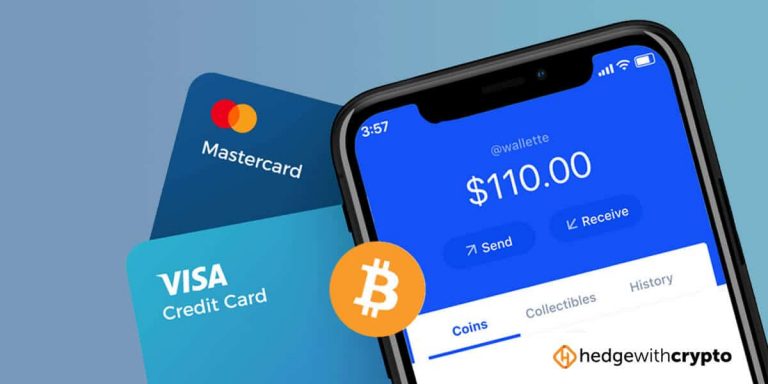
Buying Bitcoin with a credit card at an ATM is a convenient way to enter the cryptocurrency market. This method bridges the gap between traditional finance and the digital realm, making Bitcoin accessible to a wider audience. However, it’s crucial to understand the nuances of this process, including security measures and potential risks.

This guide delves into the specifics of purchasing Bitcoin using credit cards at ATMs, examining the entire process from initial setup to transaction completion. We’ll explore various aspects, from security protocols and fees to alternative methods and the broader regulatory landscape.

Introduction to Bitcoin Purchases

Bitcoin, a decentralized digital currency, has revolutionized the financial landscape since its inception in 2009. Its emergence marked a departure from traditional banking systems, offering users a new avenue for financial transactions. This evolution has led to various methods for acquiring Bitcoin, catering to different user preferences and financial situations. Understanding the nuances of Bitcoin purchases is crucial for navigating this burgeoning market.

Bitcoin and Cryptocurrency: A Different Approach

Cryptocurrencies like Bitcoin operate independently of central banks and governments. This decentralized nature distinguishes them from traditional fiat currencies, which are issued and regulated by central authorities. Bitcoin’s underlying technology, blockchain, ensures transparency and security in transactions, although concerns about volatility remain. The value of Bitcoin, like other cryptocurrencies, is influenced by market forces, leading to fluctuations in price.

Methods for Acquiring Bitcoin

Several avenues exist for acquiring Bitcoin, each with its own set of advantages and disadvantages. These options range from established exchanges to more accessible methods like Bitcoin ATMs. Choosing the right method depends on individual circumstances, including desired security, transaction fees, and convenience.

Comparison of Bitcoin Purchase Methods

Method Description Pros Cons
Cryptocurrency Exchanges Centralized platforms facilitating Bitcoin trading. Wide range of trading options, liquidity, and often lower fees for high-volume transactions. Security risks associated with centralized control, potential for platform outages, and regulatory scrutiny.
Bitcoin ATMs Physical machines enabling direct Bitcoin purchases with credit or debit cards. Convenient, quick, and often accessible in public locations. Generally higher transaction fees, limited transaction amounts, and potential for fraud or ATM malfunction.
Peer-to-Peer (P2P) Platforms Facilitating direct exchanges between buyers and sellers. Potential for lower fees and direct interaction with sellers. Higher risk of scams and fraud due to the lack of intermediaries, requires additional caution in verifying sellers.
Brokerage Accounts Integrating Bitcoin trading into existing brokerage platforms. Ease of access for users already familiar with traditional brokerage services. Potentially higher fees compared to cryptocurrency exchanges, varying levels of support and services for cryptocurrency trading.

“Choosing the appropriate method for acquiring Bitcoin is crucial, as it significantly impacts transaction costs and security.”

Buying Bitcoin with Credit Cards at ATMs

Bitcoin ATMs offering credit card purchases provide a convenient, albeit sometimes costly, method for acquiring Bitcoin. This approach allows users to buy Bitcoin directly using their credit cards at physical locations, often eliminating the need for a traditional bank account or complex online exchanges. However, it’s essential to understand the nuances of this process, including the security measures, fees, and potential drawbacks.

Transaction Process

The process of buying Bitcoin with a credit card at an ATM typically involves inserting your credit card, selecting the desired Bitcoin amount, and confirming the transaction. Many ATMs use a secure payment gateway to process the credit card transaction, safeguarding user information. This method simplifies the purchase process compared to traditional online exchanges. The Bitcoin is then credited to a digital wallet address provided by the user.

Security Measures

Security measures at Bitcoin ATMs are paramount. These ATMs often employ two-factor authentication (2FA) or other security protocols to protect user information during transactions. The encryption of sensitive data, like credit card numbers, is a crucial security component. Furthermore, reputable ATM providers often use industry-standard security protocols to safeguard user data and prevent unauthorized access.

Fees and Commissions

Fees and commissions associated with buying Bitcoin at ATMs via credit cards can vary significantly. These fees often include transaction fees from the credit card company, fees charged by the Bitcoin ATM provider, and sometimes a markup on the Bitcoin exchange rate. It’s crucial to examine the fee structure before making a purchase to avoid unexpected costs. Example: A $100 Bitcoin purchase might have a 5% fee, adding to the final cost.

Pros and Cons of Buying Bitcoin at ATMs with Credit Cards

Pros Cons
Convenience: Direct purchase at a physical location High fees: Transaction costs can be substantial
Simplicity: Relatively easy to use for beginners Limited selection of cryptocurrencies: Primarily Bitcoin
Instant transactions: Funds are often credited quickly Exchange rate markup: Potential for unfavorable exchange rates
Physical interaction: Verification and immediate receipt Limited customer support: Support options may be limited

Reputable Bitcoin ATM Providers

A variety of Bitcoin ATM providers operate globally. Identifying reputable providers is crucial to ensuring a secure and reliable experience. Factors to consider include the provider’s security protocols, customer reviews, and transparency regarding fees. Choosing established providers with a strong track record is vital. Examples of reputable providers vary by region and should be researched thoroughly.

Security Considerations

Buying Bitcoin with credit cards at ATMs presents unique security challenges. While convenient, this method exposes users to potential risks, including scams and fraudulent activities. Understanding these risks and taking proactive security measures is crucial for a safe Bitcoin purchase experience.

Risks Associated with ATM Bitcoin Purchases

ATM-based Bitcoin purchases often involve interactions with third-party platforms or services. This introduces intermediary layers that can be exploited by fraudsters. Criminals may design misleading or malicious interfaces to trick users into revealing sensitive information or making unauthorized transactions. The anonymity inherent in Bitcoin transactions can also make tracing illicit activities difficult.

Potential Scams and Fraudulent Activities

Phishing attacks targeting Bitcoin buyers are prevalent. These attacks often involve fake ATM interfaces or websites that mimic legitimate platforms. Malicious actors may use these deceptive sites to steal credit card details or personal information. Another common scam involves fraudulent ATMs, which may not actually facilitate legitimate Bitcoin transactions. Victims often find their funds are lost and their credit cards compromised.

It is imperative to be vigilant and avoid suspicious-looking ATMs or websites.

Protecting Yourself from Financial Fraud

Thorough verification of the ATM’s legitimacy is essential. Check for official logos and security seals. Look for reputable companies and verify the ATM’s location. Do not use ATMs in secluded or poorly lit areas, as these are often targets for criminal activity. Be wary of unsolicited emails or messages offering attractive Bitcoin deals.

Always use secure and verified platforms for your transactions.

Enhancing Security During Transactions

Use strong and unique passwords for all accounts involved in the transaction. Enable two-factor authentication whenever possible. Be cautious about sharing personal information and never provide sensitive details through unofficial channels. Ensure your internet connection is secure and avoid public Wi-Fi networks for sensitive transactions. Regularly monitor your credit card statements for any unauthorized charges.

Best Practices for Safeguarding Your Bitcoin

Store your Bitcoin in a secure digital wallet. Do not store your private keys or seed phrases on easily accessible devices. Choose a reputable and secure wallet provider, and understand how to secure your wallet’s access. Regularly update your security software and operating systems to patch known vulnerabilities. Avoid using the same passwords for multiple accounts.

Implement strong password management practices.

Alternative Methods for Buying Bitcoin

Beyond ATMs and credit cards, various platforms facilitate Bitcoin purchases. These alternatives offer diverse features, security protocols, and transaction conditions, allowing users to choose the method best suited to their needs. Understanding these options empowers informed decisions and minimizes potential risks.

Cryptocurrency Exchanges

Cryptocurrency exchanges are popular platforms for buying and selling Bitcoin. They typically offer a wide selection of cryptocurrencies, including Bitcoin, alongside a robust trading infrastructure. A variety of features and functionalities, including order books, charts, and trading tools, are generally available. This approach enables users to interact with a broader market and execute trades with greater flexibility.

Pros and Cons of Different Exchanges

Different exchanges cater to varied user needs and preferences. Some prioritize speed and ease of use, while others emphasize security or low fees. Examining the advantages and disadvantages is crucial for a well-informed decision.

  • Ease of Use: User-friendly interfaces and intuitive navigation are hallmarks of some exchanges, simplifying the process for beginners. Conversely, more complex platforms might demand a steeper learning curve.
  • Security Measures: Robust security protocols and measures, including two-factor authentication and cold storage, are important factors for safeguarding user funds. The level of security varies significantly among exchanges.
  • Fees and Transaction Speeds: Transaction fees and processing times differ across exchanges. Some offer lower fees but potentially slower transaction speeds, while others prioritize speed but charge higher fees.

Comparing Exchange Features

A comparative analysis of different exchange platforms can assist in evaluating their suitability. The table below provides a concise overview.

Exchange Fees Transaction Speed Security Ease of Use
Binance Variable, often competitive Generally fast Strong reputation, multi-layered security User-friendly, extensive resources
Coinbase Variable, typically higher for high-volume transactions Moderately fast Well-regarded security measures Simple and intuitive for beginners
Kraken Competitive, potentially lower for high-volume trading Fast Robust security protocols Advanced features for experienced traders

Note: Fees and transaction speeds can fluctuate depending on market conditions and user activity. Security measures are subject to ongoing review and improvement.

Opening an Account on a Cryptocurrency Exchange

The process for opening an account on a cryptocurrency exchange typically involves these steps:

  1. Account Registration: Provide necessary personal information and verify your identity to comply with regulatory requirements.
  2. Verification: Submit supporting documents, such as government-issued IDs and proof of address, to confirm your identity.
  3. Funding the Account: Deposit funds into your exchange account using the supported methods.
  4. Buying Bitcoin: Execute a purchase order for Bitcoin using the available trading tools.

Exchanges often require KYC (Know Your Customer) verification to prevent illicit activities and comply with regulations.

Regulatory Landscape and Legal Aspects

The burgeoning cryptocurrency market is navigating a complex regulatory environment. Governments worldwide are grappling with how to balance fostering innovation with mitigating risks, particularly concerning consumer protection and financial stability. This section explores the current legal framework surrounding Bitcoin purchases, highlighting potential issues and the evolving role of governments.

Current Regulatory Environment

The regulatory environment surrounding Bitcoin purchases is fragmented and varies significantly across jurisdictions. Some countries have embraced cryptocurrencies with clear regulatory frameworks, while others remain hesitant, resulting in a patchwork of rules and guidelines. This lack of uniform regulation can lead to uncertainty and potential legal challenges for consumers and businesses involved in Bitcoin transactions.

Legal Implications of Buying and Holding Bitcoin

The legal implications of buying and holding Bitcoin depend heavily on the specific jurisdiction. In some countries, Bitcoin is treated as a currency, while in others it may be classified as a commodity or security. This distinction significantly affects taxation, compliance, and potential liabilities. For example, if Bitcoin is classified as a security, investors might be subject to securities laws and regulations, potentially requiring registration and disclosure requirements.

Potential Legal Issues Associated with Bitcoin Transactions

Several potential legal issues can arise during Bitcoin transactions. These include disputes over ownership, fraud, money laundering, and tax evasion. A lack of clarity in regulatory frameworks can exacerbate these issues, creating a fertile ground for illicit activities. Moreover, the decentralized nature of Bitcoin can make it challenging to enforce contracts and resolve disputes. It’s crucial to understand the specific laws and regulations in your jurisdiction to mitigate these risks.

Laws and Regulations Related to Cryptocurrency Transactions

Region Key Regulations General Description
United States Various state and federal laws The US regulatory landscape for cryptocurrencies is evolving rapidly, with no single, comprehensive federal law. This leads to a complex interplay of securities laws, money laundering regulations, and tax laws, creating uncertainty for users.
European Union MiCA (Markets in Crypto Assets Regulation) The EU’s MiCA is a landmark regulation aiming to create a harmonized framework for cryptoassets, including Bitcoin. It addresses aspects like licensing, transparency, and consumer protection.
China Stricter controls and bans China has implemented stringent measures, including outright bans on certain cryptocurrency exchanges, demonstrating a more cautious approach to crypto regulation.

Role of Governments in Regulating the Cryptocurrency Market

Governments play a crucial role in establishing a transparent and trustworthy environment for cryptocurrency transactions. Effective regulation can help mitigate risks associated with fraud, money laundering, and market manipulation. This often involves setting clear guidelines on taxation, licensing, and consumer protection, while simultaneously promoting innovation and economic growth in the sector. The approach taken by each government reflects their specific economic and social priorities, along with existing legal frameworks.

Furthermore, ongoing dialogue and collaboration between governments and industry stakeholders are essential to fostering a robust and secure cryptocurrency ecosystem.

Buying Bitcoin in General

Acquiring Bitcoin involves various methods, each with its own set of advantages and considerations. Understanding these different avenues allows individuals to make informed choices aligned with their specific needs and risk tolerance. The process of purchasing Bitcoin can range from straightforward online transactions to more complex procedures, and it’s crucial to grasp the nuances of each approach.

Methods for Purchasing Bitcoin

Several avenues exist for acquiring Bitcoin. These include online exchanges, peer-to-peer (P2P) platforms, and over-the-counter (OTC) markets. Each method presents a unique set of characteristics in terms of accessibility, security, and transaction fees.

Buying Bitcoin Through Online Exchanges

Online exchanges are prominent platforms for buying and selling Bitcoin. They provide a centralized marketplace where users can execute transactions securely and efficiently. The process typically involves registering an account, verifying your identity, and depositing funds into the exchange’s account.

The Process of Buying Bitcoin on Exchanges

The process of buying Bitcoin through an online exchange is generally straightforward. Users typically navigate to the exchange’s website, select the “buy Bitcoin” option, and input the desired amount. A range of payment methods may be available, including bank transfers, credit/debit cards, or other digital wallets. Once the payment is processed, the Bitcoin is credited to the user’s account.

Different Platforms for Buying Bitcoin

Numerous platforms facilitate Bitcoin purchases. These include well-established exchanges like Coinbase, Kraken, and Gemini, each with varying features, fees, and security measures. Other smaller exchanges may cater to specific needs or offer specialized services. Understanding the different features and services available is crucial in choosing the right platform.

Examples of Bitcoin Purchases on Exchanges

To illustrate, consider buying 1 Bitcoin on Coinbase. The user navigates to the “buy Bitcoin” section, enters the desired amount, and selects a payment method (e.g., bank transfer). After confirming the transaction, the user’s Bitcoin wallet is credited. Similar procedures apply to other exchanges, with variations in the interface and available payment options. For instance, Kraken might offer more advanced trading tools, but the fundamental process remains the same.

Verifying Your Identity on a Bitcoin Exchange

Identity verification on Bitcoin exchanges is a critical security measure. This process is typically required to comply with regulations and prevent illicit activities. Exchanges generally request documents like government-issued IDs and proof of address. This process ensures the exchange is dealing with legitimate users and helps mitigate the risk of fraudulent activity. Exchanges employ different verification levels, with more stringent requirements for higher transaction amounts.

For example, some exchanges may require a photo ID and utility bill, while others might use more advanced verification methods.

Technical Aspects of Bitcoin Purchases

buy bitcoin with credit card Archives - ThinkMaverick

Bitcoin transactions, while seemingly complex, rely on a robust underlying technology. Understanding the technical aspects empowers users to make informed decisions about security and potential risks. This section delves into the mechanics of Bitcoin transactions, the blockchain, wallets, and digital signatures.Bitcoin transactions are essentially digital records of value transfer. These records, secured by cryptographic principles, are appended to a public ledger called the blockchain.

This decentralized and transparent nature makes Bitcoin transactions traceable and immutable.

Bitcoin Transaction Mechanics

Bitcoin transactions involve a sender, a recipient, and a cryptographic process. The sender initiates a transaction, specifying the recipient’s address and the amount to be transferred. This transaction is then broadcast to the Bitcoin network. Network nodes verify the transaction’s validity and add it to the blockchain. Crucially, this process ensures that only authorized users can access and spend Bitcoin.

Blockchain Technology

The blockchain is a continuously growing list of records, called blocks. Each block contains a set of transactions, a timestamp, and a cryptographic hash linking it to the previous block. This linked structure forms an immutable chain, resistant to tampering. The decentralization of the blockchain is a key feature; no single entity controls the network. This distributed nature ensures data integrity and transparency.

Wallets in Bitcoin Transactions

Bitcoin wallets are essential for managing and interacting with Bitcoin. They serve as digital containers for private keys, which are used to access and control Bitcoin addresses. These keys are crucial for signing transactions and verifying ownership. Different types of wallets cater to varying user needs, from simple mobile apps to complex software solutions.

Digital Signatures in Bitcoin Transactions

Digital signatures are a fundamental component of Bitcoin transactions. They are used to authenticate the sender and verify the integrity of the transaction. Each transaction is cryptographically signed by the sender, ensuring only the rightful owner can authorize the transfer. This cryptographic method prevents unauthorized access and ensures the security of Bitcoin transactions.

Comparison of Bitcoin Wallets

Wallet Type Description Security Ease of Use Cost
Desktop Wallets Software installed on a computer. Generally high Medium Low
Mobile Wallets Apps for smartphones. High, if properly secured High Low
Hardware Wallets Physical devices designed for secure Bitcoin storage. Very high Medium Medium
Online Wallets Web-based platforms. Variable, depends on provider High Low

The table above provides a basic comparison of different wallet types. Security, ease of use, and cost vary significantly between these options. Users should carefully consider these factors when choosing a Bitcoin wallet.

Customer Reviews and Experiences

Customer feedback plays a crucial role in evaluating the practicality and effectiveness of Bitcoin ATM purchases. Understanding user experiences, both positive and negative, allows for a more comprehensive analysis of the process and identifies areas for improvement. This section explores diverse customer experiences, highlighting common issues and offering insights into the overall satisfaction levels.

Customer Experiences with Bitcoin ATM Purchases

User reviews provide a valuable perspective on the Bitcoin ATM experience. Different users have encountered varying degrees of success and frustration. Positive experiences often involve seamless transactions and user-friendly interfaces, while negative experiences frequently point to technical glitches, long queues, or unclear pricing structures. Ultimately, a diverse range of experiences shapes the overall picture of using Bitcoin ATMs for purchases.

Analysis of Common Issues and Concerns

Common concerns expressed by Bitcoin ATM users include the security of the transactions, the convenience of the process, and the cost-effectiveness of using these ATMs. Concerns regarding the security of transactions are often related to the potential for fraud or technical issues. The convenience factor can vary significantly based on location and availability of ATMs. Cost-effectiveness depends on transaction fees and exchange rates, which can fluctuate.

Positive Aspects of Buying Bitcoin at ATMs

A notable positive aspect is the accessibility of Bitcoin purchases. Bitcoin ATMs provide a physical alternative to online exchanges, particularly for individuals who are less comfortable with online transactions or lack the necessary digital literacy. Furthermore, the immediate nature of transactions is often appealing, as users can acquire Bitcoin directly at the ATM.

Negative Aspects of Buying Bitcoin at ATMs

Potential drawbacks include limited transaction amounts, high fees, and varying exchange rates. Some ATMs may have limitations on the amount of Bitcoin that can be purchased at a time, impacting users who want larger quantities. High fees associated with the transaction can significantly impact the cost-effectiveness of the purchase. Fluctuating exchange rates can lead to unfavorable purchase rates for some users.

Customer Feedback on Different Purchase Methods

Purchase Method Common Feedback
Bitcoin ATMs Accessibility, immediate purchase, but also potential for high fees, limited amounts, and security concerns.
Online Exchanges Convenience, larger transaction amounts, but also potential for scams and security risks, reliance on digital literacy.
Peer-to-peer (P2P) platforms Potential for direct negotiation, but also requires careful verification and transaction security measures, potential for fraud.

Examples of Customer Experiences

“The Bitcoin ATM near my office was easy to use. I bought a small amount of Bitcoin quickly and easily.”

“The Bitcoin ATM transaction fees were surprisingly high. I ended up paying more than I expected for the amount of Bitcoin I purchased.”

“I had a difficult time completing the Bitcoin purchase on the online exchange due to the complex interface.”

Final Wrap-Up

In conclusion, while buying Bitcoin with credit cards at ATMs offers a straightforward approach, careful consideration of security, fees, and alternatives is essential. Understanding the complete process, including the regulatory framework and potential risks, empowers informed decision-making in the dynamic cryptocurrency market. This guide provides a comprehensive overview, enabling users to make well-informed choices regarding their Bitcoin acquisition.

Questions Often Asked

What are the typical fees associated with buying Bitcoin at an ATM using a credit card?

Fees vary significantly depending on the ATM provider and the amount purchased. Usually, there’s a transaction fee from the ATM operator, plus a potential fee from the credit card company. It’s always advisable to check the specific terms and conditions of both before completing a transaction.

What security measures should I consider when buying Bitcoin with a credit card at an ATM?

Using a reputable ATM provider is crucial. Verify the ATM’s security measures, including encryption protocols and fraud prevention policies. Be cautious of suspicious ATMs or requests for unusual information.

Are there any potential risks associated with using credit cards to buy Bitcoin at ATMs?

Potential risks include transaction fraud, ATM malfunction, or the risk of losing your Bitcoin due to a compromised account. Choosing reputable providers and following security best practices mitigates these risks.

What are the alternative methods for purchasing Bitcoin?

Alternative methods include purchasing through cryptocurrency exchanges, which often offer lower fees and wider selection of cryptocurrencies, but usually involve more steps for verification and security. There are also peer-to-peer (P2P) platforms.