April 17, 2026

bitcoin purchases

Cryptocurrency, particularly Bitcoin, has seen explosive growth in recent years. Understanding how to buy Bitcoin, and the nuances of different platforms, is crucial for anyone interested in this burgeoning market. This comprehensive guide delves into the specifics of purchasing Bitcoin with credit cards on Crypto.com, exploring the process, fees, security considerations, and alternative methods.

This guide covers the basics of Bitcoin, various purchasing methods, and the specific features of Crypto.com. We’ll analyze the pros and cons of using credit cards, contrast them with alternative methods like bank transfers, and highlight crucial security practices for Bitcoin transactions.

Introduction to Bitcoin Purchasing

Bitcoin is a decentralized digital currency, operating independently of central banks and financial institutions. It uses cryptography to secure transactions and control the creation of new units. This decentralized nature makes it attractive to some users, while also posing unique challenges for regulation and security.The process of purchasing Bitcoin generally involves selecting a platform, funding an account, and then using the funds to buy the cryptocurrency.

This process often involves verifying user identity and complying with the platform’s specific terms and conditions. Different platforms may employ different interfaces and procedures, so users should always carefully review the platform’s documentation before initiating a transaction.

Bitcoin Purchase Methods

Various methods exist for acquiring Bitcoin. Understanding the different options allows users to choose the most suitable method based on their needs and circumstances. Factors such as transaction speed, fees, and security should be considered when making a choice.

Comparison of Bitcoin Purchase Methods

Method Advantages Disadvantages Fees
Bank Transfer Generally lower fees compared to other methods. Often considered secure if conducted through reputable institutions. Slower transaction times compared to other options. May involve multiple steps and potential delays in processing. Usually low or minimal, often dependent on the bank and transaction details.
Credit/Debit Card Convenient and relatively fast transaction times. Widely available and easily accessible. Higher fees compared to bank transfers. Potential security risks associated with credit card use. May be subject to stricter regulatory oversight in certain jurisdictions. Higher than bank transfer fees. Typically involve a percentage or flat fee, depending on the platform and transaction amount.
Cryptocurrency Exchange Direct exchange with other cryptocurrencies, offering diverse options. Generally fast transaction times. Requires an understanding of the exchange platform and its features. Potential risks associated with the volatility of cryptocurrency markets. Fees vary based on the platform, the transaction volume, and other factors.
Peer-to-Peer (P2P) Platforms Potential for lower fees and direct interaction with sellers. Offers flexibility in transaction amounts and terms. Higher risk of scams or fraudulent activity. Users need to thoroughly vet sellers and be cautious about security measures. Fees vary depending on the P2P platform, transaction volume, and the seller’s terms.

Bitcoin Purchases with Credit Cards on Crypto.com

Crypto.com offers a user-friendly platform for buying Bitcoin, and many users choose to utilize credit cards for this purpose. This section will detail the process, fees, and comparative analysis for Bitcoin purchases via credit cards on the Crypto.com platform.Crypto.com’s platform is designed to be accessible and intuitive for a broad range of users. The platform’s features for Bitcoin purchases include secure transactions, various payment methods, and transparent fee structures.

Understanding the specific aspects of using credit cards for Bitcoin purchases on Crypto.com is crucial for making informed decisions.

Crypto.com Platform Overview

Crypto.com provides a comprehensive digital asset platform that facilitates the buying and selling of cryptocurrencies, including Bitcoin. The platform is known for its user-friendly interface, diverse investment options, and a robust security infrastructure.

Bitcoin Purchase Process with Credit Card

The process of purchasing Bitcoin with a credit card on Crypto.com is straightforward. Users typically initiate the transaction through the platform’s trading interface. After selecting Bitcoin as the asset to purchase, users input the desired amount and proceed with the payment using their credit card information. Verification steps, like those required for any online financial transaction, will be executed.

Fees Associated with Bitcoin Purchases

Transaction fees for buying Bitcoin with a credit card on Crypto.com typically comprise several components. These fees may include a percentage-based transaction fee charged by Crypto.com, and potential additional fees levied by the credit card issuer. The exact breakdown of fees is subject to change and is usually displayed clearly on the platform.

Comparison with Other Purchase Methods

Different methods of purchasing Bitcoin, such as bank transfers or other crypto-to-crypto exchanges, may involve varying fee structures. Direct bank transfers often have lower fees than credit card transactions. However, the convenience and immediate availability of credit card purchases might make them a preferred option for some users.

Step-by-Step Guide for Bitcoin Purchase with Credit Card

This detailed guide provides clear steps for purchasing Bitcoin using a credit card on Crypto.com:

  • Log in to your Crypto.com account.
  • Navigate to the cryptocurrency trading section and select Bitcoin.
  • Enter the amount of Bitcoin you wish to purchase.
  • Select the payment method as “Credit Card.”
  • Enter your credit card details and confirm the transaction.
  • Review the transaction details, including the fees, and finalize the purchase.

Pros and Cons of Credit Card Purchases

Pros Cons
Convenience and speed of transaction Higher transaction fees compared to other methods
Immediate availability of Bitcoin Potential for higher interest charges if not paid in full
Accessibility for users with limited bank account options Credit card issuers may impose additional fees or restrictions.

Alternatives to Buying Bitcoin with Credit Cards

Beyond credit cards, various methods facilitate Bitcoin purchases. Understanding these alternatives empowers informed decisions, considering factors like fees, transaction speeds, and security. Choosing the right approach hinges on individual needs and preferences.

Bank Transfers

Bank transfers offer a secure and established method for acquiring Bitcoin. This approach usually involves transferring funds from your bank account to a designated wallet or exchange. The process typically involves providing bank details and verifying your identity.

The advantages of using bank transfers include security and reliability, often favored for larger transactions. However, transaction times can vary, potentially taking several days to complete, compared to the speed of credit card transactions.

Other Payment Methods

Besides bank transfers, alternative payment methods for Bitcoin purchases include debit cards and peer-to-peer (P2P) transactions. Each option presents unique advantages and disadvantages.

  • Debit Cards: Debit cards allow for direct fund transfers from your bank account to the Bitcoin platform. This process is generally faster than bank transfers, offering a more convenient method for smaller purchases. However, transaction fees and potentially higher charges might be associated with using debit cards.
  • Peer-to-Peer (P2P) Transactions: P2P transactions connect buyers directly with sellers. This method bypasses intermediary platforms, potentially reducing fees. However, it necessitates a degree of trust between parties, and security concerns might arise if not conducted on secure platforms.

Comparison of Bitcoin Purchase Methods

This table provides a comparative overview of Bitcoin purchase methods, highlighting key features:

Method Pros Cons Transaction Speed Security
Credit Cards Fast transactions; Convenient; Wide acceptance Potentially higher fees; Credit card risks Fast Moderate
Bank Transfers Secure; Established method; Usually lower fees Slower transaction times; Potentially more complex Slow High
Debit Cards Fast transactions; Convenient Potentially higher fees; Less secure than bank transfers Fast Moderate
P2P Transactions Potentially lower fees; Direct interaction Security risks if not on a secure platform; Requires trust Variable Variable

Security Considerations for Bitcoin Purchases

Buying Bitcoin, like any investment, carries inherent security risks. Understanding these risks and implementing appropriate security measures is crucial to protecting your digital assets. This section details potential dangers and proactive steps to safeguard your Bitcoin holdings.Bitcoin purchases, while convenient, are vulnerable to various threats, making security a paramount concern. A robust security strategy is essential for safeguarding your investment and preventing financial losses.

Security Risks Related to Bitcoin Purchases

Bitcoin transactions are irreversible, making security measures even more important. A compromised account or a successful phishing attack can result in the loss of your investment without recourse. Poorly secured digital wallets, unverified exchanges, and malicious actors are significant security threats in the crypto landscape. Furthermore, the anonymity associated with Bitcoin can mask criminal activities, making it a target for illicit transactions.

A critical risk is the possibility of fraudulent exchanges or scams designed to exploit the vulnerability of new investors.

Security Measures to Protect Your Bitcoin Investments

Implementing robust security measures is paramount to mitigating risks associated with Bitcoin purchases. Utilizing strong passwords, enabling two-factor authentication (2FA), and regularly updating your software are crucial preventative measures. Employing strong security practices helps to prevent unauthorized access and maintain the integrity of your digital assets.

Importance of Strong Passwords and Two-Factor Authentication

Robust password security is essential for protecting your accounts. Avoid easily guessable passwords and use a unique password for each Bitcoin-related account. Implement two-factor authentication (2FA) whenever possible. 2FA adds an extra layer of security, requiring a second verification step beyond a password. This significantly reduces the risk of unauthorized access even if a password is compromised.

Common Scams and Phishing Attempts Related to Bitcoin Purchases

Phishing attacks, often disguised as legitimate communication, are common tactics used to steal Bitcoin. Be wary of emails, text messages, or social media posts that request your login credentials or ask you to click on suspicious links. Phishing scams can target users through various channels. Verify the legitimacy of any request for sensitive information before responding. A key characteristic of these scams is the urgent tone or pressure to act quickly.

These are often designed to exploit human psychology and create a sense of urgency.

Best Practices for Securing Your Digital Wallet

Securing your digital wallet is a critical aspect of Bitcoin investment security. Store your private keys offline whenever possible. Avoid storing your private keys in easily accessible digital locations, and consider using hardware wallets. Furthermore, be cautious when interacting with websites and applications, and ensure they are secure.

List of Common Security Threats

  • Phishing Attacks: Malicious actors attempt to trick users into revealing sensitive information, like login credentials, through deceptive emails, text messages, or websites.
  • Malware Infections: Malicious software can steal your private keys or gain unauthorized access to your accounts.
  • Social Engineering: Manipulating users into divulging sensitive information through psychological tactics.
  • Compromised Exchanges: Security breaches at cryptocurrency exchanges can result in the loss of user funds.
  • Man-in-the-Middle Attacks: Intercepting communication between users and exchanges to steal information or funds.

Security Best Practices Summary Table

Bitcoin Purchase Method Strong Passwords 2FA Secure Wallets Phishing Awareness
Crypto.com Exchange Yes Yes Hardware wallet recommended Verify all requests
Other Exchanges Yes Yes Hardware wallet recommended Verify all requests
Direct Peer-to-Peer Transactions Yes Not always possible Offline storage crucial Verify identity thoroughly

Buying Bitcoin in General

Purchasing Bitcoin, a digital asset, involves several key steps and considerations. Understanding the process, available platforms, and associated risks is crucial for successful participation in the cryptocurrency market. From selecting a reputable exchange to managing your Bitcoin holdings securely, careful planning and knowledge are essential.Bitcoin, unlike traditional currencies, exists solely in a digital form. Its value is influenced by factors like market demand, regulatory changes, and technological advancements.

This volatility necessitates a nuanced approach to investment, requiring a thorough understanding of the market dynamics and your personal risk tolerance.

Bitcoin Exchange Platforms

Various platforms facilitate the purchase and sale of Bitcoin. These exchanges act as intermediaries, connecting buyers and sellers. Choosing the right platform depends on factors like fees, security measures, and user interface.

  • Different exchanges cater to diverse user needs. Some are geared towards experienced traders, while others prioritize ease of use for beginners.
  • Factors like fees, security protocols, and available trading instruments (e.g., margin trading) influence the selection process. A user should thoroughly evaluate each platform’s features and reputation before committing.

Types of Bitcoin Wallets

Bitcoin wallets are software or hardware applications that store and manage private keys for accessing Bitcoin. The choice of wallet depends on the user’s security needs and technical expertise.

  • Software wallets are installed on personal devices, like computers or smartphones. These wallets often offer convenience but require a strong password and reliable security measures on the user’s device.
  • Hardware wallets are physical devices designed specifically for secure Bitcoin storage. They offer enhanced security by storing private keys offline, protecting against online hacking and malware.
  • Different wallets offer various functionalities, including sending, receiving, and storing Bitcoin. These functionalities may include advanced features for experienced users.

Comparison of Bitcoin Wallet Features

Comparing different wallets involves considering factors like security, ease of use, and available features. The user’s comfort level with technology and the desired level of security influence the wallet selection.

Wallet Type Security Ease of Use Features
Software Wallet Moderate (reliant on user security practices) High (often user-friendly interfaces) Sending/receiving, basic transactions
Hardware Wallet High (offline storage of private keys) Moderate (some require technical setup) Secure storage, advanced transaction options
Mobile Wallet Moderate (reliant on device security) High (accessible from smartphones) Sending/receiving, basic transactions

Bitcoin Volatility

Bitcoin’s price fluctuates significantly. Understanding this volatility is essential for managing risk. The market’s unpredictable nature can lead to substantial gains or losses.

“Bitcoin’s value is notoriously volatile, making it a high-risk, high-reward investment.”

Historical data and market analysis can help in understanding the trends and potential price movements. A user should thoroughly research and consider their risk tolerance before investing in Bitcoin. It is critical to diversify investments to mitigate risk.

Bitcoin Exchange Platforms Comparison

A comprehensive comparison of popular Bitcoin exchange platforms reveals diverse features and functionalities. The table below illustrates this diversity.

Exchange Platform Pros Cons
Binance High trading volume, wide range of cryptocurrencies, competitive fees Steep learning curve for beginners, potential security risks
Coinbase User-friendly interface, strong security measures, regulated in many jurisdictions Limited trading options, higher fees compared to some competitors
Kraken Wide selection of trading pairs, advanced trading tools, robust security Can be complex for beginners, higher fees for certain transactions

Crypto.com Specifics

Crypto.com, a prominent player in the cryptocurrency space, offers a wide range of services beyond simply buying and selling Bitcoin. Founded in 2016, the platform has experienced significant growth, attracting a substantial user base. Understanding its history, features, and user feedback is crucial for evaluating its position in the market.Crypto.com’s platform has evolved beyond a simple exchange, encompassing various financial tools and services, demonstrating a proactive approach to expanding its offerings.

This diversification allows users to explore a wider range of cryptocurrency and financial activities.

History and Background

Crypto.com’s origins trace back to 2016. Initially focused on providing cryptocurrency exchange services, the platform has since expanded its offerings to encompass a wider range of financial products and services. The company’s ambition to create a comprehensive financial ecosystem is evident in its continuous development and innovation.

Crypto.com’s Services Beyond Bitcoin Purchases

Crypto.com’s services extend far beyond Bitcoin purchases. The platform offers a diverse range of financial tools and products. These include, but are not limited to, a broad selection of cryptocurrencies for trading, a comprehensive suite of payment cards, and a robust cryptocurrency wallet. This multifaceted approach positions Crypto.com as a more holistic financial platform.

User Reviews and Feedback

User reviews of Crypto.com often highlight both positive and negative aspects. Positive feedback frequently praises the platform’s user-friendly interface, wide range of features, and competitive exchange rates. However, some users express concerns about transaction fees, customer support response times, and security protocols. It’s essential to acknowledge that user experiences can vary.

Crypto.com’s Strengths and Weaknesses Compared to Other Platforms

Crypto.com’s strengths lie in its user-friendly interface and comprehensive suite of financial products. Its wide range of cryptocurrencies available for trading, and a robust payment card system, provide a more holistic financial experience. However, Crypto.com’s weaknesses may include certain transaction fees, which are sometimes perceived as higher than on competing platforms, and the response time of customer support. Overall, the platform’s competitive pricing and user-friendly experience are noteworthy.

Key Features Summary

Feature Description
Cryptocurrency Exchange Allows buying, selling, and trading a variety of cryptocurrencies.
Cryptocurrency Wallet Securely stores and manages digital assets.
Payment Cards Provides access to fiat currency transactions and various financial services.
Interest Accounts Offers interest-bearing accounts for holding cryptocurrencies.
Visa Card Provides a Visa card linked to the user’s Crypto.com account, enabling fiat currency spending.

Conclusive Thoughts

In conclusion, purchasing Bitcoin with a credit card on Crypto.com is a viable option, but it’s essential to weigh the fees and potential risks against alternative methods. Understanding the platform’s features, security protocols, and the overall Bitcoin market is vital for informed decisions. This guide has provided a detailed overview of the process, helping users navigate the world of Bitcoin purchases with confidence.

FAQs

Can I use any credit card on Crypto.com to buy Bitcoin?

Crypto.com generally accepts major credit cards, but specific acceptance can vary. Always check their website for the most up-to-date information.

What are the typical fees for buying Bitcoin with a credit card on Crypto.com?

Fees can vary based on your transaction amount and the specific card you use. Crypto.com’s fee structure is available on their platform, and it’s essential to review these before making a purchase.

Are there any other methods for purchasing Bitcoin besides credit cards?

Yes, alternative methods include bank transfers, debit cards, and peer-to-peer transactions. Each method has its own set of advantages and disadvantages.

How secure is buying Bitcoin with a credit card on Crypto.com?

Crypto.com employs security measures, but like any online transaction, security is a shared responsibility. Following best practices for online security is crucial.
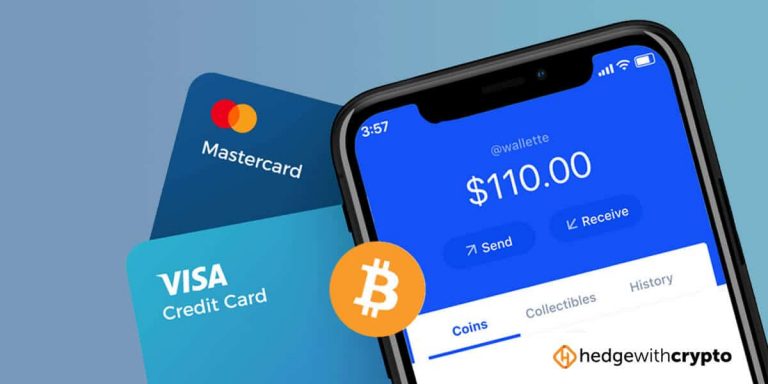
Buying Bitcoin with a credit card at an ATM is a convenient way to enter the cryptocurrency market. This method bridges the gap between traditional finance and the digital realm, making Bitcoin accessible to a wider audience. However, it’s crucial to understand the nuances of this process, including security measures and potential risks.

This guide delves into the specifics of purchasing Bitcoin using credit cards at ATMs, examining the entire process from initial setup to transaction completion. We’ll explore various aspects, from security protocols and fees to alternative methods and the broader regulatory landscape.

Introduction to Bitcoin Purchases

Bitcoin, a decentralized digital currency, has revolutionized the financial landscape since its inception in 2009. Its emergence marked a departure from traditional banking systems, offering users a new avenue for financial transactions. This evolution has led to various methods for acquiring Bitcoin, catering to different user preferences and financial situations. Understanding the nuances of Bitcoin purchases is crucial for navigating this burgeoning market.

Bitcoin and Cryptocurrency: A Different Approach

Cryptocurrencies like Bitcoin operate independently of central banks and governments. This decentralized nature distinguishes them from traditional fiat currencies, which are issued and regulated by central authorities. Bitcoin’s underlying technology, blockchain, ensures transparency and security in transactions, although concerns about volatility remain. The value of Bitcoin, like other cryptocurrencies, is influenced by market forces, leading to fluctuations in price.

Methods for Acquiring Bitcoin

Several avenues exist for acquiring Bitcoin, each with its own set of advantages and disadvantages. These options range from established exchanges to more accessible methods like Bitcoin ATMs. Choosing the right method depends on individual circumstances, including desired security, transaction fees, and convenience.

Comparison of Bitcoin Purchase Methods

Method Description Pros Cons
Cryptocurrency Exchanges Centralized platforms facilitating Bitcoin trading. Wide range of trading options, liquidity, and often lower fees for high-volume transactions. Security risks associated with centralized control, potential for platform outages, and regulatory scrutiny.
Bitcoin ATMs Physical machines enabling direct Bitcoin purchases with credit or debit cards. Convenient, quick, and often accessible in public locations. Generally higher transaction fees, limited transaction amounts, and potential for fraud or ATM malfunction.
Peer-to-Peer (P2P) Platforms Facilitating direct exchanges between buyers and sellers. Potential for lower fees and direct interaction with sellers. Higher risk of scams and fraud due to the lack of intermediaries, requires additional caution in verifying sellers.
Brokerage Accounts Integrating Bitcoin trading into existing brokerage platforms. Ease of access for users already familiar with traditional brokerage services. Potentially higher fees compared to cryptocurrency exchanges, varying levels of support and services for cryptocurrency trading.

“Choosing the appropriate method for acquiring Bitcoin is crucial, as it significantly impacts transaction costs and security.”

Buying Bitcoin with Credit Cards at ATMs

Bitcoin ATMs offering credit card purchases provide a convenient, albeit sometimes costly, method for acquiring Bitcoin. This approach allows users to buy Bitcoin directly using their credit cards at physical locations, often eliminating the need for a traditional bank account or complex online exchanges. However, it’s essential to understand the nuances of this process, including the security measures, fees, and potential drawbacks.

Transaction Process

The process of buying Bitcoin with a credit card at an ATM typically involves inserting your credit card, selecting the desired Bitcoin amount, and confirming the transaction. Many ATMs use a secure payment gateway to process the credit card transaction, safeguarding user information. This method simplifies the purchase process compared to traditional online exchanges. The Bitcoin is then credited to a digital wallet address provided by the user.

Security Measures

Security measures at Bitcoin ATMs are paramount. These ATMs often employ two-factor authentication (2FA) or other security protocols to protect user information during transactions. The encryption of sensitive data, like credit card numbers, is a crucial security component. Furthermore, reputable ATM providers often use industry-standard security protocols to safeguard user data and prevent unauthorized access.

Fees and Commissions

Fees and commissions associated with buying Bitcoin at ATMs via credit cards can vary significantly. These fees often include transaction fees from the credit card company, fees charged by the Bitcoin ATM provider, and sometimes a markup on the Bitcoin exchange rate. It’s crucial to examine the fee structure before making a purchase to avoid unexpected costs. Example: A $100 Bitcoin purchase might have a 5% fee, adding to the final cost.

Pros and Cons of Buying Bitcoin at ATMs with Credit Cards

Pros Cons
Convenience: Direct purchase at a physical location High fees: Transaction costs can be substantial
Simplicity: Relatively easy to use for beginners Limited selection of cryptocurrencies: Primarily Bitcoin
Instant transactions: Funds are often credited quickly Exchange rate markup: Potential for unfavorable exchange rates
Physical interaction: Verification and immediate receipt Limited customer support: Support options may be limited

Reputable Bitcoin ATM Providers

A variety of Bitcoin ATM providers operate globally. Identifying reputable providers is crucial to ensuring a secure and reliable experience. Factors to consider include the provider’s security protocols, customer reviews, and transparency regarding fees. Choosing established providers with a strong track record is vital. Examples of reputable providers vary by region and should be researched thoroughly.

Security Considerations

Buying Bitcoin with credit cards at ATMs presents unique security challenges. While convenient, this method exposes users to potential risks, including scams and fraudulent activities. Understanding these risks and taking proactive security measures is crucial for a safe Bitcoin purchase experience.

Risks Associated with ATM Bitcoin Purchases

ATM-based Bitcoin purchases often involve interactions with third-party platforms or services. This introduces intermediary layers that can be exploited by fraudsters. Criminals may design misleading or malicious interfaces to trick users into revealing sensitive information or making unauthorized transactions. The anonymity inherent in Bitcoin transactions can also make tracing illicit activities difficult.

Potential Scams and Fraudulent Activities

Phishing attacks targeting Bitcoin buyers are prevalent. These attacks often involve fake ATM interfaces or websites that mimic legitimate platforms. Malicious actors may use these deceptive sites to steal credit card details or personal information. Another common scam involves fraudulent ATMs, which may not actually facilitate legitimate Bitcoin transactions. Victims often find their funds are lost and their credit cards compromised.

It is imperative to be vigilant and avoid suspicious-looking ATMs or websites.

Protecting Yourself from Financial Fraud

Thorough verification of the ATM’s legitimacy is essential. Check for official logos and security seals. Look for reputable companies and verify the ATM’s location. Do not use ATMs in secluded or poorly lit areas, as these are often targets for criminal activity. Be wary of unsolicited emails or messages offering attractive Bitcoin deals.

Always use secure and verified platforms for your transactions.

Enhancing Security During Transactions

Use strong and unique passwords for all accounts involved in the transaction. Enable two-factor authentication whenever possible. Be cautious about sharing personal information and never provide sensitive details through unofficial channels. Ensure your internet connection is secure and avoid public Wi-Fi networks for sensitive transactions. Regularly monitor your credit card statements for any unauthorized charges.

Best Practices for Safeguarding Your Bitcoin

Store your Bitcoin in a secure digital wallet. Do not store your private keys or seed phrases on easily accessible devices. Choose a reputable and secure wallet provider, and understand how to secure your wallet’s access. Regularly update your security software and operating systems to patch known vulnerabilities. Avoid using the same passwords for multiple accounts.

Implement strong password management practices.

Alternative Methods for Buying Bitcoin

Beyond ATMs and credit cards, various platforms facilitate Bitcoin purchases. These alternatives offer diverse features, security protocols, and transaction conditions, allowing users to choose the method best suited to their needs. Understanding these options empowers informed decisions and minimizes potential risks.

Cryptocurrency Exchanges

Cryptocurrency exchanges are popular platforms for buying and selling Bitcoin. They typically offer a wide selection of cryptocurrencies, including Bitcoin, alongside a robust trading infrastructure. A variety of features and functionalities, including order books, charts, and trading tools, are generally available. This approach enables users to interact with a broader market and execute trades with greater flexibility.

Pros and Cons of Different Exchanges

Different exchanges cater to varied user needs and preferences. Some prioritize speed and ease of use, while others emphasize security or low fees. Examining the advantages and disadvantages is crucial for a well-informed decision.

  • Ease of Use: User-friendly interfaces and intuitive navigation are hallmarks of some exchanges, simplifying the process for beginners. Conversely, more complex platforms might demand a steeper learning curve.
  • Security Measures: Robust security protocols and measures, including two-factor authentication and cold storage, are important factors for safeguarding user funds. The level of security varies significantly among exchanges.
  • Fees and Transaction Speeds: Transaction fees and processing times differ across exchanges. Some offer lower fees but potentially slower transaction speeds, while others prioritize speed but charge higher fees.

Comparing Exchange Features

A comparative analysis of different exchange platforms can assist in evaluating their suitability. The table below provides a concise overview.

Exchange Fees Transaction Speed Security Ease of Use
Binance Variable, often competitive Generally fast Strong reputation, multi-layered security User-friendly, extensive resources
Coinbase Variable, typically higher for high-volume transactions Moderately fast Well-regarded security measures Simple and intuitive for beginners
Kraken Competitive, potentially lower for high-volume trading Fast Robust security protocols Advanced features for experienced traders

Note: Fees and transaction speeds can fluctuate depending on market conditions and user activity. Security measures are subject to ongoing review and improvement.

Opening an Account on a Cryptocurrency Exchange

The process for opening an account on a cryptocurrency exchange typically involves these steps:

  1. Account Registration: Provide necessary personal information and verify your identity to comply with regulatory requirements.
  2. Verification: Submit supporting documents, such as government-issued IDs and proof of address, to confirm your identity.
  3. Funding the Account: Deposit funds into your exchange account using the supported methods.
  4. Buying Bitcoin: Execute a purchase order for Bitcoin using the available trading tools.

Exchanges often require KYC (Know Your Customer) verification to prevent illicit activities and comply with regulations.

Regulatory Landscape and Legal Aspects

The burgeoning cryptocurrency market is navigating a complex regulatory environment. Governments worldwide are grappling with how to balance fostering innovation with mitigating risks, particularly concerning consumer protection and financial stability. This section explores the current legal framework surrounding Bitcoin purchases, highlighting potential issues and the evolving role of governments.

Current Regulatory Environment

The regulatory environment surrounding Bitcoin purchases is fragmented and varies significantly across jurisdictions. Some countries have embraced cryptocurrencies with clear regulatory frameworks, while others remain hesitant, resulting in a patchwork of rules and guidelines. This lack of uniform regulation can lead to uncertainty and potential legal challenges for consumers and businesses involved in Bitcoin transactions.

Legal Implications of Buying and Holding Bitcoin

The legal implications of buying and holding Bitcoin depend heavily on the specific jurisdiction. In some countries, Bitcoin is treated as a currency, while in others it may be classified as a commodity or security. This distinction significantly affects taxation, compliance, and potential liabilities. For example, if Bitcoin is classified as a security, investors might be subject to securities laws and regulations, potentially requiring registration and disclosure requirements.

Potential Legal Issues Associated with Bitcoin Transactions

Several potential legal issues can arise during Bitcoin transactions. These include disputes over ownership, fraud, money laundering, and tax evasion. A lack of clarity in regulatory frameworks can exacerbate these issues, creating a fertile ground for illicit activities. Moreover, the decentralized nature of Bitcoin can make it challenging to enforce contracts and resolve disputes. It’s crucial to understand the specific laws and regulations in your jurisdiction to mitigate these risks.

Laws and Regulations Related to Cryptocurrency Transactions

Region Key Regulations General Description
United States Various state and federal laws The US regulatory landscape for cryptocurrencies is evolving rapidly, with no single, comprehensive federal law. This leads to a complex interplay of securities laws, money laundering regulations, and tax laws, creating uncertainty for users.
European Union MiCA (Markets in Crypto Assets Regulation) The EU’s MiCA is a landmark regulation aiming to create a harmonized framework for cryptoassets, including Bitcoin. It addresses aspects like licensing, transparency, and consumer protection.
China Stricter controls and bans China has implemented stringent measures, including outright bans on certain cryptocurrency exchanges, demonstrating a more cautious approach to crypto regulation.

Role of Governments in Regulating the Cryptocurrency Market

Governments play a crucial role in establishing a transparent and trustworthy environment for cryptocurrency transactions. Effective regulation can help mitigate risks associated with fraud, money laundering, and market manipulation. This often involves setting clear guidelines on taxation, licensing, and consumer protection, while simultaneously promoting innovation and economic growth in the sector. The approach taken by each government reflects their specific economic and social priorities, along with existing legal frameworks.

Furthermore, ongoing dialogue and collaboration between governments and industry stakeholders are essential to fostering a robust and secure cryptocurrency ecosystem.

Buying Bitcoin in General

Acquiring Bitcoin involves various methods, each with its own set of advantages and considerations. Understanding these different avenues allows individuals to make informed choices aligned with their specific needs and risk tolerance. The process of purchasing Bitcoin can range from straightforward online transactions to more complex procedures, and it’s crucial to grasp the nuances of each approach.

Methods for Purchasing Bitcoin

Several avenues exist for acquiring Bitcoin. These include online exchanges, peer-to-peer (P2P) platforms, and over-the-counter (OTC) markets. Each method presents a unique set of characteristics in terms of accessibility, security, and transaction fees.

Buying Bitcoin Through Online Exchanges

Online exchanges are prominent platforms for buying and selling Bitcoin. They provide a centralized marketplace where users can execute transactions securely and efficiently. The process typically involves registering an account, verifying your identity, and depositing funds into the exchange’s account.

The Process of Buying Bitcoin on Exchanges

The process of buying Bitcoin through an online exchange is generally straightforward. Users typically navigate to the exchange’s website, select the “buy Bitcoin” option, and input the desired amount. A range of payment methods may be available, including bank transfers, credit/debit cards, or other digital wallets. Once the payment is processed, the Bitcoin is credited to the user’s account.

Different Platforms for Buying Bitcoin

Numerous platforms facilitate Bitcoin purchases. These include well-established exchanges like Coinbase, Kraken, and Gemini, each with varying features, fees, and security measures. Other smaller exchanges may cater to specific needs or offer specialized services. Understanding the different features and services available is crucial in choosing the right platform.

Examples of Bitcoin Purchases on Exchanges

To illustrate, consider buying 1 Bitcoin on Coinbase. The user navigates to the “buy Bitcoin” section, enters the desired amount, and selects a payment method (e.g., bank transfer). After confirming the transaction, the user’s Bitcoin wallet is credited. Similar procedures apply to other exchanges, with variations in the interface and available payment options. For instance, Kraken might offer more advanced trading tools, but the fundamental process remains the same.

Verifying Your Identity on a Bitcoin Exchange

Identity verification on Bitcoin exchanges is a critical security measure. This process is typically required to comply with regulations and prevent illicit activities. Exchanges generally request documents like government-issued IDs and proof of address. This process ensures the exchange is dealing with legitimate users and helps mitigate the risk of fraudulent activity. Exchanges employ different verification levels, with more stringent requirements for higher transaction amounts.

For example, some exchanges may require a photo ID and utility bill, while others might use more advanced verification methods.

Technical Aspects of Bitcoin Purchases

buy bitcoin with credit card Archives - ThinkMaverick

Bitcoin transactions, while seemingly complex, rely on a robust underlying technology. Understanding the technical aspects empowers users to make informed decisions about security and potential risks. This section delves into the mechanics of Bitcoin transactions, the blockchain, wallets, and digital signatures.Bitcoin transactions are essentially digital records of value transfer. These records, secured by cryptographic principles, are appended to a public ledger called the blockchain.

This decentralized and transparent nature makes Bitcoin transactions traceable and immutable.

Bitcoin Transaction Mechanics

Bitcoin transactions involve a sender, a recipient, and a cryptographic process. The sender initiates a transaction, specifying the recipient’s address and the amount to be transferred. This transaction is then broadcast to the Bitcoin network. Network nodes verify the transaction’s validity and add it to the blockchain. Crucially, this process ensures that only authorized users can access and spend Bitcoin.

Blockchain Technology

The blockchain is a continuously growing list of records, called blocks. Each block contains a set of transactions, a timestamp, and a cryptographic hash linking it to the previous block. This linked structure forms an immutable chain, resistant to tampering. The decentralization of the blockchain is a key feature; no single entity controls the network. This distributed nature ensures data integrity and transparency.

Wallets in Bitcoin Transactions

Bitcoin wallets are essential for managing and interacting with Bitcoin. They serve as digital containers for private keys, which are used to access and control Bitcoin addresses. These keys are crucial for signing transactions and verifying ownership. Different types of wallets cater to varying user needs, from simple mobile apps to complex software solutions.

Digital Signatures in Bitcoin Transactions

Digital signatures are a fundamental component of Bitcoin transactions. They are used to authenticate the sender and verify the integrity of the transaction. Each transaction is cryptographically signed by the sender, ensuring only the rightful owner can authorize the transfer. This cryptographic method prevents unauthorized access and ensures the security of Bitcoin transactions.

Comparison of Bitcoin Wallets

Wallet Type Description Security Ease of Use Cost
Desktop Wallets Software installed on a computer. Generally high Medium Low
Mobile Wallets Apps for smartphones. High, if properly secured High Low
Hardware Wallets Physical devices designed for secure Bitcoin storage. Very high Medium Medium
Online Wallets Web-based platforms. Variable, depends on provider High Low

The table above provides a basic comparison of different wallet types. Security, ease of use, and cost vary significantly between these options. Users should carefully consider these factors when choosing a Bitcoin wallet.

Customer Reviews and Experiences

Customer feedback plays a crucial role in evaluating the practicality and effectiveness of Bitcoin ATM purchases. Understanding user experiences, both positive and negative, allows for a more comprehensive analysis of the process and identifies areas for improvement. This section explores diverse customer experiences, highlighting common issues and offering insights into the overall satisfaction levels.

Customer Experiences with Bitcoin ATM Purchases

User reviews provide a valuable perspective on the Bitcoin ATM experience. Different users have encountered varying degrees of success and frustration. Positive experiences often involve seamless transactions and user-friendly interfaces, while negative experiences frequently point to technical glitches, long queues, or unclear pricing structures. Ultimately, a diverse range of experiences shapes the overall picture of using Bitcoin ATMs for purchases.

Analysis of Common Issues and Concerns

Common concerns expressed by Bitcoin ATM users include the security of the transactions, the convenience of the process, and the cost-effectiveness of using these ATMs. Concerns regarding the security of transactions are often related to the potential for fraud or technical issues. The convenience factor can vary significantly based on location and availability of ATMs. Cost-effectiveness depends on transaction fees and exchange rates, which can fluctuate.

Positive Aspects of Buying Bitcoin at ATMs

A notable positive aspect is the accessibility of Bitcoin purchases. Bitcoin ATMs provide a physical alternative to online exchanges, particularly for individuals who are less comfortable with online transactions or lack the necessary digital literacy. Furthermore, the immediate nature of transactions is often appealing, as users can acquire Bitcoin directly at the ATM.

Negative Aspects of Buying Bitcoin at ATMs

Potential drawbacks include limited transaction amounts, high fees, and varying exchange rates. Some ATMs may have limitations on the amount of Bitcoin that can be purchased at a time, impacting users who want larger quantities. High fees associated with the transaction can significantly impact the cost-effectiveness of the purchase. Fluctuating exchange rates can lead to unfavorable purchase rates for some users.

Customer Feedback on Different Purchase Methods

Purchase Method Common Feedback
Bitcoin ATMs Accessibility, immediate purchase, but also potential for high fees, limited amounts, and security concerns.
Online Exchanges Convenience, larger transaction amounts, but also potential for scams and security risks, reliance on digital literacy.
Peer-to-peer (P2P) platforms Potential for direct negotiation, but also requires careful verification and transaction security measures, potential for fraud.

Examples of Customer Experiences

“The Bitcoin ATM near my office was easy to use. I bought a small amount of Bitcoin quickly and easily.”

“The Bitcoin ATM transaction fees were surprisingly high. I ended up paying more than I expected for the amount of Bitcoin I purchased.”

“I had a difficult time completing the Bitcoin purchase on the online exchange due to the complex interface.”

Final Wrap-Up

In conclusion, while buying Bitcoin with credit cards at ATMs offers a straightforward approach, careful consideration of security, fees, and alternatives is essential. Understanding the complete process, including the regulatory framework and potential risks, empowers informed decision-making in the dynamic cryptocurrency market. This guide provides a comprehensive overview, enabling users to make well-informed choices regarding their Bitcoin acquisition.

Questions Often Asked

What are the typical fees associated with buying Bitcoin at an ATM using a credit card?

Fees vary significantly depending on the ATM provider and the amount purchased. Usually, there’s a transaction fee from the ATM operator, plus a potential fee from the credit card company. It’s always advisable to check the specific terms and conditions of both before completing a transaction.

What security measures should I consider when buying Bitcoin with a credit card at an ATM?

Using a reputable ATM provider is crucial. Verify the ATM’s security measures, including encryption protocols and fraud prevention policies. Be cautious of suspicious ATMs or requests for unusual information.

Are there any potential risks associated with using credit cards to buy Bitcoin at ATMs?

Potential risks include transaction fraud, ATM malfunction, or the risk of losing your Bitcoin due to a compromised account. Choosing reputable providers and following security best practices mitigates these risks.

What are the alternative methods for purchasing Bitcoin?

Alternative methods include purchasing through cryptocurrency exchanges, which often offer lower fees and wider selection of cryptocurrencies, but usually involve more steps for verification and security. There are also peer-to-peer (P2P) platforms.