April 18, 2026

affiliate marketing

Affiliate marketing is rapidly becoming a cornerstone of influencer strategies. This guide provides a detailed exploration of the multifaceted world of affiliate marketing for influencers, covering everything from fundamental concepts to advanced strategies. We’ll delve into the intricacies of choosing the right affiliate programs, crafting compelling content, and maximizing performance.

Understanding the unique dynamics of influencer marketing within affiliate programs is key to success. This involves aligning your audience with suitable affiliate products or services, fostering genuine engagement, and maximizing your earning potential while upholding ethical standards. This guide will equip you with the knowledge and tools to navigate this exciting landscape effectively.

Introduction to Affiliate Marketing for Influencers

Affiliate marketing is a performance-based marketing strategy where influencers earn a commission for promoting and driving sales of a company’s products or services. It leverages the influencer’s existing audience to generate revenue, making it a powerful tool for both businesses and individuals. This approach relies on the influencer’s credibility and connection with their followers to effectively market products.Influencer marketing, a subset of affiliate marketing, focuses on leveraging the influence of individuals with a dedicated online following to promote products or services.

This strategy is particularly effective as it taps into the trust and recommendations of an established audience, often leading to higher conversion rates compared to traditional advertising methods. The synergy between influencer marketing and affiliate programs creates a mutually beneficial relationship, rewarding influencers for their promotional efforts and boosting sales for the businesses they represent.

Affiliate Marketing Benefits for Influencers

Affiliate marketing offers several key advantages for influencers. It provides an alternative revenue stream beyond traditional sponsorships or brand deals, offering flexible earning potential. The ability to control the narrative and message associated with the products promoted gives influencers greater creative freedom and allows for alignment with their personal brand. This strategy also enables influencers to build long-term relationships with brands they genuinely believe in.

Types of Affiliate Programs for Influencers

Various affiliate program structures cater to different needs and preferences. These programs often vary based on commission rates, payment terms, and the nature of the products or services promoted. Influencers should carefully consider these aspects to optimize their earnings and align the program with their audience and brand.

Comparison of Affiliate Program Structures

Program Feature Per-Sale Commission Recurring Commission Payout Frequency Minimum Threshold
Commission Structure Fixed percentage of each sale. Example: 10% commission on every purchase made through an affiliate link. Regular payment for subscriptions or memberships. Example: Monthly payments for promoting a premium online course. Monthly or Quarterly. Some programs offer daily or weekly payments. $500, $1000, or other specified amount. This threshold varies widely depending on the program and brand.
Payment Terms Usually, the payment is processed after the customer’s order is confirmed. The recurring payments are often processed based on the specified subscription cycle (e.g., monthly). Payments are often processed through check, bank transfer, or direct deposit. The minimum threshold ensures a certain level of sales or revenue generated before payouts are processed.

The table above highlights key aspects of various affiliate program structures. Each program has unique features, and understanding these variations is crucial for influencers to choose programs that align with their financial goals and marketing strategies. Factors such as the nature of the products or services, the frequency of sales, and the commission structure play a significant role in determining the overall profitability of an affiliate program.

Influencer Selection and Niche Targeting

Identifying the right influencers for affiliate marketing is crucial for maximizing campaign effectiveness. Choosing influencers whose audience aligns with the product or service being promoted significantly impacts conversion rates. A well-defined niche allows for targeted outreach and builds trust with the intended consumer base. Effective influencer selection hinges on careful analysis of their audience demographics, engagement metrics, and past performance.Selecting the right influencer niche is paramount to a successful affiliate marketing campaign.

This involves a deep understanding of the target audience and the ability to match them with influencers who have a strong connection with this demographic. It’s about identifying the specific interests and needs of the target market and finding influencers who can effectively communicate with and resonate with them.

Identifying the Right Influencer Niche

Effective affiliate marketing relies on matching the influencer’s audience with the product or service being promoted. A strong alignment between the influencer’s niche and the affiliate program creates a more authentic and persuasive message, ultimately leading to increased conversions. The synergy between influencer and product/service resonates with the audience and builds credibility for both parties.

Audience Alignment with the Affiliate Program

Matching the influencer’s audience to the affiliate program is crucial for success. The influencer’s audience should have a strong interest in the product or service being promoted, thus maximizing the likelihood of conversion. This alignment ensures that the promoted product or service is relevant to the influencer’s audience, leading to higher engagement and sales. An example of successful alignment is a fitness influencer promoting athletic wear, as their audience is directly interested in the promoted product.

Examples of Successful Influencer-Affiliate Partnerships

Successful influencer-affiliate partnerships often feature a strong alignment between the influencer’s audience and the product or service. A beauty influencer collaborating with a skincare brand, for example, is a prime example of this successful alignment. Another example involves a gaming influencer promoting gaming peripherals, whose audience consists of avid gamers. These examples showcase the power of selecting influencers whose audience directly benefits from the product or service.

Strategies for Selecting Influencers Based on Audience Engagement

Evaluating influencer engagement metrics is essential for effective selection. Analyzing factors like likes, comments, shares, and follower counts on social media platforms can provide valuable insights into the influencer’s audience engagement. A high engagement rate signifies an active and responsive audience, increasing the likelihood of successful conversions. Influencers with higher engagement rates are more likely to drive sales.

Influencer Comparison Table

Influencer Audience Demographics Engagement Metrics (Average) Past Performance (Average Conversion Rate)
Fitness Enthusiast (@FitLife) Young adults (18-35), fitness enthusiasts Likes: 1,500, Comments: 300, Shares: 100, Followers: 100,000 10%
Fashion Blogger (@StyleGuru) Women (25-45), fashion-conscious Likes: 800, Comments: 200, Shares: 50, Followers: 50,000 5%
Tech Reviewer (@TechPro) Tech-savvy individuals (20-40), interested in gadgets Likes: 1,200, Comments: 250, Shares: 75, Followers: 75,000 8%

Note: These are illustrative examples and engagement metrics are estimations. Actual data would vary depending on the influencer and platform.

Building an Affiliate Marketing Strategy
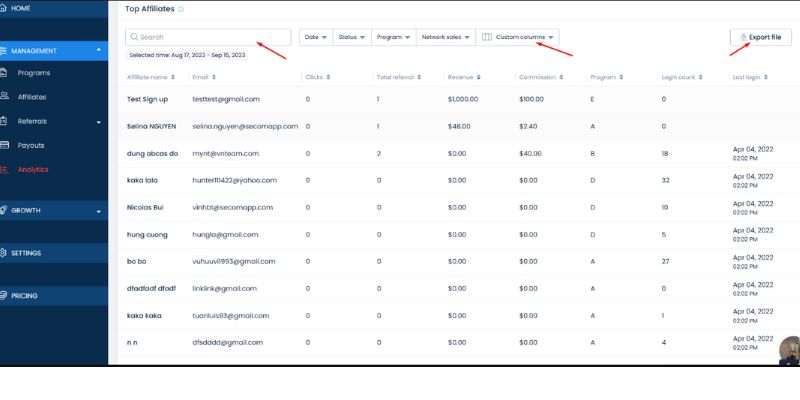
A Brand’s Guide to Influencer Affiliate Marketing - Blog Tapfiliate

Crafting a robust affiliate marketing strategy is crucial for influencers to maximize earnings and build meaningful relationships with their audience. A well-defined plan Artikels clear goals, targets specific products or services, and establishes a content strategy to effectively promote these offerings. This approach builds trust and credibility, ultimately driving conversions.

Developing a Comprehensive Affiliate Marketing Plan

A comprehensive affiliate marketing plan involves several key elements. It’s essential to define clear goals, identify the ideal target audience, and select the right products or services to partner with. The plan should Artikel the budget, timeline, and specific performance metrics to track progress and measure success. Regular review and adaptation are vital for optimizing the strategy and achieving desired outcomes.

Choosing Appropriate Affiliate Products or Services

Selecting the right affiliate products or services is critical for success. This involves aligning with products that resonate with your audience’s interests and needs. Consider the product’s quality, value proposition, and customer reviews. It’s also important to research the competition and identify products with high demand and potential for profitability. Compatibility with your existing content and audience engagement is equally important.

Developing a Content Strategy Around Affiliate Products

A well-structured content strategy is fundamental to effective affiliate marketing. Content should naturally integrate affiliate products or services, rather than feel forced or promotional. Consider creating engaging content formats like blog posts, videos, or social media posts that provide valuable information and highlight the benefits of the products. Content should aim to educate, entertain, or solve a problem for your audience, ultimately driving interest in the affiliate products.

Methods for Choosing and Implementing Content Formats

Effective content formats are crucial for engaging your audience and promoting affiliate products authentically. Consider a mix of formats to cater to different preferences and consumption habits.

  • Blog Posts: In-depth articles on topics related to the affiliate product, providing valuable information and showcasing the product’s benefits. For example, a fitness influencer might create a blog post about the best workout equipment for beginners, highlighting a specific brand’s products within the post.
  • Videos: Video tutorials, reviews, or demonstrations of the product. For example, a beauty influencer could create a video reviewing a new makeup palette, showing its application and highlighting key features.
  • Social Media Posts: Short, engaging content on platforms like Instagram, TikTok, or Facebook, showcasing the product and its benefits. This can include behind-the-scenes glimpses, product spotlights, or short demonstrations.
  • Case Studies: Detailed accounts of how the product has helped others achieve specific results, adding credibility and trust. For example, a financial advisor could create a case study demonstrating how their investment strategy helped clients achieve higher returns.
  • Interactive Content: Quizzes, polls, or surveys related to the product or its category to encourage engagement and build interest. For instance, a travel influencer could create a poll asking followers about their dream travel destinations, highlighting travel products in the discussion.

Examples of Engaging Content Formats for Promoting Affiliate Products

Various content formats can effectively promote affiliate products. A successful strategy often includes a diverse range of formats to cater to different audience preferences and engagement styles.

Content Format Description Example
Blog Post In-depth article on a relevant topic, featuring the affiliate product. A fashion blogger writing a post about the best sustainable clothing brands, highlighting a specific eco-friendly brand.
Video Tutorial Step-by-step guide on using or applying the product. A tech reviewer creating a video demonstrating how to use a new smartphone feature.
Social Media Post Short, engaging content showcasing the product’s benefits. A parenting influencer sharing a photo of their child using a new educational toy, highlighting its benefits.
Instagram Reel Short video showcasing a product’s features in an engaging way. A food blogger creating a Reel showcasing a new cooking appliance.
Podcast Episode Discussion on a relevant topic, featuring the affiliate product. A health and wellness expert interviewing a nutritionist on a podcast, discussing supplements and highlighting specific brands.

Measuring and Optimizing Performance

Tracking and analyzing affiliate marketing performance is crucial for maximizing ROI and ensuring campaign effectiveness. Understanding how to measure key metrics and adapt strategies based on data allows influencers to fine-tune their campaigns for better results. Effective monitoring and optimization are essential to success in this field.Accurate data analysis is the cornerstone of successful affiliate marketing. Without a robust system for measuring performance, influencers risk losing valuable insights into what works and what doesn’t, leading to suboptimal campaign results.

This section will detail various methods for tracking performance, analyzing data, and optimizing strategies.

Methods for Tracking Affiliate Marketing Performance

Tracking affiliate marketing performance requires a multi-faceted approach. Various tools and platforms offer detailed data insights. Using these tools effectively allows for a granular view of campaign performance, revealing patterns and trends that might otherwise go unnoticed.

  • Affiliate Networks: Many affiliate networks provide comprehensive dashboards with detailed performance reports. These reports often include metrics such as clicks, conversions, sales, and revenue generated by each affiliate.
  • Website Analytics: Tools like Google Analytics allow for tracking website traffic and user behavior related to affiliate links. Analyzing data from these tools helps to understand the effectiveness of specific links and promotions.
  • CRM Systems: Customer Relationship Management (CRM) systems can track interactions with customers who made purchases through affiliate links. This data can provide insights into customer behavior and preferences, leading to targeted campaigns.
  • Dedicated Affiliate Tracking Tools: Specialized affiliate marketing tools often provide advanced analytics capabilities. These tools frequently offer features like custom reporting, detailed breakdowns, and campaign comparison tools.

Analyzing Data from Affiliate Marketing Campaigns

Analyzing affiliate marketing campaign data involves more than just looking at numbers. It requires identifying patterns and trends within the data, and using that information to make informed decisions about campaign optimization.This analysis should be focused on understanding which aspects of the campaign are driving positive results, and which aspects need improvement. This can be accomplished through various methods, such as segmenting data, examining conversion funnels, and comparing results across different campaigns.

  • Segmentation: Divide data into smaller groups (e.g., by affiliate, product, or campaign). This detailed breakdown allows for a deeper understanding of which segments are performing well and where potential problems lie.
  • Conversion Funnel Analysis: Examine the steps a customer takes from clicking an affiliate link to making a purchase. This helps identify bottlenecks in the process, such as high cart abandonment rates, and allows for targeted improvements.
  • Comparative Analysis: Compare the performance of different campaigns or strategies to determine which approaches are most effective. For example, compare conversion rates for different promotional methods.

Key Performance Indicators (KPIs) for Affiliate Marketing

KPIs provide quantifiable metrics for evaluating affiliate marketing campaign success. Choosing the right KPIs depends on specific campaign goals.

  • Click-Through Rate (CTR): Measures the percentage of people who click on an affiliate link compared to the number of people who see it.
  • Conversion Rate: Represents the percentage of visitors who complete a desired action (e.g., purchase, sign-up) after clicking an affiliate link.
  • Cost Per Acquisition (CPA): Measures the cost of acquiring a customer through an affiliate link. It’s a crucial metric for evaluating the profitability of a campaign.
  • Return on Investment (ROI): The ratio of profit generated to the cost of the campaign. This is a critical metric for evaluating overall campaign profitability.

Strategies for Optimizing Affiliate Marketing Campaigns Based on Performance Data

Optimizing campaigns involves using performance data to identify areas for improvement and implement targeted changes. This requires a proactive approach, continually monitoring and adjusting campaigns as needed.

  • A/B Testing: Experiment with different variations of creatives, landing pages, or promotional offers to see which performs best. For example, test different headlines or images to see which generates the highest CTR.
  • Targeted Advertising: Use data to identify high-performing audiences and tailor campaigns to reach them more effectively. This could involve refining targeting parameters in advertising platforms.
  • Content Optimization: Enhance affiliate content to improve its effectiveness. This might include adding more persuasive language or incorporating more compelling visuals. For example, update product descriptions to include testimonials or user reviews.
  • Affiliate Relationship Management: Build strong relationships with high-performing affiliates. Encourage and reward affiliates for continued success.

Measuring the ROI of Different Affiliate Marketing Strategies

A table illustrating how to measure the ROI of different affiliate marketing strategies is shown below. It’s important to understand that the specifics of each strategy will impact the ROI calculation.

Affiliate Marketing Strategy Key Metrics ROI Calculation Example
Social Media Marketing CTR, Conversions, CPA, Sales (Total Revenue – Total Cost) / Total Cost A social media campaign generates $10,000 in revenue and costs $2,000. ROI = ($10,000 – $2,000) / $2,000 = 400%
Email Marketing Open Rate, Click-Through Rate, Conversions, CPA, Sales (Total Revenue – Total Cost) / Total Cost An email campaign generates $5,000 in revenue and costs $1,000. ROI = ($5,000 – $1,000) / $1,000 = 400%
Influencer Marketing Reach, Engagement, Conversions, CPA, Sales (Total Revenue – Total Cost) / Total Cost Influencer marketing campaign generates $8,000 in revenue and costs $1,500. ROI = ($8,000 – $1,500) / $1,500 = 433%

Legal and Ethical Considerations

Affiliate marketing, when conducted ethically and transparently, can be a mutually beneficial relationship between influencers and their audience. However, navigating the legal and ethical landscape is crucial to maintain trust and avoid potential repercussions. This section will delve into the key considerations surrounding disclosure, regulations, ethical dilemmas, and best practices for responsible affiliate marketing.Influencers need to understand that their actions directly impact the audience’s trust and perception of them.

Failing to uphold ethical standards can lead to a significant erosion of credibility, impacting future collaborations and brand partnerships. Maintaining ethical conduct is essential for long-term success and positive relationships.

Importance of Disclosure and Transparency

Full disclosure is paramount in affiliate marketing. Influencers must clearly and conspicuously reveal their affiliate relationships with brands. This builds trust by avoiding deception and allowing audiences to make informed decisions. Audiences need to understand the potential for influence from the influencer’s connection to the brand.

Relevant Regulations and Guidelines

Various regulations and guidelines govern affiliate marketing, often focusing on consumer protection and fair advertising practices. These regulations vary across jurisdictions. Understanding and adhering to these regulations is critical to avoid legal issues. Influencers should research and understand the specific rules and regulations applicable to their target audience’s location.

Examples of Ethical and Legal Issues in Influencer Affiliate Marketing

Several ethical and legal issues can arise in influencer affiliate marketing. Misrepresenting a product’s benefits, failing to disclose affiliate relationships, or creating misleading content can lead to reputational damage and legal action. For instance, promoting a product as being suitable for all ages without disclosing an age restriction can be considered misleading. Furthermore, using testimonials or endorsements without permission can also be an ethical concern.

Importance of Obtaining Informed Consent from Audiences

Influencers should obtain informed consent from audiences when using their content to promote affiliate products. This ensures that audiences are aware of the nature of the sponsored content and can make an informed decision about whether or not to engage with it. This practice respects the autonomy of the audience.

Best Practices for Creating Ethical Affiliate Content

Ethical affiliate content focuses on providing valuable and trustworthy information to the audience. It’s crucial to ensure the product recommendations are genuinely beneficial to the audience, and not merely focused on generating revenue. Providing genuine reviews and avoiding exaggeration are important components. Influencers should aim to deliver a clear and honest representation of their experience with the product.

  • Clearly label sponsored content:
  • Use phrases like “sponsored post,” “affiliate link,” or “ad.” This practice helps viewers easily identify promotional content.

  • Provide genuine reviews:
  • Focus on providing honest and unbiased feedback based on personal experience. Avoid exaggerating product benefits or creating misleading comparisons.

  • Avoid misleading or deceptive content:
  • Don’t misrepresent the product’s features, benefits, or intended use. Present accurate information and avoid any attempt to deceive the audience.

  • Respect audience privacy:
  • Avoid collecting unnecessary personal information when promoting affiliate products.

End of Discussion

In conclusion, affiliate marketing for influencers offers a dynamic and lucrative avenue for income generation. By understanding the fundamentals, meticulously selecting the right partnerships, and strategically crafting engaging content, influencers can effectively monetize their reach and establish sustainable revenue streams. This comprehensive guide equips you with the essential knowledge and actionable insights to navigate the world of influencer affiliate marketing successfully.

Helpful Answers

What are some common misconceptions about affiliate marketing for influencers?

A common misconception is that simply promoting any product will yield results. Effective affiliate marketing for influencers requires careful consideration of audience alignment and genuine enthusiasm for the products or services promoted. Another misconception is that it’s solely about generating income; it’s also about building a strong brand reputation and establishing trust with your audience.

How can I ensure ethical and transparent affiliate marketing practices?

Transparency is paramount. Clearly disclose your affiliate relationships to your audience, avoid misleading statements, and promote products or services you genuinely believe in. Adhering to industry best practices and regulations is crucial to maintaining credibility and avoiding potential legal issues.

What are the key performance indicators (KPIs) to track in affiliate marketing campaigns?

Key performance indicators include click-through rates, conversion rates, and the overall return on investment (ROI) of your affiliate marketing efforts. Tracking these metrics helps you assess campaign effectiveness and identify areas for improvement.

How do I choose the right affiliate products or services for my niche?

Thorough research and alignment with your audience are essential. Consider your audience’s needs and interests, and select products or services that naturally complement your content and resonate with your followers. Look for products that align with your brand and can provide a positive experience for your audience.

Affiliate programs offer a compelling alternative to Amazon’s established platform, unlocking opportunities for increased earnings and tailored strategies. Beyond the familiar Amazon affiliate program, a wealth of options awaits those seeking unique commission structures, diverse marketing tools, and potentially higher earning potential.

This exploration delves into the intricacies of various affiliate programs, comparing them to Amazon’s model, and analyzing key factors for successful implementation. We’ll uncover how niche selection, target audience alignment, and program reputation play crucial roles in achieving optimal performance.

Introduction to Affiliate Programs

Affiliate marketing is a performance-based marketing strategy where individuals or businesses (affiliates) promote other companies’ products or services and earn a commission for each sale or lead generated through their unique referral link. This system incentivizes promotion by rewarding those who drive traffic and conversions. It’s a powerful tool for both businesses seeking to expand their reach and affiliates looking to generate income.Affiliate programs function by establishing a partnership between a company (merchant) and an affiliate.

The merchant provides the affiliate with a unique link or code, and when a customer clicks through that link and makes a purchase, the affiliate receives a commission. The affiliate’s success depends on driving traffic to the merchant’s website and converting that traffic into sales. The merchant benefits from increased visibility and sales without the overhead of direct marketing.

Different Types of Affiliate Programs

Beyond Amazon, numerous other affiliate programs exist, each with unique characteristics. These programs cater to diverse niches and offer varied commission structures, required skills, and support. Understanding the nuances of these programs is crucial for choosing the right opportunities.

Examples of Successful Affiliate Programs Outside Amazon

Many successful affiliate programs exist outside of the Amazon ecosystem. These programs often specialize in specific niches, providing targeted audiences for specific products. Examples include programs for health and fitness, travel, or online education, each with dedicated affiliate networks and communities. These programs frequently cater to a specialized market, maximizing conversion rates.

Comparison of Affiliate Program Features

Feature Program A (Example: ClickBank) Program B (Example: ShareASale) Program C (Example: CJ Affiliate)
Commission Structure Typically fixed percentage-based commissions on sales, often with tiered structures for higher volume sales. Variable commission structures, allowing for negotiation and flexible pricing based on the product or service. Per-sale commissions based on product or service categories, with tiered structures often rewarding high-volume sales.
Required Skills Strong content creation skills and a focused understanding of marketing principles are usually sufficient. Excellent communication and relationship-building skills are valuable, as program success often hinges on strong affiliate relationships. Knowledge of , social media marketing, and digital marketing best practices are often essential for success.
Support Provides a range of resources and tools, such as marketing materials, to aid in promotion efforts. Offers comprehensive training resources, tutorials, and ongoing support to help affiliates grow their business. Excellent customer support and marketing assistance are offered, focusing on helping affiliates succeed in the affiliate program.

Amazon Affiliate Program Deep Dive

Amazon Affiliate Program Review: A Good Choice For Your Site In 2025?

The Amazon Affiliate Program is a cornerstone of online affiliate marketing, offering a vast platform for individuals and businesses to monetize their websites and content. Its extensive reach and established infrastructure have attracted millions of participants, making it a significant force in the digital economy. Understanding its history, features, and intricacies is crucial for anyone considering joining or leveraging this powerful affiliate network.The program’s evolution has mirrored the growth of e-commerce itself, adapting to changing consumer trends and technological advancements.

This detailed exploration delves into the specifics of the program, its benefits and drawbacks, and how it functions within the broader affiliate marketing landscape.

History and Evolution

The Amazon Affiliate Program, initially launched in 1996, predates the modern digital age’s prevalent reliance on online shopping. Its early success was driven by Amazon’s already established brand recognition and its comprehensive product catalog. Over time, the program has expanded its offerings, incorporating new tools and features to enhance the experience for both affiliates and customers. This evolution has been crucial in keeping the program competitive in a constantly changing digital marketplace.

Early on, the program focused primarily on incentivizing website traffic and product referrals. Later iterations integrated strategies for improved tracking, enhanced reporting, and tailored promotional tools.

Key Features and Benefits

The Amazon Affiliate Program offers numerous features designed to simplify the process and maximize earnings potential for affiliates. These include a comprehensive dashboard for tracking performance, detailed reporting tools, and access to promotional materials. The program’s extensive product selection allows affiliates to target diverse audiences, while the platform’s established infrastructure streamlines payment processing and ensures reliable revenue streams.

Moreover, the extensive customer base of Amazon translates to a significant pool of potential customers for affiliate referrals.

Advantages of Using the Amazon Platform

The advantages of using the Amazon affiliate platform are numerous. Amazon’s vast inventory and high customer traffic are compelling factors. The existing infrastructure provides reliable payment processing, streamlined tracking, and access to promotional resources. This translates to an established network, providing a valuable resource for both established and emerging affiliates. Furthermore, the program’s well-documented history provides confidence in its longevity and stability.

Disadvantages of Using the Amazon Platform

While Amazon offers substantial advantages, some drawbacks exist. Competition can be intense due to the program’s popularity, potentially leading to difficulties in achieving a substantial return on investment. Commission rates can be relatively low compared to some alternative programs. Additionally, Amazon’s stringent policies and regulations can sometimes create hurdles for affiliates who are not well-versed in adhering to the program’s terms and conditions.

Finally, reliance on a single platform might limit diversification strategies for affiliate marketers.

Commission Structure and Payment Methods

Amazon’s commission structure is typically based on a percentage of the sale price. The exact percentage varies depending on the product category and the specific affiliate’s agreement. Furthermore, the commission is often calculated per sale, not per click. Payment methods are generally straightforward, with funds disbursed regularly through established financial channels. A detailed understanding of the specific commission rates for various product categories is essential for successful affiliate marketing using Amazon.

Amazon Affiliate Program Options

Option Description Benefits Drawbacks
Standard Affiliate Program The most common option, providing access to Amazon’s vast product catalog. Wide product selection, established platform, regular payments. High competition, potentially lower commission rates.
Prime Exclusive Offers Opportunity to promote Prime membership and related products. Targeted customer base, potentially higher commission rates for Prime products. Limited to Prime-related products, specific promotion requirements.
Amazon Influencer Program Focuses on content creators with established audiences. Opportunity for higher commissions and increased visibility. Stricter requirements and guidelines for content creation.

Comparing Affiliate Programs Beyond Amazon

Stepping beyond Amazon’s vast affiliate network opens doors to a diverse range of opportunities. Different programs cater to specific niches and offer unique advantages, from specialized commissions to tailored marketing tools. Understanding these alternatives is crucial for maximizing your affiliate earnings potential.A comparative analysis of various affiliate programs, beyond the ubiquitous Amazon platform, reveals substantial differences in commission structures, payment schedules, and required processes.

This exploration examines three notable programs, highlighting their unique characteristics and potential benefits, providing a broader perspective for affiliate marketers seeking to diversify their revenue streams.

Alternative Affiliate Program 1: ShareASale

ShareASale boasts a vast network of merchants spanning diverse product categories. This broad reach can expose affiliate marketers to a wider audience.

  • Commission Structure: ShareASale generally operates on a tiered commission structure, with percentages varying significantly by merchant and product. Some merchants offer higher commission rates on certain product categories. This tiered approach can lead to higher earnings for high-performing affiliates.
  • Payment Terms and Schedule: ShareASale typically pays out on a monthly basis, with a set payment threshold for each merchant. Payment details are often accessible through their online portal.
  • Joining Process: The process involves filling out a registration form and undergoing a merchant verification process. Affiliates often need to demonstrate experience and marketing capability before joining. A comprehensive onboarding process ensures a smooth integration into the program.
  • Marketing Tools and Resources: ShareASale provides a range of tools and resources, including detailed tracking reports and merchant support. Affiliate marketers can access a robust dashboard for performance monitoring, and merchant support is available for troubleshooting issues and guidance.

Alternative Affiliate Program 2: CJ Affiliate (formerly Commission Junction)

CJ Affiliate, with its extensive history, offers a well-established platform for affiliate marketing. It is a popular choice for marketers seeking diverse merchant options and proven track records.

  • Commission Structure: Similar to ShareASale, CJ Affiliate employs a tiered commission structure, with variations based on the merchant and product. This flexibility allows affiliates to target specific niches or product categories based on the highest potential returns.
  • Payment Terms and Schedule: CJ Affiliate typically provides monthly payouts based on accumulated earnings from partnered merchants. Specific payment dates are often Artikeld in the merchant’s program details.
  • Joining Process: The application process is generally straightforward, involving an application form, merchant selection, and program compliance verification. Demonstrating a clear understanding of the affiliate marketing landscape and a positive track record are often crucial.
  • Marketing Tools and Resources: CJ Affiliate offers marketing tools and resources, including analytics and reporting dashboards. This facilitates performance tracking and optimization. Comprehensive support and training resources are also typically provided.

Alternative Affiliate Program 3: Impact

Impact focuses on environmentally conscious brands and products. This niche approach is appealing to environmentally focused marketers and consumers.

  • Commission Structure: Impact’s commission structure often reflects the sustainability and ethical values of its merchants. The program typically offers tiered commissions with variable rates, reflecting the unique nature of the program.
  • Payment Terms and Schedule: Payment schedules are generally monthly, with specific dates Artikeld in the merchant’s program details. Impact often promotes transparency and ethical practices in its payment procedures.
  • Joining Process: The application process is often tailored to the values and mission of the program, emphasizing alignment with the ethical and sustainability goals of the platform.
  • Marketing Tools and Resources: Impact’s marketing resources often align with the program’s mission. The resources might include specific materials related to sustainability or eco-friendly products. Training and educational resources for affiliate marketers may be included to foster knowledge about the program’s mission.

Comparative Analysis

Program Strengths Weaknesses
ShareASale Vast merchant network, potentially high earnings Commission rates can vary significantly
CJ Affiliate Well-established platform, comprehensive resources May have higher application requirements
Impact Focus on sustainability, niche market appeal Limited merchant selection, potentially lower commission rates for some products

Factors Influencing Affiliate Program Choice

Selecting the right affiliate program is crucial for maximizing earning potential and achieving desired marketing goals. Careful consideration of various factors can significantly impact the success of your affiliate marketing endeavors. Choosing a program that aligns with your niche, target audience, and product/service offerings is key to achieving sustainable growth and profitability. Furthermore, assessing the program’s reputation and reliability ensures a positive and productive partnership.Understanding the nuances of each program is vital.

This involves recognizing the factors that influence its success and how those factors relate to your specific needs. A holistic approach, considering various aspects from niche selection to program reputation, is critical for long-term affiliate marketing success.

Niche Selection for Affiliate Program Success

A well-defined niche is fundamental to affiliate program success. Identifying a specific and focused area allows for better targeting of your audience and the development of more effective marketing strategies. By focusing on a niche, you can tailor your content and recommendations to resonate with a particular audience segment. This heightened level of specificity leads to more targeted and engaging content, thus increasing the likelihood of conversions.

For example, an affiliate focused on sustainable living products will have a more engaged audience than one promoting a broad range of products.

Target Audience Alignment with the Program

The target audience of an affiliate program is paramount. Ensuring alignment between your chosen program and your existing or desired audience is crucial for driving conversions. A program that resonates with your audience is more likely to generate sales and foster loyalty. Analyzing your audience’s interests, needs, and preferences will help you choose a program that complements those characteristics.

For example, if your audience is passionate about health and wellness, choosing an affiliate program focused on fitness equipment or healthy meal delivery services would be a suitable choice.

Product/Service Relevance to the Program

The relevance of products or services to the affiliate program is a critical factor. Choosing a program whose products or services align with your niche and target audience is essential. This ensures that the content you create is genuinely valuable to your audience and not merely a promotional push. A program featuring products that are strongly related to your niche and audience will improve engagement and increase the probability of sales.

For example, if your niche is gardening, a program featuring gardening tools and seeds is relevant.

Assessing the Reputation and Reliability of an Affiliate Program

Evaluating the reputation and reliability of an affiliate program is vital. Investigating the program’s history, track record, and payment policies will help you make an informed decision. Assessing reviews from other affiliates and analyzing the program’s transparency can provide valuable insights into its reliability. Checking for consistent and timely payments is a crucial aspect of evaluating the program’s reliability.

Factors Affecting Affiliate Program Success

Several factors influence the success of an affiliate program. A strong understanding of these elements is critical to optimizing your performance.

  • Marketing Strategy: A well-defined marketing strategy is essential for maximizing visibility and driving traffic to affiliate links. This includes creating engaging content, employing appropriate strategies, and implementing effective social media campaigns. Effective content marketing, coupled with optimization, can lead to greater organic traffic and conversions.
  • Content Quality: High-quality content that provides genuine value to your audience is crucial for building trust and credibility. This includes informative articles, reviews, and videos that address your audience’s needs and questions. Original and engaging content attracts more readers, leading to higher conversion rates.
  • Program Policies: Understanding the specific policies of an affiliate program is critical. Thorough review of commission structures, disclosure requirements, and other guidelines will help you avoid potential issues and maximize your earnings. Policies about cookie duration, affiliate tracking, and other critical aspects should be carefully examined before joining the program.
  • Competition: Analyzing the level of competition within the affiliate program is crucial for assessing your potential for success. High competition might require more effort to stand out, while a lower level of competition could be an easier entry point. Understanding your competitors’ strategies and content will help you adapt your approach.
  • Audience Engagement: Maintaining consistent engagement with your audience is essential for long-term success. This includes responding to comments, fostering discussions, and actively participating in relevant online communities. This engagement directly impacts audience trust and loyalty, which, in turn, enhances conversions.

Optimizing Performance in Affiliate Programs

Achieving optimal performance in affiliate marketing hinges on a multifaceted approach. It’s not just about signing up for a program; it’s about understanding the nuances of each program, developing targeted strategies, and meticulously tracking results. This involves a deep dive into effective promotion and marketing methods, coupled with robust performance analysis. Success isn’t guaranteed, but a strategic and data-driven approach significantly enhances your chances of maximizing returns.Understanding the intricacies of each affiliate program and tailoring your marketing strategies accordingly is crucial.

A “one-size-fits-all” approach rarely yields significant results. Successful affiliate marketers recognize the importance of adapting to specific program guidelines, commission structures, and target audiences.

Strategies for Effective Promotion and Marketing

Effective promotion and marketing within affiliate programs demand a tailored approach. Recognizing the unique characteristics of each program and its target audience is key. Generic strategies rarely prove successful.

  • Niche-Specific Content Creation: Focusing on a specific niche relevant to the affiliate program’s offerings ensures targeted engagement. This approach increases the likelihood of conversions by connecting with a precisely defined audience.
  • High-Quality Content: Producing valuable, informative, and engaging content that resonates with the target audience is paramount. Thorough research and a keen understanding of the audience’s needs are vital for content effectiveness.
  • Strategic Partnerships: Collaborating with complementary businesses or influencers can expose your content to a wider audience. Mutual promotion can be mutually beneficial, expanding reach and generating increased interest.

Methods for Tracking and Analyzing Performance Data

Robust performance tracking is critical for optimizing affiliate marketing efforts. Data analysis provides insights into what works and what doesn’t.

  • Utilizing Analytics Tools: Leveraging analytics platforms allows for detailed monitoring of key metrics such as website traffic, conversions, and customer behavior. Tools like Google Analytics are indispensable for this purpose.
  • Tracking UTM Parameters: Implementing UTM parameters within affiliate links helps track the source of traffic, enabling a granular understanding of referral sources. This allows for precise attribution of conversions to specific marketing efforts.
  • Regular Reporting: Creating regular reports on key metrics provides a clear picture of program performance. This data-driven approach enables adjustments to strategies as needed, maximizing ROI.

Examples of Successful Marketing Campaigns

Successful marketing campaigns in affiliate programs often utilize a combination of techniques. A successful campaign demonstrates a clear understanding of the program’s strengths and the audience’s needs.

  • A beauty product affiliate marketing campaign could involve creating blog posts about specific beauty routines, highlighting products from the program, and incorporating affiliate links within the posts. Visual elements like product demos and reviews can further enhance engagement and conversion rates.
  • A technology product affiliate marketing campaign might leverage product comparisons and reviews on a tech blog, showcasing features and benefits of the products in the affiliate program. Including testimonials and case studies from satisfied customers can build trust and credibility.

Adapting Strategies to Maximize Returns

Adapting strategies based on performance data is essential for maximizing returns in affiliate programs. Consistent monitoring and adjustments are vital.

  • A/B Testing: Testing different versions of marketing materials (e.g., headlines, calls to action) helps identify the most effective approaches. A/B testing allows for data-driven optimization of campaigns.
  • Refining Targeting: Based on performance data, refining the target audience ensures that marketing efforts are directed toward the most receptive segment. Understanding what works and what doesn’t is essential for this purpose.

Building a Strong Brand and Online Presence

A strong brand and online presence are essential for establishing credibility and trust with affiliate program partners and customers.

  • Building Authority: Developing expertise and authority in a particular niche establishes trust and encourages customer engagement. This is crucial for affiliate marketing success.
  • Maintaining Consistency: Consistent brand messaging and visual identity across all platforms reinforce credibility and brand recognition. This is key for building a strong online presence.

Advanced Affiliate Program Strategies

Beyond simply joining programs and promoting products, advanced strategies unlock deeper engagement and maximize earnings. These methods focus on building long-term relationships, optimizing performance across multiple platforms, and leveraging tools for increased efficiency. By mastering these techniques, affiliates can move beyond basic participation to achieve sustainable and profitable results.

Maximizing Earnings from Non-Amazon Programs

Effective strategies for maximizing earnings from non-Amazon affiliate programs involve a multifaceted approach. A deep understanding of the specific program’s structure, target audience, and promotional opportunities is crucial. Analyzing competitor strategies, identifying unique selling propositions, and tailoring promotional content to the program’s strengths are essential for successful outcomes. Furthermore, implementing targeted marketing campaigns, such as using social media advertising or email marketing, can amplify reach and conversions.

Leveraging Affiliate Marketing Tools and Technologies

Utilizing affiliate marketing tools and technologies effectively streamlines operations and improves performance. Tools like tracking software, analytics platforms, and automated marketing platforms provide detailed insights into campaign performance, enabling data-driven decision-making. For instance, a robust tracking system can pinpoint successful promotional channels and highlight areas needing improvement. This allows for focused optimization and resource allocation. Proper utilization of these tools allows affiliates to monitor key metrics like click-through rates, conversion rates, and earnings per click to effectively refine their approach.

Building Relationships with Brands and Program Administrators

Cultivating strong relationships with brands and program administrators is crucial for sustained success. Direct communication and proactive engagement can open doors to exclusive opportunities, early access to new products, and tailored support. For example, understanding the brand’s values and mission allows for more effective promotion. This aligns the affiliate’s efforts with the brand’s identity, creating a mutually beneficial partnership.

Building a rapport fosters trust and opens avenues for future collaboration, leading to improved outcomes.

Managing Multiple Affiliate Programs Concurrently

Managing multiple affiliate programs concurrently requires a structured approach. Maintaining organized records, utilizing project management tools, and implementing a system for tracking performance across various programs is essential. A spreadsheet or dedicated software can be used to categorize programs, track key performance indicators (KPIs), and allocate resources effectively. For example, setting specific goals for each program allows for efficient management and helps in understanding the strengths and weaknesses of different opportunities.

Flowchart: Choosing and Implementing an Affiliate Program

Flowchart for Choosing and Implementing an Affiliate Program

This flowchart depicts the step-by-step process for choosing and implementing an affiliate program. It starts with identifying needs and goals, followed by research into potential programs. Detailed analysis of program terms and conditions, followed by a decision-making phase, leads to implementation. Finally, ongoing monitoring and optimization ensure program success.

Step Description
1. Identify Needs and Goals Determine financial targets, desired products/services, and time commitment.
2. Research Potential Programs Explore available programs based on criteria and identify suitable options.
3. Analyze Program Terms and Conditions Scrutinize compensation structures, commission rates, and eligibility requirements.
4. Decision-Making Evaluate pros and cons, compare program features, and select the best-fit option.
5. Implementation Enroll in the chosen program, set up tracking tools, and begin promoting.
6. Ongoing Monitoring and Optimization Track performance, adjust strategies, and refine promotions for continuous improvement.

Final Review

In conclusion, the landscape of affiliate programs extends far beyond Amazon, presenting diverse opportunities for maximizing earnings. Careful consideration of commission structures, payment terms, and program-specific tools is essential for selecting the right fit. Ultimately, the best program hinges on a nuanced understanding of individual needs and goals, and the ability to tailor strategies for optimal results.

Popular Questions

What are some common misconceptions about affiliate programs?

Many believe affiliate programs are inherently complex or require significant upfront investment. While dedication and understanding are needed, the truth is that many programs offer accessible entry points and flexible structures. Focus on the core principles, rather than the perceived hurdles.

How can I assess the reliability of an affiliate program?

Research the program’s history, reputation among existing affiliates, and the transparency of their commission structures and payment methods. Look for evidence of strong support systems and responsiveness from the program administrators. Avoid programs with vague information or a lack of testimonials.

What are some key differences in payment terms between different programs?

Payment schedules vary considerably, ranging from weekly to monthly payouts. Some programs may offer tiered commission structures with varying payment terms for different levels of sales or activity. Understanding these differences is crucial for budgeting and managing cash flow.

How can I find affiliate programs that match my niche?

Utilize online resources, directories, and industry forums to identify programs aligned with your target audience and chosen niche. Consider the types of products or services offered and the programs’ associated marketing resources to ensure compatibility with your existing strategies.

Unlocking the potential of affiliate marketing in Australia is a fascinating journey. This exploration delves into the diverse landscape of affiliate programs, examining their structure, benefits, and potential pitfalls for both businesses and individuals.

From established giants like Amazon to niche-focused opportunities, we’ll navigate the complexities of choosing the right program to maximize earnings. We’ll analyze crucial factors like commission structures, payment methods, and required steps, offering practical insights for aspiring affiliates.

Introduction to Affiliate Marketing in Australia

Top 10 Best Affiliate Marketing Programs in Australia 2025

Affiliate marketing is a popular performance-based marketing strategy in Australia, where businesses and individuals can earn commissions by promoting other companies’ products or services. This model leverages the reach and influence of online personalities, bloggers, and websites to drive sales and generate revenue for both parties. It’s a flexible and scalable approach, adaptable to various niches and budgets.This model allows Australian businesses to expand their market reach beyond their existing customer base, and individuals to earn income through their online presence or expertise.

However, it also requires careful planning, strategy, and a deep understanding of the target audience. Success hinges on effective promotion and the quality of the products or services being marketed.

Overview of Affiliate Marketing in Australia

Affiliate marketing in Australia has seen consistent growth, mirroring global trends. The availability of online resources, a strong e-commerce sector, and a large pool of online content creators have fostered a vibrant affiliate market. This dynamic environment provides opportunities for both established businesses and newcomers to tap into the online marketplace.

Key Benefits for Australian Businesses

Australian businesses can significantly benefit from affiliate marketing through increased brand visibility, broader market reach, and cost-effective marketing. The benefits often extend beyond simply generating sales, including valuable customer insights gained through tracking and analysis. Moreover, affiliate marketers can bring in a targeted audience, enhancing conversions and customer engagement.

  • Increased Brand Awareness: Affiliate marketers can expose the business’s brand to a wider audience through their established online presence. This exposure can create brand awareness and recognition among potential customers who may not have otherwise been aware of the brand.
  • Expanded Market Reach: Affiliate marketing expands the business’s market reach beyond its current customer base, enabling access to new customer segments and geographical locations. This is particularly valuable for businesses targeting specific niches or seeking to expand into new markets.
  • Cost-Effective Marketing: Compared to traditional advertising methods, affiliate marketing can be more cost-effective. Businesses pay only when a sale is generated through an affiliate’s promotion, reducing unnecessary expenses.
  • Targeted Customer Acquisition: Affiliate marketers often have a dedicated following or audience. This means the traffic driven to the business’s website tends to be more targeted and receptive to the products or services being offered.

Key Potential Drawbacks for Australian Individuals and Businesses

While affiliate marketing offers many advantages, potential drawbacks exist. It requires significant effort and dedication to build a successful affiliate program. It’s also important to understand the associated legal and ethical considerations. Competition can also be intense in certain niches.

  • Competition: The affiliate marketing market in Australia, like many other markets, is competitive. Standing out requires effective strategies and a unique selling proposition to attract and retain affiliates.
  • Time Commitment: Building a successful affiliate program demands a significant time investment. This includes creating engaging content, promoting products, and managing affiliate relationships.
  • Legal and Ethical Considerations: Adherence to advertising standards and consumer protection laws is crucial. Misleading claims or unfair practices can result in legal repercussions and damage the brand’s reputation.

Different Types of Affiliate Programs

Numerous affiliate programs cater to diverse needs and business models. These programs can be categorized based on their structure, commission structure, and target audience. Understanding these types allows individuals and businesses to choose the best fit for their objectives.

  • Performance-Based Programs: These programs typically pay affiliates based on specific actions, such as sales, leads, or clicks. This model encourages a focus on results and incentivizes affiliates to drive tangible outcomes.
  • Subscription-Based Programs: Some programs reward affiliates for acquiring subscribers to services or products. These are particularly suitable for businesses offering recurring revenue models, where consistent subscriber acquisition is a key performance indicator.

Structure of a Typical Affiliate Marketing Program

A typical affiliate marketing program involves several key components. The program structure determines the success of the program and the incentives for both the business and the affiliates.

Component Description
Affiliate Network Platforms that connect businesses with affiliates.
Affiliate Link Unique links that track sales and referrals.
Commission Structure How affiliates are compensated (e.g., per sale, per click).
Tracking System Measures affiliate performance and sales generated.
Promotional Materials Resources for affiliates to use in their marketing efforts.

Niche-Specific Affiliate Programs

Beyond the broad spectrum of general affiliate programs, targeting specific niches allows affiliate marketers to cultivate highly engaged audiences and tailor their marketing strategies for maximum impact. Niche-specific affiliate programs focus on particular interests, allowing affiliates to leverage their expertise and passion to drive conversions. This approach often yields higher engagement and stronger relationships with customers.

Fashion Affiliate Programs in Australia

Fashion affiliate programs in Australia thrive on the country’s diverse and stylish population. Affiliates can partner with brands specializing in clothing, accessories, footwear, and beauty products. Successful fashion affiliates often possess a strong online presence, building a following through engaging content like fashion blogs, style guides, and social media posts. They may also collaborate with influencers or participate in fashion events to broaden their reach.

Examples of successful fashion affiliates in Australia include bloggers with dedicated fashion followings, and those who specialize in particular style categories like sustainable fashion or plus-size wear. They use social media, email marketing, and strategic content to drive sales. A key challenge is staying current with rapidly evolving fashion trends and competing with established fashion influencers.

Travel Affiliate Programs in Australia

Travel affiliate programs offer opportunities to promote destinations and services within Australia and internationally. These programs often target travelers seeking curated experiences, from budget-friendly backpackers to luxury holidaymakers. Successful travel affiliates usually build a travel blog or website focusing on specific travel styles or destinations, providing detailed reviews and recommendations. They often partner with travel agencies or accommodation providers to maximize their reach.

Successful travel affiliates might include individuals with expertise in a particular region, or those focusing on a niche such as eco-tourism or adventure travel. They may create travel guides, itineraries, and reviews to attract a loyal audience. A key opportunity lies in utilizing video content, showing destinations visually, which often resonates with travel enthusiasts. Challenges include staying ahead of competitors with innovative content and promoting exclusive deals.

Technology Affiliate Programs in Australia

Technology affiliate programs in Australia target a tech-savvy audience interested in electronics, software, and gadgets. Affiliates with strong technical knowledge and an understanding of consumer trends are often successful. Their strategies often include in-depth product reviews, comparisons, and tutorials. They might also participate in tech events or conferences to interact with potential customers.

Successful tech affiliates often build their authority through thorough product research, presenting unbiased and informative content. Examples include those specializing in specific devices or software, or those who review gaming hardware. The key challenge is keeping up with the constant evolution of technology and ensuring content remains relevant.

Finance Affiliate Programs in Australia

Finance affiliate programs in Australia cater to a diverse audience seeking financial advice, investment opportunities, and insurance solutions. Affiliates often need to be knowledgeable about financial products, regulations, and market trends to build trust with their audience. Strategies include creating educational content, providing personalized recommendations, and offering financial tools. Successful affiliates usually have a proven track record in financial education or investment management.

Examples include financial advisors, personal finance bloggers, or those with experience in specific investment areas like property or shares. Building trust and providing transparent advice is crucial. Opportunities lie in creating content around current financial news and market analysis. Challenges include navigating complex financial regulations and maintaining accurate information.

Niche-Specific Affiliate Programs Overview

Niche Target Audience Recommended Marketing Strategies
Fashion Style-conscious individuals, fashion enthusiasts Fashion blogs, social media engagement, influencer collaborations, style guides
Travel Travelers, adventure seekers, holidaymakers Travel blogs, destination guides, itineraries, travel reviews, videos
Technology Tech-savvy consumers, gadget enthusiasts Product reviews, comparisons, tutorials, tech news, social media engagement
Finance Individuals seeking financial advice, investors Educational content, personalized recommendations, financial tools, market analysis

Strategies for Success with Affiliate Marketing in Australia

Affiliate marketing in Australia, like elsewhere, thrives on strategic execution. Understanding the nuances of the Australian market, crafting compelling content, and engaging with the right audience are key to maximizing returns. Successful affiliate marketers leverage various strategies to effectively promote affiliate programs and earn commissions.

Common Promotion Strategies

Australian affiliate marketers employ a range of promotion methods. These strategies often include utilizing social media platforms, creating valuable content on blogs and websites, and leveraging email marketing. Understanding the diverse preferences of Australian consumers and tailoring content to their interests is crucial for successful engagement. Many successful affiliates find a mix of these strategies most effective.

Importance of High-Quality Content

High-quality content is paramount for attracting and retaining a loyal audience. It establishes credibility and builds trust, both of which are essential for driving sales through affiliate links. Engaging, informative, and well-researched content resonates with Australian audiences and fosters a positive brand image. Content should focus on providing real value and addressing the specific needs of the target audience.

Leveraging Social Media and Online Platforms

Social media platforms like Facebook, Instagram, and TikTok are potent tools for promoting affiliate programs in Australia. Utilizing targeted advertising campaigns and engaging with followers through interactive content can significantly boost brand visibility and affiliate link clicks. Strategic use of relevant hashtags, consistent posting, and collaborations with influencers can amplify reach and attract potential customers. The use of stories, reels, and other interactive features is particularly effective in engaging younger audiences.

Platforms like YouTube, podcasting, and forums can also be effectively utilized to connect with a wider range of Australians.

Consistency and Result Tracking

Consistent effort is critical for long-term success in affiliate marketing. Regularly monitoring and analyzing results is essential to understand what works best and adapt strategies accordingly. Tracking key metrics, such as website traffic, conversions, and affiliate earnings, provides valuable insights into campaign performance. Utilizing analytics tools helps identify trends and areas for improvement, enabling marketers to refine their approach and optimize their strategies.

Ethical Practices and Transparency

Ethical practices are paramount in affiliate marketing. Transparency is crucial for building trust with customers. Disclosing affiliate relationships clearly and honestly fosters a positive perception of the brand. This builds trust and encourages genuine engagement. Affiliate marketers should ensure that their content is accurate and truthful, avoiding misleading or deceptive practices.

This ethical approach promotes long-term success and protects the integrity of the affiliate program.

Case Studies of Successful Australian Marketers

Many successful Australian affiliate marketers have demonstrated the power of targeted content and effective promotion strategies. One example might involve a travel blogger who partners with airlines or hotels to promote their services. Their engaging travel experiences and detailed itineraries would generate interest and drive conversions through affiliate links. Similarly, a financial advisor could leverage a blog or YouTube channel to provide helpful financial advice, linking to relevant financial products and services.

Such successful marketers typically cultivate a niche and provide valuable content to attract and retain a loyal audience.

Recommended Strategies for Promoting Affiliate Programs

  • Create valuable, informative content: Focus on providing genuine value to your audience through blog posts, articles, videos, and other engaging formats.
  • Identify and target your niche audience: Understanding your target audience’s interests, needs, and pain points is crucial for creating effective content and marketing campaigns.
  • Build a strong social media presence: Engage with your audience on relevant social media platforms and use targeted advertising to expand your reach.
  • Leverage email marketing: Build an email list and nurture leads by providing valuable content and promoting affiliate offers.
  • Collaborate with influencers: Partner with relevant influencers to expand your reach and credibility with your target audience.
  • Monitor and analyze your results: Regularly track your key metrics and use data to refine your strategies for optimal performance.
  • Maintain ethical practices: Prioritize transparency and honesty in your affiliate marketing efforts to build trust with your audience.

Building an Affiliate Marketing Business in Australia

Launching an affiliate marketing business in Australia requires careful planning and execution. Success hinges on understanding the market, building a strong online presence, and effectively promoting products and services. This section details the essential steps to establishing a profitable affiliate marketing enterprise in the Australian market.

Initial Setup and Investment

Affiliate marketing typically requires minimal upfront investment. The primary costs revolve around website development, hosting, and marketing materials. While tools and software are available for a fee, many free resources can be leveraged. Initial investment can range from negligible to a few hundred dollars, depending on the chosen platform and the scale of operations. Some affiliate programs may require a small signup fee or provide introductory incentives.

Creating a Strong Online Presence

A robust online presence is crucial for attracting and retaining customers. This involves developing a user-friendly website or blog focused on a specific niche. Content marketing plays a vital role, offering valuable insights and information related to the products or services being promoted. This builds trust and credibility with potential customers. Social media integration is another vital component, facilitating engagement and driving traffic to the website.

Establishing a Professional Brand Identity

A distinct brand identity sets an affiliate marketer apart. A professional logo, consistent branding elements, and a well-defined brand voice are essential for creating a memorable and trustworthy image. This helps differentiate the affiliate from competitors and fosters customer loyalty. A clear and consistent brand identity builds recognition and strengthens the overall online presence.

Legal and Compliance Requirements

Understanding and adhering to Australian regulations is paramount. Affiliate marketers must comply with consumer protection laws, advertising standards, and taxation requirements. Disclosure of affiliate relationships is crucial, ensuring transparency with customers. Understanding and adhering to these guidelines safeguards the business from legal complications.

Step-by-Step Guide to Building an Affiliate Marketing Business

  1. Niche Selection: Identify a niche with a substantial audience and profitable affiliate programs. Research and select a niche that aligns with your interests and skills.
  2. Website Creation: Develop a professional website or blog focused on the chosen niche. This should include high-quality content, a user-friendly design, and clear calls to action.
  3. Affiliate Program Selection: Research and choose reputable affiliate programs that align with the niche and target audience.
  4. Content Creation: Develop engaging and informative content, such as blog posts, articles, or videos, that promote the products or services.
  5. Marketing and Promotion: Implement effective marketing strategies, including social media marketing, email marketing, and search engine optimization () to drive traffic to the website.
  6. Track and Analyze: Monitor key performance indicators (KPIs) to assess the effectiveness of marketing efforts and make necessary adjustments.
  7. Customer Relationship Management: Develop strategies to build strong customer relationships and encourage repeat business.

Simple Business Plan

Section Description
Executive Summary Brief overview of the affiliate marketing business, including the niche, target audience, and marketing strategy.
Company Description Detailed description of the business, including its mission, vision, and values.
Market Analysis Assessment of the target market, including size, demographics, and needs.
Products/Services List of products/services the affiliate will promote.
Marketing Strategy Artikel of the marketing strategies to promote the affiliate products and services.
Financial Projections Estimated revenue and expenses over a specific period.
Management Team Details about the individuals involved in running the business.
Funding Request If seeking funding, details about the amount needed and how it will be used.

Conclusion

In conclusion, navigating the world of Australian affiliate programs requires careful consideration. Understanding the various options, comparing their strengths and weaknesses, and aligning your strategies with your interests are key to success. This comprehensive guide equips you with the knowledge to make informed decisions and embark on a rewarding affiliate marketing journey.

Detailed FAQs

What are the legal requirements for affiliate marketing in Australia?

Australian affiliate marketing regulations largely align with general consumer protection laws. Adhering to truth in advertising standards and disclosing affiliate relationships transparently is essential. Consult with legal professionals for detailed advice on compliance.

How much does it cost to start an affiliate marketing business?

Startup costs vary significantly. Some programs have minimal or no upfront fees, while others might require investments in website development, marketing materials, or other resources. Careful planning and resource management are critical.

What are some common challenges faced by Australian affiliate marketers?

Competition can be fierce, especially in popular niches. Maintaining a consistent flow of high-quality content and engaging with your audience is crucial. Staying updated with industry trends and adapting strategies accordingly is also essential.

What is the typical time frame for earning significant income from affiliate marketing?

Building a successful affiliate marketing business takes time and effort. Results vary based on factors such as niche, marketing skills, and consistency. Patience and persistence are key to long-term success.

Unlocking the lucrative world of affiliate marketing in the UK requires understanding the best programs. This guide delves into the top UK affiliate programs, exploring their unique features, niches, and strategies for success. From popular platforms to niche-specific opportunities, we’ll equip you with the knowledge to navigate this dynamic market effectively.

We’ll cover everything from identifying reputable programs to analyzing success factors and crucial tools. Understanding the UK market’s nuances and the best strategies for building trust and credibility with UK consumers is key to maximizing your affiliate earnings.

Introduction to UK Affiliate Marketing

Affiliate marketing in the UK is a thriving sector, mirroring global trends while exhibiting unique characteristics. UK marketers often focus on building trust and credibility with their audience, emphasizing transparency and ethical practices. This approach is reflected in the programs available, which often prioritize long-term relationships with affiliates.The UK affiliate landscape shares similarities with other developed markets, but distinct nuances exist.

UK consumers are often more discerning and informed, leading to a greater emphasis on high-quality content and genuine recommendations. This differs from markets where less emphasis is placed on ethical practices or long-term relationships.

Commission Structures in UK Affiliate Programs

Understanding commission structures is crucial for affiliates. These structures often involve a percentage of the sale generated through the affiliate’s unique link. A common example is a 5% commission on each sale. However, there are also programs offering tiered commissions, where the percentage increases as the affiliate’s sales volume grows. Fixed-fee commissions are less common, but they do exist in certain niches.

Payment Methods in UK Affiliate Programs

The most prevalent payment methods in UK affiliate programs are typically direct bank transfers or electronic payment platforms. This ensures timely payments and efficiency for both affiliates and merchants. PayPal and other digital wallets are also popular options, allowing for flexibility in receiving payments.

Comparison of Popular UK Affiliate Platforms

Platform Name Commission Structure Payment Methods Pros Cons
ShareASale Percentage-based, often tiered commissions; some fixed-fee options Bank transfer, PayPal, and other digital wallets Large network of merchants; extensive resources for affiliates; reputable platform Can be complex to navigate; potentially high competition
CJ Affiliate Percentage-based; typically tiered commissions; opportunities for specialized niches Bank transfer, PayPal, and other digital wallets Strong reputation; diverse merchant network; advanced analytics and reporting Higher initial setup costs for some affiliates; learning curve
Awin Percentage-based; offers tiered commissions; diverse range of merchants Bank transfer, PayPal, and other digital wallets Global reach; established network; dedicated affiliate support Can be overwhelming for new affiliates; navigating the platform can take time
Impact Percentage-based commissions, with options for fixed-fee structures Bank transfer, PayPal, and other digital wallets Focus on providing training and support for affiliate growth; strong community Smaller network compared to other platforms; less readily accessible for all niches

Identifying Top Affiliate Programs

UK affiliate marketing boasts a diverse range of programs, each catering to specific interests. Selecting the right programs is crucial for success, as it directly impacts your earning potential and the overall effectiveness of your marketing efforts. Understanding the criteria for choosing reputable programs and recognizing the nuances between different niches is vital for maximizing your ROI.

Popular and Reputable Affiliate Programs in the UK

Several affiliate programs consistently rank high in terms of popularity and trustworthiness within the UK market. These programs typically offer a combination of strong commission structures, a wide range of products/services, and excellent support for affiliates. Factors such as a robust tracking system, transparent terms and conditions, and a proven track record of success with other affiliates are also crucial considerations.

Criteria for Selecting Top Affiliate Programs

Choosing the best affiliate programs involves evaluating several key criteria. These include the commission structure, the variety of products or services offered, the target audience, and the overall reputation of the program provider. Programs with higher commission rates, particularly in the niches that align with your marketing efforts, are often prioritized. Furthermore, strong support systems and clear communication channels are essential for navigating any issues that might arise.

Comparison of Programs Across Niches

Different niches within the UK market attract distinct affiliate programs. For instance, fashion programs often focus on clothing, accessories, and beauty products, while finance programs typically involve investment platforms, insurance providers, or financial advisory services. Technology programs often feature software, gadgets, and electronics. The programs’ commission structure, target audience, and the specific products or services offered should be carefully evaluated when considering different niches.

Top 5 Affiliate Programs in Key Niches

Program Name Niche Average Commission Target Audience
Affiliate Window Fashion 5-15% Fashion enthusiasts, bloggers, and online shoppers
Skimlinks Fashion 2-10% Retailers and online merchants
CJ Affiliate Technology 3-10% Tech-savvy individuals and influencers
ShareASale Finance 5-15% Individuals interested in financial products and services
Impact Finance 4-12% Individuals seeking investment and financial advice

Note: Commission rates and target audiences are approximate and may vary depending on specific partnerships and programs.

Benefits of Joining Multiple Affiliate Programs

Diversifying your affiliate program portfolio offers several advantages. It broadens your earning potential by providing access to a wider range of products and services, allowing you to reach a broader audience. Furthermore, it reduces dependence on a single source of income and creates more opportunities for growth and development. It’s essential to carefully research each program to ensure alignment with your marketing strategy and audience.

Analyzing Affiliate Program Success Factors

Best affiliate marketing programs uk

Affiliate marketing in the UK thrives on well-designed programs that attract and retain successful affiliates. Understanding the crucial elements that drive affiliate program success is key to maximizing ROI for both the merchant and the affiliate. This section delves into the critical factors influencing program success, focusing on program design, product/service quality, marketing strategies, training, and conversion rate optimization.Successful affiliate programs in the UK often share several key characteristics.

These programs are not just about attracting affiliates; they are about fostering a strong partnership built on mutual trust and profitability.

Program Design Considerations

A robust program structure is foundational to success. Clear commission structures, transparent terms and conditions, and readily available resources for affiliates all contribute to a positive experience. This leads to greater affiliate engagement and, consequently, higher conversion rates. A well-structured program ensures that both parties understand their roles and responsibilities.

Product/Service Quality and Relevance

The quality and relevance of the products or services offered directly impact affiliate program performance. Affiliates are more likely to promote products they believe in and that resonate with their audience. High-quality products and services foster trust and credibility, ultimately leading to higher conversion rates and a more sustainable affiliate program.

Effective Marketing Strategies for Affiliates

Attracting and retaining a strong pool of affiliates is vital. Marketing strategies that focus on attracting qualified affiliates, showcasing program benefits, and fostering a sense of community can significantly impact affiliate participation and performance.

Affiliate Training and Support

Adequate training and ongoing support are essential for affiliate success. Providing clear guidelines, training materials, and consistent support equips affiliates with the knowledge and resources they need to effectively promote products and services. This creates a positive experience and fosters long-term partnerships.

Conversion Rate Optimization Strategies

Optimizing affiliate programs for conversions involves several key strategies. Attractive and persuasive landing pages, compelling product descriptions, and clear calls to action can all contribute to a higher conversion rate. This also includes providing relevant and valuable content to the affiliate network to support them. Example programs use effective A/B testing to optimize key elements of the affiliate experience and website.

Commission Structure and Payment Methods

A well-defined commission structure is a cornerstone of any successful affiliate program. Fair, transparent, and competitive commission rates attract high-performing affiliates and incentivize them to promote products effectively. The payment methods and processes should be user-friendly, secure, and prompt. This ensures affiliates are motivated and can confidently focus on driving sales.

Amazon Affiliate Program in the UK Context

The Amazon Associates program, a cornerstone of affiliate marketing, offers UK-based affiliates a powerful platform to monetize their online presence. This program leverages Amazon’s vast product inventory and established customer base, creating opportunities for substantial earnings. Understanding the intricacies of the program and its position within the UK affiliate landscape is crucial for aspiring and established marketers.

Program Mechanics for UK Affiliates

The Amazon Associates program in the UK operates on a commission-based structure. Affiliates earn a commission on qualifying sales generated through their unique affiliate links. These links track purchases made by customers directed to Amazon’s website through the affiliate’s website or social media. The commission rate varies depending on the product category and Amazon’s pricing structure. A crucial aspect is that affiliates do not handle the transactions themselves; Amazon directly manages the sales process.

Comparison to Other UK Affiliate Programs

Amazon’s extensive product selection and high customer traffic present a significant advantage. However, other programs cater to niche markets, offering potentially higher commission rates in specific areas. For example, programs focused on specific product categories like electronics or fashion might offer more lucrative commissions for affiliates with a strong following in those niches. Comparing the overall scope and reach of Amazon with other affiliate programs reveals varying strengths and weaknesses.

Pros and Cons of Using Amazon Associates in the UK

The Amazon Associates program in the UK boasts several advantages. Its broad product range caters to diverse affiliate marketing strategies. Moreover, Amazon’s established brand recognition and customer trust significantly enhance conversion rates. However, the commission rates are often lower compared to programs focusing on specific product categories. Competition is also high, demanding a well-defined marketing strategy to stand out.

Strategies for Success with Amazon Associates in the UK

Successful affiliate marketing on Amazon hinges on targeted strategies. Building a strong online presence through a blog, website, or social media channels is paramount. Developing high-quality content related to products in your chosen niche will attract and engage your audience. Promoting specific products that align with your audience’s interests is crucial. Furthermore, optimizing your affiliate links and utilizing various marketing channels to increase visibility will maximize earnings.

Comparison Table: Amazon Associates vs. [Example Competitor: ShareASale]

Program Name Commission Structure Payment Frequency Required Marketing Efforts
Amazon Associates Commission per sale, variable by product category. Monthly Building a strong online presence, content creation, and promotion of Amazon products.
ShareASale Commission per sale, often with higher rates in specific niches. Weekly or Monthly, depending on the program Building a strong online presence, content creation, and promotion of diverse products.

Niche-Specific Affiliate Programs

Focusing on specific niches in the UK affiliate marketing landscape allows for a more targeted approach. This approach can lead to higher conversion rates and stronger relationships with your audience, who are often more engaged with content relevant to their interests.Identifying and leveraging niche-specific affiliate programs is crucial for success in the UK market. This allows for more effective marketing strategies, tailored to the specific interests of the target audience.

This, in turn, can lead to greater profitability for affiliates and stronger engagement with their chosen niche.

List of Affiliate Programs Focused on UK Niches

UK affiliate marketing thrives on niche specialization. Below is a sample list of programs, highlighting a diverse range of niches:

  • Travel: Companies like Expedia, Booking.com, and various UK-based travel agents offer affiliate programs for promoting travel packages, hotels, and flights.
  • Parenting: Numerous UK-based retailers specializing in baby products, parenting advice, and educational resources offer affiliate programs. Examples include retailers focusing on toys, clothes, or childcare services.
  • Health & Fitness: Companies selling health supplements, fitness equipment, or providing online health coaching often offer affiliate opportunities. This could include programs for gyms, nutritionists, or wellness centers.
  • Finance: Financial institutions, budgeting apps, and investment platforms may provide affiliate programs for promoting their services to a UK audience.
  • Food & Drink: UK food bloggers and retailers can leverage affiliate programs to promote food products, restaurants, or recipes.

Advantages of Niche-Specific Programs

Specializing in a particular niche offers distinct advantages:

  • Targeted Audience: Niche programs attract a more engaged audience, resulting in higher conversion rates. For example, a parenting affiliate will have a higher conversion rate from a specific audience than a general affiliate.
  • Increased Credibility: Expertise in a niche fosters trust and credibility among your audience. If you are a travel expert, people will trust your recommendations more than a general affiliate.
  • Stronger Community: Niche communities often have strong bonds, making it easier to build relationships and promote your affiliate links effectively.
  • Better Content Creation: Creating content around a specific niche enables a more tailored approach, resulting in higher engagement and conversions.

Disadvantages of Niche-Specific Programs

Despite the advantages, niche-specific programs also have potential drawbacks:

  • Smaller Market Size: Some niches might have a smaller overall market size compared to broader categories. This might limit the potential earnings for affiliates.
  • Higher Competition: Specific niches can attract high competition, demanding more effort to stand out and achieve results.
  • Content Creation Challenges: Staying current with the latest trends and insights within a niche can be challenging and time-consuming.

Strategies for Finding and Evaluating Niche-Specific Programs

Identifying lucrative affiliate programs requires careful research:

  • Market Research: Thoroughly investigate the demand and competition within a chosen niche. Analyze search trends, social media discussions, and relevant blogs.
  • Affiliate Network Analysis: Explore affiliate networks focusing on particular niches. Compare commission rates, program requirements, and past performance of affiliates.
  • Program Requirements Review: Understand the terms and conditions associated with specific programs. Evaluate factors like minimum commission requirements and program duration.

Examples of Successful UK Affiliate Marketing Campaigns in Specific Niches

Several successful UK affiliate marketing campaigns highlight the effectiveness of niche targeting:

  • Travel Niche: A travel blogger focusing on budget-friendly European city breaks successfully promoted various budget-friendly hotel booking sites, resulting in significant affiliate earnings and positive customer feedback.
  • Parenting Niche: A parenting website promoting eco-friendly baby products attracted a dedicated following and generated substantial income through affiliate marketing. They were successful due to their focus on specific parenting interests.

Researching and Identifying Lucrative Affiliate Niches

Researching lucrative niches involves examining factors beyond mere interest:

  • Profitability Analysis: Analyze commission rates, average order value, and customer conversion rates to assess potential profitability within a niche.
  • Demand Analysis: Evaluate the demand for products or services within a chosen niche. Consider market trends and customer needs. Analyze what is currently in demand.
  • Competition Assessment: Evaluate the level of competition in the chosen niche to understand the potential challenges and necessary strategies to stand out. Analyze how you can differentiate your marketing approach.

Strategies for UK Affiliate Success

Affiliate marketing in the UK presents a dynamic landscape, demanding a tailored approach to achieve success. Understanding the nuances of the UK market, from consumer preferences to best practices, is crucial for maximizing returns. This section will delve into effective strategies to navigate this environment.A robust strategy for UK affiliate marketing hinges on a deep understanding of the UK consumer base and its preferences.

This requires meticulous analysis of popular products, services, and interests, coupled with a keen awareness of evolving trends. Adaptability is key to sustained success.

Understanding the UK Audience

The UK market is diverse, with varying preferences across different demographics. Success requires a granular understanding of these groups and their purchasing habits. Targeting specific niches and understanding the language and communication styles of these segments is paramount. For example, a campaign promoting eco-friendly products might resonate more strongly with younger, environmentally conscious consumers. Conversely, a campaign focused on financial products would likely appeal to a more mature audience with a focus on stability and security.

Effective Affiliate Marketing Framework

A structured approach is essential for sustained affiliate marketing success. This framework includes several key elements:

  • Niche Selection: Identifying a specific niche within the UK market is crucial for targeted campaigns. This targeted approach ensures your marketing efforts are optimized for maximum impact, reaching a defined audience with a clear understanding of their needs.
  • Content Creation: High-quality content is essential for attracting and retaining UK customers. This content must be informative, engaging, and relevant to the specific niche, aligning with the needs and interests of the target audience. Example: A blog post about the best UK-based travel destinations, tailored to a particular interest, like budget travel.
  • Building Relationships: Establishing relationships with potential customers through engaging content and building trust is crucial for affiliate success. This includes active participation in relevant online communities and forums, demonstrating expertise, and fostering a sense of community.
  • Optimization: Optimizing content for search engines is vital for driving organic traffic to your affiliate links. This requires an understanding of UK search trends and a focus on research.

Importance of for UK Affiliate Marketing

is not just a technical aspect; it’s a crucial element for reaching UK consumers. A strong strategy helps you rank higher in search engine results pages (SERPs), driving organic traffic to your content and, consequently, to your affiliate links. This traffic, in turn, converts into potential sales. Understanding UK search patterns and adapting your content accordingly is essential for achieving higher rankings.

Building Trust and Credibility

Building trust and credibility with UK customers is essential for long-term success. Transparency and honesty are key. Disclosing your affiliate relationships and providing genuine, helpful information will foster trust. Authenticity, coupled with showcasing expertise in the niche, establishes credibility. For example, including customer reviews and testimonials, demonstrating your experience in the area, and sharing your knowledge in a way that resonates with your audience are vital.

Tools and Resources for UK Affiliates

Staying ahead in the competitive UK affiliate marketing landscape requires a robust toolkit. This section explores the essential tools and resources that can empower UK-based affiliates to optimize their strategies, track performance, and ultimately, maximize their earnings. Understanding the available platforms and resources is crucial for success.Effective affiliate marketing in the UK relies heavily on leveraging the right tools.

From tracking affiliate links to analyzing campaign performance, a well-equipped affiliate marketer is better positioned to make informed decisions and achieve significant returns. These tools provide valuable insights, allowing affiliates to adapt and refine their strategies for optimal results.

Essential Affiliate Marketing Platforms

A selection of reputable UK-based affiliate marketing platforms provide essential tools for managing campaigns and tracking performance. These platforms often offer features such as link management, reporting dashboards, and analytics. Their ease of use and comprehensive features make them valuable assets.

  • AffiliateWP: This platform is popular for its flexibility and extensive customization options, allowing affiliates to tailor their websites to specific needs. Its user-friendly interface simplifies the process of setting up affiliate programs and managing various aspects of the program.
  • ShareASale: A leading affiliate network, ShareASale provides access to a wide range of merchants and products. Its robust platform offers tools for tracking sales, managing commissions, and analyzing performance data. This extensive network of merchants makes it a powerful tool for UK affiliates.
  • ClickBank: ClickBank is another well-established affiliate network, known for its large selection of digital products and services. The platform is highly accessible to UK affiliates and features tools for managing affiliate links, monitoring sales, and optimizing performance.
  • CJ Affiliate (formerly Commission Junction): CJ Affiliate provides a comprehensive platform for managing affiliate programs. It offers advanced tracking capabilities, performance analytics, and a vast selection of products and services, making it a suitable option for UK affiliates.

Affiliate Marketing Software

Affiliate marketing software is indispensable for UK affiliates seeking to streamline their operations and enhance performance. These tools often automate repetitive tasks, generate reports, and provide insights into campaign effectiveness. Their automation features free up valuable time for strategy development and execution.

  • Leadpages: This tool helps affiliates create high-converting landing pages to capture leads. Its ease of use and features for A/B testing are beneficial for optimizing conversion rates, ultimately increasing revenue. Leadpages can significantly improve affiliate campaigns.
  • ActiveCampaign: This email marketing platform facilitates nurturing leads and driving conversions. Its automated email sequences are highly effective for maintaining engagement with potential customers. This aspect is especially beneficial for building relationships and boosting affiliate sales.
  • Zapier: Zapier integrates various tools, including affiliate marketing platforms, streamlining workflows and data synchronization. This integration reduces manual tasks and enhances overall efficiency, a critical aspect for UK affiliate marketers.

Industry Resources for UK Affiliates

Staying informed through industry resources is critical for UK affiliates. These platforms offer valuable insights, networking opportunities, and practical advice to help navigate the affiliate landscape.

  • Blogs and Forums: Industry blogs and forums are invaluable resources for staying current with the latest trends, best practices, and insights from experienced UK affiliates. They provide a platform for sharing knowledge and seeking guidance, crucial for continuous improvement in the competitive UK market.
  • Communities: Online communities dedicated to affiliate marketing offer opportunities for networking and collaboration with fellow affiliates. These platforms provide a space for sharing experiences, strategies, and resources, and help build a support system.

Tracking Affiliate Marketing Performance

Monitoring performance is critical to adjusting strategies for maximum return. Performance tracking allows UK affiliates to identify successful campaigns and areas needing improvement.

  • Analytics Tools: Google Analytics, for example, provides valuable insights into website traffic, user behavior, and conversion rates. This data is essential for optimizing affiliate marketing campaigns and achieving desired results.
  • Affiliate Network Reporting: Affiliate networks often provide detailed reports on sales, commissions, and other key metrics. These reports provide a comprehensive overview of campaign performance and enable informed decisions regarding adjustments and optimization.

Epilogue

In conclusion, navigating the UK affiliate marketing landscape successfully involves a blend of market understanding, program selection, and strategic implementation. By focusing on reputable programs, leveraging niche opportunities, and utilizing the right tools, you can build a thriving affiliate business within the UK market. This guide provides a comprehensive overview of the best programs, helping you choose the right path for your goals.

User Queries

What are the typical commission structures in UK affiliate programs?

Commission structures vary significantly depending on the program and product/service. Some programs offer fixed percentages, others tiered commissions based on sales volume, or even revenue-sharing models. It’s crucial to thoroughly examine each program’s commission structure before committing.

How do I research and identify lucrative affiliate niches?

Researching lucrative niches involves identifying areas with high demand, low competition, and products/services that align with your interests. Analyzing market trends, competitor analysis, and understanding audience preferences are key to successful niche selection.

What are the key factors that contribute to affiliate program success in the UK?

Program design, product/service quality, and effective marketing strategies are fundamental to affiliate success. Understanding the UK audience, utilizing , and building trust and credibility are vital for driving conversions and maximizing your earnings.

What are some essential tools and resources for UK-based affiliate marketers?

Essential tools include affiliate marketing platforms, analytics software, and resources like industry blogs and forums. These tools help with tracking performance, analyzing data, and staying informed about market trends and best practices.