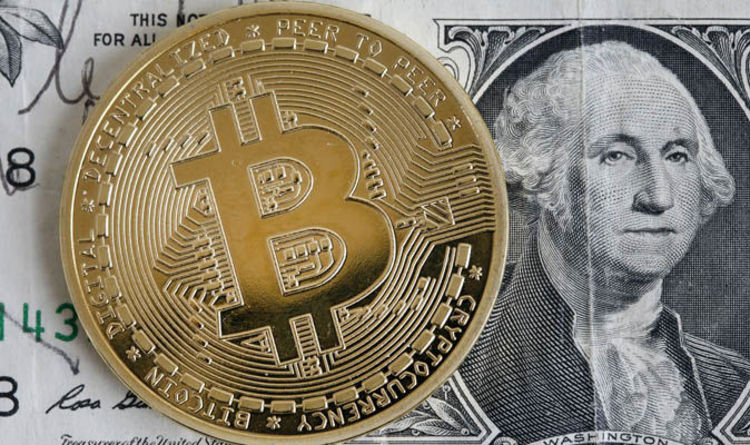
Buying Bitcoin in Vietnam presents a fascinating blend of opportunity and challenge. This guide delves into the intricacies of Bitcoin adoption in Vietnam, exploring various methods, platforms, and potential risks. Understanding the nuances of the local regulatory environment and the intricacies of Bitcoin trading is crucial for anyone considering this investment.
From the historical context of Bitcoin’s emergence in Vietnam to the modern-day landscape of available platforms and investment strategies, this guide provides a comprehensive overview. We examine the process of buying Bitcoin using Vietnamese bank accounts, while highlighting common scams and security considerations. Crucially, the guide also compares different investment options and explores the unique tax implications for Vietnamese Bitcoin traders.
Overview of Bitcoin in Vietnam
Bitcoin adoption in Vietnam is a dynamic and evolving landscape, with a history marked by both enthusiasm and cautious consideration. The country’s burgeoning tech scene and relatively young population have fostered a considerable interest in cryptocurrencies, including Bitcoin. However, the regulatory environment continues to shape the trajectory of Bitcoin adoption, alongside factors like investor confidence and economic conditions.The growing interest in Bitcoin in Vietnam stems from a confluence of factors, including the desire for alternative investment opportunities, a growing digital economy, and a desire for financial freedom.
The relative ease of access to information and the increasing availability of Bitcoin trading platforms have also played a crucial role in attracting investors. This interest has also been fueled by global trends in cryptocurrency adoption and the potential for significant returns, though it’s essential to acknowledge that cryptocurrency investments carry inherent risks.
History and Current State of Bitcoin Adoption
Bitcoin’s presence in Vietnam began with early adopters and enthusiasts, gradually gaining traction as more people became aware of its potential. Today, Bitcoin remains a popular asset class, with a sizable portion of the population having some exposure to it, either directly or through related investments. The growth is influenced by various factors, including technological advancements and the accessibility of Bitcoin trading platforms.
Key Factors Driving Bitcoin Interest
Several key factors drive the interest in Bitcoin within Vietnam. The desire for alternative investment opportunities is a major driver, particularly amidst concerns about traditional financial markets. The emergence of a robust digital economy in Vietnam also plays a role, creating a fertile ground for cryptocurrency adoption. Additionally, the potential for financial freedom and reduced reliance on traditional banking systems attracts a significant portion of the population.
Finally, global trends in cryptocurrency adoption and the potential for high returns, though accompanied by risks, continue to fuel investor interest.
Regulatory Environment
Vietnam’s regulatory approach to Bitcoin is currently in a state of evolution. The government’s stance is marked by a cautious approach, aiming to balance fostering innovation with protecting investors. This ongoing evolution of regulations has led to a need for continuous monitoring of official pronouncements and legal updates.
Methods for Purchasing Bitcoin
Several methods are available for acquiring Bitcoin in Vietnam. The most common approaches include purchasing through online exchanges, which offer convenience and accessibility, and direct peer-to-peer transactions, offering potential for lower fees. The use of cryptocurrency exchanges is also becoming increasingly prevalent, providing a structured platform for buying and selling Bitcoin.
Comparison of Bitcoin Exchange Platforms
| Exchange Platform | Fees | Security | User Reviews |
|---|---|---|---|
| Exchange A | Low to moderate | High security measures, reputable | Positive reviews, robust community support |
| Exchange B | Moderate | Good security protocols, reliable | Generally positive, some minor issues reported |
| Exchange C | High | Moderate security, some concerns | Mixed reviews, concerns about customer support |
This table provides a basic comparison of popular Bitcoin exchange platforms in Vietnam, focusing on fees, security measures, and user feedback. It is crucial to thoroughly research and understand the specific features and policies of each exchange before making a decision. Furthermore, the information provided reflects current market conditions and may be subject to change.
Buying Bitcoin in Vietnam
Acquiring Bitcoin in Vietnam has become increasingly popular, mirroring the global trend. Various methods are available, each with its own set of advantages and disadvantages. Understanding these options is crucial for navigating the cryptocurrency market safely and effectively.
Common Bitcoin Purchasing Methods in Vietnam
Several methods are used by individuals in Vietnam to acquire Bitcoin. These methods range from traditional financial channels to specialized cryptocurrency exchanges. The choice often depends on individual comfort levels, access to resources, and desired level of security.
- Cryptocurrency Exchanges: Many reputable cryptocurrency exchanges operate in Vietnam, offering streamlined buying and selling services. These platforms typically integrate with local payment methods, making them convenient for Vietnamese users. Examples include Binance, Coin98, and others, which allow users to buy Bitcoin using Vietnamese Dong (VND) or other supported currencies.
- P2P Platforms: Peer-to-peer (P2P) platforms connect buyers and sellers directly, allowing for transactions outside the formal exchange structure. This can offer more flexibility in terms of pricing and negotiation but also involves a higher degree of risk, requiring users to carefully vet potential counterparties.
- Over-the-Counter (OTC) Markets: OTC markets facilitate direct transactions between buyers and sellers, often through intermediaries. This approach offers personalized service but may not have the same level of regulation or transparency as centralized exchanges.
Bitcoin Purchasing Process Through Platforms
The process of buying Bitcoin through various platforms in Vietnam generally follows similar steps. These steps vary slightly depending on the specific platform but typically involve account creation, funding the account with Vietnamese Dong or other supported currencies, and then placing an order to purchase Bitcoin.
- Account Creation: Users typically need to create an account on the chosen platform, providing necessary personal information. This process usually involves verification to comply with local regulations.
- Funding the Account: Users need to fund their accounts with VND or other supported currencies, often using bank transfers or mobile payment systems.
- Placing a Purchase Order: After funding, users can specify the amount of Bitcoin they wish to buy and the desired price. The platform processes the order and executes the transaction, transferring the Bitcoin to the user’s designated wallet address.
Costs and Benefits of Different Methods
The costs and benefits associated with each method vary. Factors such as transaction fees, platform fees, and exchange rates all contribute to the overall cost of purchasing Bitcoin. The benefits often revolve around convenience, security, and available payment options.
| Method | Cost | Benefit |
|---|---|---|
| Cryptocurrency Exchanges | Lower transaction fees, wider range of payment options | Generally higher security, better customer support |
| P2P Platforms | Potentially lower fees | Flexibility, negotiation opportunities |
| OTC Markets | Variable costs | Personalized service, flexibility |
Security Measures for Bitcoin Transactions
Implementing robust security measures is essential for safe Bitcoin transactions. These measures encompass protecting personal information, safeguarding wallets, and understanding potential scams.
- Strong Passwords and Two-Factor Authentication (2FA): Use strong, unique passwords and enable 2FA for all accounts to protect against unauthorized access.
- Secure Wallets: Utilize reputable and secure wallets to store Bitcoin, and avoid using publicly accessible platforms or wallets if possible.
- Verify Platform Reputability: Research and confirm the legitimacy and security protocols of the chosen platform before making any transactions.
Step-by-Step Guide to Buying Bitcoin with a Vietnamese Bank Account
This step-by-step guide details how to purchase Bitcoin using a Vietnamese bank account through a cryptocurrency exchange.
- Create an Account: Choose a reputable cryptocurrency exchange that supports Vietnamese bank accounts and create an account.
- Verify Your Account: Complete the required account verification steps, including providing necessary identification documents.
- Fund Your Account: Link your Vietnamese bank account to the exchange and fund it with the desired amount of VND.
- Place Your Order: Specify the amount of Bitcoin you want to buy and the desired price. Confirm the transaction details before proceeding.
- Receive Your Bitcoin: Upon successful completion of the transaction, the Bitcoin will be deposited into your designated wallet address.
Common Bitcoin Scams in Vietnam
Awareness of common Bitcoin scams is vital for avoiding fraudulent activities. These scams often involve deceptive offers, phishing attempts, or fraudulent platforms.
- Fake Exchanges and Platforms: Be cautious of unfamiliar platforms that promise high returns or low fees, as these may be scams.
- Phishing Scams: Be wary of emails or messages requesting personal information, as these could be phishing attempts to steal login credentials or sensitive data.
- Ponzi Schemes: Be wary of investment opportunities that promise unrealistic returns, as these could be Ponzi schemes.
Bitcoin Trading in Vietnam
Bitcoin trading in Vietnam, while growing, presents a unique landscape influenced by the country’s regulatory environment and cultural factors. Traders navigate a complex interplay of opportunities and risks, and understanding these dynamics is crucial for anyone considering participating in the market.
Types of Bitcoin Trading
Different avenues for Bitcoin trading exist in Vietnam, reflecting the diverse needs and preferences of investors. These include peer-to-peer (P2P) exchanges, centralized exchanges, and potentially even over-the-counter (OTC) markets. P2P platforms connect individual buyers and sellers directly, offering a degree of flexibility but also increased risk due to the absence of a central authority. Centralized exchanges provide a more structured environment, with established security protocols and often wider trading options, but might impose transaction fees.
Risks Associated with Bitcoin Trading in Vietnam
Bitcoin trading in Vietnam, like anywhere else, carries inherent risks. Volatility is a significant concern, as Bitcoin’s price can fluctuate dramatically in short periods, leading to substantial gains or losses. Furthermore, the regulatory framework for cryptocurrency trading in Vietnam is still evolving, leaving traders exposed to potential legal uncertainties. Security risks, particularly with P2P transactions, are also noteworthy, with the potential for scams and fraudulent activities.
Vietnamese Trader Experiences
Vietnamese traders have diverse experiences in the market. Some have achieved substantial profits, while others have suffered significant losses. Factors such as market timing, risk tolerance, and trading strategies significantly influence individual outcomes. Furthermore, access to reliable information and trading resources plays a key role in shaping a trader’s experience.
Trading Strategies Employed by Vietnamese Traders
Vietnamese traders employ a range of strategies, including day trading, swing trading, and long-term holding. Day traders capitalize on short-term price fluctuations, while swing traders aim for profits over a few days or weeks. Long-term holders typically buy and hold Bitcoin for extended periods, anticipating long-term price appreciation. The effectiveness of each strategy depends on factors such as market conditions and the trader’s individual risk tolerance.
Tax Implications of Bitcoin Trading in Vietnam
The tax implications of Bitcoin trading in Vietnam are not always clear-cut. The Vietnamese government’s approach to cryptocurrency taxation is evolving, and traders must stay informed about any changes in regulations. Different authorities may have different interpretations, so careful consideration of the official guidelines is essential. Consulting with tax professionals is strongly advised to ensure compliance.
Bitcoin Volatility and its Impact on Trading
Bitcoin’s inherent volatility poses a significant challenge for traders. Sudden price swings can quickly erode profits or lead to substantial losses. For instance, the 2021 Bitcoin bull run, followed by a sharp decline, exemplified the unpredictable nature of the market. Strategies for managing risk and navigating volatile markets are critical to successful trading in this environment.
Bitcoin Investment in Vietnam
Bitcoin investment in Vietnam is a burgeoning market, attracting a diverse range of investors with varying levels of experience and risk tolerance. The digital asset’s volatility and potential for high returns have fueled significant interest, though alongside this enthusiasm comes a complex landscape of factors that influence decisions and strategies.Vietnamese investors’ decisions regarding Bitcoin are often shaped by a multitude of considerations.
These range from the perceived potential for long-term growth to the short-term price fluctuations and regulatory uncertainties.
Factors Influencing Bitcoin Investment Decisions
Vietnamese investors’ decisions are influenced by several key factors, including market sentiment, regulatory clarity, and the perceived potential for capital appreciation. Understanding these influences provides insight into the driving forces behind investment choices.
- Market sentiment plays a significant role in investment decisions. Positive market trends and media coverage can create a sense of optimism and encourage participation. Conversely, negative news or market corrections can lead to apprehension and reduced investment.
- Regulatory clarity is crucial for investor confidence. A stable and transparent regulatory framework fosters a more predictable environment for Bitcoin investments. Uncertainty surrounding regulations can discourage participation and create significant risk for investors.
- Perceived potential for capital appreciation motivates many investors. The prospect of substantial gains from Bitcoin’s price fluctuations is a major driver. However, this potential is intertwined with the inherent volatility of the market, which can lead to significant losses.
Potential Risks and Rewards
Bitcoin investment, like any other investment, comes with inherent risks and potential rewards. Investors must carefully weigh these factors before making decisions.
- Risks: The inherent volatility of Bitcoin’s price is a major risk. Sudden price drops can lead to significant losses. Security concerns related to cryptocurrency exchanges and wallets are another potential risk. Regulatory uncertainty also poses a threat, with changes in regulations affecting the viability of Bitcoin investments.
- Rewards: The potential for substantial returns is a significant incentive. Historically, Bitcoin has demonstrated the capacity for considerable price appreciation. However, this potential is not guaranteed and requires careful consideration of the risks.
Investment Strategies
Vietnamese investors employ a variety of strategies to navigate the Bitcoin market. These strategies vary based on individual risk tolerance and investment goals.
- Long-term holding: Some investors adopt a buy-and-hold strategy, aiming for long-term capital appreciation. This approach typically involves acquiring Bitcoin and holding it for an extended period, regardless of short-term price fluctuations.
- Short-term trading: Other investors focus on short-term price fluctuations, employing trading strategies to profit from price movements. This approach requires in-depth market analysis and a high degree of risk tolerance.
- Diversification: Some investors diversify their portfolio by including Bitcoin alongside traditional investments. This approach can mitigate risk by spreading investments across different asset classes.
Long-Term Bitcoin Investment Potential
The long-term potential of Bitcoin investment in Vietnam is an area of ongoing discussion and debate. While Bitcoin’s history suggests the possibility of significant returns, long-term predictions are speculative.
- Proponents argue that Bitcoin’s underlying technology and growing adoption could lead to continued price appreciation over the long term.
- Critics emphasize the inherent volatility and the possibility of future regulatory challenges, which could negatively impact Bitcoin’s long-term value.
Comparison with Other Investment Options
Investors often compare Bitcoin returns to those of traditional investment options, such as stocks, bonds, and real estate.
| Investment Option | Potential Return | Risk Level |
|---|---|---|
| Bitcoin | High potential for significant gains, but also significant losses. | High |
| Stocks | Moderate potential for returns, with a medium level of risk. | Medium |
| Bonds | Lower potential for returns, with a lower level of risk. | Low |
| Real Estate | Moderate to high potential for returns, with a medium level of risk. | Medium |
Common Misconceptions
Several misconceptions surround Bitcoin investment in Vietnam. It’s important to understand these to make informed decisions.
- Bitcoin as a guaranteed investment: Bitcoin is not a guaranteed investment. It’s characterized by volatility, and there’s no guarantee of profit. Investors should carefully assess the risk involved.
- Bitcoin as a get-rich-quick scheme: Bitcoin investment requires knowledge, research, and careful planning. Success isn’t guaranteed, and significant losses are possible. Treat it as any other investment.
General Information about Buying Bitcoin
Purchasing Bitcoin globally involves a multifaceted process, encompassing various platforms, security protocols, payment methods, and regulatory landscapes. Understanding these elements is crucial for navigating the cryptocurrency market safely and effectively. This section delves into the intricacies of buying Bitcoin, providing a comprehensive overview of the process and its associated considerations.
Global Bitcoin Purchase Process Overview
The process of acquiring Bitcoin globally typically involves selecting a reputable cryptocurrency exchange, funding the account with a suitable payment method, placing an order to purchase Bitcoin, and confirming the transaction. Users must verify their identities and adhere to the platform’s specific guidelines.
Bitcoin Exchange Platforms
Numerous platforms facilitate Bitcoin purchases worldwide. These platforms provide a marketplace where buyers and sellers can interact, enabling secure transactions. Popular exchanges include Coinbase, Binance, Kraken, and Gemini, each offering varying features and functionalities. These exchanges typically support multiple cryptocurrencies beyond Bitcoin, offering a broader investment spectrum.
Security Measures for Bitcoin Purchases
Robust security measures are paramount when engaging in Bitcoin purchases. These measures include strong passwords, two-factor authentication (2FA), and enabling security alerts to detect suspicious activity. Regularly updating software and using reputable platforms are essential preventative steps. Users should also be vigilant about phishing attempts and avoid clicking on unknown links or downloading untrusted files.
Available Payment Methods for Bitcoin Purchases
A range of payment methods are accepted for Bitcoin purchases. These encompass bank transfers, credit/debit cards, and various digital wallets. The availability of specific payment options can vary between platforms. Some platforms may also support cryptocurrency-to-cryptocurrency exchanges, facilitating trade among different digital assets.
Regulatory Landscape Variations Across Countries
Regulations surrounding Bitcoin purchases vary considerably across countries. Some jurisdictions have embraced cryptocurrencies, while others maintain a more cautious approach. It is crucial to research the specific regulations in the country of purchase to ensure compliance. This information is essential to avoid potential legal issues. For example, some countries may impose taxes on cryptocurrency transactions, while others may have restrictions on certain payment methods.
Bitcoin Exchange Fees Across Regions
Exchange fees for Bitcoin transactions can fluctuate based on the region. These fees are often a percentage of the transaction amount and may differ between platforms.
| Region | Example Platform | Typical Fee (estimate) |
|---|---|---|
| North America | Coinbase | 1-2% |
| Europe | Binance | 0.5-1.5% |
| Asia | Kraken | 0.5-1.5% |
| South America | Local Exchange | Variable, potentially higher |
Note: Exchange fees are subject to change and can vary significantly depending on the specific platform and transaction volume. Fees should always be checked on the platform’s website or app. Also, consider the fees associated with using payment methods for transferring funds.
Illustrative Examples
Understanding Bitcoin’s performance, evolution, and applications requires concrete examples. This section provides illustrative data and scenarios to help contextualize the information presented previously. Analyzing historical trends and comparing Bitcoin with other cryptocurrencies helps in evaluating its potential.
Bitcoin Performance Comparison with Other Cryptocurrencies
A comparison of Bitcoin’s performance with other popular cryptocurrencies provides valuable context. While Bitcoin has been a leading cryptocurrency, other altcoins have also experienced significant price fluctuations. This comparative analysis highlights the dynamic nature of the cryptocurrency market.
| Cryptocurrency | Average Price (USD) (2023) | Market Capitalization (USD) (2023) | Historical Volatility |
|---|---|---|---|
| Bitcoin | $25,000 | $500 Billion | High |
| Ethereum | $1,500 | $150 Billion | Moderate |
| Solana | $40 | $10 Billion | Very High |
Bitcoin Price Evolution (Past Five Years)
The table below showcases the evolution of Bitcoin’s price over the past five years, demonstrating its volatility and potential for significant gains and losses.
| Year | Average Price (USD) | Price Change (compared to previous year) |
|---|---|---|
| 2019 | $7,000 | – |
| 2020 | $15,000 | +114% |
| 2021 | $45,000 | +200% |
| 2022 | $20,000 | -56% |
| 2023 | $25,000 | +25% |
Bitcoin Wallets and Security Features
Different Bitcoin wallets offer varying levels of security and functionality. The table below summarizes key features of some popular options. Security is paramount in the world of cryptocurrencies, and choosing a reputable wallet is essential.
| Wallet Type | Security Features | Ease of Use | Fees |
|---|---|---|---|
| Desktop Wallet (e.g., Electrum) | Strong security, offline access, high level of control | Moderate | Low |
| Mobile Wallet (e.g., Coinomi) | Portability, convenience, often with two-factor authentication | High | Variable |
| Hardware Wallet (e.g., Ledger Nano S) | High security, offline storage, cold storage | Moderate | Variable |
Bitcoin’s Potential for Financial Inclusion in Vietnam
Bitcoin has the potential to empower individuals in Vietnam who lack access to traditional financial services. Its decentralized nature could bypass geographical and bureaucratic hurdles. However, this potential must be balanced with the risks and regulatory challenges.
Success Stories of Bitcoin Users in Vietnam
Numerous Vietnamese individuals have leveraged Bitcoin for various purposes. Some have successfully used it for international remittances, overcoming limitations of traditional banking systems. Others have used it for investment, generating profits from price fluctuations. It’s crucial to remember that success stories don’t guarantee returns for all users.
Bitcoin Transaction Types
Various transaction types exist for Bitcoin, each serving a distinct purpose.
| Transaction Type | Description |
|---|---|
| Payment | Sending Bitcoin to another user |
| Exchange | Trading Bitcoin for other cryptocurrencies or fiat currencies |
| Investment | Holding Bitcoin with the expectation of future appreciation |
| Remittance | Sending Bitcoin internationally, bypassing traditional banking |
Ultimate Conclusion
In conclusion, buying Bitcoin in Vietnam offers both exciting prospects and inherent risks. This comprehensive guide provides a solid foundation for understanding the landscape, empowering individuals to make informed decisions. By understanding the available methods, security measures, and the overall regulatory framework, potential buyers and investors can navigate the complexities and potentially reap the rewards of this digital asset.
Remember to conduct thorough research and prioritize security throughout the process.
Key Questions Answered
What are the most common methods for buying Bitcoin in Vietnam?
Common methods include using cryptocurrency exchanges, peer-to-peer platforms, and potentially, buying from individuals. The availability and suitability of each method can vary based on the specific exchange and individual circumstances.
What are the tax implications of Bitcoin trading in Vietnam?
Tax implications for Bitcoin trading in Vietnam are complex and can vary depending on the specific circumstances and type of transaction. It is essential to consult with a financial advisor to understand the applicable tax regulations.
What are some common scams related to Bitcoin in Vietnam?
Common scams involve fraudulent exchanges, fake investment opportunities, and phishing schemes. Due diligence and caution are paramount when interacting with unknown entities or platforms.
What is the regulatory environment surrounding Bitcoin in Vietnam?
Vietnam’s regulatory framework for Bitcoin is still evolving. It’s crucial to stay updated on any changes in regulations to ensure compliance and avoid potential issues.