April 18, 2026

admin

Bitcoin owner unveils a dynamic journey into the world of cryptocurrency, where ownership transcends mere possession and evolves into a lifestyle embraced by many. This exploration reveals the complexities of bitcoin ownership, from its legal implications to its potential financial impact, making it essential for anyone interested in understanding this digital asset.

As we delve deeper, we will cover the myriad ways one can acquire bitcoin, the responsibilities that come with ownership, tax obligations in different regions, and the vibrant community that supports bitcoin enthusiasts. Buckle up for an enlightening ride through the fascinating landscape of bitcoin ownership.

Understanding Bitcoin Ownership

Bitcoin ownership refers to the possession of a digital asset that operates on a decentralized network, primarily the Bitcoin blockchain. This concept carries significant weight in the cryptocurrency landscape, as it not only influences market dynamics but also embodies the principles of ownership, control, and the ability to participate in a transformative financial ecosystem. As one of the first cryptocurrencies, Bitcoin has paved the way for a new era of digital finance, challenging traditional notions of currency and value.The legal implications of bitcoin ownership can vary greatly depending on the jurisdiction.

In some regions, bitcoin is viewed as a commodity or property, which means that ownership can be subjected to capital gains tax upon sale. In contrast, other jurisdictions may classify it as currency, leading to different regulatory frameworks. It is crucial for bitcoin owners to understand the local laws to ensure compliance and to avoid potential legal issues. Each jurisdiction may have its own approach, impacting how transactions are conducted, reported, and taxed.

Types of Assets Under Bitcoin Ownership

When discussing bitcoin ownership, it’s essential to recognize the various types of assets that can fall under this umbrella. Ownership can extend beyond the mere coins themselves to include various digital and intangible assets associated with bitcoin.

  • Bitcoin Tokens: The primary digital asset representing ownership in the Bitcoin network. Each token is a unit of value on the blockchain.
  • Bitcoin Wallets: Digital wallets that store private keys, enabling users to access and manage their bitcoin holdings securely. Wallets can be software-based or hardware-based, with varying levels of security.
  • Mining Rights: Ownership of hardware or contracts that allow individuals to participate in the mining process, thus generating new bitcoins in exchange for computational power.
  • Derivatives and Futures: Financial products linked to the price of bitcoin, allowing owners to speculate on future price movements without directly holding the asset.
  • Bitcoin-related Investments: Includes shares in bitcoin-focused companies or funds that invest in bitcoin, providing exposure without direct ownership.

Understanding these various assets can help bitcoin owners navigate their portfolios more effectively and capitalize on the expanding cryptocurrency market. As the landscape continues to evolve, the definition of ownership may also adapt, influencing how individuals and institutions interact with this revolutionary digital asset.

Ways to Acquire Bitcoin

Acquiring Bitcoin can be an exciting journey, especially considering the various methods available to do so. Each method has its own nuances, benefits, and potential drawbacks, making it essential for aspiring owners to understand their options before diving in.Individuals can acquire Bitcoin through several methods, including buying from exchanges, mining, and engaging in peer-to-peer transactions. Each of these options caters to different types of users, from those looking for convenience to those seeking a more hands-on approach.

Popular Methods to Acquire Bitcoin

The following are some of the primary ways to acquire Bitcoin, along with a brief description of each method:

  • Exchanges: Cryptocurrency exchanges are platforms that allow users to buy, sell, and trade Bitcoin and other cryptocurrencies. They offer a user-friendly interface, making it easy for beginners to start their cryptocurrency journey.
  • Mining: This process involves using powerful computers to solve complex cryptographic puzzles, thereby validating transactions on the Bitcoin network. Miners are rewarded with Bitcoin, though this method requires significant technical knowledge and investment in hardware.
  • Peer-to-Peer Transactions: This method involves buying Bitcoin directly from another individual, often facilitated by peer-to-peer platforms. This approach can offer better privacy and potentially lower fees.

Comparison of Popular Bitcoin Exchanges

When choosing a cryptocurrency exchange, it is crucial to consider their features, fees, and security measures. Below is a comparison table of several popular Bitcoin exchanges:

Exchange Features Fees Security Measures
Coinbase User-friendly interface, mobile app, educational resources Varies; typically 1.49% per transaction 2-factor authentication, cold storage
Binance Wide selection of cryptocurrencies, advanced trading options 0.1% trading fee, various discounts available Strong security protocols, regular audits
Kraken Futures trading, margin trading, staking options 0.16% to 0.26% trading fees 2-factor authentication, cold storage
Gemini Regulated exchange, insured deposits, user-friendly Varies; typically 0.35% per transaction Highly secure infrastructure, 2-factor authentication

Step-by-Step Guide to Buying Bitcoin through a Cryptocurrency Exchange

Purchasing Bitcoin through an exchange can seem daunting at first, but the process is relatively straightforward. Follow these steps to make your first Bitcoin purchase:

  1. Create an account: Sign up on a cryptocurrency exchange of your choice by providing your email address and creating a password. Verify your identity by uploading the necessary identification documents.
  2. Add a payment method: Link your bank account, credit card, or other payment methods to your exchange account. Each exchange has different payment options available.
  3. Deposit funds: Transfer money into your exchange account. Depending on the exchange, this might take a few minutes to a few days.
  4. Place an order: After funding your account, navigate to the Bitcoin trading section and place a buy order. You can choose a market order for immediate purchase or a limit order to set a specific price.
  5. Store your Bitcoin safely: Once your purchase is complete, consider transferring your Bitcoin to a secure wallet rather than leaving it on the exchange for enhanced security.

“Always research and choose a reputable exchange that fits your needs before making any transactions.”

Responsibilities of Bitcoin Owners

Bitcoin ownership comes with significant responsibilities, particularly when it comes to security and asset management. With the decentralized nature of cryptocurrency, owners must take proactive steps to protect their investments from theft and loss. Understanding these responsibilities is crucial for anyone looking to navigate the world of Bitcoin safely and effectively.

Security Measures for Protecting Bitcoin Assets

To safeguard Bitcoin investments, owners should implement robust security measures. The decentralized and irreversible nature of Bitcoin transactions means that recovery from loss can be highly challenging, if not impossible. Thus, security is paramount.

  • Enable Two-Factor Authentication (2FA): This extra layer of security requires not only a password and username but also something that only the user has on them, such as a physical token or smartphone app.
  • Use Hardware Wallets: Hardware wallets store Bitcoin offline, making them immune to online hacking attempts. They are widely regarded as one of the safest methods to hold cryptocurrency.
  • Regularly Update Software: Keeping wallet and exchange software up-to-date helps protect against exploits and vulnerabilities. Developers often release patches to improve security, and failing to update can leave assets at risk.

Importance of Maintaining Private Keys

Private keys are the gateway to Bitcoin holdings. Owners must prioritize their security to prevent unauthorized access. Losing your private key means losing access to your Bitcoin forever, which highlights their importance.

  • Never Share Your Private Keys: Sharing private keys with anyone can lead to irreversible loss of assets. Treat them as sensitive information, similar to a password for your bank account.
  • Store Keys Securely: Use encrypted USB drives or dedicated key storage solutions to keep your private keys safe from environmental hazards and unauthorized access.
  • Utilize Multi-Signature Wallets: Multi-signature wallets require multiple private keys to authorize a transaction. This adds an additional layer of security, making it harder for a single point of failure to lead to asset loss.

Best Practices for Managing Bitcoin Investments

Effective management of Bitcoin investments goes beyond simply holding the asset. It includes tracking performance, understanding market dynamics, and making informed decisions based on comprehensive data analysis.

  • Use Portfolio Tracking Tools: Many apps and platforms offer tracking services that allow owners to monitor their Bitcoin investments alongside other assets, helping to visualize performance over time.
  • Stay Informed on Market Trends: Regularly following cryptocurrency news and market analysis helps owners make educated decisions regarding buying, holding, or selling their Bitcoin.
  • Set Clear Goals: Establishing investment goals provides clarity on when to take profits or reinvest, ensuring that decisions align with long-term financial strategies.

Bitcoin Ownership and Taxes

Understanding the tax implications of owning Bitcoin is crucial for every investor. As cryptocurrencies gain traction in the financial world, governments are keen to regulate and tax these digital assets. This means that Bitcoin owners must navigate varying tax obligations based on their location and ensure accurate reporting to avoid potential penalties.Tax obligations for Bitcoin owners vary from region to region.

Some countries treat Bitcoin as a currency, while others classify it as property or an asset. This classification affects how transactions are taxed, requiring owners to keep detailed records of their purchases, sales, and exchanges. Accurate reporting is essential for compliance and to avoid discrepancies that could lead to audits or fines.

Tax Treatment of Bitcoin in Different Countries

The tax treatment of Bitcoin is not uniform globally. Below is a summary of the tax obligations for Bitcoin ownership in various countries, highlighting the importance of understanding local regulations:

Country Tax Classification Tax Rate Reporting Requirements
United States Property Capital gains tax (0% to 20%) Report on Form 8949 and Schedule D
Germany Private money Tax-free if held for over 1 year Annual income tax return
United Kingdom Asset Capital gains tax (10% or 20%) Report through self-assessment tax return
Canada Capital property 50% of gains taxed as income Report on T1 tax return
Australia Capital gains tax 50% discount if held for over 12 months Report on income tax return

The process of calculating capital gains from Bitcoin transactions involves tracking the acquisition cost and the selling price. Capital gains are determined by the difference between these two values.

Capital Gain = Selling Price – Purchase Price

For example, if an individual purchased 1 Bitcoin for $10,000 and later sold it for $15,000, the capital gain would be $5,000. This gain may be subject to taxation based on the holding period and the individual’s income bracket, depending on the local tax laws. In summary, Bitcoin owners must stay informed of their tax obligations to ensure compliance and avoid any financial repercussions.

Accurate record-keeping and reporting are fundamental aspects of responsible Bitcoin ownership.

The Community of Bitcoin Owners

The world of Bitcoin is not just about transactions and investments; it encompasses a vibrant and diverse community of enthusiasts, investors, and innovators. Online communities and forums play a crucial role in connecting Bitcoin owners, allowing them to share knowledge, experiences, and insights about this dynamic digital currency. Through these platforms, individuals find support, exchange ideas, and stay updated on the latest developments in the Bitcoin ecosystem.One of the key aspects of the Bitcoin community is the wide array of online platforms where owners can engage with one another.

These spaces foster a culture of collaboration and learning, where users can seek advice or share their journeys in the realm of cryptocurrency. Some popular platforms include:

Popular Platforms for Bitcoin Owners

These platforms serve as hubs for discussion, offering various features to facilitate interaction among users. Here are a few notable examples:

  • BitcoinTalk: Launched in 2009, BitcoinTalk is one of the oldest and most renowned forums in the cryptocurrency space. It provides a platform for discussions on everything related to Bitcoin, from technical support to trading tips.
  • Reddit: Subreddits like r/Bitcoin and r/CryptoCurrency are popular among Bitcoin owners. Reddit offers a lively environment for sharing news, opinions, and educational content on Bitcoin and the broader cryptocurrency market.
  • Discord: Many Bitcoin-related Discord servers exist, bringing together enthusiasts for real-time discussions. These servers often host community events, webinars, and informal chats, enhancing the sense of camaraderie among users.
  • Twitter: Twitter is a powerful tool for Bitcoin owners to follow influential figures, industry news, and community updates. Many Bitcoin enthusiasts use the hashtag #Bitcoin to connect and share their insights.
  • Telegram: Numerous Telegram groups focus on Bitcoin trading, news, and education. These groups offer a more private setting for users to engage and share their experiences.

The influence of prominent figures within the Bitcoin community cannot be understated. These individuals often drive conversations, innovations, and adoption within the ecosystem. Their contributions shape the future of Bitcoin and inspire countless others to get involved.

Influential Figures in the Bitcoin Community

Several key figures have made significant strides in advocating for Bitcoin and shaping the community. Their insights and actions have inspired both newcomers and seasoned investors alike. Here are a few notable influencers:

  • Satoshi Nakamoto: The enigmatic creator of Bitcoin, whose true identity remains a mystery, introduced the revolutionary concept of decentralized currency in 2008. Nakamoto’s whitepaper laid the foundation for the entire cryptocurrency movement.
  • Andreas M. Antonopoulos: A renowned speaker and educator, Antonopoulos has authored several books on Bitcoin and blockchain technology. His ability to explain complex concepts in an accessible manner has made him a respected figure in the community.
  • Vitalik Buterin: As the co-founder of Ethereum, Buterin has influenced the cryptocurrency landscape by promoting blockchain technology’s potential beyond just currency. His insights often cross-pollinate discussions within the Bitcoin community.
  • Elon Musk: The CEO of Tesla and SpaceX has garnered attention for his tweets about Bitcoin, impacting its price and market perception. Musk’s active engagement with the community has sparked conversations around Bitcoin’s future and its role in the economy.
  • Nick Szabo: A computer scientist and legal scholar, Szabo is known for his pioneering work in smart contracts and cryptocurrency. His contributions to the theoretical framework of blockchain technology have significantly influenced Bitcoin and the broader crypto ecosystem.

The community of Bitcoin owners is a unique blend of innovation, collaboration, and support. By participating in these online platforms and following influential figures, owners can enhance their understanding of Bitcoin, connect with like-minded individuals, and contribute to the evolving landscape of cryptocurrency.

Future of Bitcoin Ownership

With the rapid evolution of technology and finance, the future of bitcoin ownership presents intriguing possibilities. As we move further into the digital age, the way individuals and institutions perceive and manage bitcoin is expected to evolve significantly. These advancements forecast a transformative impact on global finance, suggesting that bitcoin may become an integral part of everyday transactions and wealth preservation strategies.Technological innovations are poised to reshape bitcoin ownership and trading dynamics.

With the advent of decentralized finance (DeFi) platforms and advancements in blockchain technology, the accessibility and usability of bitcoin are expected to dramatically improve. This will ultimately empower a broader demographic to engage with bitcoin, enhancing its role in the global economy. Additionally, innovations in wallet security and scalability are likely to increase consumer confidence and facilitate larger transactions.

Predictions about Bitcoin Ownership Trends

The future landscape of bitcoin ownership is likely to be shaped by several key trends, including the following:

1. Increased Institutional Adoption

As more financial institutions integrate bitcoin into their offerings, such as investment funds and retirement accounts, the legitimacy and stability of bitcoin ownership will grow. For example, companies like MicroStrategy have led the way by holding significant amounts of bitcoin on their balance sheets, influencing others to follow suit.

2. Enhanced Regulatory Clarity

Global regulatory bodies are increasingly focusing on establishing clearer frameworks for cryptocurrencies. This regulatory clarity will not only protect investors but also foster greater trust in bitcoin as a legitimate asset class. Countries like El Salvador, which adopted bitcoin as legal tender, exemplify how regulations can shape ownership dynamics.

3. Integration with Traditional Financial Systems

The merging of bitcoin with traditional finance is becoming more prevalent. Payment platforms, such as PayPal and Square, have begun facilitating bitcoin transactions, allowing users to spend their crypto seamlessly. This integration can lead to a significant increase in everyday ownership and usage of bitcoin.

4. Rise of Bitcoin-based Financial Products

The development of bitcoin ETFs (Exchange-Traded Funds) and other financial products will provide mainstream investors with easier access to bitcoin. These products can simplify the investment process, making bitcoin ownership more appealing.

“The future of bitcoin ownership hinges on its integration into the mainstream financial ecosystem, fostering an environment where crypto is as accessible as traditional currencies.”

Technological Advancements Impacting Bitcoin Ownership

Technological developments play a crucial role in shaping the future of bitcoin ownership. Several innovations are set to influence how bitcoin is owned and traded:

Improved Wallet Solutions

The evolution of wallet technology, including hardware and mobile wallets, is enhancing security and usability. For instance, multi-signature wallets and biometric authentication are becoming standard, safeguarding assets while simplifying access.

Layer 2 Solutions

Technologies like the Lightning Network aim to solve scalability issues, enabling faster and cheaper transactions. This can greatly enhance the practicality of using bitcoin for everyday purchases, encouraging wider adoption.

Smart Contracts

The implementation of smart contracts on the Bitcoin network can automate and secure transactions, making ownership more efficient. This facilitates complex agreements and can expand the use cases for bitcoin beyond simple transactions.

Decentralized Exchanges (DEXs)

The rise of DEXs allows for peer-to-peer trading without intermediaries, promoting more secure and private transactions. This autonomy can empower owners, ensuring they retain full control over their assets.

Implications for Bitcoin Owners within Mainstream Financial Systems

The integration of bitcoin into mainstream financial systems carries significant implications for bitcoin owners. As bitcoin becomes more widely accepted and utilized, several outcomes are anticipated:

Increased Legitimacy

With traditional financial institutions embracing bitcoin, it is likely to gain acceptance as a valid asset class, enhancing its value proposition for owners.

Financial Inclusion

Bitcoin’s potential to serve as a financial tool for the unbanked population can lead to greater economic empowerment. By providing access to financial services through bitcoin, individuals can gain more control over their economic futures.

Taxation and Reporting Changes

As more transactions occur through regulated entities, the tax implications for bitcoin owners will become clearer. Enhanced reporting systems could help owners navigate their tax responsibilities, minimizing the risk of penalties.

Market Volatility

As bitcoin becomes mainstream, its price may stabilize due to increased liquidity and institutional backing. However, it may still experience volatility due to speculative trading and regulatory news, which owners must prepare to navigate.

“The ongoing integration of bitcoin in traditional finance will create new opportunities and challenges for owners, requiring them to stay informed and adaptable.”

Conclusive Thoughts

In conclusion, the world of a bitcoin owner is filled with opportunities and responsibilities that require careful navigation. From securing your assets and understanding tax implications to engaging with a community of like-minded individuals, the journey is as rewarding as it is complex. As we look to the future, it is clear that bitcoin ownership will continue to shape financial landscapes, making it an exciting frontier for investors and enthusiasts alike.

FAQ

What is bitcoin ownership?

Bitcoin ownership refers to having control over a certain amount of bitcoin, which includes the ability to send, receive, and trade it.

How can I buy bitcoin?

You can buy bitcoin through exchanges, mining, or peer-to-peer transactions, each with its own steps and considerations.

What security measures should bitcoin owners take?

Bitcoin owners should use secure wallets, maintain private keys safely, and follow best practices for cybersecurity to protect their assets.

Are there taxes on bitcoin transactions?

Yes, bitcoin owners may have tax obligations based on their transactions, and this varies by jurisdiction.

How can bitcoin ownership impact my finances?

Bitcoin ownership can provide investment opportunities, but it also comes with risks and responsibilities, including market volatility and tax implications.

With bitcoin in usd grabbing headlines regularly, it’s an exciting time to dive into the fascinating world of cryptocurrency. From its humble beginnings to its current status as a digital gold, Bitcoin has undergone a remarkable transformation, capturing the interest of investors and analysts alike.

This exploration will provide a comprehensive overview of Bitcoin’s valuation against the USD, highlighting historical milestones, current pricing trends, and the various factors affecting its valuation. By understanding Bitcoin’s past and present, we can better anticipate its future in the ever-evolving crypto landscape.

Historical Overview of Bitcoin Value in USD

Bitcoin, created in 2009 by an unknown person or group of people using the pseudonym Satoshi Nakamoto, has undergone significant price fluctuations over its history. Initially valued at virtually nothing, Bitcoin’s value in USD has experienced remarkable growth and volatility, reflecting a blend of technological advancements, market demand, regulatory changes, and macroeconomic factors.The journey of Bitcoin’s valuation against the USD has been marked by several key milestones and varying influences.

Major events, including regulatory announcements, technological upgrades, and macroeconomic trends, have all played a crucial role in shaping its price trajectory. Understanding these factors provides insight into why Bitcoin’s value has fluctuated so dramatically over the years.

Significant Milestones in Bitcoin Price History

A timeline of Bitcoin’s price movements highlights the critical moments that have defined its valuation. The following points illustrate some of the most significant milestones:

  • 2010 – First Recorded Price: Bitcoin was first traded for approximately $0.003 in early 2010, marking its entry into the marketplace.
  • 2011 – Reaching $31: In June 2011, Bitcoin surged to a peak of $31 before experiencing a major crash, ending the year at around $2.
  • 2013 – Mainstream Attention: Bitcoin reached $266 in April 2013, driven by increasing media exposure and adoption, followed by a sharp decline.
  • 2017 – All-Time High: The price skyrocketed to nearly $20,000 in December 2017, fueled by retail investor enthusiasm and the launch of Bitcoin futures.
  • 2020 – Institutional Adoption: Bitcoin gained traction among institutional investors, leading to a sustained rally and surpassing $40,000 by January 2021.
  • 2021 – New Peaks and Volatility: Bitcoin reached an all-time high of over $64,000 in April 2021 but faced significant corrections throughout the year.

The factors influencing Bitcoin’s valuation have ranged from technological developments, such as the implementation of the Lightning Network aimed at addressing scalability issues, to external influences like government regulations and the adoption by major corporations. The price movements are often closely tied to public sentiment and media portrayals, which can amplify price swings dramatically.

“Bitcoin’s value reflects the collective belief in its potential as a decentralized currency, shaped by market forces and external events.”

The financial environment, characterized by factors like inflation rates, currency fluctuations, and global economic uncertainty, has also impacted Bitcoin’s pricing. As more investors view Bitcoin as a hedge against inflation, its valuation dynamics continue to evolve. The interplay of these factors underscores the complex and often unpredictable nature of Bitcoin’s market behavior.

Current Trends in Bitcoin Pricing

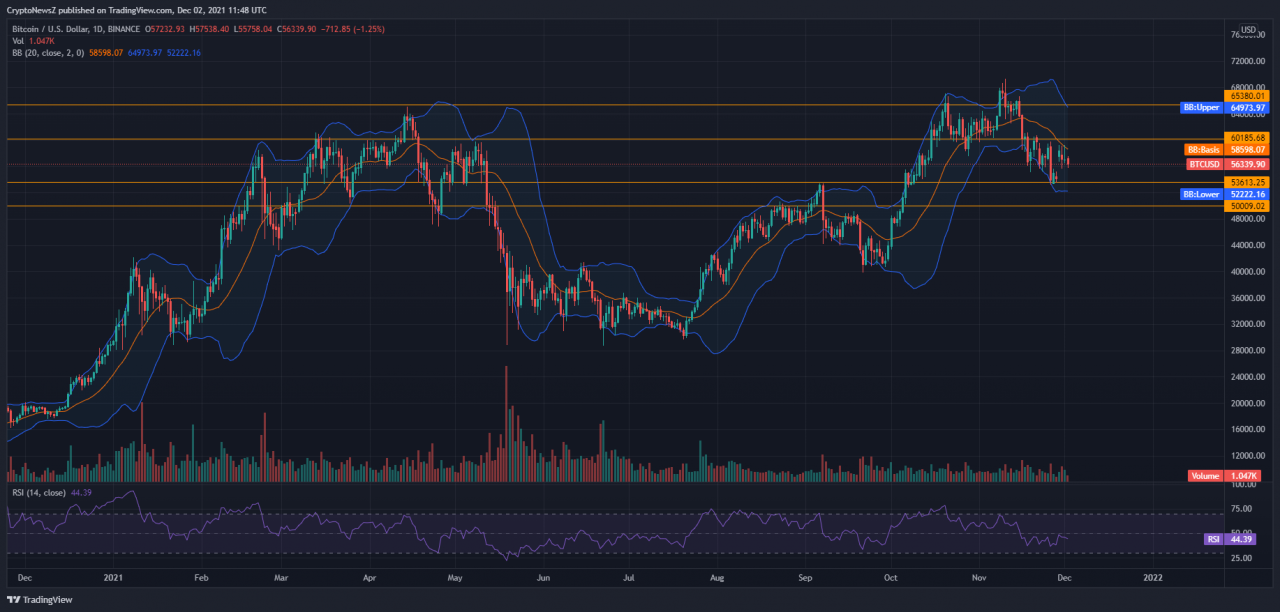
Bitcoin Price Usd Investing View Bitcoin (btc) Price Charts In Usd And ...

The landscape of Bitcoin pricing has seen significant fluctuations recently, influenced by various market dynamics and global occurrences. As Bitcoin continues to evolve, understanding its current pricing trends becomes essential for investors and enthusiasts alike. This segment delves into the recent price movements and the factors that have shaped Bitcoin’s valuation in USD.Recent price trends indicate a volatile environment for Bitcoin.

Over the past month, Bitcoin has experienced notable highs and lows, reflecting market sentiments and investor behaviors. The current pricing fluctuations can be attributed to a blend of regulatory news, macroeconomic factors, and shifts in investor sentiment spurred by global events.

Recent Price Changes of Bitcoin

A detailed analysis of Bitcoin’s price changes over the last month provides insight into current market trends. Below is a table that Artikels the daily closing prices of Bitcoin in USD and highlights the key price variations during this period.

Date Closing Price (USD) Price Change
September 15, 2023 $26,310 N/A
September 22, 2023 $28,450 +$2,140
September 29, 2023 $27,880 -$570
October 6, 2023 $30,100 +$2,220
October 13, 2023 $29,560 -$540

Understanding the price fluctuations in Bitcoin can be greatly enhanced by examining the impacts of global events. For instance, news related to cryptocurrency regulation, such as proposed legislation in the U.S. or major economies, tends to create sharp market reactions. Additionally, macroeconomic factors like inflation rates and interest rate changes often influence investor behavior, leading to price adjustments. Moreover, events such as significant technological advancements within the blockchain community or endorsements from high-profile investors can result in sudden spikes in price, reflecting the sensitive nature of Bitcoin’s market.

These dynamics illustrate that Bitcoin is not only a financial asset but also a reflection of the broader economic landscape.

Comparison with Other Cryptocurrencies

Bitcoin has long been the flagship cryptocurrency, boasting a significant lead over its competitors in terms of market value and recognition. As the first cryptocurrency introduced in 2009, it has set the stage for a multitude of other digital currencies to emerge. However, the dynamics of the cryptocurrency market have shifted, prompting an examination of Bitcoin’s performance against other major cryptocurrencies like Ethereum, Binance Coin, and Cardano.The comparison between Bitcoin and other cryptocurrencies reveals not only Bitcoin’s unique position but also the evolving landscape of cryptocurrency investments.

The dominance of Bitcoin can be attributed to various factors, including its widespread acceptance, security features, and network effects. In this section, we will delve into the statistics that illustrate Bitcoin’s market capitalization compared to its peers.

Market Capitalization and Value Comparison

Market capitalization is a vital metric for understanding the relative importance of cryptocurrencies within the market. Below are the latest statistics highlighting Bitcoin’s dominance in relation to other cryptocurrencies:

  • Bitcoin (BTC): A market capitalization that often exceeds $400 billion, making it the largest cryptocurrency by a substantial margin.
  • Ethereum (ETH): Typically holds the second position, with a market cap ranging between $200 billion to $250 billion, thereby marking its significance as the leading platform for smart contracts.
  • Binance Coin (BNB): Generally ranks third, with fluctuations in market cap from $50 billion to $75 billion, often influenced by the performance of the Binance exchange.
  • Cardano (ADA): Usually falls within the top five, with a market cap hovering around $30 billion to $40 billion, driven primarily by its focus on scalability and sustainability.

The figures above indicate that Bitcoin consistently maintains a commanding lead in market capitalization. The following points illustrate the reasons behind this dominance:

Bitcoin’s unique first-mover advantage, strong brand recognition, and robust security protocols contribute to its market leadership.

  • First-Mover Advantage: Being the first cryptocurrency, Bitcoin has established a strong presence, creating trust and recognition among users and investors.
  • Security and Decentralization: Bitcoin operates on a highly secure blockchain network that is decentralized, enhancing its reliability and attracting long-term investors.
  • Liquidity: Bitcoin’s high liquidity makes it easier for investors to enter or exit positions, which is crucial for trading and investment strategies.
  • Institutional Adoption: An increasing number of institutional investors are entering the market, often opting for Bitcoin as it is perceived as the most stable cryptocurrency.

In conclusion, Bitcoin’s ongoing dominance is not merely a product of its past but is rooted in its distinct features and advantages over other cryptocurrencies. Understanding these dynamics allows investors to make more informed choices in the ever-evolving crypto landscape.

Factors Affecting Bitcoin’s Price

Bitcoin’s price is subject to a multitude of influences that reflect its unique position within the financial landscape. As a decentralized cryptocurrency, its valuation against the U.S. dollar can be swayed by various economic indicators, regulatory actions, and external events. Understanding these factors is essential for investors and enthusiasts alike, as they provide insight into potential price movements and overall market dynamics.Economic indicators play a crucial role in shaping Bitcoin’s price.

Traditional financial metrics such as inflation rates, interest rates, and economic growth can significantly influence investor sentiment and demand for Bitcoin as an asset. For instance, in periods of high inflation, investors may turn to Bitcoin as a hedge against currency devaluation, driving its price up. Similarly, fluctuations in interest rates can affect the opportunity cost of holding Bitcoin versus traditional assets, further impacting its valuation.

Regulatory News and Market Reactions

Regulatory developments are pivotal to Bitcoin’s price fluctuations, as they can either bolster investor confidence or instigate panic selling. News regarding government regulations, taxation policies, or outright bans can cause swift changes in market sentiment. For example, when China announced a crackdown on cryptocurrency mining and trading in 2021, Bitcoin’s price plummeted due to fears of reduced demand and increased scrutiny.

Conversely, positive regulatory news, such as the approval of Bitcoin ETFs in the U.S., can lead to price surges as institutional interest grows.To further elaborate, here are some key external factors that have historically impacted Bitcoin’s value:

  • Market Sentiment: The overall sentiment within the financial markets can either lift or lower Bitcoin’s price, influenced by trends in traditional financial assets.
  • Technological Developments: Innovations within the Bitcoin network or the broader cryptocurrency space, such as improvements in scalability and security, can attract new investment.
  • Geopolitical Events: Major global events, such as political instability or economic crises, can drive investors toward Bitcoin as a safer alternative.
  • Media Influence: News coverage and social media trends can create waves of interest or skepticism, directly impacting buying and selling behavior.
  • Institutional Adoption: The entry of institutional investors into the Bitcoin market often leads to increased legitimacy and price increases, as seen with companies like Tesla and Square investing in Bitcoin.

Each of these factors interacts with the others, creating a complex web that ultimately defines Bitcoin’s price trajectory over time. Investors should remain vigilant and informed about these influences to navigate the volatile cryptocurrency market effectively.

Market Predictions and Speculations

In recent years, the excitement around Bitcoin has led to a surge in market predictions and speculations regarding its price in USD. Various analysts and financial experts have made headlines with their forecasts, which can significantly influence trader sentiment and investment decisions. As Bitcoin continues to evolve, understanding these predictions becomes essential for anyone interested in cryptocurrency.The methodologies used in cryptocurrency price forecasting are diverse and often complex.

Analysts employ a range of techniques, from technical analysis, which focuses on historical price movements and trading volumes, to fundamental analysis that considers macroeconomic factors, regulatory developments, and market sentiment. Additionally, more innovative approaches, including machine learning algorithms and data analytics, are becoming increasingly popular. These methods aim to provide a more rounded view of potential price movements based on historical patterns and current market dynamics.

Expert Opinions on Bitcoin’s Future Price Trends

In the realm of Bitcoin price forecasting, expert opinions vary widely, reflecting the cryptocurrency’s volatile nature. Many analysts utilize chart patterns and historical correlations to make their predictions. For instance, some experts believe that Bitcoin could see significant growth, possibly reaching new all-time highs, if it continues to gain institutional adoption and mainstream acceptance.

“Bitcoin’s price could potentially reach $100,000 in the next two years, driven by increased institutional investment and limited supply.”

Renowned Cryptocurrency Analyst

Conversely, other experts caution traders about potential downturns, especially in light of regulatory changes or technological issues within the cryptocurrency space. Here are some key viewpoints shared by financial analysts:

  • The potential for Bitcoin to become a hedge against inflation may drive its price upward, particularly as global economic uncertainty persists.
  • Market cycles, characterized by periods of rapid price increases followed by corrections, are expected to continue shaping Bitcoin’s price trajectory.
  • Technological advancements, like the integration of Bitcoin into payment systems and decentralized finance (DeFi), may provide additional support for price increases.
  • Investor behavior and sentiment can drastically impact Bitcoin’s price, as witnessed during market rallies and crashes in recent years.

These insights highlight the complexity of predicting Bitcoin’s future price, emphasizing the need for ongoing research and analysis to navigate this dynamic market effectively.

The Role of Bitcoin in Investment Portfolios

Integrating Bitcoin into investment portfolios has become increasingly popular as investors seek to diversify their holdings and enhance their potential returns. This digital asset offers a unique value proposition that can complement traditional investments, appealing to those looking to navigate the complexities of modern financial markets.Investors often categorize Bitcoin as a speculative asset, but when strategically incorporated, it can play a pivotal role in a diversified investment strategy.

Bitcoin’s historically low correlation with traditional assets, such as stocks and bonds, allows it to serve as a hedge against market volatility. This characteristic can be particularly beneficial during economic downturns or periods of high inflation, where traditional assets may falter. Moreover, Bitcoin’s finite supply contrasts with fiat currencies, potentially positioning it as a store of value akin to gold.

Integration of Bitcoin into Diversified Investment Strategies

Understanding how Bitcoin fits within a diversified portfolio helps investors harness its potential benefits while managing risks. Here are several approaches to consider for effective integration:

  • Percentage Allocation: Many investors allocate a small percentage of their portfolio to Bitcoin, typically ranging from 1% to 10%. This approach allows for exposure to Bitcoin’s growth potential without overexposing the portfolio to its inherent volatility.
  • Complementing Traditional Assets: Bitcoin can act as an alternative asset class alongside stocks, bonds, and real estate. Its unique characteristics provide a counterbalance to traditional market movements.
  • Rebalancing Strategies: Regularly rebalancing a portfolio that includes Bitcoin can help maintain the desired risk level. For instance, if Bitcoin’s value surges, selling a portion can help ensure the overall risk profile remains balanced.

The benefits of investing in Bitcoin include the potential for high returns and the ability to diversify financial exposure. However, it is essential to recognize that Bitcoin also comes with significant risks, including price volatility and regulatory uncertainties. A well-planned strategy that Artikels risk management techniques can help investors navigate these challenges effectively.

Risks and Benefits of Investing in Bitcoin

Investing in Bitcoin, like any other asset class, carries both risks and benefits that should be thoroughly evaluated.

Bitcoin’s unique attributes can either enhance portfolio performance or expose investors to heightened risk.

The benefits of Bitcoin investment include:

  • High Growth Potential: Bitcoin has historically experienced substantial price increases, offering the possibility of significant returns for early investors.
  • Portfolio Diversification: Bitcoin’s low correlation with traditional assets can enhance overall portfolio performance, particularly during market downturns.

Conversely, the risks include:

  • Price Volatility: Bitcoin prices can fluctuate wildly, leading to potential losses for investors if not managed properly.
  • Regulatory Risks: The evolving landscape of cryptocurrency regulation can impact Bitcoin’s value and accessibility.

Examples of Asset Allocation Including Bitcoin

Asset allocation is a critical aspect of investment strategy, and incorporating Bitcoin requires careful planning. Here are examples showcasing how investors can allocate Bitcoin within their portfolios:

  • Conservative Portfolio: 70% bonds, 20% stocks, 10% Bitcoin. This allocation prioritizes stability while allowing for exposure to Bitcoin’s growth potential.
  • Balanced Portfolio: 50% stocks, 30% bonds, 20% Bitcoin. This mix aims to balance risk and return, leveraging both traditional assets and emerging technologies.
  • Aggressive Portfolio: 40% stocks, 20% real estate, 20% Bitcoin, 20% alternative assets. This aggressive strategy seeks high returns and embraces higher risk levels through significant Bitcoin investment.

Investors are increasingly recognizing Bitcoin as a viable component of their portfolios, driven by its unique attributes and the potential for high returns. As with any investment, understanding the landscape and carefully evaluating risks and rewards is essential for informed decision-making.

Bitcoin and Economic Indicators

The interplay between Bitcoin and economic indicators is a fascinating aspect of its valuation and adoption. Bitcoin, often dubbed “digital gold,” is increasingly viewed as a hedge against various economic conditions. Understanding how inflation rates, geopolitical events, and economic crises impact Bitcoin’s price offers valuable insights for investors and enthusiasts alike.The relationship between inflation rates and Bitcoin’s price in USD is particularly noteworthy.

Inflation, which signifies the devaluation of currency, can directly influence the demand for Bitcoin as an alternative store of value. As inflation rises, traditional currencies lose purchasing power, leading investors to seek assets that retain value over time. Bitcoin’s fixed supply of 21 million coins creates scarcity, positioning it as an attractive option for those looking to hedge against inflation.

During periods of high inflation, such as in the 1970s in the United States, the price of Bitcoin has shown a tendency to rise as more individuals and institutions turn to it as a safeguard against eroding currency value.

Geopolitical Events Impacting Bitcoin Valuation

Geopolitical events significantly affect Bitcoin’s valuation and can lead to volatility in its price. Political instability, trade wars, and regulatory changes can create uncertainty in traditional markets, prompting investors to shift their focus toward cryptocurrencies. For instance, during the onset of the COVID-19 pandemic, Bitcoin’s price surged as global economic concerns heightened and traditional financial systems faced unprecedented challenges.The following table illustrates Bitcoin price movements during notable economic crises, showcasing how Bitcoin has reacted under different circumstances:

Event Date Bitcoin Price (USD) Market Reaction
Global Financial Crisis 2008 $0.08 Bitcoin launched in January 2009, laying groundwork for future growth.
Eurozone Debt Crisis 2010-2012 $13.50 (2012) Increased interest in alternative currencies amid Euro devaluation.
COVID-19 Pandemic March 2020 $4,000 Rapid growth following initial decline, reaching new all-time highs.
Russia-Ukraine Conflict 2022 $43,000 Surge in demand as investors sought safe-haven assets.

Bitcoin’s resilience in the face of economic crises demonstrates its appeal as a non-correlated asset, offering investors a potential buffer against traditional market downturns. As global economic conditions continue to evolve, the relationship between Bitcoin and economic indicators will remain a key area of focus for analysts and investors alike.

Future of Bitcoin in USD

As we look ahead to the future of Bitcoin in USD, it’s essential to consider various factors that may influence its price trajectory. The cryptocurrency market is dynamic, and Bitcoin, being the flagship digital asset, often sets the tone for the entire market. Assessing technological advancements, potential regulatory changes, and market sentiment provides insight into what the future may hold for Bitcoin pricing.Technological advancements play a crucial role in determining Bitcoin’s value.

Improvements in blockchain technology, security enhancements, and scalability solutions are pivotal for increasing Bitcoin’s adoption and, consequently, its price. Bitcoin’s Lightning Network, for instance, aims to facilitate faster transactions at lower costs, which could make Bitcoin more appealing for everyday transactions. As more businesses begin to accept Bitcoin as a form of payment, its utility will likely enhance its value.

Challenges Impacting Bitcoin’s Price

While there are promising developments on the horizon, several challenges could hinder Bitcoin’s price growth in the coming years. Understanding these challenges is critical for investors and stakeholders.

  • Regulatory Uncertainty: Governments worldwide are still grappling with how to regulate cryptocurrencies. Stricter regulations could either support Bitcoin’s legitimacy or stifle its growth. Recent moves by countries to impose bans or heavy regulations can affect investor confidence and market dynamics.
  • Market Volatility: Bitcoin is known for its price volatility, which can deter new investors. Sudden price drops often lead to panic selling, impacting long-term price stability. Maintaining investor confidence and reducing volatility will be crucial for Bitcoin’s sustained growth.
  • Competition from Other Cryptocurrencies: As the cryptocurrency market evolves, new digital assets with superior technology or functionalities emerge regularly. These altcoins could siphon interest and investment away from Bitcoin, potentially affecting its market dominance and price.
  • Environmental Concerns: Bitcoin mining consumes significant energy, raising concerns about its environmental impact. As sustainability becomes a priority, Bitcoin’s mining practices may face scrutiny, leading to potential operational changes that could influence its price.

Addressing these challenges effectively will be vital for Bitcoin to maintain its position as a leading digital asset and to enhance its value against the US dollar.

Summary

In conclusion, Bitcoin’s journey in USD reflects more than just price movements; it signifies shifts in market sentiment, regulatory developments, and technological advancements. As we look ahead, the potential for Bitcoin remains vast, but so do the challenges. Keeping an eye on these dynamics will be crucial for anyone interested in the future of this cryptocurrency.

Question Bank

What is the current price of Bitcoin in USD?

The current price of Bitcoin in USD fluctuates regularly; checking a financial news website or exchange will provide real-time data.

How is Bitcoin different from traditional currencies?

Bitcoin is a decentralized digital currency, meaning it operates independently of a central authority, unlike traditional currencies that are regulated by governments.

Can I use Bitcoin for everyday purchases?

Yes, many merchants accept Bitcoin as a form of payment, but its acceptance varies widely by location and sector.

Is investing in Bitcoin risky?

Yes, investing in Bitcoin carries significant risk due to its price volatility and the regulatory landscape surrounding cryptocurrencies.

How does Bitcoin mining work?

Bitcoin mining involves using computer power to solve complex mathematical problems, which validates transactions on the blockchain and results in the creation of new Bitcoins.

As bitcoin etf fidelity takes center stage, this opening passage beckons readers into a world crafted with good knowledge, ensuring a reading experience that is both absorbing and distinctly original.

Bitcoin ETFs, or exchange-traded funds, represent a significant innovation in the investment landscape, allowing investors to gain exposure to Bitcoin without directly holding the cryptocurrency itself. Unlike traditional ETFs that typically track stock indices, Bitcoin ETFs specifically focus on the performance of Bitcoin, making them a unique financial instrument. The historical development of Bitcoin ETFs has been marked by growing interest and regulatory scrutiny, setting the stage for major players like Fidelity to propose their own offerings in this evolving market.

Overview of Bitcoin ETFs

Bitcoin etf fidelity

Bitcoin Exchange-Traded Funds (ETFs) represent a significant innovation in the investment landscape. Designed to offer investors a way to gain exposure to Bitcoin without the complexities of owning the cryptocurrency directly, these financial products are reshaping how individual and institutional investors approach digital assets.Bitcoin ETFs function by tracking the price of Bitcoin and allowing investors to buy shares that represent a fractional ownership in the underlying asset.

This structure provides liquidity and accessibility, akin to traditional ETFs that track stocks or commodities. The key distinction is that while traditional ETFs typically hold a basket of securities, Bitcoin ETFs primarily focus on the performance of Bitcoin, allowing for a straightforward investment strategy in the volatile crypto market.

Differences Between Bitcoin ETFs and Traditional ETFs

Understanding the differences between Bitcoin ETFs and traditional ETFs is crucial for investors. While both types of funds share similarities in structure and trading mechanisms, their underlying assets and market dynamics differ significantly. Here are some notable distinctions:

  • Underlying Assets: Traditional ETFs may hold a diversified portfolio of stocks, bonds, or commodities, while Bitcoin ETFs specifically focus on Bitcoin as the sole asset or may include Bitcoin-related investments.
  • Regulatory Environment: Bitcoin ETFs operate in a regulatory framework that is still evolving, often facing stricter scrutiny and guidelines compared to traditional ETFs, which are governed by established financial regulations.
  • Market Behavior: The price volatility of Bitcoin is considerably higher than that of most traditional assets, influencing the trading dynamics and investor sentiment associated with Bitcoin ETFs.
  • Tax Implications: The tax treatment of cryptocurrencies can differ from traditional assets, leading to different implications for investors holding Bitcoin ETFs versus traditional ETFs.

Historical Development of Bitcoin ETFs Globally

The journey of Bitcoin ETFs began shortly after the inception of Bitcoin itself. The movement toward creating Bitcoin ETFs has seen notable milestones, reflecting the growing interest and acceptance of cryptocurrency in mainstream finance.Initially, the first Bitcoin ETF proposals emerged around 2013, but regulatory hurdles delayed their approval. The first successful Bitcoin ETF was launched in Canada in February 2021, marking a pivotal moment in the global acceptance of cryptocurrency investment products.

This was soon followed by other jurisdictions embracing similar products, expanding the ETF landscape. In the United States, after numerous applications and regulatory reviews, the first Bitcoin futures ETF was approved in October 2021.The growth of Bitcoin ETFs has been fueled by increased institutional interest and demand for regulated investment vehicles that provide exposure to Bitcoin without the challenges of custody and security that come with direct ownership.

The market now reflects a diverse range of products, including spot Bitcoin ETFs in various countries, showcasing the cryptocurrency’s potential to become a staple in investment portfolios worldwide.

The emergence of Bitcoin ETFs signifies a crucial step towards mainstream adoption of cryptocurrencies in the financial sector.

Fidelity’s Involvement in Bitcoin ETFs

Fidelity has emerged as a significant player in the cryptocurrency market, especially with its focus on Bitcoin exchange-traded funds (ETFs). As a firm with deep roots in traditional finance, Fidelity’s approach to Bitcoin ETFs combines its extensive investment management experience with innovative strategies to meet evolving market demands. This intersection of traditional finance and the burgeoning crypto landscape positions Fidelity as a key influencer in shaping the future of Bitcoin investment vehicles.Fidelity’s proposed Bitcoin ETF, known as the Fidelity Bitcoin ETF, aims to provide investors with a straightforward and regulated means of gaining exposure to Bitcoin.

One of the unique features of this ETF is its focus on institutional investors, which reflects Fidelity’s belief in the long-term viability of Bitcoin as a legitimate asset class. The ETF is designed to track the price of Bitcoin closely and is set to utilize advanced custody solutions, ensuring the security of the underlying digital assets.

Comparison with Competitors

The competitiveness of Fidelity’s Bitcoin ETF can be understood better when compared to several existing market players. Key aspects to consider include the structure, management fees, and custodian services offered by various Bitcoin ETFs.

Management Fees

Fidelity’s ETF is designed to be competitively priced, with management fees that aim to attract both retail and institutional investors. This is in contrast to some competitors who may charge higher fees, which could eat into investor returns over time.

Custodian Services

Fidelity leverages its established custody capabilities, setting it apart from competitors that may rely on third-party custodians. This in-house custody approach enhances investor confidence in the secure management of their Bitcoin assets.

Market Reach and Reputation

Being a well-known financial institution, Fidelity benefits from its robust reputation in the financial markets, giving it an edge in attracting investors compared to newer players in the crypto ETF space.

Regulatory Compliance

Fidelity has a strong focus on regulatory compliance, which is crucial in the eyes of institutional investors. This focus on adhering to regulatory requirements might give Fidelity’s ETF a more stable footing compared to other ETFs that have faced scrutiny.Overall, Fidelity’s strategic positioning within the Bitcoin ETF market showcases its commitment to innovation while providing robust and secure investment options in the rapidly evolving cryptocurrency landscape.

Regulatory Landscape for Bitcoin ETFs

The regulatory landscape for Bitcoin ETFs is crucial for their successful launch and operation. Various regulatory bodies oversee the traditional securities market, and their guidelines play a significant role in determining how Bitcoin ETFs are structured and managed. Understanding these regulations helps investors gauge the risks and opportunities presented by these financial instruments.Regulatory bodies such as the U.S. Securities and Exchange Commission (SEC) and the Commodity Futures Trading Commission (CFTC) are at the forefront of overseeing Bitcoin ETFs.

The SEC, in particular, has been cautious in approving Bitcoin ETFs, focusing on consumer protection and market integrity. Their guidelines often emphasize the need for transparency, liquidity, and a robust surveillance framework to prevent market manipulation. Additionally, the Financial Industry Regulatory Authority (FINRA) oversees broker-dealers involved in the trading of these products, ensuring compliance with federal securities laws.

Key Regulatory Bodies and Guidelines

The following regulatory bodies play vital roles in the oversight of Bitcoin ETFs, each with specific guidelines that influence their approval processes:

  • U.S. Securities and Exchange Commission (SEC): The primary regulatory authority for securities in the U.S., the SEC ensures that any proposed Bitcoin ETF complies with established securities laws. Their focus includes investor protection, market integrity, and the prevention of fraud.
  • Commodity Futures Trading Commission (CFTC): This agency regulates commodity futures and options markets, including those involving Bitcoin. The CFTC has jurisdiction over Bitcoin futures contracts and provides insights into how Bitcoin ETFs may be structured.
  • Financial Industry Regulatory Authority (FINRA): As a self-regulatory organization, FINRA oversees broker-dealers and is responsible for enforcing rules that govern the trading of ETFs, ensuring ethical practices within financial markets.

The implications of regulatory approvals for Fidelity’s Bitcoin ETF are profound. Approval from the SEC, for instance, would not only validate the legitimacy of Fidelity’s offering but also potentially set a precedent for future Bitcoin ETFs. This could lead to increased investor confidence and a surge in institutional participation in the Bitcoin market. Furthermore, gaining regulatory approval may enhance Fidelity’s reputation as a trustworthy custodian of digital assets, attracting more clients looking to invest in Bitcoin.

Challenges in Achieving Regulatory Compliance

Despite the potential benefits, Bitcoin ETFs face several challenges in achieving regulatory compliance. The evolving nature of cryptocurrency regulations often leads to uncertainty, making it difficult for firms to navigate the required legal landscape. The following challenges are significant:

  • Market Manipulation Concerns: Regulatory bodies are wary of the potential for market manipulation in the relatively nascent cryptocurrency space. The SEC has raised concerns about the lack of surveillance in Bitcoin markets, which could impact investor protection.
  • Valuation Issues: Accurately valuing Bitcoin can be challenging due to its volatility and the variety of exchanges where it trades. Regulators seek assurance that ETFs can provide a reliable and transparent pricing mechanism for Bitcoin.
  • Custodial Requirements: Ensuring secure custody of Bitcoin assets is critical to regulatory compliance. Custodians must demonstrate robust security measures to protect against theft and hacking, which is particularly challenging in the digital asset space.

“Navigating the regulatory landscape for Bitcoin ETFs requires a deep understanding of the complexities involved and a commitment to adhering to guidelines set forth by regulatory bodies.”

In conclusion, the regulatory landscape for Bitcoin ETFs is intricate and requires careful navigation. Fidelity’s involvement in this space not only highlights their commitment to providing innovative investment solutions but also underscores the importance of compliance with regulatory expectations to foster a sustainable and trustworthy market for digital assets.

Market Impact of Fidelity’s Bitcoin ETF

The launch of Fidelity’s Bitcoin ETF is poised to significantly influence the cryptocurrency market, particularly in terms of institutional adoption and price volatility. As one of the largest asset managers in the world, Fidelity’s involvement in Bitcoin ETFs can serve as a bridge for institutional investors who have been hesitant to enter the crypto space. This section explores the potential effects on market dynamics, Bitcoin’s price behavior, and anticipated trends after the ETF’s release.

Institutional Adoption of Cryptocurrencies

Fidelity’s Bitcoin ETF could play a pivotal role in enhancing institutional participation in the cryptocurrency market. The trust and credibility associated with Fidelity can attract institutional investors who are currently on the sidelines. By providing a regulated and easily accessible vehicle for investing in Bitcoin, Fidelity’s ETF addresses key concerns such as security and compliance.

  • Increased Investment: With the ETF, institutions can invest in Bitcoin without directly holding the asset, which may lower perceived risks associated with custody and security.
  • Enhanced Legitimacy: Fidelity’s backing may help legitimize Bitcoin as an investable asset class, encouraging more institutions to allocate funds towards cryptocurrencies.
  • Broader Market Acceptance: The ETF may lead to other financial institutions considering similar offerings, thereby widening the acceptance of Bitcoin across traditional finance.

Influence on Bitcoin’s Price and Volatility

The introduction of Fidelity’s Bitcoin ETF is expected to have a notable impact on Bitcoin’s price stability and volatility. As more institutional capital flows into the market, it could result in a more stabilized price trajectory for Bitcoin, reducing the extreme fluctuations that have characterized its trading history.

The influx of institutional investments typically leads to increased liquidity, which can act as a buffer against drastic price movements.

As the ETF launches, the following factors can be anticipated:

  • Price Appreciation: Historically, the announcement and launch of Bitcoin-related financial products have led to price surges, as seen with the launch of futures products in 2017.
  • Reduced Volatility: Increased participation from institutional investors may lead to less speculative trading, contributing to a more stable market environment.
  • Market Sentiment: Positive sentiment surrounding Fidelity’s ETF could attract retail investors, further driving demand and potentially uplifting Bitcoin’s price.

Projected Market Trends Post-Launch

The anticipated launch of Fidelity’s Bitcoin ETF is expected to influence market trends significantly. Market analysts project a variety of outcomes that could reshape the landscape of Bitcoin investment.

  • Long-term Growth: Analysts predict that with the ETF in place, Bitcoin could experience sustained growth as a recognized asset class, potentially reaching new all-time highs.
  • Increased Regulatory Clarity: Fidelity’s involvement may prompt clearer regulatory frameworks, fostering a safer environment for investments in cryptocurrencies.
  • Innovation in Financial Products: The success of Fidelity’s ETF could lead to the creation of more diverse cryptocurrency-related investment products, such as options and futures.

Investor Considerations for Bitcoin ETFs

Investing in Bitcoin ETFs presents a unique opportunity for individuals looking to gain exposure to the cryptocurrency market without directly holding the underlying asset. However, potential investors must weigh both the benefits and the risks associated with such investments. Understanding these aspects is crucial for making informed decisions in a rapidly evolving financial landscape.The benefits of investing in Bitcoin ETFs include ease of access, diversified exposure, and regulatory oversight, which can mitigate some risks associated with holding cryptocurrencies directly, such as storage and security concerns.

On the flip side, potential risks include market volatility, management fees, and the influence of regulatory changes on the ETF itself. Consequently, investors should carefully evaluate their objectives and risk tolerance before diving into this investment.

Factors to Consider Before Investing in Fidelity’s Bitcoin ETF

Before committing funds to Fidelity’s Bitcoin ETF, investors should take into account several critical factors that can influence their investment outcomes. Each factor provides insights into the ETF’s potential performance and alignment with the investor’s goals.

  • Investment Goals: Clearly define your investment objectives, whether it’s long-term growth, income, or speculation.
  • Market Volatility: Be prepared for the inherent price fluctuations in the cryptocurrency market, which can significantly affect ETF values.
  • Fees and Expenses: Understand the management fees and any additional costs associated with the ETF, as these can impact your overall returns.
  • Liquidity: Assess the ETF’s liquidity to ensure you can buy and sell shares without significant price impact.
  • Fund Management: Research Fidelity’s track record in managing similar funds and their expertise in the cryptocurrency sector.

“Understanding the nuances of investment fees is essential, as even small charges can erode long-term gains.”

With the growing popularity of Bitcoin ETFs, due diligence becomes even more vital. Investors must conduct thorough research to ensure that they are choosing the right ETF that aligns with their financial goals and risk profile. Factors such as the ETF’s structure, the underlying assets it holds, and the regulatory compliance of the fund can all have significant implications for investment performance.

Importance of Due Diligence When Selecting Bitcoin ETFs

Due diligence is critical when selecting Bitcoin ETFs, as it equips investors with the necessary knowledge to make informed choices. A comprehensive understanding of an ETF’s framework can help mitigate potential risks associated with the cryptocurrency market. Here are key areas that warrant careful examination:

  • Underlying Asset Composition: Investigate the types of Bitcoin and other assets the ETF holds, ensuring it aligns with your investment strategy.
  • Performance History: Review the past performance of the ETF, keeping in mind that historical results do not guarantee future outcomes.
  • Regulatory Compliance: Verify that the ETF meets all regulatory requirements, as this can impact its legitimacy and stability.
  • Investment Strategy: Understand the ETF’s investment strategy, whether it’s passive or active management, and how this affects returns.
  • Market Conditions: Keep abreast of current market conditions and their potential impacts on Bitcoin prices and ETF valuations.

“Comprehensive research is the backbone of successful investing, especially in high-volatility assets like Bitcoin.”

Investors who prioritize due diligence are better equipped to navigate the complexities of Bitcoin ETFs and can enhance their overall investment experience while mitigating potential pitfalls. The cryptocurrency market can be unpredictable, making informed decision-making even more crucial for securing long-term investment success.

Future Developments in Bitcoin ETFs

As the cryptocurrency market continues to evolve, Bitcoin ETFs are poised for significant transformations. The landscape is rapidly changing, driven by investor demand, technological advancements, and regulatory adjustments. Fidelity’s involvement in Bitcoin ETFs sets the stage for innovation and the potential reshaping of investment strategies in the digital asset space.

Upcoming Trends and Innovations in Bitcoin ETF Offerings

The future of Bitcoin ETFs looks promising, with several trends emerging that could redefine how these investment vehicles operate. These innovations may focus on enhancing accessibility, diversification, and the incorporation of new technologies.

  • Smart Beta Strategies: The introduction of smart beta ETFs that combine Bitcoin with other assets could provide investors with a more balanced risk-return profile.
  • Increased Institutional Participation: As more institutional investors enter the market, Bitcoin ETFs may evolve to cater specifically to their needs, potentially leading to more sophisticated products.
  • Tokenized Assets: The future could see ETFs that utilize blockchain technology to tokenize assets, providing a more efficient and transparent way of managing investments.

Potential Improvements for Fidelity’s Bitcoin ETF

Fidelity has an opportunity to enhance its Bitcoin ETF offerings through various improvements. By leveraging their existing infrastructure and expertise, they can implement strategies that attract a broader audience.

  • Lower Management Fees: Reducing fees could make Fidelity’s Bitcoin ETF more appealing to cost-conscious investors, increasing market competitiveness.
  • Enhanced Educational Resources: Providing comprehensive resources and insights on Bitcoin investment could empower investors to make informed decisions, fostering confidence in the asset class.
  • Robust Security Measures: Continuous enhancements in cybersecurity protocols will increase trust and reliability, essential for attracting institutional capital.

Impact of Technological Advancements on Bitcoin ETFs

Technological advancements are set to significantly influence the Bitcoin ETF market. Automation, artificial intelligence, and blockchain technology will play critical roles in shaping future offerings.

  • Algorithmic Trading: The integration of AI-driven trading algorithms can lead to improved liquidity and optimized trading strategies for Bitcoin ETFs.
  • Blockchain Integration: Utilizing blockchain for transaction processing and record-keeping can ensure greater transparency and efficiency, benefitting both issuers and investors.
  • Real-time Data Analytics: Enhanced data analytics capabilities can provide investors with live insights into market trends, helping them make timely decisions.

Final Review

In summary, Fidelity’s foray into the Bitcoin ETF market not only signifies a pivotal moment for cryptocurrency acceptance among institutional investors but also presents a wealth of opportunities and challenges. As the regulatory landscape continues to evolve, the implications of Fidelity’s Bitcoin ETF could reshape market dynamics, influence Bitcoin’s price, and usher in a new era of investment strategies. Investors would do well to stay informed and consider the potential risks and rewards associated with this cutting-edge investment vehicle.

FAQ

What is a Bitcoin ETF?

A Bitcoin ETF is an exchange-traded fund that allows investors to gain exposure to Bitcoin’s price movements without directly owning the cryptocurrency.

How does Fidelity’s Bitcoin ETF differ from others?

Fidelity’s Bitcoin ETF may have unique features such as lower fees, advanced tracking methods, and enhanced security measures compared to competitors.

What are the risks of investing in Bitcoin ETFs?

Risks include market volatility, regulatory uncertainty, and management fees, which can impact overall returns.

How do regulatory approvals affect Bitcoin ETFs?

Regulatory approvals can legitimize Bitcoin ETFs, influencing investor confidence and market acceptance, but they also come with strict compliance requirements.

What should investors consider before investing?

Investors should evaluate their risk tolerance, understand market dynamics, and perform due diligence on the specific ETF’s features and management team.

As bitcoin stock takes center stage, it invites investors to explore a new alternative investment that stands apart from traditional stocks. With its unique position in the financial landscape, Bitcoin offers a compelling option for those looking to diversify their portfolios. This opening beckons readers into a world where the exciting potential of cryptocurrencies meets the foundational principles of stock investment.

The discussion ahead will delve into Bitcoin’s performance alongside major stock indices, its historical price trends, and the impact of significant market events. By comparing investment strategies and examining the risks and rewards, we will uncover what makes Bitcoin a fascinating alternative to traditional stock investments.

Overview of Bitcoin as a Stock Alternative

Bitcoin has emerged as a significant alternative investment to traditional stocks in recent years. As the first cryptocurrency, it has paved the way for a new asset class that appeals to a diverse range of investors. With its decentralized nature and potential for high returns, Bitcoin offers unique advantages compared to conventional stock markets, attracting both seasoned investors and newcomers looking for diversification and growth opportunities.Bitcoin’s performance has been notable when compared to major stock indices like the S&P 500 and the Dow Jones Industrial Average.

Over certain periods, Bitcoin has significantly outperformed these traditional indices, showcasing its potential as a lucrative investment option. For instance, during the bull market of 2020-2021, Bitcoin skyrocketed, with returns that far exceeded those of stock indices. This performance demonstrates that Bitcoin is not just a speculative asset but can also be viewed as a serious investment choice.

Volatility Comparison with Stock Market Fluctuations

The volatility of Bitcoin is a crucial characteristic that differentiates it from traditional stocks. While stocks can experience price swings, Bitcoin’s fluctuations are often much more pronounced. This volatility can be attributed to several factors, including market sentiment, regulatory news, and macroeconomic trends. To illustrate the extent of Bitcoin’s volatility compared to stock markets, consider the following points:

  • Bitcoin has experienced daily price swings exceeding 10% on multiple occasions, which is uncommon for major stocks or indices.
  • In the first half of 2021 alone, Bitcoin’s price fluctuated dramatically, reaching an all-time high of nearly $65,000 before falling below $30,000 within months.
  • Conversely, major stock indices like the S&P 500 tend to have more stable price movements, generally experiencing daily changes of less than 2%.

The high volatility of Bitcoin can both present opportunities for high returns and risks of significant losses, making it essential for investors to understand their risk tolerance.

In summary, Bitcoin’s role as a stock alternative provides unique investment opportunities characterized by its impressive performance against traditional indices and its inherent volatility. Understanding these factors is crucial for investors navigating this evolving landscape.

Historical Performance of Bitcoin and Stocks

Bitcoin stock

The historical performance of Bitcoin and traditional stocks presents a fascinating contrast, highlighting the volatility and potential of the cryptocurrency market against the steadiness of established equity markets. Since Bitcoin’s inception in 2009, its journey has been marked by dramatic rallies and sharp corrections, showcasing its unpredictable nature. Understanding these trends offers valuable insights for investors considering Bitcoin as an alternative stock investment.

Price Trends of Bitcoin Since Inception

Bitcoin was launched in January 2009 when its price was virtually negligible. The first recorded price in 2010 was around $0.003, and it began to gain traction among tech enthusiasts and libertarians. In December 2017, Bitcoin reached an all-time high of nearly $20,000, fueled by hype and speculation. After a significant correction, Bitcoin once again surged in 2020, with the price surpassing $60,000 in April 2021.

Notably, the price volatility of Bitcoin has been a defining characteristic, with swings of over 25% occurring over short periods.

Bitcoin Growth Compared to the S&P 500

Comparing Bitcoin’s growth to the S&P 500 provides a stark contrast in investment performance. Bitcoin’s average annual return since 2010 has been approximately 200%, significantly outpacing the S&P 500, which has delivered an average annual return of around 10% over the same period. The following statistics illustrate this remarkable growth trajectory:

  • 2010-2020: Bitcoin grew from approximately $0.003 to over $29,000, representing an astronomical growth rate.
  • S&P 500 Growth: In the same timeframe, the S&P 500 rose from about 1,100 to around 3,700, demonstrating a steady but much slower increase.

The stark difference in returns underlines why many investors view Bitcoin as a compelling alternative asset class.

Major Events Impacting Bitcoin and Stock Prices

Throughout its history, Bitcoin’s price has been influenced by a series of significant events, echoing the impacts of economic trends on stock markets. Key milestones include regulatory developments, technological advancements, and macroeconomic trends. Understanding these events provides context for Bitcoin’s price fluctuations and helps investors navigate its complexities.

  • Regulatory Changes: Government crackdowns, such as China’s ban on cryptocurrency transactions in 2021, have led to sharp declines in Bitcoin prices, mirroring how changes in policy can impact stock markets.
  • Market Adoption: Increased institutional adoption, highlighted by companies like Tesla and MicroStrategy investing in Bitcoin, has driven prices upward, similar to how tech stocks surged during the dot-com boom.
  • Global Economic Trends: Economic uncertainty, such as fears of inflation or recession, often leads investors to Bitcoin as a hedge, showcasing its utility as a store of value amidst stock market volatility.

“The history of Bitcoin is a narrative of rapid ascents and heartbreaking descents, akin to the most tumultuous roller coasters, yet it continues to attract attention as a revolutionary asset.”

Investment Strategies for Bitcoin and Stocks

Investing in Bitcoin alongside traditional stocks can offer a diversified approach to building a financial portfolio. Understanding the nuances of both asset classes is essential for formulating effective investment strategies. This section will delve into investment guidelines for integrating Bitcoin, compare short-term trading methods, and evaluate long-term holding strategies for both Bitcoin and stocks.

Guidelines for Investing in Bitcoin with Stocks

When adding Bitcoin to a stock portfolio, it’s crucial to establish a clear investment strategy that aligns with your financial goals. Investors should consider the following guidelines:

  • Risk Tolerance Assessment: Evaluate your comfort level with market volatility, especially considering Bitcoin’s historical price fluctuations compared to traditional stocks.
  • Diversification: Allocate a small percentage of your portfolio to Bitcoin, typically between 5-15%, to mitigate risks while still benefiting from potential upsides.
  • Regular Monitoring: Keep an eye on market trends, news, and regulatory changes that could impact Bitcoin’s price and overall market sentiment.
  • Utilize Dollar-Cost Averaging: Invest a fixed amount in Bitcoin at regular intervals to reduce the impact of volatility and avoid timing the market.

Short-term Trading Strategies for Bitcoin and Stocks

Short-term trading strategies can differ significantly between Bitcoin and traditional stocks due to market behavior and liquidity. Here are some effective strategies for both:

  • Day Trading: This strategy involves making multiple trades within a single day, taking advantage of price movements. Bitcoin’s high volatility can lead to substantial gains (or losses) within short periods, requiring active monitoring and quick decision-making.
  • Scalping: Aimed at exploiting small price gaps, scalping involves making numerous trades throughout the day. Bitcoin traders often use this strategy due to its rapid price changes, while stock scalping can be more challenging due to lower liquidity in some stocks.
  • Technical Analysis: Using charts and indicators to predict price movements is crucial in both asset classes. Bitcoin traders may rely on volume, momentum indicators, and support/resistance levels more heavily due to the asset’s rapid price changes.

Long-term Holding Strategies for Bitcoin and Stocks

Long-term investment strategies require a different mindset, focusing on potential growth over time rather than immediate returns. Here are the key considerations for holding both asset classes:

  • HODLing Bitcoin: This term, derived from a misspelled forum post, refers to holding onto Bitcoin regardless of market fluctuations. Investors believe in the long-term value of Bitcoin as a digital asset and store it securely, often in hardware wallets.
  • Investing in Dividend Stocks: For traditional stock investments, focusing on companies that regularly pay dividends can provide a steady income stream while the investor benefits from potential long-term capital appreciation.
  • Understanding Market Cycles: Both Bitcoin and stocks experience bull and bear markets. Investors should be prepared for price corrections and ensure their portfolio can withstand market downturns, particularly Bitcoin’s notorious volatility.

“Investing in Bitcoin requires a strong understanding of market dynamics, particularly for those accustomed to the more stable environment of traditional stocks.”

Risks and Rewards of Investing in Bitcoin vs. Stocks

Investing in Bitcoin and stocks presents a distinct set of opportunities and challenges. While both asset classes can yield significant returns, each comes with its own risks and benefits that are crucial for investors to understand. This section delves into the unique risks associated with Bitcoin investments, explores the potential rewards Bitcoin offers over traditional stocks, and examines how market sentiment influences both investment types.

Unique Risks of Investing in Bitcoin

Investing in Bitcoin carries specific risks that differ from those associated with traditional stocks. These risks stem largely from the relatively nascent nature of the cryptocurrency market and regulatory uncertainties. Key risks include:

  • Market Volatility: Bitcoin is notoriously volatile, with prices capable of experiencing drastic fluctuations within short time frames. This volatility can lead to significant gains but also substantial losses, creating a challenging landscape for investors.
  • Regulatory Risks: As a digital asset, Bitcoin is subject to varying regulations across different jurisdictions. Changes in government policies or regulatory frameworks can affect its value and accessibility.
  • Security Concerns: Cryptocurrency exchanges and wallets are targets for cyberattacks. Investors may face risks of hacking and theft, leading to irreversible losses.
  • Market Manipulation: The relative lack of regulation in the cryptocurrency market can lead to price manipulation through practices like “pump and dump,” where prices are artificially inflated and then sold off by manipulators.
  • Technological Risks: The underlying technology of Bitcoin, while robust, is still evolving. Potential vulnerabilities in blockchain technology or unforeseen technical issues can pose risks to investors.

Potential Rewards for Bitcoin Investors Compared to Stock Investors

Despite the risks, Bitcoin offers unique advantages that appeal to many investors. The potential rewards include:

  • High Return Potential: Historically, Bitcoin has demonstrated remarkable growth compared to traditional stocks, offering returns that far exceed those of major stock indices.
  • Portfolio Diversification: Including Bitcoin in an investment portfolio can provide diversification benefits, potentially reducing overall risk when combined with traditional assets.
  • Decentralization: Bitcoin operates independently of central banks and governments, appealing to those seeking an asset that is not influenced by monetary policy or geopolitical events.
  • Accessibility: Bitcoin can be purchased in fractional amounts, making it accessible to a wide range of investors. This democratization of investment opportunities contrasts with higher minimum investment thresholds often seen in stocks.
  • Global Market: Bitcoin operates on a global scale, providing opportunities for investors to tap into international markets and trends without the restrictions often imposed by local regulations.

Influence of Market Sentiment

Market sentiment plays a crucial role in shaping the dynamics of both Bitcoin and stock investments, albeit in different ways. In the stock market, sentiments are often influenced by fundamental factors such as earnings reports, economic indicators, and geopolitical events. Conversely, Bitcoin is heavily influenced by speculative trading and news cycles, often reacting sharply to social media trends, influential endorsements, or regulatory announcements.The psychological aspect of investing in Bitcoin can lead to herd behavior, where collective sentiment drives price movements irrespective of underlying value.

For instance, a positive tweet from a prominent figure can trigger substantial buying pressure, resulting in a rapid price increase. Conversely, negative news can lead to panic selling, causing dramatic price drops. Understanding these sentiment-driven dynamics is essential for investors navigating the Bitcoin landscape.

Regulatory Environment Around Bitcoin and Stocks

The regulatory landscape surrounding Bitcoin and traditional stocks has evolved significantly over the years. As Bitcoin gains more traction as a digital asset, various governments and regulatory bodies are grappling with how to address its unique characteristics compared to established stock markets. Understanding these regulations is crucial for investors who want to navigate the complexities of both investment options effectively.Regulations for Bitcoin trading and investment are still in a formative stage, with varying approaches adopted across different jurisdictions.

In contrast, traditional stock exchanges operate under well-established regulatory frameworks designed to protect investors and maintain market integrity. Below, we explore the regulatory differences and implications for future investments in Bitcoin and stocks.

Regulatory Framework for Bitcoin Exchanges

The regulation of Bitcoin exchanges is often less stringent than that of traditional stock exchanges. While stock exchanges are subject to rigorous oversight by entities like the U.S. Securities and Exchange Commission (SEC), Bitcoin exchanges may not face the same level of scrutiny. This discrepancy can lead to several regulatory challenges:

  • Licensing: Many Bitcoin exchanges operate without formal licensing, which can raise concerns about consumer protection and fraud.
  • Anti-Money Laundering (AML): Although some jurisdictions enforce AML regulations on cryptocurrency exchanges, compliance is inconsistent globally, allowing illicit activities to persist.
  • KYC Policies: Know Your Customer (KYC) policies vary significantly, with some exchanges implementing strict identity verification processes, while others do not, making it easier for anonymous transactions.
  • Taxation: The tax implications for Bitcoin investments are often less clear than for stocks, with many countries still determining how to classify and tax cryptocurrencies.

Comparative Overview of Stock Exchange Regulations

Traditional stock exchanges are regulated by comprehensive laws designed to protect investors and promote market fairness. Key regulatory aspects include:

  • Transparency Requirements: Companies listed on stock exchanges must disclose financial statements and operational details, enhancing investor confidence.
  • Market Manipulation Protections: Regulations prevent practices like insider trading and manipulation to ensure a level playing field for all investors.
  • Investor Protections: Regulatory bodies implement measures that safeguard investor interests, including dispute resolution mechanisms and compensation schemes.
  • Regular Audits: Publicly traded companies undergo routine audits to verify financial health, providing investors with reliable data.

Implications of New Regulations for Future Investments

As the regulatory environment continues to evolve, new regulations can significantly impact both Bitcoin and stock investments. Here are some potential implications:

  • Increased Legitimacy: Stricter regulations could enhance the legitimacy of Bitcoin as an investment class, attracting institutional investors who have been hesitant due to regulatory uncertainties.
  • Market Volatility: The introduction of new regulations could lead to initial market volatility as investors react to changes and adapt to new compliance requirements.
  • Innovation in Regulatory Technology: The necessity for compliance may drive innovation in technologies that facilitate regulatory adherence, benefiting both sectors.
  • Global Regulatory Consensus: As more countries work towards a cohesive regulatory framework, the potential for cross-border investments in Bitcoin could increase, broadening the market.

Future Trends

In the rapidly evolving landscape of finance, the future of Bitcoin and its relationship with the stock market is a topic of increasing significance. As investors seek alternative assets amid economic uncertainty, Bitcoin’s role as a digital currency and investment vehicle continues to grow. This section delves into forecasts for Bitcoin’s performance, insights from industry experts, and the technological advancements that could reshape both Bitcoin and stock markets in the coming years.

Forecast of Bitcoin’s Potential Future Performance

Analysts have begun to draw parallels between Bitcoin’s price trajectory and stock market trends, especially in the context of macroeconomic conditions. Some predict that as institutional adoption of Bitcoin increases, it could stabilize and solidify its status as a legitimate store of value. Various models suggest that Bitcoin could reach new all-time highs, particularly if it gains wider acceptance among retail and institutional investors.Recent projections indicate that Bitcoin could potentially revisit its previous peak prices by the end of this decade, driven by factors such as increased global adoption, inflation hedging, and integration into traditional financial systems.

As companies like Tesla and MicroStrategy have started holding Bitcoin as part of their treasury reserves, this signals a shift in how corporations view cryptocurrencies.

“Bitcoin’s future may depend on its ability to be integrated seamlessly into mainstream investment portfolios, acting not only as a speculative asset but also as a viable hedge against inflation.”

Expert Opinions on Integration into Mainstream Investment Portfolios

The integration of Bitcoin into traditional investment portfolios is gaining traction, as experts emphasize its potential to diversify risk and enhance returns. Leading financial institutions are increasingly recommending Bitcoin allocations, indicating a shift in sentiment toward digital assets. A recent report from a prominent investment firm suggests that a 1-5% allocation of Bitcoin in a diversified portfolio could significantly improve risk-adjusted returns over the long term.

This view is echoed by numerous financial analysts who see Bitcoin not just as a speculative asset but as a legitimate component of a balanced investment strategy.

“Investors should not overlook Bitcoin’s potential as a hedge against economic downturns and a complement to their stock and bond investments.”

Potential Technological Advancements Affecting Bitcoin and Stocks

Looking ahead, technological advancements are poised to influence both Bitcoin and the stock market significantly. Innovations in blockchain technology, such as the development of Ethereum 2.0 and Layer 2 solutions, could enhance transaction speed and reduce costs, making Bitcoin more accessible to everyday users. Furthermore, the rise of decentralized finance (DeFi) platforms is enabling new financial products that blend traditional and digital assets, presenting unique investment opportunities.

As these technologies evolve, they will likely pave the way for greater interaction between Bitcoin and traditional financial markets.Moreover, the introduction of central bank digital currencies (CBDCs) could reshape the competitive landscape. If central banks adopt digital currencies, they may streamline transactions, promote financial inclusion, and impact Bitcoin’s perceived value as a decentralized alternative.

“The future integration of advanced technology into the financial system could create a more interconnected ecosystem for Bitcoin and traditional stocks.”

Case Studies

The exploration of successful investments in Bitcoin and stocks reveals valuable insights into the potential of these financial assets. The journey of various investors and companies showcases not only the profitability but also the strategies that led to success in navigating these markets.

Successful Individual Investors

Notable examples of individual investors illustrate the profound impact of strategic investments in both Bitcoin and stocks. One such story is that of Tim Draper, a venture capitalist who made a significant bet on Bitcoin in 2014 when he purchased nearly 30,000 BTC seized from a Silk Road bust. Draper’s conviction in the cryptocurrency has led to substantial returns, as he estimates that his initial investment has multiplied multiple times over.

Another impressive story is that of Anthony Pompliano, who has been a vocal advocate for Bitcoin. He invested in Bitcoin when it was priced around $1,000 and has since seen its value soar. Pompliano’s approach emphasizes the importance of long-term holding, which he refers to as “HODLing,” and the recognition of Bitcoin as a hedge against inflation.

Companies Adopting Bitcoin as an Asset

Several companies have recognized the value of incorporating Bitcoin into their asset portfolios, leading to noteworthy outcomes. MicroStrategy, a business intelligence company, made headlines when it decided to invest over $1 billion in Bitcoin, viewing it as a superior store of value compared to traditional cash reserves. This strategic move has resulted in a dramatic increase in their stock price, as investors have reacted positively to the company’s forward-thinking strategy.

Tesla is another prime example, having invested $1.5 billion in Bitcoin in early 2021. The announcement not only boosted the price of Bitcoin but also led to a surge in Tesla’s stock, demonstrating how corporate adoption of cryptocurrency can positively impact shareholder value.

Lessons from Investors Navigating Both Markets

Investors who successfully maneuvered through both Bitcoin and stock markets have gleaned several key lessons. Understanding market cycles is crucial; both Bitcoin and stocks experience volatility, and recognizing these patterns can aid in decision-making. Additionally, diversification is vital. Many successful investors allocate their portfolios across various assets to mitigate risks.The importance of research and staying informed cannot be overstated. Investors who keep abreast of market trends, regulatory changes, and technological advancements often find themselves better positioned to capitalize on opportunities.

Lastly, psychological resilience plays a significant role. Successful investors maintain composure during market downturns, focusing on long-term strategies rather than short-term fluctuations.

“Investing is not about timing the market, but about time in the market.”

Ultimate Conclusion

In conclusion, the journey through the world of bitcoin stock reveals its dynamic nature and potential as an investment vehicle. As more investors consider adding Bitcoin to their portfolios, understanding its volatility, regulatory environment, and historical context becomes essential. With thoughtful approaches and informed strategies, investors can navigate both Bitcoin and traditional stocks, paving the way for successful investment experiences.

Commonly Asked Questions

What is bitcoin stock?

Bitcoin stock refers to investments in Bitcoin as an asset class, similar to traditional stocks.

How does Bitcoin’s volatility compare to stocks?

Bitcoin tends to be more volatile than stocks, with significant price swings in shorter timeframes.

Can I invest in Bitcoin through traditional stock exchanges?

No, Bitcoin is traded on specific cryptocurrency exchanges, not traditional stock exchanges.

What are the tax implications of investing in Bitcoin?

Bitcoin investments may be subject to capital gains taxes, similar to stocks, depending on your jurisdiction.

Is Bitcoin a good long-term investment?

Many investors see Bitcoin as a good long-term investment due to its growth potential, but it carries risks.

Kimchi, a vibrant and flavorful fermented dish, has gained global recognition for its potential health benefits. This fermented staple, originating in Korea, offers a unique blend of flavors and nutrients, making it an interesting addition to any diet. From its traditional preparation methods to its diverse nutritional profile, kimchi promises more than just a delicious culinary experience.

This comprehensive guide delves into the fascinating world of kimchi, exploring its origins, preparation methods, and the impressive range of health benefits it offers. We’ll examine the key nutrients and antioxidants, delve into scientific research, and discuss how kimchi can support overall well-being. We’ll also consider its role in preventing specific diseases and how it can be seamlessly integrated into a modern diet.

Introduction to Kimchi and Health

Kimchi, a staple in Korean cuisine, is more than just a flavorful side dish. Its preparation, rooted in centuries of tradition, has yielded a diverse array of fermented vegetables, each with its own unique characteristics and purported health benefits. From the tangy, spicy flavors of Napa cabbage kimchi to the pungent aroma of radish kimchi, this fermented delight offers a fascinating glimpse into Korean culinary heritage and its relationship with health.Kimchi’s origins trace back to the ancient practice of preserving vegetables, a necessity in regions with fluctuating seasons.

The fermentation process, involving the use of various microorganisms, transforms the vegetables, altering their flavor profiles and nutritional composition. Different methods, such as varying the types of salt, spices, and fermentation times, lead to the wide range of kimchi varieties found today.

Traditional Methods of Kimchi Preparation

Traditional kimchi preparation involves meticulous steps, each contributing to the final product’s unique characteristics and potential health benefits. Salting, a crucial initial step, helps draw out moisture and preserve the vegetables. The addition of spices, herbs, and other ingredients, like garlic, ginger, and chili peppers, further enhances the flavor and potentially boosts the nutritional content. The fermentation process, facilitated by naturally occurring microorganisms, introduces beneficial bacteria and enzymes, altering the vegetable’s structure and composition.

Cultural Significance of Kimchi

Kimchi holds significant cultural weight in Korea and other parts of East Asia. It is often served at every meal, symbolizing togetherness and family bonds. The meticulous process of preparation and the distinct flavors associated with different types of kimchi are integral to Korean culinary traditions. The practice of preserving food through fermentation, reflected in kimchi, is also a testament to the resourcefulness and ingenuity of Korean people.

Kimchi as a Healthy Food

The perception of kimchi as a healthy food is widespread across various cultures. The fermentation process produces beneficial bacteria, contributing to digestive health. The abundance of vitamins, minerals, and antioxidants in kimchi is a crucial component of its reputation as a nutritious food.

Nutritional Content Comparison

Kimchi Type Vitamin C (mg) Probiotics (CFU/g) Fiber (g)
Napa Cabbage Kimchi 20-30 109-1010 2-3
Radish Kimchi 15-25 89-109 1.5-2.5
Korean Napa Cabbage Kimchi 25-35 109-1010 2.5-3.5
Spicy Kimchi 10-20 89-109 1.0-2.0

Note: Values are approximate and may vary based on preparation methods and ingredients. Probiotics are beneficial bacteria that contribute to gut health. This table provides a general overview of nutritional components and does not encompass all types or variations of kimchi.

Key Nutrients and Health Benefits

Kimchi, a staple in Korean cuisine, boasts a rich nutritional profile beyond its vibrant flavor. Its fermentation process not only enhances taste but also creates a potent source of beneficial nutrients and compounds. This section delves into the key vitamins, minerals, and antioxidants found in kimchi, exploring the potential health advantages associated with these elements, particularly its probiotic content and its impact on digestion and immunity.Kimchi’s fermentation process significantly impacts its nutritional composition.

This process, which involves the controlled growth of beneficial bacteria, results in the production of various vitamins, minerals, and antioxidants. These elements contribute to overall health and well-being, impacting digestion, immunity, and potentially reducing the risk of chronic diseases.

Primary Vitamins, Minerals, and Antioxidants

Kimchi is a good source of several vitamins, minerals, and antioxidants. These components play critical roles in various bodily functions, including supporting immune function and promoting cellular health. Crucially, the fermentation process enhances the bioavailability of certain nutrients, making them more readily absorbed by the body.

  • Vitamins: Kimchi typically contains vitamins such as vitamin C, vitamin K, and various B vitamins (e.g., riboflavin, niacin). Vitamin C is a powerful antioxidant, while B vitamins are essential for energy production and various metabolic processes.
  • Minerals: Kimchi provides minerals like potassium, calcium, and iron. Potassium is vital for maintaining fluid balance, while calcium supports bone health, and iron is crucial for oxygen transport.
  • Antioxidants: The fermentation process produces compounds like antioxidants, which neutralize harmful free radicals and help protect cells from damage. The specific types and amounts of antioxidants in kimchi can vary depending on the ingredients used.

Probiotics and Gut Health

Kimchi’s unique fermentation process creates a rich environment for the growth of beneficial bacteria, including probiotics. These live microorganisms play a significant role in gut health, supporting digestion, and potentially influencing immune function.

  • Probiotic Impact: Probiotics in kimchi can help maintain a healthy balance of gut microbiota. This balance is essential for optimal digestion, nutrient absorption, and a robust immune system. A diverse and balanced gut microbiome can positively impact overall health.
  • Kimchi Types and Probiotic Content: The specific probiotic content in kimchi varies depending on the type. For example, kimchi made with napa cabbage tends to have a different probiotic composition than kimchi made with radish. Further research is ongoing to precisely determine the range of probiotic species and their effects.

Effects on Digestion and Immunity

The presence of probiotics and other beneficial compounds in kimchi may contribute to improved digestion and a strengthened immune response.

  • Digestion: Probiotics can support digestion by aiding in the breakdown of food and the absorption of nutrients. They can also help regulate bowel movements, promoting regularity.
  • Immunity: The presence of vitamins, minerals, and antioxidants in kimchi may contribute to a robust immune system. A healthy immune system is crucial for defending the body against various pathogens and illnesses.

Nutritional Comparison

Nutrient Kimchi Sauerkraut Kombucha Yogurt
Probiotics (CFU/g) 108 – 1010 108 – 109 106 – 107 108 – 109
Vitamin C (mg/100g) 5-15 3-8 Trace 0.1-0.5
Potassium (mg/100g) 150-250 100-200 Trace 50-150

Note: CFU stands for Colony-Forming Units. Values may vary depending on the specific preparation and type of each fermented food.

Scientific Evidence and Research

Kimchi’s purported health benefits have spurred significant scientific investigation. While anecdotal evidence abounds, robust scientific studies are crucial to validating these claims and understanding the mechanisms involved. This section delves into the research methodologies, key findings, and limitations surrounding kimchi’s impact on human health.The scientific exploration of kimchi’s health effects utilizes various methodologies, often combining observational studies and controlled experiments.

These studies aim to identify potential correlations between kimchi consumption and specific health outcomes.

Research Methodologies

A wide range of methodologies are employed in scientific research on kimchi. Observational studies, which track patterns in large populations, can highlight potential associations between kimchi consumption and specific health markers. These studies, however, cannot definitively prove causation. Controlled experiments, which involve controlled groups and standardized interventions, are essential to isolate the effect of kimchi consumption on health outcomes.

Examples of Published Research Findings

Numerous studies have investigated the potential health benefits of kimchi. These studies examine the impact of kimchi on various health markers. The following table summarizes some key findings from published research, focusing on specific health benefits.

Study Focus Methodology Key Findings Limitations
Impact on Gut Microbiota Analysis of fecal samples from kimchi consumers and controls. Some studies involved interventions where subjects consumed kimchi for a period of time. Many studies show a positive impact on gut microbiota diversity and the presence of beneficial bacteria. Longitudinal studies tracking changes over time are limited. Variability in kimchi preparation and consumption patterns across participants can affect results.
Effect on Blood Pressure Randomized controlled trials (RCTs) with groups consuming kimchi or a control diet. Blood pressure measurements were taken before and after the intervention. Some studies suggest that regular kimchi consumption might help lower blood pressure, potentially through its probiotic content and antioxidant properties. The sample sizes in some studies were small, potentially limiting the generalizability of the results. The duration of the intervention period varied across studies.
Antioxidant Activity Laboratory analysis of kimchi extracts for antioxidant capacity. Kimchi extracts exhibit strong antioxidant activity, attributed to the presence of various bioactive compounds, including vitamins and minerals. The results of in vitro (test tube) studies do not always translate directly to human health outcomes.
Effect on Cholesterol Levels RCTs assessing the impact of kimchi consumption on cholesterol levels. Some research indicates that kimchi may help improve lipid profiles, potentially reducing LDL (“bad”) cholesterol. The studies often have small sample sizes and vary in the types of kimchi consumed.

Limitations of Current Research

The current body of research on kimchi’s health benefits faces several limitations. Firstly, many studies are relatively small and have short durations, making it challenging to draw firm conclusions about long-term effects. Secondly, the variability in kimchi preparation methods and consumption patterns across studies makes it difficult to standardize the intervention and control for potential confounding factors. Thirdly, establishing a direct causal link between kimchi consumption and specific health outcomes is challenging due to the complex interplay of dietary factors.

Finally, some studies have been criticized for methodological flaws, such as inadequate control groups or insufficient sample sizes.

Kimchi and Specific Health Conditions

Kimchi, a fermented Korean side dish, has garnered significant attention for its potential health benefits. Beyond its general well-being contributions, research suggests a possible link between kimchi consumption and the prevention or management of certain health conditions. This section explores the potential effects of kimchi on cardiovascular health, weight management, and mental well-being, and examines these benefits in comparison to other potential health outcomes.Kimchi’s unique composition, rich in beneficial bacteria, vitamins, and minerals, offers a complex interplay that may positively influence various aspects of health.

However, it’s crucial to understand that research is ongoing, and definitive conclusions on the direct causal relationship between kimchi consumption and specific health outcomes remain to be fully established. Individual responses may vary.

Potential Links to Disease Prevention

Kimchi’s fermentation process generates beneficial bacteria, including probiotics, which are known to support digestive health. This can contribute to improved immune function, a factor potentially linked to a reduced risk of certain infections and diseases. Further research is needed to definitively confirm these connections.

Cardiovascular Health Support

Kimchi’s high content of bioactive compounds, such as antioxidants and certain vitamins, may contribute to improved cardiovascular health. Antioxidants help protect against cellular damage, potentially reducing the risk of heart disease. Kimchi’s potassium content can also help maintain healthy blood pressure levels, a crucial factor in cardiovascular well-being. The specific mechanisms and extent of these effects require further investigation.

Weight Management Potential

Kimchi’s relatively low calorie density and high fiber content might contribute to weight management efforts. The fiber in kimchi can promote satiety, potentially reducing overall calorie intake. Combined with a balanced diet and regular exercise, kimchi’s contribution to weight management may be notable. However, it’s essential to remember that weight management requires a holistic approach, and kimchi is just one component.

Mental Well-being Benefits

Kimchi’s role in supporting mental well-being is a developing area of research. The presence of probiotics and other bioactive compounds might contribute to a positive influence on mood and cognitive function. The exact mechanisms and degree of impact are still being investigated.

Comparison of Potential Effects Across Conditions

The potential effects of kimchi on various health conditions are complex and multifaceted. While some research suggests positive links, particularly regarding digestive health and cardiovascular health, conclusive evidence for direct causal relationships is limited. Further, individual responses to kimchi consumption can vary.

Potential Benefits and Risks Table

Health Condition Potential Benefits Potential Risks
Cardiovascular Health Possible reduction in risk of heart disease due to antioxidants and potassium. High sodium content in some kimchi varieties; individual sensitivity to ingredients.
Weight Management High fiber content may promote satiety, potentially aiding weight management. High calorie content in some kimchi preparations; individual response to kimchi varies.
Mental Well-being Potential positive influence on mood and cognitive function due to probiotics and bioactive compounds. Potential allergic reactions in individuals sensitive to kimchi ingredients.
Digestive Health Probiotic content may improve gut health, potentially reducing digestive issues. Potential for gas or bloating in individuals sensitive to fermentation by-products.

Healthier Alternatives and Comparisons

Kimchi, with its diverse array of flavors and textures, isn’t the only fermented food offering potential health benefits. Numerous other fermented vegetables, and even some fermented dairy products, share similar properties, each with its unique nutritional profile. Understanding these alternatives allows for a more comprehensive perspective on the advantages of fermentation in general. This section explores these alternatives, highlighting their nutritional differences and production processes.A comparative analysis of kimchi and similar fermented foods reveals nuanced variations in their composition and preparation.

While kimchi often features a potent blend of spices and vegetables, other fermented options may focus on different combinations, leading to distinct health profiles. This allows for a broader selection of fermented foods, potentially catering to individual preferences and dietary needs.

Alternative Fermented Foods

Numerous fermented foods share the beneficial characteristics of kimchi, including sauerkraut, pickles, and miso. These diverse options offer varied nutrient compositions and health benefits, stemming from the fermentation process. For example, sauerkraut, a fermented cabbage product, is well-known for its probiotics and vitamin C content. Pickles, made from various vegetables, offer a wide range of vitamins and minerals, depending on the chosen vegetable.

Miso, a fermented soybean paste, is a significant source of probiotics and umami flavor. These alternatives present a range of options for individuals seeking similar health benefits to kimchi.

Nutritional Differences

The nutritional profiles of kimchi and alternative fermented foods differ based on the ingredients used. Kimchi, with its mix of vegetables and spices, offers a unique blend of vitamins, minerals, and beneficial compounds. Sauerkraut, primarily fermented cabbage, is rich in vitamin C and probiotics. Pickles, depending on the vegetables, might be a better source of specific vitamins and minerals.

Misos, made from soybeans, are known for their protein content and unique amino acid profile. These variations in nutrient composition can influence the specific health advantages of each fermented food.

Production Processes

The production processes of kimchi and other fermented foods exhibit both similarities and differences. All involve the fermentation of vegetables using microorganisms, but the specific bacteria and yeast, as well as the addition of seasonings, vary greatly. Kimchi often incorporates a wide array of spices and seasonings, while sauerkraut typically relies on natural fermentation processes. Pickles can involve various brining and fermentation methods, impacting their final flavor and nutrient content.

Misos often utilize specific starter cultures and long fermentation periods.

Potential Substitutes for Kimchi

For individuals seeking alternatives to kimchi, various fermented foods can be used as substitutes. Sauerkraut, with its tangy flavor and crunchy texture, can be a suitable replacement in many recipes. Pickled vegetables, with their diverse range of flavors and textures, offer a wider array of options. Miso, with its savory umami flavor, can be a great alternative in soups or sauces.

These alternatives can be used in various recipes, providing similar health benefits to kimchi.

Comparative Table: Kimchi vs. Other Fermented Vegetables

Characteristic Kimchi Sauerkraut Pickles Miso
Primary Ingredient Mixed vegetables (cabbage, radish, etc.) with spices Cabbage Various vegetables Soybeans
Flavor Profile Spicy, tangy, savory Tangy, slightly sour Sour, tangy, or sweet depending on the type Savory, umami
Key Nutrients Vitamins, minerals, probiotics Vitamin C, probiotics Vitamins, minerals, depending on the vegetable Probiotics, protein

Kimchi in a Modern Diet

Kimchi, a fermented Korean staple, is increasingly recognized for its versatility and nutritional benefits. Its tangy, spicy, and often savory flavor profile makes it a delicious addition to a wide array of dishes. This section explores how kimchi can be seamlessly integrated into a modern, balanced diet.Integrating kimchi into a balanced diet involves understanding its nutritional profile and how it can enhance meal variety.

The preparation methods for kimchi also vary, offering a spectrum of flavors and textures to suit diverse palates.

Incorporating Kimchi into Meals

Kimchi’s versatility allows it to be used in numerous ways, from a simple side dish to a key ingredient in a complex meal. Its unique flavor profile adds depth and complexity to various dishes, while its nutritional content contributes to a healthy diet.

  • Kimchi as a Side Dish: A simple, yet flavorful, approach to incorporating kimchi is to enjoy it as a side dish. A small portion of kimchi can be a delicious accompaniment to almost any meal, complementing the flavors of proteins and grains. The crisp texture and spicy kick offer a refreshing contrast to other dishes. Consider serving it alongside grilled meats, steamed rice, or noodle dishes.

    For example, a small portion of kimchi with a grilled chicken or fish will provide a balance of flavors and textures, enhancing the overall dining experience.

  • Kimchi in Stir-fries and Sauces: Kimchi’s versatility extends beyond a side dish. It can be incorporated into stir-fries, soups, and sauces. Finely chopped kimchi adds a delightful crunch and a savory tang to stir-fries featuring vegetables, tofu, or lean proteins. The fermented flavors of kimchi also complement a variety of sauces, such as peanut sauce or a soy-based marinade, offering a rich and complex taste experience.

  • Kimchi in Wraps and Sandwiches: Kimchi adds a unique depth of flavor to wraps and sandwiches. Its spicy, tangy flavor complements a variety of fillings and ingredients, including vegetables, meats, and cheeses. The crunch and slight spiciness provide a satisfying textural contrast.
  • Kimchi in Soups and Stews: Kimchi’s unique flavor and texture make it a fantastic addition to soups and stews. The fermented vegetables can be incorporated into the broth to enhance the flavor profile. This method of inclusion will provide a depth of flavor that complements the overall taste of the dish.

Examples of Dishes Using Kimchi

The versatility of kimchi extends to various dishes, each offering a unique culinary experience. Its distinct flavors and textures are well-suited to a diverse range of cuisines.

  • Kimchi Fried Rice: This dish combines the savory flavor of kimchi with the comforting familiarity of fried rice. The combination of the fermented vegetables and the fried rice creates a unique culinary experience. The savory and tangy flavors create a dish that is both delicious and satisfying.
  • Kimchi Jjigae (Kimchi Stew): A popular Korean stew, kimchi jjigae is a hearty and flavorful dish. The kimchi adds a depth of flavor to the stew, while the broth and other ingredients create a well-balanced and satisfying meal. The stew will provide a delicious and nutritious meal.
  • Kimchi Pancakes (Kimchi Jeon): These savory pancakes, often served as an appetizer or a side dish, are a delicious way to enjoy kimchi. The kimchi provides a delicious depth of flavor to the pancake, while the batter creates a delightful texture. This is a perfect example of how kimchi can be used to add flavor and texture to a variety of dishes.

Nutritional Value and Health Benefits

Incorporating kimchi into meals provides a range of nutritional benefits. The fermentation process enhances the bioavailability of certain nutrients and introduces beneficial probiotics.

Meal Idea Nutritional Value (Examples) Potential Health Benefits
Kimchi Fried Rice Vitamins, minerals, fiber, probiotics Improved digestion, enhanced immune function, reduced inflammation
Kimchi Jjigae Protein, vitamins, minerals, fiber, probiotics Improved gut health, reduced risk of chronic diseases
Kimchi Pancakes Protein, carbohydrates, vitamins, minerals, probiotics Sustained energy levels, improved nutrient absorption

Safety and Considerations

Kimchi, a beloved fermented food, offers numerous health benefits. However, like any food, it’s essential to understand potential risks and ensure safe consumption, especially for specific groups. Proper handling and storage are crucial for maintaining its quality and preventing potential health issues. Recognizing safe and high-quality products is also key to maximizing benefits and minimizing risks.Understanding potential interactions with medications is vital for safe and effective use of kimchi in a diverse population.

This section provides crucial information for making informed decisions about kimchi consumption.

Potential Risks for Specific Groups

Certain individuals may require extra caution when consuming kimchi. Pregnant women, infants, and individuals with compromised immune systems should consult with healthcare professionals before incorporating kimchi into their diets. This is due to the potential for foodborne illness and the impact on existing medical conditions. For instance, pregnant women should practice caution due to the potential risk of Listeria, and infants have immature immune systems.

Proper Storage and Handling

Safe handling and storage are critical for maintaining kimchi’s quality and preventing microbial growth. Kimchi should be stored in airtight containers in the refrigerator at appropriate temperatures. Maintaining the proper temperature and humidity prevents bacterial growth and preserves the desired flavor. Avoid leaving kimchi out at room temperature for extended periods, as this increases the risk of spoilage.

Identifying Safe and High-Quality Kimchi

Choosing high-quality kimchi is essential for ensuring safe consumption. Look for kimchi that is visibly appealing, with a consistent color and texture. The absence of unusual odors or colors, along with the presence of proper labeling and packaging, can be indicative of a product that has been handled safely. Ensure that the packaging clearly indicates the manufacturer and date of production, enabling consumers to assess the product’s freshness.

Potential Interactions with Medications

Kimchi, with its high content of probiotics, may interact with certain medications. For instance, some medications can alter the absorption of certain nutrients present in kimchi. Individuals on medications should consult with their healthcare providers to determine potential interactions before incorporating kimchi into their diet. The effect of kimchi on blood pressure medication, for example, is a crucial factor for certain patients.

Common Questions and Answers about Kimchi Safety

Question Answer
Is kimchi safe for everyone to eat? While generally safe, kimchi may pose risks for certain individuals, such as those with compromised immune systems or specific dietary needs. Consult with a healthcare professional before consuming kimchi if you have concerns.
How long can kimchi be safely stored? Properly stored kimchi can last for several weeks in a refrigerator. However, it is essential to observe the quality and avoid consuming it after the expiration date.
Can kimchi cause food poisoning? Improper handling or storage can lead to bacterial growth, potentially causing foodborne illness. Fresh, properly stored kimchi should be safe.
What are the signs of spoiled kimchi? Spoiled kimchi often exhibits unusual odors, colors, or textures. Avoid consuming kimchi that exhibits such signs.
How do I choose high-quality kimchi? Select kimchi that has a consistent color and texture, is free of unusual odors, and has proper labeling, including the manufacturer and production date.

Final Review

In conclusion, kimchi’s health benefits are multifaceted and compelling. Its rich nutritional content, including vitamins, minerals, and probiotics, contributes to a wide range of positive health outcomes. From supporting gut health to potentially aiding in disease prevention, kimchi emerges as a powerful and delicious addition to a balanced diet. While more research is always valuable, the existing evidence strongly suggests that kimchi deserves a prominent place in a modern, healthy lifestyle.

Enjoy exploring the possibilities!

Clarifying Questions

What are the potential risks of consuming kimchi?

While generally safe, kimchi can pose risks for individuals with certain sensitivities or underlying conditions. Proper storage and handling are crucial. People with allergies to certain ingredients used in kimchi preparation should exercise caution. It’s also important to be mindful of potential interactions with medications.

How does kimchi differ from other fermented foods?

Kimchi stands out due to its unique blend of ingredients and fermentation process. While other fermented foods like sauerkraut and yogurt offer similar health benefits, kimchi’s specific combination of vegetables and seasonings sets it apart. This unique profile contributes to its diverse nutritional content and distinct health effects.

Can kimchi help with weight management?

Kimchi’s low calorie count and high fiber content can contribute to feelings of fullness, potentially aiding in weight management. Its probiotic content can also positively influence gut health, further supporting overall well-being.

Is homemade kimchi healthier than store-bought?

Homemade kimchi allows for greater control over ingredients and fermentation processes. This control can lead to a more predictable and potentially higher quality product. However, store-bought kimchi is convenient and can still provide health benefits, especially if the product is reputable and made with quality ingredients.

Unveiling the potential health benefits of Epsom salt baths, this comprehensive guide explores the history, composition, and various uses of these soothing soaks. From ancient traditions to modern wellness practices, we’ll delve into the purported advantages and examine the science behind them.

Discover how Epsom salt baths can potentially relax muscles, soothe skin conditions, and even contribute to a holistic wellness routine. We’ll also address potential risks and precautions to ensure responsible use. This journey into the world of Epsom salt baths promises a balanced perspective, blending ancient wisdom with contemporary understanding.

Introduction to Epsom Salt Baths

Epsom salt baths, a popular home remedy, have been enjoyed for centuries. Their purported health benefits are often attributed to the unique properties of the mineral compound. This exploration delves into the history, composition, and various applications of these therapeutic baths, alongside a comparison with other types of bath salts.Epsom salt, scientifically known as magnesium sulfate heptahydrate (MgSO 4·7H 2O), is a naturally occurring mineral.

Its presence in the Earth’s crust contributes to its accessibility and widespread use.

Historical Context of Epsom Salt Baths

The use of Epsom salt baths dates back to the 18th century, drawing inspiration from the natural springs in Epsom, England, from which it derives its name. The therapeutic properties of these mineral-rich waters were recognized and utilized by various cultures long before that.

Chemical Composition of Epsom Salt

Epsom salt is composed of magnesium sulfate, water molecules, and a crystalline structure. Its unique chemical composition is believed to contribute to its therapeutic effects. The presence of magnesium and sulfate ions are key components, impacting the body’s physiological processes.

Methods of Utilizing Epsom Salt Baths

Epsom salt baths are commonly used for relaxation, pain relief, and various other purported health benefits. Dissolving Epsom salt in warm bath water creates a solution that can be absorbed through the skin. Different methods for using Epsom salt baths can include adding a specific amount to the bath water, depending on individual preferences and desired effects.

Comparison of Bath Salts

Different types of bath salts, including Epsom salt and sea salt, offer varying compositions and potential benefits. The choice of bath salt often depends on the desired therapeutic outcome and personal preferences.

Comparative Analysis of Bath Salt Benefits

Salt Type Potential Benefits Mechanism (brief explanation) Caveats
Epsom Salt Muscle relaxation, pain relief, detoxification (claimed), skin hydration Magnesium ions can potentially relax muscles and reduce inflammation. Sulfate ions may contribute to the detoxification process. Individual responses vary. Not a substitute for medical treatment.
Sea Salt Skin hydration, exfoliation, and potential relief from respiratory issues (claimed) Minerals in sea salt, including sodium, chloride, and others, can potentially hydrate and exfoliate the skin. Iodine, if present, may have effects on respiratory systems. Potential for skin irritation in sensitive individuals. Saltwater may not be appropriate for individuals with certain health conditions.

Perceived Health Benefits

Epsom salt baths, while popular for relaxation and purported health benefits, are not a substitute for professional medical advice. The perceived benefits often stem from the magnesium sulfate, the active component in Epsom salts, which dissolves in water and can be absorbed through the skin. While anecdotal evidence abounds, rigorous scientific studies are often lacking, and results can vary significantly between individuals.The purported health benefits of Epsom salt baths are diverse, ranging from muscle relaxation to potential effects on skin conditions.

However, the evidence supporting these claims often remains limited and, in some cases, contested. It’s crucial to approach these benefits with a critical and discerning eye, considering both the scientific evidence and personal experiences.

Muscle Relaxation

The perceived muscle-relaxing effect of Epsom salt baths is often attributed to the magnesium ions present in the solution. Magnesium is a crucial mineral for muscle function and is thought to aid in reducing muscle tension and soreness. Some believe that soaking in Epsom salt water can facilitate the absorption of magnesium through the skin, leading to improved muscle relaxation.

Potential Effects on Skin Conditions

Epsom salt baths are frequently touted for their potential benefits in treating various skin conditions. The idea is that the minerals in Epsom salts can help soothe inflammation and dryness, potentially alleviating symptoms associated with eczema, psoriasis, and other skin irritations. However, the efficacy of Epsom salt baths in treating skin conditions is not definitively proven.

Table of Potential Benefits and Supporting Research

Potential Benefit Supporting Research (brief description) Mechanism (brief explanation) Limitations
Muscle Relaxation Limited studies suggest a potential for muscle relaxation, though the evidence is not conclusive. Some anecdotal reports support the feeling of relief from soreness and tension. The magnesium sulfate in Epsom salts may be absorbed through the skin, potentially increasing serum magnesium levels, which could contribute to a reduction in muscle tension. The absorption of magnesium through the skin is not fully understood, and studies are often small and lack rigorous methodology. The perceived relief could be attributed to the relaxation associated with the warm bath itself, rather than the Epsom salts.
Skin Soothe Anecdotal evidence and some preliminary studies suggest that Epsom salt baths may help with skin conditions like eczema and psoriasis. However, large-scale, controlled trials are lacking. The minerals in Epsom salts, such as magnesium and sulfate, may help reduce inflammation and dryness, providing temporary relief from itching and discomfort. The effects on skin conditions are often temporary, and the precise mechanisms by which Epsom salts affect skin are not fully understood. The effectiveness may vary significantly depending on the individual and the specific skin condition.

Potential Risks and Precautions

While Epsom salt baths offer numerous potential benefits, it’s crucial to understand the potential risks and take appropriate precautions. Careless use can lead to adverse effects, making it vital to be aware of the potential dangers and follow safe practices. This section Artikels the risks, precautions, and contraindications associated with Epsom salt baths to ensure a safe and beneficial experience.

Potential Skin Irritation

Epsom salts, while generally considered safe, can sometimes irritate sensitive skin. Prolonged exposure or high concentrations can lead to dryness, redness, itching, or even blistering. This is particularly true for individuals with pre-existing skin conditions such as eczema or psoriasis. Additionally, the high salt content can potentially strip the skin of its natural oils, exacerbating dryness.

Precautions for Safe Use

To minimize the risk of skin irritation or other adverse effects, certain precautions should be followed. First, start with a lower concentration of Epsom salts than you might be used to. Use a smaller amount of Epsom salts in the bathwater than the manufacturer recommends for your first few tries. Gradually increase the amount to determine your personal tolerance level.

Monitor your skin for any signs of irritation during and after the bath. If any discomfort arises, discontinue use immediately. Also, ensure the water temperature is comfortably warm; excessively hot water can further irritate the skin. Use a gentle, soft sponge or washcloth to avoid harsh scrubbing. Finally, always pat your skin dry gently after the bath, avoiding rubbing.

Contraindications

Certain individuals should avoid Epsom salt baths altogether. These include those with open wounds or skin lesions, as the salts can irritate or exacerbate these conditions. Individuals with kidney problems or other kidney conditions should consult their physician before using Epsom salt baths. Furthermore, pregnant women and individuals with certain cardiovascular conditions should seek medical advice before using Epsom salt baths.

Table Summarizing Potential Risks and Precautions

Potential Risk Description Precautions Contraindications
Skin Irritation Epsom salts can irritate sensitive skin, causing dryness, redness, itching, or blistering. Start with a lower concentration, monitor for irritation, use warm water, and pat dry gently. Individuals with pre-existing skin conditions (eczema, psoriasis), open wounds, or lesions.
Exacerbation of Existing Conditions Epsom salt baths can potentially worsen pre-existing skin or medical conditions. Consult a healthcare professional before use, especially if you have any underlying health issues. Individuals with kidney problems, pregnant women, and those with certain cardiovascular conditions.
Dehydration Prolonged or excessive exposure to the salt solution can lead to dehydration, particularly if not properly rehydrated after the bath. Drink plenty of water before, during, and after the bath. Individuals with conditions that affect fluid balance or electrolyte regulation.

Importance of Professional Consultation

Before incorporating Epsom salt baths into your routine, it’s crucial to consult with a healthcare professional, particularly if you have any underlying health conditions. A doctor can assess your individual needs and risks, ensuring the bath is safe and beneficial for you. This is especially important for those with pre-existing conditions, such as kidney issues, heart conditions, or skin problems.

Epsom Salt Baths and Wellness

Epsom salt baths, beyond their potential for relaxation, can be integrated into a holistic wellness routine. The combination of the mineral-rich water and the soothing experience can contribute to a sense of overall well-being. This approach acknowledges the interconnectedness of physical, mental, and emotional health, recognizing that stress and tension can manifest physically.Integrating Epsom salt baths into a wellness routine involves more than just a simple soak.

It can be an opportunity to engage in self-care, promoting mindfulness and a conscious connection with one’s body. The benefits extend beyond the immediate experience, fostering a sense of calm and restoration that can positively impact daily life.

Holistic Wellness Integration

Epsom salt baths can be a valuable addition to a holistic wellness routine. The practice can contribute to stress reduction and improved sleep quality. Pairing the bath with other wellness practices like meditation or gentle stretching enhances the overall positive impact on well-being. Consistent incorporation can create a positive feedback loop, reinforcing a healthier lifestyle.

Psychological Benefits

Epsom salt baths offer potential psychological benefits. The warm water and the presence of magnesium sulfate can induce relaxation and reduce feelings of anxiety and stress. The sensation of warmth and the soothing environment can promote a sense of calm and tranquility. This sense of tranquility can have a positive impact on mood and emotional regulation.

Benefits for Specific Populations

Epsom salt baths can offer particular advantages for various groups. For athletes, the magnesium in Epsom salts can aid muscle recovery and reduce inflammation, promoting faster recovery from strenuous exercise. This is due to the role magnesium plays in muscle function and reducing muscle soreness. For individuals with chronic pain, the warm water and minerals can offer temporary relief from discomfort.

In this case, the bath can aid in pain management by relaxing the muscles.

Epsom Salt Bath Recipes

  • Basic Relaxing Bath: Dissolve 1-2 cups of Epsom salts in warm bathwater. This simple recipe provides a basic and versatile starting point.
  • Soothing Lavender Bath: Combine 1 cup Epsom salts with 10-15 drops of lavender essential oil and a few tablespoons of milk. The calming aroma of lavender adds to the relaxing effect.
  • Muscle-Soothe Bath: Add 2 cups of Epsom salts, 1 cup of baking soda, and 10 drops of eucalyptus essential oil to warm bathwater. This combination is designed to aid muscle recovery.

These recipes offer starting points for creating a bath tailored to individual needs and preferences.

Step-by-Step Guide to a Relaxing Epsom Salt Bath

  1. Prepare the Bath: Fill your bathtub with warm water, ensuring the temperature is comfortable and not too hot.
  2. Dissolve the Salt: Add the desired amount of Epsom salts to the water and stir until completely dissolved. Ensure all the salt is completely dissolved to avoid skin irritation.
  3. Relax and Soak: Immerse yourself in the bath and relax for 20-30 minutes. Avoid using the bath if you have any skin issues or injuries.
  4. Post-Bath Care: After your bath, gently pat your skin dry with a soft towel and apply lotion if desired.

Comparison of Bath Preparations

Preparation Type Ingredients Temperature Benefits
Relaxing Bath Epsom salts (1-2 cups) Warm (105-115°F) Muscle relaxation, stress reduction, improved sleep
Soothing Lavender Bath Epsom salts (1 cup), lavender essential oil (10-15 drops), milk (a few tablespoons) Warm (105-115°F) Enhanced relaxation, calming aroma, potential mood improvement
Muscle-Soothe Bath Epsom salts (2 cups), baking soda (1 cup), eucalyptus essential oil (10 drops) Warm (105-115°F) Muscle recovery, reduced inflammation, potential pain relief

Defining “Healthy” in the Context of Epsom Salt Baths

Epsom salt baths have gained popularity for their purported health benefits. However, the concept of “healthy” in relation to bathing, and specifically Epsom salt baths, is multifaceted and depends heavily on individual perceptions and needs. This section delves into the nuances of defining health in this context, examining personal factors, moderation, and the distinction between perceived and actual effects.Defining “health” in the context of bathing, like Epsom salt baths, is a subjective experience.

It’s not a simple metric, but rather a complex interplay of physical, mental, and emotional well-being. The perceived “healthiness” of an Epsom salt bath is significantly influenced by personal factors, as discussed further below.

Personal Factors Influencing Perceived Health Benefits

Individual responses to Epsom salt baths vary greatly. Factors like pre-existing conditions, sensitivity to ingredients, and individual expectations can significantly shape the experience. For example, someone with chronic muscle pain might perceive a significant reduction in discomfort after an Epsom salt bath, while someone with sensitive skin might experience irritation. The individual’s perception of health, their overall well-being, and their personal expectations can all contribute to how they evaluate the experience.

Moderation and Balance in Epsom Salt Bath Use

While Epsom salt baths can be a relaxing and potentially beneficial part of a self-care routine, it’s crucial to understand the importance of moderation and balance. Excessive or prolonged use may lead to unintended consequences, such as skin irritation or dehydration. Maintaining a balanced approach to the use of Epsom salt baths is key to experiencing the potential benefits without risking negative side effects.

It is essential to listen to one’s body and adjust the frequency and duration of the baths based on individual tolerance.

Purported Benefits vs. Actual Effects

It’s vital to differentiate between the purported benefits of Epsom salt baths and the actual, scientifically supported effects. While anecdotal evidence and marketing campaigns often highlight potential health improvements, rigorous scientific studies are still limited. For instance, while Epsom salt baths are often promoted for muscle soreness relief, the evidence supporting this claim is still somewhat inconclusive. Carefully evaluating the available scientific evidence is essential for a realistic understanding of Epsom salt bath benefits.

Epsom Salt Baths as Part of a Healthy Lifestyle

Epsom salt baths can be a part of a holistic approach to well-being, particularly when integrated into a balanced lifestyle. This includes adequate hydration, a healthy diet, and regular exercise. For instance, a person recovering from a workout might find an Epsom salt bath helpful in promoting muscle recovery. In this context, it is important to view the Epsom salt bath as a complementary wellness tool, not a replacement for a comprehensive health plan.

Subjectivity and Individual Needs in Epsom Salt Baths

Ultimately, the “healthiness” of an Epsom salt bath is deeply subjective and influenced by individual needs and preferences. What one person finds beneficial, another might not. The factors contributing to this subjectivity include the individual’s health status, physical sensitivities, expectations, and personal preferences. Understanding this subjective nature is essential to approaching Epsom salt baths with a realistic and balanced perspective.

Closure

In conclusion, Epsom salt baths offer a range of potential benefits, from muscle relaxation to potential skin relief. However, individual experiences and results can vary, and careful consideration of potential risks is crucial. Ultimately, incorporating Epsom salt baths into a balanced lifestyle can be a positive addition to your well-being routine. Remember to consult with a healthcare professional before making any significant changes to your health regimen.

User Queries

Can Epsom salt baths help with muscle soreness?

Some studies suggest Epsom salt baths may provide temporary relief from muscle soreness, potentially due to its magnesium content. However, more research is needed to definitively confirm these effects.

Are there any potential side effects of using Epsom salt baths?

While generally safe, Epsom salt baths can cause skin irritation in some individuals. Always test a small area of skin before using a full bath and discontinue use if irritation occurs. Additionally, individuals with certain medical conditions should consult a doctor before using Epsom salt baths.

How much Epsom salt should I use for a bath?

Standard recommendations typically suggest using 1-2 cups of Epsom salt per bath, but this can vary depending on the size of your bath and your individual needs. Start with a smaller amount and adjust as needed.

Can Epsom salt baths help with specific skin conditions?

Some individuals report Epsom salt baths providing relief from certain skin conditions like eczema or psoriasis. However, these claims require more scientific evidence. If you have a skin condition, consult a dermatologist before incorporating Epsom salt baths into your routine.

Apple cider vinegar, a fermented beverage derived from apples, has gained popularity for its potential health benefits. From aiding digestion to potentially supporting weight loss, it’s a topic of considerable interest. This exploration delves into the science behind these claims, examining the different types of apple cider vinegar and their potential variations in effectiveness.

This comprehensive guide will investigate the purported health benefits, while also acknowledging potential risks and side effects. We’ll explore how to safely incorporate apple cider vinegar into a healthy lifestyle and discuss the importance of a balanced approach to achieving well-being.

Introduction to Apple Cider Vinegar

Apple cider vinegar, a ubiquitous pantry staple, has garnered significant interest for its purported health benefits. Derived from fermented apples, it boasts a rich history and diverse applications. From culinary uses to potential medicinal properties, apple cider vinegar’s versatility is undeniable. Understanding its origins, types, and chemical composition provides valuable context for assessing its potential role in health and wellness.Apple cider vinegar, a tangy liquid, is produced through a multi-step process involving the fermentation of apple cider.

This fermentation process, facilitated by yeast and bacteria, converts sugars in the apple cider into acetic acid, the primary component responsible for its distinctive sour taste and purported health effects. The vinegar’s unique properties have made it a subject of extensive research and discussion, leading to a wide range of claims regarding its potential benefits.

Types of Apple Cider Vinegar

Various types of apple cider vinegar exist, each potentially differing in its production method and consequently, its chemical composition. This diversity leads to variations in perceived health benefits. Understanding these differences can aid in discerning the possible effects of different types.

  • Raw, Unfiltered Vinegar: This type of vinegar retains the natural sediment and components from the fermentation process. Proponents suggest that these components contribute to the vinegar’s potential health benefits, potentially including increased probiotic content and a wider range of beneficial compounds.
  • Filtered Vinegar: In contrast to raw, unfiltered vinegar, filtered vinegar undergoes a filtration process that removes the sediment and particulate matter. While this process may improve clarity and taste, it also removes some of the potential beneficial compounds associated with the sediment. The absence of these components might affect the purported health benefits, potentially resulting in a less pronounced effect.

  • Organic Vinegar: Organic apple cider vinegar is produced from apples grown without synthetic pesticides or fertilizers. Advocates suggest this approach promotes a more natural and potentially healthier product, although the specific health implications of this approach require further investigation. The potential benefit is often linked to the reduced presence of potentially harmful chemicals and compounds.

Chemical Composition

Apple cider vinegar’s chemical makeup plays a crucial role in its perceived health effects. Acetic acid, the primary component, is responsible for the vinegar’s distinctive sour taste and numerous purported benefits.

Acetic acid (CH3COOH) is a weak organic acid.

Other compounds, including minerals and enzymes, may contribute to the overall effect. The precise interplay of these compounds and their impact on human health is still an area of active research.

Comparison of Vinegar Types

Type Potential Benefits Key Differences
Raw, unfiltered Potentially higher probiotic content, broader range of compounds. Retains sediment and components from fermentation process.
Filtered Generally similar to other vinegar types. Sediment removed during production.
Organic Potentially reduced exposure to synthetic chemicals and pesticides. Produced from organically grown apples.

Potential Health Benefits

Apple cider vinegar, a ubiquitous kitchen ingredient, has garnered significant attention for its potential health benefits. While some claims are backed by scientific evidence, others remain largely unsubstantiated. It’s crucial to approach these claims with a critical eye and consult with healthcare professionals before incorporating apple cider vinegar into your health regimen.A common misconception is that apple cider vinegar offers a quick fix or a magic bullet for various health problems.

The reality is that its purported benefits are often complex and require further research to fully understand. This section explores the potential benefits, limitations, and interactions associated with apple cider vinegar consumption.

Potential Digestive Support

Apple cider vinegar may offer some support for digestion. Some studies suggest that it may help with symptoms of indigestion and bloating, although more research is needed to establish a definitive link. The acetic acid content may contribute to this effect, potentially by improving gut motility. However, individual responses vary, and further studies are necessary to determine the efficacy and safety of apple cider vinegar for digestive issues.

Potential Role in Weight Management

Some research indicates that apple cider vinegar might aid in weight management by potentially suppressing appetite and increasing satiety. A few studies suggest a slight reduction in calorie intake and body weight in participants consuming apple cider vinegar, but these findings are not conclusive and further research is needed to establish a clear correlation.

Potential Impact on Blood Sugar

Preliminary research suggests that apple cider vinegar might help regulate blood sugar levels. Some studies indicate a modest improvement in glucose response after meals, possibly by slowing the absorption of carbohydrates. However, more extensive and controlled studies are required to validate these findings and determine the long-term effects.

Potential Interactions with Medications and Supplements

It’s crucial to be aware that apple cider vinegar may interact with certain medications and supplements. For instance, it might lower blood sugar levels, which could potentially interact negatively with medications designed to raise blood sugar. It’s vital to consult with a healthcare professional before incorporating apple cider vinegar into your routine, especially if you’re taking any prescription medications or supplements.

Summary Table of Health Claims

Claim Supporting Evidence/Research Counterarguments
Aids digestion Some studies suggest potential improvement in indigestion and bloating, potentially due to acetic acid. Limited research; more extensive studies are needed to confirm efficacy and safety. Individual responses may vary.
Supports weight loss Some studies indicate slight reductions in calorie intake and body weight in participants consuming apple cider vinegar, but these findings are not conclusive. Limited research; more extensive studies are needed to establish a clear correlation between apple cider vinegar and significant weight loss.
Lowers blood sugar Preliminary research suggests modest improvement in glucose response after meals, possibly due to slowing carbohydrate absorption. Limited and inconclusive research; more extensive, controlled studies are needed to validate these findings and determine long-term effects. Potential interactions with blood sugar-regulating medications.

Potential Risks and Side Effects

While apple cider vinegar (ACV) boasts various potential health benefits, it’s crucial to acknowledge potential risks and side effects. Understanding these can help you use ACV safely and effectively. Responsible use is key to maximizing potential benefits and minimizing any harm.Consuming ACV, even in moderation, can lead to adverse reactions in some individuals. This section will detail potential risks, common adverse effects, interactions with medications, and situations where ACV should be avoided.

Stomach Upset

ACV’s acidic nature can irritate the stomach lining, potentially leading to discomfort, nausea, and heartburn. This is especially true for individuals with pre-existing gastrointestinal conditions or those consuming large quantities of ACV. Consuming ACV on an empty stomach can exacerbate these issues.

Tooth Enamel Erosion

The acidity of ACV can erode tooth enamel over time, particularly if it’s consumed frequently or held in the mouth for extended periods. This can increase susceptibility to cavities and dental problems. Rinsing with water after consuming ACV can help mitigate this risk.

Interactions with Medications

ACV can interact with certain medications, potentially altering their absorption or effectiveness. This includes medications for blood sugar control, blood pressure, and blood thinners. It’s essential to consult a healthcare professional before combining ACV with any prescription or over-the-counter medication.

Situations to Avoid ACV Consumption

Certain individuals should avoid ACV entirely or use it with extreme caution. Those with severe gastrointestinal issues, pregnant or breastfeeding women, and individuals with specific medical conditions should consult their doctor before using ACV. Individuals with a history of ulcers or reflux should also exercise caution.

Summary Table

Risk Description Mitigation Strategies
Stomach upset ACV’s acidity can irritate the stomach lining, causing discomfort, nausea, and heartburn. This risk is higher on an empty stomach. Consume ACV with food, dilute with water, or avoid consumption on an empty stomach.
Tooth enamel erosion Frequent or prolonged exposure to ACV’s acidity can erode tooth enamel, increasing the risk of cavities. Rinse mouth with water after consuming ACV, use a straw, or avoid holding ACV in the mouth for extended periods.
Interactions with medication ACV may alter the absorption or effectiveness of certain medications. Consult a healthcare professional before combining ACV with any prescription or over-the-counter medication.

Healthy Lifestyle Integration

Apple cider vinegar, with its purported health benefits, can be a valuable addition to a holistic lifestyle approach. Its integration into daily routines, however, requires careful consideration, balancing potential advantages with realistic expectations. This section delves into practical ways to incorporate apple cider vinegar into a healthy regimen, considering its role alongside other natural remedies and lifestyle choices.Integrating apple cider vinegar into a healthy lifestyle often involves mindful application and understanding of its potential benefits and limitations.

It is not a standalone solution but a component of a comprehensive approach to well-being.

Dietary Supplement Integration

Apple cider vinegar can be incorporated as a dietary supplement, often diluted in water or other beverages. Consistency is key, and its use should be part of a broader healthy diet. Consult with a healthcare professional before introducing significant changes to your dietary routine, especially if you have underlying health conditions. A moderate dosage, usually a tablespoon diluted in water before meals, is generally recommended.

Culinary Applications

Apple cider vinegar finds its place in numerous culinary applications. Its tangy flavor can enhance various dishes.

Recipes Incorporating Apple Cider Vinegar

A thoughtful approach to incorporating apple cider vinegar into recipes can elevate flavor and potentially offer some of the purported health benefits. A balanced approach, incorporating vinegar in moderation, is key.

Recipe Ingredients Role of Apple Cider Vinegar
Salad Dressing Olive oil, apple cider vinegar, Dijon mustard, honey, salt, pepper Adds tanginess, acidity, and potentially aids digestion
Marinade Apple cider vinegar, soy sauce, garlic, ginger, herbs Tenderizes meat, adds flavor, and may contribute to reduced fat absorption (though more research is needed)
Smoothie Fruits, vegetables, apple cider vinegar, water or milk Adds a tangy flavor profile and may aid digestion, depending on the specific ingredients.

Comparison with Other Natural Remedies

Apple cider vinegar, while a popular natural remedy, should be considered alongside other natural remedies. Comparing its potential benefits with those of lemon juice, ginger, or other natural remedies requires careful consideration of each element’s specific properties and potential interactions. A balanced approach, recognizing the strengths of each, is paramount.

Synergistic Effects with Healthy Habits

Combining apple cider vinegar with other healthy habits, such as regular exercise and a balanced diet, may potentially amplify the benefits. The synergistic effects are not yet fully understood, but research suggests that a holistic approach is often most effective.

Defining “Healthy”

Defining “healthy” in the context of dietary supplements and lifestyle choices is a multifaceted concept. It’s not a simple binary of “healthy” or “unhealthy,” but rather a spectrum of well-being encompassing physical, mental, and emotional factors. This understanding is crucial when evaluating the potential benefits and risks of apple cider vinegar or any other supplement, as individual needs and circumstances significantly influence the concept of health.The concept of health itself has evolved over time and across cultures.

Modern perspectives emphasize the interconnectedness of physical, mental, and emotional well-being, shifting from a solely physical focus to a more holistic view. This broader perspective is critical when considering how lifestyle choices and dietary supplements can contribute to overall health.

Perspectives on Health and Wellness

Various perspectives contribute to a comprehensive understanding of health and wellness. These include the biomedical model, which focuses on the absence of disease; the public health model, which emphasizes the social determinants of health; and the holistic model, which considers the interconnectedness of mind, body, and spirit. Each model offers a unique lens through which to evaluate the concept of “healthy.”

Approaches to Healthy Living

Different approaches to healthy living exist, ranging from strict dietary restrictions to more flexible and personalized strategies. These approaches often vary based on cultural background, personal beliefs, and individual needs.

  • The “Clean Eating” Approach: This approach emphasizes whole, unprocessed foods, often avoiding refined sugars, processed foods, and certain ingredients. Advocates typically focus on nutrient density and the avoidance of perceived harmful substances. Examples include meticulously planned meals featuring fruits, vegetables, lean proteins, and whole grains, while potentially eliminating or limiting specific food groups. The “clean eating” approach can be effective for some individuals, but it’s crucial to ensure sufficient nutrient intake and avoid unnecessary restrictions that could negatively impact overall health.

  • The “Balanced Diet” Approach: This perspective promotes a diet rich in a variety of foods, including fruits, vegetables, lean proteins, whole grains, and healthy fats. This approach often emphasizes moderation and mindful eating rather than strict prohibitions. It encourages the inclusion of all food groups while prioritizing portions and balance. This approach often emphasizes portion control and choosing nutrient-dense foods to support various bodily functions.

  • The “Mindful Eating” Approach: This approach emphasizes paying attention to the sensations of eating, connecting with hunger and fullness cues, and being aware of emotional or mental factors that may influence eating habits. Mindful eating can lead to healthier food choices and a more positive relationship with food. It emphasizes the importance of conscious decision-making and self-awareness while eating, which can contribute to better eating habits.

Key Elements of a Balanced Diet and Lifestyle

A balanced diet and lifestyle are essential for achieving and maintaining health. These elements work together to promote overall well-being.

  • Nutrition: A balanced diet should include a variety of nutrient-rich foods, such as fruits, vegetables, lean proteins, whole grains, and healthy fats. It’s crucial to ensure adequate intake of essential vitamins, minerals, and antioxidants.
  • Physical Activity: Regular physical activity is vital for maintaining physical health, including cardiovascular health, muscle strength, and bone density. The type and intensity of activity should be tailored to individual needs and preferences.
  • Stress Management: Chronic stress can negatively impact both physical and mental health. Effective stress management techniques, such as meditation, yoga, or spending time in nature, can promote well-being.
  • Sleep: Adequate sleep is essential for physical and mental recovery. A consistent sleep schedule, along with creating a relaxing bedtime routine, can promote better sleep quality.
  • Hydration: Staying adequately hydrated is essential for various bodily functions. Drinking sufficient amounts of water throughout the day can support overall health.

“Healthy” is a complex term that encompasses physical, mental, and emotional well-being. It’s not a static state but a dynamic process of striving towards optimal health and wellness.

Closure

In conclusion, apple cider vinegar presents a complex picture of potential health benefits and risks. While scientific evidence supports some claims, more research is needed to fully understand its effects. Understanding the different types, potential interactions, and proper usage is crucial for incorporating this product into a healthy lifestyle. Ultimately, a balanced diet and lifestyle, coupled with informed decisions, are key to reaping any potential advantages.

FAQ Summary

Does apple cider vinegar help with weight loss?

Some studies suggest that apple cider vinegar may help with weight management by potentially suppressing appetite and improving metabolism. However, more robust research is needed to confirm these effects, and the results are not conclusive.

What are the potential side effects of consuming apple cider vinegar?

Potential side effects include stomach upset, heartburn, and tooth enamel erosion, particularly with frequent or high doses. It’s important to consume apple cider vinegar in moderation and be mindful of its potential interactions with other medications.

Can apple cider vinegar lower blood sugar?

Some studies suggest that apple cider vinegar may help regulate blood sugar levels, but the evidence is not entirely conclusive. If you have diabetes, it’s crucial to consult with your doctor before incorporating apple cider vinegar into your routine.

How should I store apple cider vinegar?

Store apple cider vinegar in a cool, dark place, away from direct sunlight. Proper storage helps maintain its quality and effectiveness.

Good health is like a crown, a symbol of strength, resilience, and well-being. This exploration delves into the multifaceted nature of good health, examining its importance across different cultures and life stages. We’ll uncover how good health truly is a cornerstone for a fulfilling life, empowering individuals to thrive in all aspects.

The concept of “good health” extends far beyond physical fitness. It encompasses mental and emotional well-being, highlighting the interconnectedness of these aspects. Different cultures may define “good health” in various ways, but the fundamental principle remains the same: a holistic approach to well-being is crucial.

Defining “Good Health”

Good health is a multifaceted concept extending beyond the absence of disease. It encompasses a holistic state of well-being, acknowledging the intricate interplay of physical, mental, and emotional factors. Understanding this multifaceted nature is crucial for promoting and maintaining optimal health across diverse populations.A holistic approach to health recognizes the profound interconnectedness of physical, mental, and emotional well-being.

A robust physical body is more likely to support positive mental and emotional states, and conversely, a strong mental and emotional state contributes to a resilient physical health. This interconnectedness underscores the importance of considering all aspects when striving for optimal well-being.

Defining Good Health Across Cultures

Different cultures have varying perspectives on what constitutes “good health.” Some cultures prioritize physical strength and endurance, while others emphasize harmony with nature and social well-being. The concept of good health is often deeply rooted in cultural values, traditions, and beliefs.

Components of Good Health

Good health encompasses physical, mental, and emotional well-being. These elements are not independent entities but rather intricately intertwined, influencing each other in significant ways. For example, physical activity can positively impact mental clarity and emotional resilience, while a positive mental attitude can boost the immune system and promote physical health.

Physical Well-being

Physical well-being encompasses aspects like adequate nutrition, regular exercise, sufficient sleep, and avoidance of harmful substances. These practices promote a healthy body, reducing the risk of various diseases and enabling optimal bodily functions. Maintaining a healthy weight through balanced nutrition and regular physical activity is crucial for long-term physical health.

Mental Well-being

Mental well-being involves a state of emotional balance, clarity, and resilience. This includes managing stress effectively, cultivating positive coping mechanisms, and maintaining healthy relationships. Individuals with strong mental well-being are better equipped to handle life’s challenges and maintain a sense of purpose. Regular mindfulness practices and fostering social connections can significantly contribute to mental well-being.

Emotional Well-being

Emotional well-being is characterized by a capacity to experience a range of emotions, manage them constructively, and maintain a sense of overall satisfaction. It includes the ability to build and maintain meaningful relationships, expressing emotions appropriately, and navigating difficult situations with emotional intelligence. Emotional intelligence is the ability to perceive, understand, and manage one’s own emotions, as well as those of others.

Comparing Perspectives on Good Health

Perspective Physical Focus Mental Focus Emotional Focus
Western Absence of disease, physical fitness, and bodily function Cognitive function, problem-solving abilities, and mental stability Emotional regulation, stress management, and personal fulfillment
Eastern (e.g., some Asian cultures) Harmony with nature, balance within the body, and energetic flow Mindfulness, meditation, and inner peace Social harmony, respect for elders, and fulfilling one’s role in society
Indigenous cultures Connection to land, respect for nature, and holistic well-being Spiritual connection, community engagement, and cultural preservation Emotional balance, kinship, and respect for tradition

The Metaphorical Crown

The concept of good health as a crown, a metaphorical representation of well-being, speaks to the profound value societies place on physical and mental flourishing. This symbolic association underscores the idea that health is not merely the absence of illness, but a powerful state that enhances life’s experiences. The “crown” metaphor implies a degree of achievement and power, suggesting that good health is a significant accomplishment deserving of recognition.The “crown” metaphor represents a pinnacle of achievement and a source of power, both literally and figuratively.

In its most basic sense, a crown signifies authority, leadership, and prestige. Applying this symbolism to good health emphasizes the vital role that a healthy body and mind play in one’s ability to navigate life’s challenges and pursue one’s goals. A healthy individual, in many cultures, is often viewed as a person with the capacity to accomplish great things, just as a crowned leader is expected to lead.

Symbolism of the Crown in Relation to Health

The crown, as a symbol of good health, embodies the culmination of physical and mental well-being. It represents the culmination of effort, the reward for nurturing one’s body and mind. The image of a crown implies a state of optimal functioning, where all aspects of health are in harmony, creating a sense of strength and resilience. This extends beyond the purely physical, encompassing mental and emotional well-being as integral components of a healthy life.

Significance of the Crown as a Symbol of Achievement, Power, and Prestige

Throughout history, crowns have symbolized authority, power, and prestige. In various societies, rulers and leaders have worn crowns to signify their position and the respect they commanded. Similarly, in the context of good health, the metaphor suggests that a healthy individual holds a form of internal power, the ability to thrive and excel. This power stems from the capacity to pursue one’s goals, interact effectively with the world, and experience life to its fullest.

Good health allows individuals to face life’s challenges with resilience and to actively participate in the world around them.

Comparison to Other Metaphors Describing Good Health

Different cultures employ various metaphors to describe good health. Some common metaphors include the “tree of life” representing vitality and growth; the “wellspring” symbolizing a source of strength and renewal; or the “ship of life” emphasizing resilience and navigation through life’s challenges. Each metaphor captures a different aspect of health, but the “crown” metaphor particularly emphasizes the achievement and recognition associated with good health.

Historical and Cultural Uses of Crowns as Symbols of Health and Well-being

While crowns are primarily associated with political and social power, in certain historical and cultural contexts, they have also symbolized health and well-being. In some ancient cultures, elaborate crowns were sometimes bestowed upon individuals who were considered to be in perfect health or who had demonstrated remarkable resilience. The symbolic meaning of the crown, in these instances, was intertwined with the cultural values of the time.

Examples of the Crown Metaphor in Literature and Art

The “crown” metaphor can be observed in various works of literature and art. A character in a novel might be described as having a “crown of health,” signifying their vitality and ability to overcome challenges. In a painting, a healthy individual could be depicted wearing an implied “crown of well-being,” a representation of their overall health. These examples illustrate how the crown metaphor can be used to convey a profound understanding of health and well-being.

Table of Interpretations of the Crown Metaphor Across Different Cultures

Culture Symbolism Interpretation Examples
Ancient Egypt Pharaohs wearing crowns Physical and spiritual well-being was essential to ruling. Hieroglyphs depicting healthy individuals receiving crowns.
Ancient Greece Laurel wreaths Victory, achievement, and well-being. Sculptures depicting athletes crowned after winning games.
Medieval Europe Royal crowns Authority, power, and health as vital to leadership. Tapestries depicting monarchs with crowns.
Modern Western Culture Metaphorical use in literature and art Good health as an accomplishment deserving of recognition. Novels describing characters with a “crown of health”

Good Health as a Foundation

A robust foundation is crucial for any structure to stand tall and endure. Similarly, good health forms the bedrock for a fulfilling and productive life. It underpins our ability to pursue personal and professional aspirations, fostering resilience and enabling us to navigate life’s challenges with greater ease.Good health is more than the absence of illness; it’s a holistic state of well-being encompassing physical, mental, and emotional aspects.

This holistic approach to health is essential for leading a balanced and meaningful life.

The Foundation for a Fulfilling Life

Good health provides the energy and vitality necessary to fully engage in life’s experiences. From pursuing hobbies and passions to nurturing relationships and contributing to the community, good health empowers individuals to live life to the fullest. A healthy body and mind are vital for experiencing joy, learning, and personal growth. This, in turn, positively influences our overall quality of life.

Positive Impact on Success

Good health directly correlates with personal and professional success. A healthy individual possesses the stamina and focus required to excel in their chosen fields. Physical and mental well-being enables effective problem-solving, improved decision-making, and enhanced creativity. This translates to greater productivity, stronger leadership qualities, and ultimately, career advancement. Furthermore, the ability to manage stress and maintain a positive attitude are directly influenced by good health.

Importance of Preventative Measures

Proactive health maintenance is significantly more effective and less costly than reactive interventions. Investing in preventative measures such as a balanced diet, regular exercise, and stress management techniques not only minimizes the risk of illness but also significantly improves overall quality of life. This proactive approach builds resilience and strengthens the body’s natural defense mechanisms. It is more efficient and less costly than treating illnesses and injuries.

Proactive vs. Reactive Approaches

Proactive health maintenance involves taking steps to prevent illness or injury before they occur. This includes regular check-ups, a healthy diet, and exercise. Reactive approaches, on the other hand, focus on addressing health issues after they arise. This often involves costly treatments and potentially prolonged recovery periods. The proactive approach, while requiring initial effort, yields substantial long-term benefits.

Actionable Steps to Improve Health

Maintaining good health is an ongoing journey, requiring consistent effort and conscious choices. Here are some actionable steps that individuals can take to enhance their well-being:

Activity Benefits Frequency Difficulty
Balanced Diet Provides essential nutrients, supports energy levels, and promotes overall well-being. Daily Medium
Regular Exercise Enhances cardiovascular health, strengthens muscles, and improves mood. 3-5 times per week Medium
Stress Management Techniques Reduces stress hormones, improves mental clarity, and fosters emotional resilience. Daily/as needed Medium
Sufficient Sleep Allows the body to repair and rejuvenate, enhances cognitive function, and boosts immunity. 7-9 hours per night Medium
Hydration Crucial for bodily functions, supports energy levels, and promotes healthy skin. Throughout the day Easy
Regular Check-ups Early detection of potential health issues, monitoring of overall health. Annually/as recommended Easy

Healthy Habits and Lifestyle

Cultivating a healthy lifestyle is crucial for maintaining a state of well-being. It’s not just about feeling good physically, but also about nurturing mental and emotional health. A comprehensive approach to wellness encompasses various aspects, from diet and exercise to stress management and social connections. This section delves into the specifics of key habits that contribute to good health.A well-rounded approach to health emphasizes the interconnectedness of physical, mental, and emotional well-being.

Consistent healthy habits form the bedrock of a fulfilling and long-lasting healthy lifestyle. Adopting these practices, and understanding their significance, is fundamental to maintaining and enhancing overall quality of life.

Balanced Nutrition

A balanced diet provides the essential nutrients needed for optimal bodily function. A diet rich in fruits, vegetables, whole grains, lean proteins, and healthy fats fuels the body and supports cellular repair. Nutrient deficiencies can lead to various health issues, underscoring the importance of mindful dietary choices.

Regular Exercise

Physical activity is paramount for maintaining physical health and well-being. Regular exercise helps manage weight, strengthens bones and muscles, improves cardiovascular health, and boosts mood. The intensity and type of exercise should be tailored to individual needs and preferences.

Sufficient Sleep

Adequate sleep is crucial for restorative processes in the body. Sleep allows the body to repair tissues, consolidate memories, and regulate hormones. Chronic sleep deprivation can have adverse effects on physical and mental health, impacting cognitive function and emotional regulation.

Stress Management and Mindfulness

Stress is an inevitable part of life, but chronic stress can have detrimental effects on health. Stress management techniques, such as mindfulness practices and relaxation exercises, can help mitigate the negative impacts of stress. Mindfulness practices foster a sense of awareness and acceptance, which are essential for managing stress effectively.

Dietary Approaches to Health

Various dietary approaches exist, each with its own principles and potential health benefits. These include vegetarian, vegan, Mediterranean, and ketogenic diets. The effectiveness of these approaches often depends on individual needs and preferences, as well as adherence to the principles of each specific dietary plan. Ultimately, the key to successful dietary change lies in finding a sustainable approach that aligns with one’s lifestyle.

Social Connection and Emotional Support

Strong social connections and emotional support networks are vital for mental and emotional well-being. Humans are social creatures, and meaningful relationships can buffer against stress and promote overall happiness. Seeking support from friends, family, or support groups can be invaluable in times of need.

Healthy Habits Summary Table

Habit Benefits Implementation Steps Potential Challenges
Balanced Nutrition Provides essential nutrients, supports bodily functions, and aids in weight management. Plan meals in advance, prioritize whole foods, and read food labels. Finding time to prepare healthy meals, managing cravings, and adapting to dietary restrictions.
Regular Exercise Improves cardiovascular health, strengthens muscles and bones, and boosts mood. Incorporate physical activity into daily routine, find enjoyable activities, and gradually increase intensity. Lack of time, finding motivation, and injuries.
Sufficient Sleep Allows the body to repair and restore, improves cognitive function, and regulates hormones. Establish a regular sleep schedule, create a relaxing bedtime routine, and optimize the sleep environment. Difficulty falling asleep, maintaining sleep, and managing stress before bed.
Stress Management & Mindfulness Reduces the negative impact of stress, promotes emotional regulation, and fosters a sense of calm. Practice mindfulness exercises, incorporate relaxation techniques, and seek support when needed. Lack of time, consistency in practice, and difficulty in identifying stressors.
Social Connection & Emotional Support Buffers against stress, promotes happiness, and provides a sense of belonging. Nurture existing relationships, seek out social activities, and consider joining support groups. Maintaining healthy boundaries, dealing with conflicts, and overcoming social anxiety.

Healthy Lifestyle for Different Stages of Life

A healthy lifestyle is a cornerstone of well-being, and its importance is magnified across the various stages of life. Understanding the unique needs and challenges of each phase—from childhood to old age—allows for tailored approaches to health promotion and disease prevention. This proactive approach fosters a greater quality of life and enhances overall health outcomes throughout the lifespan.

Childhood Health Considerations

Children are in a crucial period of growth and development. Their health during this stage significantly impacts their future well-being. Proper nutrition, adequate sleep, and regular physical activity are paramount for healthy growth and development. Early childhood education plays a key role in shaping healthy habits, while parental involvement is essential in reinforcing these practices. Promoting a positive relationship with food and an active lifestyle sets a foundation for lifelong wellness.

Adolescent Health Concerns

Adolescence brings about significant physical and emotional changes. Navigating these changes often involves challenges related to peer pressure, body image concerns, and mental health. Encouraging healthy eating habits, regular exercise, and stress management techniques is critical during this time. Open communication and access to resources for mental health support are vital. Promoting healthy decision-making and responsible behaviors is also key.

Adulthood Health Priorities

Adulthood presents unique health concerns, often related to lifestyle choices and the cumulative effects of years of living. Maintaining a balanced diet, regular exercise, and stress management become increasingly important for preventing chronic diseases like heart disease, diabetes, and certain cancers. Preventive screenings and regular check-ups are essential for early detection and treatment of potential health issues.

Old Age Health and Well-being

Older adults often face physical changes and potential health conditions associated with aging. Maintaining a healthy diet, staying active (through appropriate exercise), and managing chronic conditions are crucial. Social engagement and mental stimulation are important aspects of maintaining overall well-being and preventing cognitive decline. Support systems and access to healthcare services are vital during this stage.

Table of Health Considerations Across Life Stages

Age Group Health Concerns Preventive Measures Resources
Childhood Obesity, developmental delays, nutritional deficiencies, injuries Balanced diet, regular physical activity, immunizations, safety measures Local health departments, pediatricians, schools
Adolescence Mental health issues, substance abuse, risky behaviors, injuries Open communication, stress management techniques, access to mental health resources, safe environments Schools, community centers, mental health professionals, support groups
Adulthood Chronic diseases (heart disease, diabetes, cancer), stress, obesity Regular exercise, balanced diet, stress management, preventive screenings, healthy lifestyle choices Primary care physicians, health insurance providers, wellness programs
Old Age Physical decline, chronic diseases, cognitive decline, social isolation Appropriate exercise, healthy diet, management of chronic conditions, social engagement, mental stimulation Geriatric care facilities, senior centers, community programs

Illustrating the Concept

A healthy lifestyle, akin to a well-maintained crown, isn’t just about physical appearance; it’s about the inner radiance and strength it embodies. It’s a multifaceted approach to well-being that nurtures the body, mind, and spirit, creating a foundation for a fulfilling life. This exemplifies the concept of good health as a cornerstone for personal achievement and overall happiness.The multifaceted nature of good health extends far beyond the physical.

It’s a dynamic equilibrium between nutrition, physical activity, mental wellness, and social connections. This equilibrium, when maintained, produces a sense of vitality and resilience, making one feel empowered and capable of navigating life’s challenges.

Example of a Healthy Lifestyle

A healthy lifestyle, embodying the “crown” metaphor, involves a conscious and consistent commitment to various aspects of well-being. Imagine a person, let’s call them Amelia, who meticulously balances her daily routines to optimize her health. Her days begin with a nutritious breakfast, incorporating fruits, vegetables, and lean protein. Regular exercise, including brisk walks in nature and yoga sessions, is integral to her routine.

She prioritizes mindfulness, practicing meditation and deep breathing exercises to manage stress and cultivate inner peace. Her social connections are strong, built on supportive relationships with family and friends. Amelia understands the importance of adequate sleep and incorporates it into her daily schedule. Her dietary choices are conscious, emphasizing whole foods and minimizing processed foods. Her daily routine prioritizes activities that nourish her mind, such as reading or engaging in creative pursuits.

This comprehensive approach to well-being reflects the multifaceted nature of good health, highlighting the interconnectedness of physical, mental, and social well-being.

Visual Representation: Amelia – Embodying the Crown

Amelia, depicted in a vibrant image, stands tall with a confident posture. Her eyes sparkle with enthusiasm, reflecting inner peace and joy. She wears comfortable, natural-toned clothing, suggesting a connection to nature and a healthy lifestyle. She is surrounded by elements that symbolize her well-being, such as fresh fruits, a yoga mat, and books. The image captures her overall well-being, showcasing her vitality and inner radiance.

This representation emphasizes the multifaceted nature of health, as it embodies physical activity, mindfulness, healthy eating, and strong social connections.

Visual Representation: Contrast – Struggling with Poor Health

In stark contrast, imagine a person, let’s call them Ben, whose image reflects the detrimental effects of poor health. Ben appears hunched over, his posture slumped and weak. His eyes lack their usual sparkle, and his expression conveys weariness and fatigue. He’s dressed in dark, uninspired clothing, and his surroundings suggest a lack of vitality and energy.

The lack of fresh produce and the presence of empty takeout containers around him highlights a diet lacking in nutritional value. Ben’s overall appearance showcases the impact of poor health on one’s physical and mental state. This image underscores the importance of a healthy lifestyle as a foundation for a fulfilling and energetic life.

Connection to a Fulfilling Life

A healthy lifestyle, like the crown metaphor implies, forms a solid foundation for a fulfilling life. Amelia’s proactive approach to health allows her to engage fully with life’s opportunities. Her well-being empowers her to pursue her passions, build meaningful relationships, and contribute positively to the world. Conversely, Ben’s struggle with poor health restricts his ability to fully engage with life’s experiences.

His lack of energy and vitality hinders his ability to pursue his goals and build meaningful relationships. This highlights the vital connection between health and fulfillment. Good health, therefore, isn’t just about physical well-being; it’s about unlocking one’s potential and living a life of purpose and joy.

Wrap-Up

In conclusion, achieving good health isn’t just about physical vitality; it’s about cultivating a holistic approach to well-being. The metaphor of “good health is like a crown” underscores the profound impact of health on every facet of life. By understanding the interconnectedness of physical, mental, and emotional well-being, and adopting healthy habits, we can all strive for a life brimming with vitality and fulfillment.

FAQ Insights

What are some simple preventative measures for maintaining good health?

Regular exercise, balanced nutrition, sufficient sleep, stress management, and mindfulness practices are all key preventative measures. Prioritizing these habits can significantly reduce the risk of various health issues.

How does good health impact personal and professional success?

Good health fuels productivity, resilience, and overall well-being. This translates to improved focus, better decision-making, and enhanced performance in both personal and professional endeavors.

How can different cultures define “good health”?

Cultures vary in their definitions of good health. Some might emphasize physical strength, others spiritual well-being, and still others, social harmony. Ultimately, the concept of good health is shaped by cultural values and beliefs.

Welcome to the Good Health Emporium, a haven dedicated to holistic well-being. We offer a curated selection of products and resources designed to support your journey towards optimal health. From natural remedies to healthy recipes, our emporium provides a supportive community focused on proactive wellness.

Discover a wide array of products, from organic foods and supplements to wellness workshops and expert advice. Our knowledgeable staff is committed to guiding you toward a healthier lifestyle. We strive to create an environment that fosters both individual and collective well-being.

Defining “Good Health Emporium”

A “good health emporium” is a specialized retail establishment that focuses on providing a curated selection of products and services designed to support overall well-being. It goes beyond simply selling products; it fosters a community of like-minded individuals committed to holistic health. This includes offering a wide range of options catering to diverse needs and preferences within the health and wellness market.This emporium transcends the typical retail store by emphasizing education, community engagement, and the integration of various wellness approaches.

It aims to empower customers to make informed choices about their health and well-being through expert advice, workshops, and a supportive atmosphere.

Types of Good Health Emporia

Different emporia cater to specific health interests. Some focus on natural remedies and organic products, while others specialize in fitness equipment and apparel. There are also those that incorporate holistic therapies, like yoga studios, massage parlors, or nutritional counseling services. Examples include a store specializing in vegan groceries and supplements, a gym offering personal training and nutrition plans, or a center combining acupuncture, herbal remedies, and meditation classes.

Distinguishing Characteristics

A “good health emporium” distinguishes itself from other retail establishments through several key characteristics. These stores often prioritize quality over quantity, offering a curated selection of products from trusted brands. Expert staff members are typically available to provide personalized guidance and support. The atmosphere is usually welcoming and supportive, fostering a sense of community among customers. Finally, they typically integrate educational components, offering workshops, classes, or consultations to further enhance the understanding of health and wellness.

Target Audience

The target audience for a “good health emporium” is diverse, encompassing individuals actively seeking to improve their health and well-being. This includes people interested in preventative health measures, those managing chronic conditions, and those simply looking to enhance their lifestyle. The emporium’s broad appeal can be found in individuals of varying ages, backgrounds, and lifestyles, drawn together by a shared interest in holistic well-being.

Potential Benefits of Patronizing a Good Health Emporium

Patronizing a “good health emporium” offers a multitude of benefits. Customers can expect to find a wider range of products tailored to their needs, from natural supplements to specialized fitness equipment. Expert guidance and support are often readily available, empowering customers to make informed decisions. The emporium’s emphasis on community engagement fosters a supportive environment where customers can connect with like-minded individuals and share experiences.

Products Offered at a Good Health Emporium

A good health emporium is more than just a store; it’s a curated space dedicated to promoting well-being through a variety of products. These establishments often offer a comprehensive selection of items designed to support various health goals, from boosting energy levels to managing specific dietary needs. The emphasis is on quality, sourcing, and a commitment to natural and organic options.

Product Categories

A good health emporium typically features a diverse range of product categories, each designed to cater to specific health needs and preferences. This wide selection allows customers to find solutions tailored to their individual goals. The variety of products available reflects the holistic approach to health and wellness that characterizes these establishments.

Product Category Subcategories
Dietary Supplements Vitamins, Minerals, Herbs, Protein Powders, Probiotics, Digestive Enzymes
Natural Food Products Organic Fruits and Vegetables, Gluten-Free Grains, Sprouts, Nuts, Seeds, Dried Fruits
Health & Beauty Products Essential Oils, Herbal Teas, Organic Skincare, Natural Makeup
Fitness & Exercise Yoga Mats, Exercise Equipment, Fitness Apparel, Protein Bars, Healthy Snacks
Homeopathic Remedies Herbal Remedies, Homeopathic Medications, Natural Pain Relief Products
Personal Care Organic Toothpaste, Shampoo, Conditioner, Natural Deodorants

Product Quality and Sourcing

A key aspect of a good health emporium is the emphasis on product quality and ethical sourcing. Reputable establishments prioritize suppliers who adhere to strict standards, ensuring that the products meet high quality and safety requirements. This commitment often extends to fair trade practices, supporting sustainable agriculture and responsible harvesting.

“Transparency and traceability are crucial elements in maintaining high product quality.”

Organic and Natural Products

The presence of organic and natural products is often a defining characteristic of a good health emporium. These products are typically free from synthetic pesticides, herbicides, and other potentially harmful additives. Organic options are favored for their contribution to environmental sustainability and their potential to promote healthier consumption patterns.

Diverse Product Options

A good health emporium understands that individual health needs and preferences vary significantly. Thus, a diverse range of products is essential to meet the diverse demands of customers. This includes catering to specific dietary restrictions (e.g., vegan, vegetarian, gluten-free), allergies, and individual health conditions. By offering a wide variety of options, the emporium empowers customers to make informed choices that align with their unique needs.

Healthy Lifestyle and the Emporium

A “good health emporium” is more than just a store; it’s a hub for promoting and supporting a healthy lifestyle. It acts as a central resource, providing comprehensive guidance and products to empower individuals in their wellness journey. The emporium’s offerings extend beyond simple sales, encompassing education and support to encourage long-term healthy habits.The emporium fosters a supportive environment for individuals seeking to improve their well-being.

By offering a curated selection of high-quality products and expert advice, it empowers customers to make informed decisions about their health and nutrition. The emphasis is on holistic wellness, recognizing the interconnectedness of physical, mental, and emotional health.

Supporting Healthy Eating Habits

The emporium plays a vital role in promoting healthy eating habits. It provides a wide selection of nutritious food options, from organic fruits and vegetables to whole-grain products and plant-based proteins. Expert nutritional advice is available through consultations with registered dietitians or certified nutritionists, offering personalized guidance to meet individual needs. This personalized approach helps customers make informed choices about their diets, leading to long-term health benefits.

Promoting Healthy Food Choices

A curated selection of healthy foods is essential. This includes:

  • Fresh, organic produce, minimizing exposure to pesticides and maximizing nutritional value.
  • A variety of whole grains, promoting sustained energy and digestive health.
  • Plant-based protein sources, including legumes, nuts, and seeds, offering diverse nutritional benefits.
  • Naturally sweetened and unsweetened beverages, focusing on hydration and minimizing added sugars.

Providing Nutritional Advice

Offering nutritional guidance is crucial. This involves:

  • Providing information on portion control, helping customers understand appropriate serving sizes for optimal health.
  • Offering insights on meal planning, enabling customers to create balanced and nutritious meals.
  • Explaining the importance of hydration, guiding customers towards adequate water intake for overall well-being.
  • Discussing the role of macro and micronutrients in the body, aiding customers in understanding their dietary needs.

Health Education and Workshops

Health education and workshops are vital for promoting understanding and knowledge. Regular workshops and seminars on various health topics can enhance customer awareness.

  • Workshops on stress management techniques can equip individuals with strategies to effectively manage stress, a significant contributor to overall health.
  • Educational sessions on mindfulness and meditation can promote mental well-being and reduce stress.
  • Seminars on healthy sleep habits can highlight the crucial role of sleep in maintaining physical and mental health.
  • Discussions on the importance of regular exercise can encourage customers to adopt active lifestyles and improve physical health.

Encouraging Preventative Health Practices

The emporium can play a vital role in preventative health practices. It fosters an environment that encourages individuals to prioritize their health.

  • Providing information on regular check-ups and screenings, emphasizing the importance of preventative measures.
  • Offering guidance on maintaining healthy weight and body composition, promoting long-term well-being.
  • Highlighting the significance of vaccinations and their role in disease prevention.
  • Encouraging stress reduction techniques to promote mental well-being and prevent stress-related illnesses.

Healthy – Deeper Dive

A comprehensive understanding of “healthy” extends beyond a simple absence of illness. True health encompasses a holistic view, integrating physical, mental, and emotional well-being. This multifaceted perspective recognizes the intricate connections between these facets and the vital role they play in overall quality of life.Defining “healthy” requires a nuanced approach, acknowledging diverse perspectives and individual needs. The following exploration delves into the multifaceted nature of health, providing insights into behaviors and choices that foster well-being and examining the role of a good health emporium in this journey.

Defining Holistic Health

A holistic view of health recognizes the interconnectedness of physical, mental, and emotional well-being. Physical health encompasses factors like nutrition, exercise, and sleep. Mental health involves emotional regulation, cognitive function, and a positive self-image. Emotional health encompasses self-awareness, resilience, and the ability to manage stress and emotions effectively.

Behaviors Contributing to Healthy Living

A healthy lifestyle involves conscious choices and consistent behaviors. These behaviors extend beyond mere physical actions and encompass mental and emotional practices.

  • Balanced Nutrition: Consuming a variety of nutrient-rich foods, including fruits, vegetables, whole grains, and lean proteins, is fundamental to physical health. A balanced diet provides the necessary vitamins, minerals, and energy for optimal bodily function.
  • Regular Physical Activity: Engaging in regular exercise, such as cardio and strength training, strengthens the cardiovascular system, improves muscle tone, and enhances overall physical health. It also plays a significant role in mental well-being.
  • Sufficient Sleep: Adequate sleep is crucial for physical and mental restoration. It allows the body to repair and rejuvenate, supporting cognitive function and emotional regulation.
  • Stress Management Techniques: Implementing stress-reducing practices, such as meditation, yoga, or deep breathing exercises, can help regulate emotions, improve mental clarity, and reduce the risk of stress-related illnesses.
  • Positive Social Connections: Maintaining strong social connections, fostering supportive relationships, and engaging in meaningful interactions with others are essential for emotional well-being. Strong social support networks contribute to a sense of belonging and resilience.

The Emporium’s Role in Healthy Living

A good health emporium plays a crucial role in supporting healthy living by providing access to a wide array of products and resources. These resources extend beyond the products themselves, encompassing knowledge, guidance, and community support.

  • Product Selection: The emporium offers a curated selection of products, including nutritional supplements, fitness equipment, and stress-reducing aids, catering to diverse needs and preferences.
  • Educational Resources: The emporium provides educational materials, workshops, and consultations on topics related to healthy living, offering guidance on nutrition, exercise, and stress management.
  • Community Building: The emporium fosters a sense of community among its customers, creating a supportive environment where individuals can share experiences, learn from one another, and collectively pursue healthy lifestyles.

Different Perspectives on “Healthy”

Different cultures and individuals hold varying perspectives on what constitutes a healthy lifestyle. These differences stem from diverse cultural backgrounds, socioeconomic factors, and personal preferences. For example, some cultures may prioritize communal meals, while others emphasize individualistic dietary choices.

Importance of Individual Needs and Preferences

Recognizing individual needs and preferences is paramount in defining “healthy.” A “healthy” lifestyle isn’t a one-size-fits-all approach. It’s important to acknowledge that what works for one person might not work for another. Individual circumstances, including age, health conditions, and personal goals, need to be considered when defining and pursuing a healthy lifestyle.

Illustrative Content

Stepping inside a “Good Health Emporium” is more than just shopping; it’s an experience designed to inspire and support a healthier lifestyle. The atmosphere is carefully curated to evoke a sense of calm and well-being, encouraging exploration and discovery of natural products and holistic wellness practices.The emporium’s design is a key component in its overall appeal, meticulously crafted to influence the customer’s perception and purchasing decisions.

The careful use of lighting, color, and product presentation all contribute to the positive and engaging environment.

Visual Elements for Well-being

The visual appeal of the emporium plays a significant role in creating a welcoming and inspiring atmosphere. Soft, natural lighting, such as warm incandescent or LED lights mimicking sunlight, are strategically placed to illuminate the space without harsh glare. Colors like soft greens, blues, and earth tones are prominent, promoting a sense of tranquility and connection with nature.

The use of natural materials like wood and stone adds to the overall aesthetic, further enhancing the calming ambiance.

Product Showcase Characteristics

Products are presented in a way that emphasizes their natural origins and benefits. For example, herbs and spices are displayed in attractive, glass jars or woven baskets, showcasing their vibrant colors and textures. Organic fruits and vegetables are showcased in sleek, clear containers, highlighting their freshness and natural beauty. Supplements and skincare products are organized in visually appealing displays, often with informative labels explaining their benefits and ingredients.

The focus is on presentation, emphasizing the natural beauty and purity of the products.

Product Display Example

A well-organized display might feature a section dedicated to organic teas. Glass teapots, adorned with delicate floral patterns, are placed on a wooden table. Various types of loose-leaf teas are arranged in attractive, tiered baskets, showcasing their different colors and shapes. Small, informative signs next to each basket describe the tea’s origin, ingredients, and potential health benefits. This attention to detail and visual appeal encourages exploration and discovery.

Image Descriptions

Imagine a scene:

1. Image 1

A brightly lit space with soft, natural lighting. Warm-toned wooden shelving displays rows of jars containing various herbs and spices. Fresh, organic fruits and vegetables are displayed in clear containers on a counter, glistening under the light.

2. Image 2

A calming corner featuring a selection of aromatherapy diffusers and essential oils. The diffusers are in varying styles and colors, arranged aesthetically on a table with soft, textured fabrics.

3. Image 3

A wall section dedicated to skincare products. The products are displayed in clear glass jars and bottles, their labels clearly visible and informative. The arrangement is balanced and visually appealing, showcasing a variety of skin types and concerns.

4. Image 4

A section featuring natural wellness tools, such as yoga mats, meditation cushions, and crystals. The space is arranged with soft lighting and calming colors, creating a serene atmosphere. Natural textures like wood and stone are incorporated.

5. Image 5

A product display of organic, whole grains. Large, transparent glass containers hold various types of grains, showcasing their color and texture. Small, informative cards describe each grain’s nutritional value. The display is organized by color, creating a visually appealing and educational presentation.

Competitive Analysis

A comprehensive understanding of the competitive landscape is crucial for the success of a good health emporium. Analyzing similar establishments allows for a clearer definition of the unique selling points and strategies that will differentiate the emporium from competitors. This analysis also helps to identify potential market gaps and opportunities for innovation.

Comparison of Similar Establishments

A thorough examination of existing businesses offering similar products and services provides a framework for understanding the competitive landscape. This comparison includes evaluating pricing strategies, product offerings, target demographics, and marketing approaches. The goal is to identify best practices and potential areas for improvement.

Competitor Type Product Focus Pricing Strategy Marketing Approach
Traditional Grocery Stores Offer a broad range of food and health-related products, including some organic and natural options. Typically focus on competitive pricing and volume sales. Emphasize broad appeal through large-scale advertising and promotions.
Specialty Health Food Stores Specialize in a wide array of natural foods, supplements, and health products. Often price products higher due to specialized sourcing and higher quality. Frequently leverage community events and partnerships to build brand loyalty.
Online Health and Wellness Retailers Offer a diverse range of products through online platforms, often with convenient delivery options. Utilize a variety of pricing models, from competitive to premium, depending on product and service. Emphasize online marketing strategies, such as social media advertising and email campaigns.
Pharmacies Provide pharmaceuticals and healthcare products, often including some health supplements. Typically set prices based on regulatory guidelines and cost structures. Focus on traditional marketing methods, including in-store promotions and local partnerships.

Unique Selling Propositions of a Good Health Emporium

A “good health emporium” should differentiate itself by emphasizing its unique selling propositions. These can include a curated selection of high-quality products, expert advice, personalized consultations, or a supportive community atmosphere.

  • Curated Product Selection: Focusing on high-quality, ethically sourced products, potentially with a strong emphasis on organic, locally-sourced, or sustainably produced items. This differentiates the emporium from competitors offering a broader, less carefully selected range.
  • Expert Advice and Support: Providing personalized consultations and advice from knowledgeable staff members who understand the complexities of different health and wellness approaches. This distinguishes the emporium from purely transactional retail outlets.
  • Community Focus: Creating a welcoming and supportive community where individuals can connect with others who share similar interests and goals. This could include workshops, events, and group activities.
  • Personalized Wellness Plans: Helping customers create tailored wellness plans, integrating nutrition, exercise, and mindfulness strategies based on individual needs and preferences.

Strategies for Differentiation

Identifying strategies that set the “good health emporium” apart from competitors is crucial for its success. These strategies could include focusing on specific niche markets, offering unique product combinations, or developing exclusive partnerships.

  • Niche Market Focus: Targeting a specific demographic, such as athletes, expecting parents, or individuals with particular health concerns, can allow for more tailored product offerings and targeted marketing efforts.
  • Exclusive Partnerships: Collaborating with local farms, wellness practitioners, or complementary businesses can create unique product offerings and provide a wider range of services.
  • Personalized Wellness Programs: Creating unique wellness programs tailored to the needs of different customers, such as personalized nutrition plans, stress management workshops, or fitness challenges.

Outcome Summary

In conclusion, the Good Health Emporium is more than just a store; it’s a community dedicated to promoting good health and well-being. We aim to empower our customers with the knowledge and resources to make informed choices and cultivate lasting wellness habits. Join us on this journey to a healthier you.

Question Bank

What types of organic products are available?

We offer a wide selection of organic fruits, vegetables, herbs, and spices, as well as organic personal care products and supplements.

What kind of workshops are offered?

We regularly host workshops on topics such as nutrition, mindfulness, stress management, and healthy cooking.

How can I contact the staff for advice?

Our knowledgeable staff members are available to answer questions and provide personalized recommendations.

What are the store hours?

Please visit our website for detailed store hours and any special events.

Branding agencies in Kuala Lumpur (KL) play a crucial role in shaping brand identities for businesses. They are more than just designers; they’re strategic partners who understand the nuances of the local market and leverage them to create impactful campaigns.

This guide delves into the world of branding agencies in KL, exploring their services, the competitive landscape, current trends, and essential skills required for success. We’ll examine various agency models, case studies, and frequently asked questions to provide a comprehensive overview of the industry.

Introduction to Branding Agencies in Kuala Lumpur (KL)

Branding agencies in Kuala Lumpur (KL) are vital partners for businesses seeking to establish a strong and recognizable brand identity. They leverage expertise in strategic planning, design, and communication to craft compelling brand narratives that resonate with target audiences. Their services encompass a wide spectrum of activities, from developing brand guidelines to managing online presence, ultimately boosting brand awareness and driving business growth.A branding agency acts as an extension of a company’s marketing team, providing specialized knowledge and resources to elevate the brand.

Their primary function is to define and articulate a company’s unique value proposition, translate it into a visually appealing and consistent brand identity, and effectively communicate it to the target audience.

Defining a Branding Agency

A branding agency is a specialized firm that focuses on developing and managing a company’s brand. This encompasses everything from crafting a compelling brand story to creating a consistent visual identity. They act as brand strategists, designers, and communicators, working closely with clients to understand their business objectives and translate them into effective branding solutions.

Services Offered by Branding Agencies

Branding agencies in KL typically provide a comprehensive range of services designed to bolster a company’s brand presence. These services encompass the entire brand lifecycle, from initial strategy development to ongoing management. Common services include:

  • Brand Strategy Development: This involves deep dives into a company’s mission, vision, values, and target audience to create a comprehensive brand strategy. This Artikels the brand’s positioning, messaging, and key differentiators.
  • Logo Design and Visual Identity: Creating a memorable and impactful logo and a cohesive visual identity system that reinforces the brand’s message across all platforms. This encompasses everything from typography to color palettes.
  • Website Design and Development: Creating user-friendly and visually appealing websites that reflect the brand’s identity and facilitate seamless customer interactions.
  • Marketing and Communications: Crafting and implementing effective marketing and communication strategies to reach and engage the target audience.
  • Social Media Management: Creating and managing a compelling online presence on various social media platforms, engaging with customers, and fostering brand loyalty.

Successful Branding Campaigns in KL

Numerous branding agencies in KL have successfully delivered exceptional results for their clients. A few notable examples include campaigns that have effectively repositioned brands, generated significant brand awareness, and ultimately increased sales. Identifying the specific strategies behind these campaigns often reveals insights into effective branding practices.

Key Characteristics of a Reputable Branding Agency in KL

A reputable branding agency in KL demonstrates a deep understanding of the local market, possesses creative expertise, and maintains strong client relationships. Essential characteristics include:

  • Market Knowledge: Understanding the unique nuances of the KL market, including consumer preferences and cultural sensitivities.
  • Creative Excellence: Demonstrating innovative thinking and a knack for developing creative branding solutions that stand out.
  • Client Focus: Prioritizing client needs and maintaining open communication channels throughout the project.
  • Strong Portfolio: Having a track record of successful branding projects and demonstrating a wide range of capabilities.

Branding Agency Service Packages

The table below illustrates different service packages offered by branding agencies in KL, highlighting variations in scope and pricing:

Service Package Logo Design Brand Strategy Website Design Social Media Management
Basic Basic logo design; standard revisions Preliminary brand guidelines; limited research Basic website template; limited customization Social media setup; limited content creation
Premium Comprehensive logo design; unlimited revisions; brand style guide Detailed brand strategy; extensive market research; brand positioning Custom website design; responsive design; e-commerce integration Social media strategy; content calendar; paid advertising

Market Analysis of Branding Agencies in KL

The Kuala Lumpur branding agency market is a vibrant and competitive landscape, characterized by a diverse range of players catering to various businesses and industries. Understanding the competitive dynamics, target audiences, and prevalent strategies is crucial for navigating this market effectively.This analysis delves into the key players, competitive strategies, and market segments to provide a comprehensive understanding of the KL branding agency ecosystem.

This includes an examination of the pricing models, target demographics, and the marketing strategies employed by these agencies.

Major Players in the KL Branding Agency Market

Several prominent branding agencies operate in Kuala Lumpur, each with its own specialization and clientele. Key players often specialize in specific industries or offer unique services, such as digital branding, design-focused strategies, or social media marketing campaigns. Identifying these specialists allows potential clients to match their needs with the expertise offered.

Competitive Landscape and Pricing Strategies

The competitive landscape is characterized by agencies vying for clients through various means. Pricing strategies are diverse, ranging from project-based fees to retainer models. Factors such as the scope of work, experience level of the agency, and the complexity of the branding project significantly influence the pricing.

Target Audience for Branding Agencies in KL

The target audience encompasses a wide range of businesses, from startups and small businesses to established corporations. This broad spectrum highlights the need for agencies to tailor their services and messaging to resonate with diverse client needs.

Breakdown of Different Market Segments within KL

The KL market is segmented based on industry, size of business, and the specific branding needs. These segments include technology, fashion, food and beverage, and e-commerce. This segmentation helps agencies to focus their efforts and resources effectively on specific target markets.

Typical Marketing Strategies Used by Branding Agencies in KL

Agencies employ a range of marketing strategies to attract and retain clients. These strategies include digital marketing, networking events, public relations, and collaborations with industry influencers. A robust online presence and strong social media engagement are crucial in this digital age.

Strengths and Weaknesses of Different Agencies

Agency Strengths Weaknesses
Agency A Strong expertise in digital branding, data-driven strategies, and social media campaigns; experienced team with diverse industry backgrounds. Limited experience in traditional branding; relatively high pricing compared to some competitors.
Agency B Extensive experience in traditional branding and design; strong reputation for delivering high-quality visual assets. Relatively slower adaptation to digital platforms; less emphasis on data-driven strategies.
Agency C Strong network within the local startup community; excellent at building brand narratives and fostering client relationships. Limited resources for large-scale projects; might not have the same breadth of expertise as larger agencies.

Key Trends and Future Outlook for Branding Agencies in KL

Branding agencies in Kuala Lumpur are experiencing a dynamic period of evolution, driven by shifting consumer preferences, technological advancements, and the evolving business landscape. This evolution demands adaptability and innovation to maintain relevance and success. The future of branding in KL hinges on agencies’ ability to embrace these changes and leverage new opportunities.

Current Trends Shaping the KL Branding Agency Market

The KL branding agency market is currently characterized by a strong emphasis on digital-first strategies. Clients are demanding more integrated, data-driven approaches, pushing agencies to master digital marketing channels alongside traditional methods. A growing emphasis on sustainability and ethical practices is also evident, with clients increasingly prioritizing environmentally conscious and socially responsible brands.

Impact of Digital Technology on Branding Agencies in KL

Digital technology is fundamentally reshaping how branding agencies operate in KL. Social media marketing, search engine optimization (), and content marketing have become integral components of any successful branding strategy. Agencies are increasingly relying on data analytics to understand consumer behavior and tailor campaigns accordingly. This shift necessitates agencies to invest in digital tools and upskill their teams in digital marketing expertise.

Emerging Technologies Relevant to Branding Agencies

Artificial intelligence (AI) is rapidly becoming a crucial tool for branding agencies. AI-powered tools can automate tasks, personalize customer experiences, and provide insights into consumer trends. Virtual and augmented reality (VR/AR) technologies offer innovative ways to engage with customers and create immersive brand experiences. Agencies need to explore these emerging technologies to stay ahead of the curve.

Challenges Faced by Branding Agencies in KL

Competition is fierce in the KL branding agency market. Agencies face the challenge of standing out from the crowd and demonstrating value to clients. Maintaining a competitive edge necessitates continuous learning, innovation, and a strong understanding of the local market. The cost of skilled talent and resources can also be a hurdle for smaller agencies, impacting their ability to compete with larger firms.

Potential Opportunities for Branding Agencies in KL

The growth of e-commerce in Malaysia presents significant opportunities for branding agencies. Agencies can leverage their expertise to build compelling brand identities for online businesses, driving sales and brand awareness. The increasing demand for localized branding services, catering to specific cultural nuances and preferences, also presents a unique opportunity for agencies. Additionally, agencies focusing on sustainable and ethical branding practices will find strong resonance with socially conscious consumers.

Visual Representation of Future Growth

The future growth of branding agencies in KL can be visualized as a steadily ascending curve, reflecting a moderate but consistent rise in demand for their services.

Year Estimated Growth Rate (Percentage) Key Factors Driving Growth
2024 8% Rise in e-commerce, increasing demand for localized branding.
2025 10% Growing adoption of AI and VR/AR technologies.
2026 12% Focus on sustainability and ethical practices.

Client Case Studies and Success Stories

Branding agencies in Kuala Lumpur (KL) have a proven track record of helping businesses achieve significant growth through strategic branding initiatives. These case studies highlight the tangible impact of well-executed branding projects, showcasing how KL agencies have navigated challenges and delivered impressive results for their clients.Successful branding projects often involve a deep understanding of the client’s business objectives, target audience, and competitive landscape.

These projects demonstrate how agencies can translate this understanding into impactful brand strategies.

Examples of Successful Branding Projects

KL branding agencies have tackled diverse branding challenges, successfully repositioning established brands and launching new ventures. These projects encompass various industries, including technology, fashion, and food and beverage.

  • Example 1: A technology startup, “InnovateTech,” sought to establish a strong brand identity in a competitive market. The agency identified the need for a fresh, modern brand aesthetic reflecting the company’s innovative spirit. The agency developed a logo, website, and marketing materials that effectively communicated the company’s core values and technological expertise. This led to a 25% increase in website traffic and a 15% boost in new client acquisition within the first year.

  • Example 2: A local fashion boutique, “Trendsetter,” struggled to differentiate itself from competitors. The agency conducted market research and identified a niche in sustainable fashion. They then developed a brand identity that highlighted the boutique’s commitment to eco-friendly practices, attracting environmentally conscious consumers. This resulted in a 30% increase in sales and a positive shift in brand perception, leading to a 10% increase in repeat customers.

Challenges Faced and Solutions Implemented

Branding projects often encounter unforeseen challenges. Agencies in KL effectively address these obstacles through strategic problem-solving and creative solutions.

  • Example 1: A restaurant chain, “Foodie Fiesta,” faced the challenge of maintaining brand consistency across multiple outlets. The agency developed a comprehensive brand guidelines document that Artikeld brand standards for logos, color palettes, and marketing materials, ensuring a uniform brand experience across all locations. This helped to streamline operations and foster customer recognition.
  • Example 2: A new online retailer, “E-Shop Express,” faced the challenge of establishing trust with online customers. The agency focused on building transparency and trust through high-quality product photography, detailed descriptions, and secure payment gateways. This helped to build customer confidence and increase conversion rates.

Strategies Employed to Build Strong Brand Identities

Branding agencies employ various strategies to create impactful and memorable brand identities. These strategies often involve a combination of market research, creative design, and strategic communication.

  • Market Research: Agencies conduct thorough market research to understand consumer needs, preferences, and competitive landscape, creating a foundation for a targeted and effective brand strategy.
  • Brand Messaging: Agencies define a clear and concise brand message that resonates with the target audience, articulating the brand’s unique value proposition.
  • Visual Identity: Agencies develop a compelling visual identity that includes a memorable logo, color palette, and typography. This visual consistency strengthens brand recognition.

Impact on Client’s Business

Effective branding efforts have a profound impact on a client’s business, leading to increased brand awareness, improved customer loyalty, and enhanced profitability.

Client Problem Solution Results
[Client Name] [Problem] [Solution] [Results]
[Client Name 2] [Problem] [Solution] [Results]

Essential Skills and Expertise for Branding Agencies in KL

Branding agencies in Kuala Lumpur thrive in a dynamic market, requiring professionals with a diverse skill set. Success hinges on a blend of creative vision, deep market understanding, and the ability to adapt to ever-evolving trends. Agencies must effectively communicate their brand strategies to clients, fostering strong relationships and achieving tangible results.

Creativity and Innovation in Branding

A strong understanding of creativity and innovation is paramount in branding. Agencies need to constantly generate fresh ideas, and concepts to stay ahead of the curve and capture the attention of consumers. This includes a capacity for strategic thinking and conceptualizing innovative brand narratives that resonate with the target audience. Creativity isn’t just about visuals; it’s about crafting a complete brand experience, from messaging to design, to online engagement.

Examples include developing unique brand identities, creating memorable campaigns, and using cutting-edge technologies to engage consumers.

Understanding the Local Market

A thorough understanding of the local market is critical for successful branding. Agencies must delve into the cultural nuances, consumer preferences, and competitive landscape within Kuala Lumpur and Malaysia. This includes research into demographics, lifestyle trends, and local media consumption habits. A nuanced understanding of these factors is essential for creating brand strategies that resonate authentically with the local audience.

This involves cultural sensitivity and adaptability, crucial elements for tailoring branding efforts to the specific needs of the local market.

Staying Updated with Design Trends

Keeping abreast of design trends is essential for agencies to create contemporary and appealing brand identities. This includes understanding evolving visual styles, color palettes, typography, and digital design practices. Staying updated with emerging trends allows agencies to create innovative and impactful branding solutions that capture the essence of modern design. The ability to anticipate future design directions enables agencies to develop forward-thinking brand strategies.

For example, embracing user-centric design principles and incorporating responsive design elements are vital for creating user-friendly experiences in a digital-first world.

Effective Communication Skills

Effective communication is the cornerstone of successful client relationships and successful branding campaigns. Clear and concise communication ensures that agencies effectively convey brand strategies and objectives to clients. Active listening and the ability to translate complex ideas into easily understandable language are crucial. This encompasses both verbal and written communication, ensuring consistent messaging across all platforms. Agencies must be able to articulate the ‘why’ behind their strategies, providing clients with the rationale for design choices.

Effective Communication Strategies in Branding

Successful communication strategies in branding require a holistic approach, incorporating various channels and methods. Understanding the different communication channels and their impact on the target audience is crucial. A well-defined communication plan is essential, encompassing everything from social media engagement to traditional marketing strategies. For instance, leveraging social media platforms to build brand awareness and engage with consumers is an effective strategy.

Crafting compelling narratives through various communication channels, such as storytelling and content marketing, helps create a cohesive and impactful brand image. Consistency in messaging across all platforms is key.

Comparing Branding Agency Models in KL

Branding agencies in Kuala Lumpur employ diverse business models, each with its own strengths and weaknesses. Understanding these models is crucial for clients seeking the optimal fit for their branding needs and for agencies aiming to build a sustainable and profitable practice. This section delves into the prevalent models, highlighting their key characteristics and providing examples of successful agencies that have utilized them effectively.Different agency models offer varying levels of service, expertise, and pricing structures, ultimately affecting the client’s experience and the agency’s profitability.

The choice of model hinges on the agency’s core competencies, the client’s requirements, and the overall market landscape.

Different Business Models

Branding agencies in KL commonly adopt several models, each with its own advantages and disadvantages. These models encompass full-service, specialized, and project-based approaches, often blended in unique combinations.

  • Full-Service Agencies: These agencies offer a comprehensive range of branding services, including strategy development, creative design, brand identity creation, marketing campaign management, and digital marketing. They typically employ a diverse team capable of handling all aspects of a client’s branding needs.
  • Specialized Agencies: These agencies focus on a niche area of branding, such as graphic design, digital marketing, or brand strategy consulting. Their depth of expertise in a specific domain translates to specialized knowledge and targeted solutions, but their service scope is narrower.
  • Project-Based Agencies: These agencies operate on a project-by-project basis, handling specific branding tasks for clients. They are often composed of freelancers or consultants brought together for a particular campaign or project.

Strengths and Weaknesses of Each Model

The effectiveness of each model hinges on its strengths and weaknesses. Understanding these factors is crucial for both agencies and clients in selecting the optimal approach.

  • Full-Service Agencies: Strengths lie in their comprehensive approach, offering clients a one-stop solution for their branding needs. Weaknesses include potentially higher costs and less specialized expertise in certain areas. The team is typically large and diverse, encompassing specialists in various branding disciplines. Examples include large, established agencies in KL providing a wide range of services.
  • Specialized Agencies: Strengths lie in their deep expertise and specialized solutions tailored to specific needs. Weaknesses include a narrower scope of services, potentially requiring collaboration with other agencies to fulfill a client’s full branding needs. Teams in these agencies are highly specialized, focusing on their chosen niche.
  • Project-Based Agencies: Strengths lie in their flexibility and cost-effectiveness, particularly for smaller projects or campaigns. Weaknesses include a potential lack of continuity and coordination across multiple projects. Teams are often ad-hoc, comprising freelancers or consultants assembled for each project.

Pricing Structures and Examples

Different agency models correlate with varying pricing structures. Understanding these pricing structures helps both agencies and clients determine a mutually beneficial arrangement.

Model Strengths Weaknesses Typical Pricing
Full-Service Comprehensive services, one-stop solution Higher costs, less specialized expertise Hourly rates, retainer fees, project-based pricing, varying by agency size and service level
Specialized Deep expertise in a niche, targeted solutions Narrow scope, potential need for collaboration Hourly rates, project-based pricing, often tiered pricing based on scope of work
Project-Based Flexibility, cost-effectiveness for smaller projects Lack of continuity, coordination challenges Project-based pricing, rates dependent on complexity of tasks

Examples of successful agencies utilizing these models include:

  • Full-Service: [Agency Name 1], a well-established branding agency, provides a wide range of services to clients.
  • Specialized: [Agency Name 2], a digital marketing agency, excels in and social media strategies.
  • Project-Based: [Agency Name 3], a collection of freelance designers, excels at creating one-off marketing materials.

Last Word

In conclusion, branding agencies in KL are vital for businesses seeking to establish a strong presence in the market. The dynamic environment, with its unique trends and challenges, demands adaptability and strategic thinking. Understanding the various service packages, market analysis, and future outlook equips businesses to make informed decisions when selecting a branding partner.

FAQ Resource

What are the typical services offered by a branding agency in KL?

Branding agencies in KL typically offer a range of services, including logo design, brand strategy development, website design, social media management, and content creation. The scope of services often varies depending on the specific agency and the client’s needs.

What are some key trends shaping the KL branding agency market?

The increasing importance of digital marketing, the rise of social media, and the need for personalized branding are key trends. Agencies are adapting to these trends by integrating digital strategies and focusing on creating unique brand experiences.

What are the essential skills needed for a branding agency professional in KL?

Strong communication skills, creativity, a deep understanding of the local market, and the ability to stay updated with design trends are crucial. A keen eye for detail and the ability to adapt to new technologies are also important.

How can a business choose the right branding agency in KL?

Researching potential agencies, reviewing their portfolios, and understanding their pricing structures are crucial. Seeking recommendations from other businesses and carefully evaluating their experience and expertise are also important considerations.